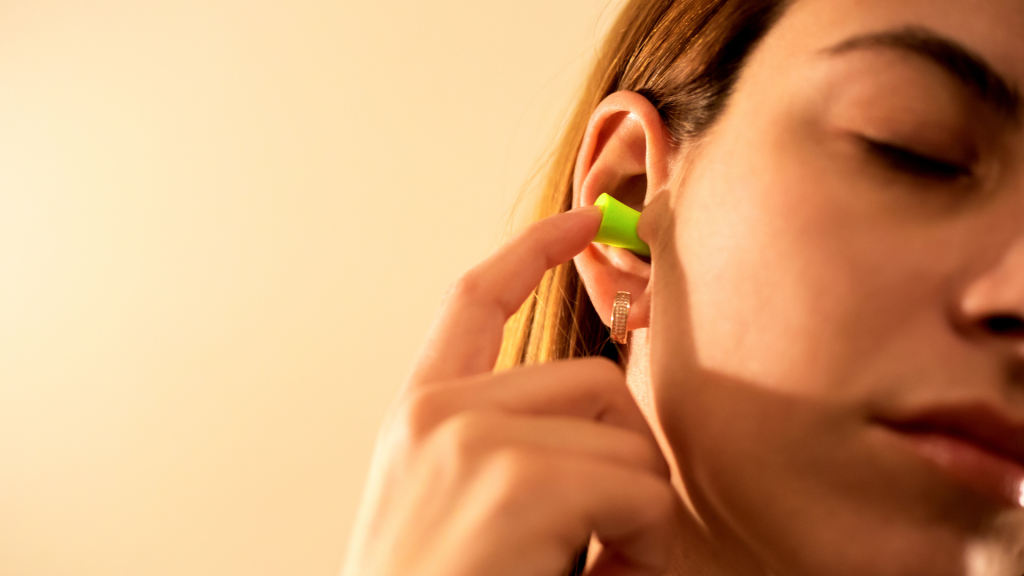
Earplugs have become an essential part of modern life—used for everything from blocking out noisy neighbors to protecting hearing at concerts or while sleeping. But for many users, there’s an unexpected and unsettling side effect: ringing in the ears when the plugs go in.
If you’ve ever experienced this strange phenomenon, you’re not imagining it. That high-pitched tone, buzzing, or pulsing sound is called tinnitus, and it’s surprisingly common—especially among people who use earplugs regularly.
So, what gives? Are earplugs causing the ringing, or simply revealing something that was already there?
In this article, we’ll explore 7 alarming—but often fixable—reasons why your ears might ring when you wear earplugs. We’ll break down what’s really happening inside your ears, how to tell if the problem is serious, and most importantly—what you can do to stop it.
Whether you’re using foam plugs, silicone molds, or high-fidelity filters, understanding the link between earplugs and tinnitus can help you protect your ears—and your peace of mind.
1. Earwax Impaction
One of the most common and overlooked causes of ringing in the ears while using earplugs is earwax impaction. Earplugs—especially those inserted deeply or worn frequently—can push wax further into the ear canal, compacting it and creating a physical blockage.
How It Causes Ringing
When earwax builds up and becomes impacted, it can press against the eardrum or block sound vibrations, which disrupts normal hearing. This disruption can trigger or amplify tinnitus, making the ringing more noticeable—especially in quiet environments like when you’re trying to sleep.
You might also notice:
- A feeling of fullness or pressure in the ear
- Muffled hearing
- Occasional popping or crackling sounds
- Itching or discomfort in the ear canal
What to Do About It
If you suspect earwax is the culprit:
- Avoid using cotton swabs or digging in your ears—this can make impaction worse.
- Try over-the-counter wax softening drops to help break down the buildup.
- Visit a doctor or audiologist for safe removal via irrigation or professional cleaning.
- Switch to earplugs with a shallow insertion depth to prevent pushing wax deeper in the future.
2. Increased Auditory Awareness (Occlusion Effect)
Ever noticed that your voice sounds booming or your breathing feels loud when you wear earplugs? That’s due to something called the occlusion effect, and it could be the reason you’re hearing ringing in your ears.
What Is the Occlusion Effect?
The occlusion effect occurs when the ear canal is physically blocked, such as by earplugs. This blockage traps internal sounds—like your heartbeat, jaw movement, or blood flow—and amplifies them inside your head. For people who already have mild tinnitus or are sensitive to internal sounds, this heightened awareness can make the ringing seem much louder.
Why It Happens More with Earplugs
When you wear earplugs:
- Ambient noise is significantly reduced
- Your brain “tunes in” to what’s left—internal sounds
- Any mild or background tinnitus becomes more noticeable
This doesn’t necessarily mean the earplugs are causing the tinnitus—it’s often a case of revealing what was already there but previously masked by environmental noise.
How to Minimize the Effect
- Try vented earplugs, which are designed to reduce occlusion while still blocking harmful noise
- Use white noise or a soft background sound while sleeping to reduce focus on internal sounds
- If using earplugs during the day, try pairing them with ambient background music or soundscapes
- Consult a hearing professional if the effect is persistent or bothersome
3. Pre-Existing Tinnitus or Hearing Loss
Sometimes, ringing in your ears while wearing earplugs isn’t caused by the plugs at all—it’s simply exposing a condition you didn’t realize you had. Many people have mild or early-stage tinnitus or hearing loss that goes unnoticed in daily life due to environmental noise.
Why It Becomes Noticeable with Earplugs
Earplugs create a quiet environment that blocks out external sound, which can make existing tinnitus more apparent. In noisy surroundings, the brain is distracted by external stimuli. But in silence—especially at bedtime—the ringing that was always there becomes much more noticeable.
Similarly, subtle hearing loss can change how your brain processes sound. When it’s harder to hear external noise, the brain sometimes compensates by increasing sensitivity to internal sounds, a known contributor to tinnitus.
What Are the Signs?
- Ringing is present even when not wearing earplugs, but you only notice it in silence
- Hearing seems “normal,” but you have trouble understanding speech in noisy environments
- You’re over 50 or have a history of noise exposure (e.g., concerts, machinery, firearms)
What to Do
- Schedule a hearing test with an audiologist to check for early signs of hearing loss or tinnitus
- Try low-level sound therapy (such as a white noise machine) to mask the ringing, especially at night
- Consider tinnitus management options, including counseling, sound enrichment, and hearing aids with tinnitus masking features
4. Poorly Fitting or Overused Earplugs
Wearing earplugs too often—or using ones that don’t fit properly—can do more harm than good. Poorly designed or overused earplugs can irritate the ear canal, create uncomfortable pressure, or even cause minor trauma to the delicate skin inside your ear. All of this can trigger or worsen ringing in the ears.
How This Happens
- Too-tight earplugs can press against the ear canal wall or eardrum, leading to a sense of fullness or discomfort that may cause tinnitus-like symptoms.
- Improper insertion (pushing them in too far) can damage the ear canal or increase pressure on the eardrum.
- Reusing disposable earplugs without cleaning them can introduce bacteria, leading to infections that can cause ringing, pain, or inflammation.
- Prolonged wear (especially overnight) can irritate sensitive tissue or disrupt pressure balance in the ear.
Signs of Trouble
- Ringing or buzzing that starts after inserting earplugs
- A feeling of pressure, soreness, or itchiness in the ear canal
- Ear discomfort that persists even after removing the earplugs
- Recurrent ear infections or blockages
How to Fix It
- Use earplugs that fit your ear size and shape—custom molds are ideal for frequent use
- Follow proper insertion and removal techniques to avoid trauma
- Don’t wear earplugs for more than 8 hours at a time, especially while sleeping
- Replace or clean reusable plugs regularly, according to manufacturer instructions
- Give your ears breaks between uses to let them recover
5. Temporary Changes in Ear Pressure
One surprising cause of ear ringing while wearing earplugs is the change in ear canal pressure that occurs when a tight seal is created. Especially with foam or silicone plugs, inserting them deeply can trap air inside the ear canal, which slightly increases pressure and causes discomfort or temporary tinnitus.
Why It Happens
Your ear canal is a narrow, sensitive space. When a plug forms a tight seal, it:
- Traps air, creating positive pressure
- Prevents the normal release of sound vibrations and pressure changes
- In some cases, presses lightly on the eardrum or walls of the canal
This artificial shift in pressure can stimulate the auditory system, leading to:
- A popping sensation
- Brief ringing or buzzing
- A sense of fullness or echoing sound
For people already sensitive to changes in air pressure (like during flying or diving), this effect can be more pronounced.
What You Can Do
- Use earplugs with pressure-equalizing filters or vented designs, especially for sleeping
- Avoid inserting earplugs too deeply—they should sit snugly but not press far into the canal
- Gently roll foam plugs before inserting to avoid trapping too much air
- Try a different style or material of earplug—what works for one person may not suit another
6. Noise-Induced Tinnitus
Ironically, many people start using earplugs after being exposed to loud noises—like concerts, power tools, or gunfire—only to notice ringing in their ears once the noise is gone. In these cases, the culprit isn’t the earplugs themselves but noise-induced tinnitus from prior sound damage.
What’s Happening?
Exposure to loud sound can damage the tiny hair cells inside the cochlea (your inner ear), leading to:
- Temporary or permanent hearing loss
- Tinnitus (ringing, buzzing, or high-pitched tones)
- Sensitivity to sound (hyperacusis)
When you insert earplugs after the damage is done, they block out all other noise, making the internal ringing stand out more. In this case, the tinnitus was already there—but now you’re aware of it.
Common Scenarios
- Ringing that starts after a loud event, even if earplugs were used afterward
- Tinnitus that’s worse in silence, especially at night
- A history of repeated noise exposure without protection
What to Do About It
- Use earplugs proactively, not just reactively—wear them during exposure, not after
- If tinnitus persists for more than 48 hours after a loud event, see an audiologist
- Avoid further loud noise exposure while your ears recover
- Consider tinnitus management strategies, such as sound therapy or hearing protection with sound filters
7. Anxiety or Sleep-Related Stress
Sometimes, the cause of ringing in your ears while wearing earplugs isn’t physical—it’s psychological. Many people use earplugs to fall asleep or block out stressors, only to find that the silence brings on an unexpected companion: tinnitus linked to anxiety or sleep-related stress.
Why It Happens
When you’re anxious, your nervous system is on high alert. This heightened state can:
- Increase your awareness of internal sounds
- Cause muscle tension in the neck and jaw, which may affect your ears
- Disrupt your sleep cycle and amplify your perception of noise
- Lead to stress-induced tinnitus, especially when lying in a silent room
Earplugs, by silencing external distractions, can unintentionally turn up the volume on what’s happening inside your head—including the subtle, high-pitched whine of stress.
Signs This May Be the Cause
- Tinnitus occurs mainly at night or in quiet settings
- You’ve been experiencing sleep issues, anxiety, or increased stress
- The ringing feels worse when you’re tense or tired
- You notice the ringing more when you’re focusing on it (and less when distracted)
How to Address It
- Try relaxation techniques before bed: deep breathing, meditation, or gentle stretches
- Use white noise machines, soft music, or calming sleep apps to create a soothing sound environment
- Consider open-ear sleep headphones if you need both comfort and background sound
- If anxiety is persistent, talk to a doctor or mental health professional about support options
How to Prevent and Reduce Earplug-Related Ringing
Whether your ear ringing is due to earwax, pressure, anxiety, or hidden hearing loss, the good news is there are practical ways to manage it—and in many cases, prevent it altogether. Here’s how to minimize ringing when using earplugs and protect your ear health long-term.
1. Choose the Right Type of Earplugs
- Opt for vented or filtered earplugs to reduce the occlusion effect and allow better pressure regulation.
- Use custom-molded plugs if you wear earplugs frequently—they fit better and are less likely to cause irritation.
- For sleep, try soft, low-pressure foam or silicone plugs designed for comfort.
2. Insert Earplugs Properly
- Avoid pushing earplugs too deep into the ear canal. Follow the manufacturer’s instructions for safe insertion.
- Roll foam plugs tightly, insert gently, and let them expand naturally.
- If you feel pressure or discomfort after insertion, remove and reposition.
3. Keep Your Ears (and Plugs) Clean
- Clean reusable plugs regularly and replace them as directed.
- Avoid reusing disposable plugs too many times—they can harbor bacteria or degrade over time.
- Manage earwax buildup with gentle methods or see a doctor for regular ear cleanings.
4. Use White Noise or Background Sound
- Block out silence with a white noise machine, fan, or calming app.
- Soft background sound can mask tinnitus and reduce focus on internal noises while wearing earplugs.
5. Limit Usage Time
- Don’t wear earplugs all day or every night if you don’t need to.
- Give your ears breaks to reduce irritation and help maintain pressure balance.
6. Monitor Your Hearing Health
- Get regular hearing checks, especially if you notice ringing or muffled hearing.
- Early detection of hearing loss or tinnitus allows for better management options.
- Discuss any persistent ringing with a hearing specialist or audiologist.
Conclusion
If your ears ring when you wear earplugs, you’re not alone—and you’re not imagining it. While earplugs are designed to protect your hearing and help you sleep better, they can also reveal or contribute to tinnitus in a variety of ways.
From earwax impaction to the occlusion effect, from anxiety to underlying hearing loss, there are several reasons why your ears might start buzzing in the silence. The good news? In many cases, the ringing is temporary and can be managed with the right tools and strategies.
Understanding what’s behind your symptoms is the first step. Whether it’s changing your earplug style, improving insertion technique, adding background sound, or consulting a professional, there’s no need to suffer in silence.
With a little attention to ear health and awareness of the signs, you can enjoy the benefits of earplugs—without the buzz.
FAQ
Why do my ears ring only when I wear earplugs?
Wearing earplugs blocks external sound, which can make internal noises like tinnitus more noticeable. This is often due to the occlusion effect or an underlying condition like earwax buildup or early hearing loss that becomes more obvious in quiet environments.
Can using earplugs too often cause permanent tinnitus?
While earplugs themselves don’t usually cause permanent tinnitus, improper use—such as inserting them too deeply, using dirty plugs, or irritating the ear canal—can lead to infections or trauma that may trigger ringing. Long-term damage is rare but possible if these issues go unaddressed.
Is it safe to sleep with earplugs every night?
Yes, but only if you use properly fitting, clean, and comfortable earplugs. To avoid problems, give your ears a break, keep earplugs clean, and watch for signs of irritation, wax buildup, or ringing that worsens over time.
What should I do if the ringing doesn’t go away after removing earplugs?
Persistent ringing may indicate an underlying issue like tinnitus, earwax impaction, or hearing loss. If the ringing lasts more than a few days or is accompanied by hearing changes or discomfort, see an audiologist or ear, nose, and throat (ENT) specialist.
Can white noise help with earplug-related ringing?
Absolutely. White noise or soft background sounds can help mask internal ringing and make it less noticeable, especially at night. Many people find relief from tinnitus using white noise machines, sound apps, or low-level background music.
“This article is for informational purposes only and is not a substitute for professional medical advice, diagnosis, or treatment. If you are concerned about your hearing or ear health, please consult a qualified healthcare provider.”