Noise in the workplace is nothing new, but in 2025, it has become a much more widely recognised health and safety concern especially for older adults and workers who may already be living with some degree of hearing loss. Modern employers are increasingly aware that excessive noise isn’t just an inconvenience; it’s a genuine risk to long-term hearing health, comfort, and overall well-being. Whether you work in a bustling factory, a busy restaurant kitchen, a construction site, or even a loud open-plan office, understanding workplace noise regulations can make a real difference in your daily experience.
Today’s workforce includes more adults over 50 than ever before, which means more employees may be managing age-related hearing changes alongside their daily responsibilities. Even moderate noise exposure can become more challenging as the ears naturally become less tolerant to sound over time. That’s why clear, updated workplace noise standards in 2025 matter—not only to protect people from developing noise-induced hearing loss, but also to help those who already struggle with hearing changes stay safe, comfortable, and productive.
In this introduction, we’ll set the stage for what you need to know about workplace noise regulations, why they’ve evolved over the years, and how they aim to reduce the risk of long-term hearing damage. Many people assume noise rules apply only to heavy industries like manufacturing or construction, but today they span a wide range of environments—from schools and hospitals to hospitality settings and modern office spaces. Noise risks can show up in unexpected places, and both workers and employers benefit from understanding how regulations apply to their specific environment.
We will also touch briefly on why hearing health is so important. Noise-induced hearing loss is permanent, but it is also highly preventable. Recognising early signs of overexposure—such as ringing in the ears, muffled hearing after a shift, or difficulty following conversations in noisy areas—can be the first step in protecting your long-term hearing. Equally, having the right safety measures in place, from sound monitoring to appropriate protective equipment, helps ensure that everyone can work in safer conditions.
As we move into the rest of the article, you’ll gain a clearer understanding of workplace noise hazards, the major regulations shaping noise safety in 2025, and the rights and responsibilities of both employers and employees. Whether you’re overseeing a team, supporting a loved one, or simply wanting to learn more about hearing safety at work, this guide will help you navigate the essentials of modern workplace noise regulations.
Understanding Workplace Noise Hazards
Workplace noise hazards come in many forms, and they don’t always show up where you might expect. While industries like construction, aviation, and manufacturing are commonly associated with loud environments, even places such as restaurants, call centres, dental offices, and workshops can expose workers to potentially harmful sound levels. Understanding what constitutes a noise hazard—and how it affects hearing—is the foundation for recognising why workplace noise regulations exist in the first place.
Noise is typically measured in decibels (dB), a unit that quantifies sound intensity. What many people don’t realise is that the decibel scale is logarithmic, meaning a small increase in number represents a significant jump in loudness. For example, a noise level of 85 dB is not just a little louder than 75 dB—it’s roughly twice as loud. This matters because prolonged exposure to noise at or above 85 dB can begin to damage the delicate hair cells in the inner ear that allow us to hear. Once damaged, these cells do not regenerate, which is why noise-induced hearing loss is permanent.
Another essential aspect of noise hazards is exposure duration. Short bursts of very loud sounds—such as impact tools, machinery start-ups, or sudden alarms—can cause immediate harm, even if they last only a moment. On the other hand, moderate but continuous noise, like the hum of equipment or the chatter of a busy environment, can be just as damaging over the course of a full shift. Workers often adapt to noise over time, becoming less aware of it, but this does not reduce the risk. If anything, familiarity can make hazards harder to recognise.
Symptoms of noise overexposure can be subtle at first. Many workers experience temporary ringing in the ears (tinnitus) after a long or loud shift, or they may notice sounds seem muffled when they leave work. While these symptoms may fade within hours, they are early warning signs that the ears have been stressed. Over time, repeated exposure can lead to permanent tinnitus, difficulty understanding speech—especially in noisy environments—and general hearing decline.
Certain groups of workers may be more vulnerable to noise hazards. Adults over 50 often find loud environments more fatiguing, and if someone already uses hearing aids or experiences age-related hearing loss, background noise may be particularly challenging. Even moderate levels of noise can interfere with concentration, communication, and workplace safety. This is one reason why 2025’s regulations place increased emphasis not just on preventing hearing loss, but also on creating environments that support communication and safety for workers of all ages.
By recognising what workplace noise hazards look and feel like, employers and workers alike can better appreciate the importance of monitoring, protective equipment, and ongoing training. Noise may be a normal part of many jobs, but unmanaged exposure is not—and understanding the risks is the first step toward protecting long-term hearing health.
Key Workplace Noise Regulations in 2025
Workplace noise regulations in 2025 continue to evolve as research deepens our understanding of hearing health and as workplaces themselves become more diverse. While specific legal requirements vary by country, most regulatory frameworks share a common goal: reducing workers’ risk of noise-induced hearing loss by setting clear limits on exposure, requiring regular monitoring, and ensuring protective measures are readily available. Whether you’re an employer or an employee, having a clear overview of these rules helps ensure a safer and more supportive work environment.
In many regions, regulatory bodies such as OSHA (in the United States), HSE (in the United Kingdom), and similar organisations worldwide use a combination of exposure limits and action levels. A common benchmark is the permissible exposure limit (PEL), often set around 85 dB for an eight-hour workday. When noise exceeds this level, employers are legally required to take steps to reduce exposure. Some regulations also include “peak limits,” which restrict very loud, sudden bursts of sound—common in construction or manufacturing—regardless of duration. Keeping noise below both continuous and peak thresholds is essential in preventing both sudden and cumulative damage.
Noise monitoring is another vital element of modern regulations. Many workplaces must conduct periodic noise assessments to identify high-risk areas and determine whether workers might be exposed to harmful levels. Advances in sound-level meters and digital monitoring systems have made this process more accurate and accessible. Some workplaces even use wearable noise trackers that log the sound levels individuals experience throughout the day. These tools not only support compliance but also empower workers by giving them clearer insight into their own exposure patterns.
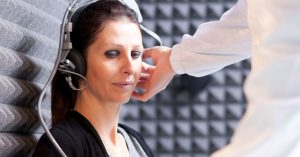
In addition to setting exposure limits, workplace noise regulations often require the establishment of a hearing conservation program when noise exceeds specific thresholds. These programs can include regular hearing tests, training on the risks of noise exposure, and guidance on selecting and using hearing protection. Annual hearing checks are especially important for employees over 50, as natural age-related changes can make them more sensitive to noise—or more vulnerable to its effects. Regulations emphasise early detection so workers can address problems before they become permanent.
Another key focus of 2025 regulations is preventative action. Rather than relying solely on personal protective equipment, employers are encouraged—or required—to implement engineering controls whenever feasible. This may include installing quieter machinery, adding noise barriers or acoustic panels, redesigning workflows to reduce noise exposure, or isolating noisy equipment. Administrative controls, such as rotating staff to limit time spent in loud areas, are also common strategies supported by today’s regulatory frameworks.
Overall, modern workplace noise regulations prioritise proactive safety measures, updated assessments, and a more holistic approach to hearing health. They recognise that preventing hearing loss often requires more than just earmuffs: it calls for awareness, planning, and a commitment to creating safer workplaces for employees of all ages.
Employer Responsibilities Under Modern Noise Regulations
In 2025, employer responsibilities related to workplace noise are more comprehensive and proactive than ever before. Regulations emphasise not just compliance with exposure limits but the creation of a work environment that genuinely supports long-term hearing health. For employers, this means taking thoughtful, documented steps to assess, manage, and reduce noise hazards while ensuring that every worker—especially older adults and those with existing hearing challenges—has the resources they need to stay safe.
One of the core employer duties is conducting regular noise assessments. These evaluations help identify when and where workers might be exposed to harmful sound levels. A thorough assessment typically involves measuring noise across different areas, monitoring specific tasks, and noting peak or intermittent noise levels. Modern tools, such as digital sound-level meters and wearable monitors, make it easier to track exposure throughout a shift. Employers are expected to keep detailed records of these assessments, review them regularly, and update them whenever equipment or processes change.
If noise levels exceed regulatory thresholds, employers must take action. The first step is often implementing engineering controls designed to reduce sound at the source. This may include maintaining machinery to reduce rattling or vibration, adding acoustic panels or barriers, enclosing loud equipment, or replacing older tools with quieter alternatives. Engineering controls are considered more effective and sustainable than relying solely on protective gear because they reduce noise exposure for everyone in the area.
When engineering solutions aren’t sufficient, employers should implement administrative controls—strategies that adjust how work is organised. Examples include rotating staff to limit time spent in loud environments, scheduling noisy tasks during quieter shifts, or designating specific hearing-protection zones. These strategies help manage exposure without requiring major structural changes, and they’re particularly helpful in dynamic workplaces where noise levels fluctuate throughout the day.
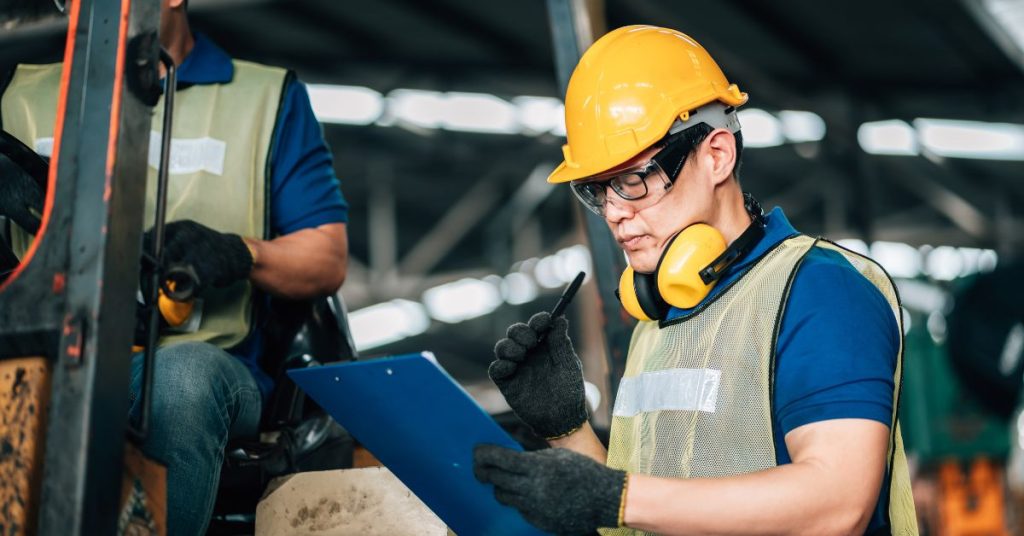
Another major responsibility is providing appropriate personal protective equipment (PPE). Employers must ensure that workers have access to hearing protection that fits comfortably and effectively. This may range from foam earplugs, to custom-moulded ear defenders, to advanced electronic earmuffs. Equally important is training employees on how to use PPE correctly; hearing protection only works when it is worn consistently and fitted properly. For workers over 50 or those using hearing aids, employers may need to offer tailored guidance or alternative protection options to ensure comfort and communication remain manageable.
Employers are also responsible for establishing and maintaining hearing conservation programs when noise thresholds are exceeded. Such programs include annual hearing tests, training on noise risks, and clear communication about workplace expectations. Regular hearing checks can detect early signs of damage, giving workers and employers an opportunity to intervene before permanent hearing loss develops. Keeping accurate, confidential records of these tests helps track changes over time and ensures workers receive timely support.
Finally, communication plays a critical role. Employers must inform workers about noise risks, explain assessment results, and encourage employees to raise concerns if they experience symptoms like tinnitus or muffled hearing. Creating an environment where workers feel comfortable discussing hearing challenges—without stigma—supports better outcomes for everyone.
Employer responsibilities in 2025 reflect an increased understanding of the lasting impact of noise exposure. By embracing a comprehensive approach to hearing safety, employers not only meet regulatory requirements but also contribute to a healthier, more productive workplace.
Worker Rights and How Employees Can Protect Themselves
Workers play a central role in maintaining a safe listening environment, and in 2025, employee rights related to workplace noise are clearer and more supportive than ever. These rights help ensure that individuals—particularly older adults and those already living with hearing loss—can navigate their workday with the confidence that their wellbeing is taken seriously. Understanding these protections empowers workers to speak up, seek support, and take practical steps to safeguard their hearing health.
One of the most important worker rights is access to accurate information about workplace noise levels. Employees are entitled to know whether their environment exceeds recommended exposure limits, and they have the right to see the results of noise assessments conducted by their employer. This transparency helps workers understand their personal risk, especially if they are sensitive to noise or already experiencing early symptoms of hearing changes. Knowing the exposure level also allows employees to make informed choices about protective equipment and communication strategies.
Workers also have the right to receive appropriate hearing protection whenever noise reaches or exceeds regulatory thresholds. Employers must supply this protection at no cost, but employees have the right to choose from options that fit them comfortably and suit their needs. For some, this may mean standard earplugs; for others—particularly those using hearing aids or managing tinnitus—alternative solutions like over-ear defenders or specially designed protective devices may be more appropriate. No worker should hesitate to request equipment that allows them to stay both protected and functional in their role.
Training and education form another vital component of worker rights. Employees must be taught how to recognise noise risks, how to use protective equipment correctly, and what steps to take if they believe noise is harming their hearing. This includes understanding early symptoms such as ringing in the ears, pressure or fullness sensations, or difficulty hearing conversations after a shift. Workers over 50 often notice these signs sooner or experience them more intensely, so ongoing training can help them respond quickly and confidently.
A key right that often goes overlooked is access to regular hearing checks. Under many noise regulations, employees exposed to higher noise levels are entitled to periodic hearing tests as part of a workplace hearing conservation program. These tests can detect changes early—sometimes before the worker even notices them—and allow for timely intervention. Workers have the right to receive their results, understand what they mean, and ask questions about their hearing health.
Importantly, workers also have the right to speak up without fear of retaliation. If an employee feels that noise levels are unsafe, that protective equipment is inadequate, or that symptoms of hearing loss are being ignored, they are protected when raising concerns. This might involve reporting to a supervisor, a safety representative, or an occupational health professional. In 2025, many workplaces actively encourage open conversations about hearing, recognising the importance of supportive, stigma-free communication.
Beyond legal rights, there are several practical steps employees can take to protect themselves. These include wearing hearing protection consistently, taking quiet breaks to give the ears time to recover, and positioning themselves away from loud machinery whenever possible. Workers who use hearing aids should consider accessories like noise management programs or compatible protective earmuffs designed for comfort and clarity. Staying alert to changes in hearing—particularly after noisy shifts—can also prompt early action.
Ultimately, worker rights related to noise are designed to create safer, more inclusive workplaces where everyone can thrive. By understanding these rights and taking proactive steps, employees can better protect their hearing health today and in the future.
Emerging Trends and Future of Workplace Noise Management
As workplace environments evolve, so too do the tools and strategies used to manage noise exposure. In 2025, employers and workers are benefiting from a wave of new technologies and forward-thinking approaches that make hearing protection more precise, personalised, and proactive. These innovations are shaping the future of workplace noise management—creating safer, more comfortable environments for employees of all ages, especially those who may already be dealing with changes in hearing.
One of the biggest developments in recent years is the rise of wearable noise-monitoring technology. Traditionally, noise assessments were periodic and location-based, but newer devices can track exposure continuously throughout an employee’s shift. These small, lightweight wearables measure noise levels in real time and store data that can be reviewed later. Some even alert workers instantly when noise spikes to dangerous levels, allowing them to take action in the moment. This personalised monitoring helps create a more accurate picture of daily exposure, offering particular benefits for older workers who may be more sensitive to sound or more vulnerable to its long-term effects.
Artificial intelligence (AI) is also making its way into workplace noise management. AI-powered systems can analyse sound patterns, detect problem areas, and predict when equipment is likely to create excessive noise. By identifying emerging issues early, employers can perform maintenance before noise levels become harmful. In some workplaces, AI tools are also being used to map out noise distribution across large environments, helping safety teams plan interventions more effectively.
Another promising trend is the development of improved hearing protection. Gone are the days when workers had to rely solely on foam earplugs or bulky earmuffs. Today’s options include electronic hearing protectors that automatically reduce harmful noise while still allowing speech to come through clearly. This is especially valuable for workers over 50 or those who use hearing aids, as communication can become more difficult in noisy environments. Some modern protectors even integrate with hearing aids or offer Bluetooth connectivity for accessibility and comfort.
Engineering controls are also becoming more sophisticated. Manufacturers are designing quieter tools and machinery, incorporating sound-dampening materials and vibration control to reduce noise at the source. Workplaces are increasingly turning to acoustic treatments—such as sound-absorbing panels, specialised flooring, and equipment enclosures—to keep noise from reaching harmful levels. These solutions create a more pleasant overall environment, benefiting not just hearing health but also concentration and communication.
A noteworthy trend for 2025 and beyond is the growing recognition of the needs of an ageing workforce. With more individuals working later into life, regulations and workplace practices are gradually shifting to accommodate age-related hearing changes. This includes clearer signage, quieter break areas, and communication training designed to help teams support colleagues who may struggle with background noise. Some employers are even implementing “hearing-friendly workplace” initiatives, which combine noise management with broader accessibility efforts.
Looking ahead, noise management is likely to become even more integrated into everyday workplace operations. As technology continues to advance, workplaces may adopt smart noise systems that automatically adjust machinery settings, ventilation speeds, or workflow timing to minimise exposure. The goal is to move from reactive noise control to fully integrated, predictive, and adaptive hearing safety.
These emerging trends signal a future where noise management is more efficient, more personalised, and more attuned to the diverse needs of today’s workforce. By embracing these innovations, employers and workers can look forward to safer, healthier, and more supportive environments that protect hearing for years to come.
Conclusion
Workplace noise regulations in 2025 reflect a growing understanding of just how essential hearing health is to overall wellbeing and long-term quality of life. As industries evolve and workplaces become more diverse, the importance of protecting employees—particularly older workers and those already experiencing hearing challenges—has never been clearer. Noise is a normal part of many jobs, but unmanaged exposure is not, and today’s regulations are designed to ensure that hearing safety becomes a natural, integrated part of daily operations.
Throughout this article, we’ve explored the foundations of workplace noise hazards, the key regulations shaping noise management today, and the responsibilities and rights that guide both employers and workers. The common theme across all these areas is proactive awareness. Regular noise assessments, accessible protective equipment, clear communication, and ongoing training all contribute to healthier workplaces where employees feel supported and informed. For workers, understanding their rights and recognising early signs of hearing strain can lead to timely intervention and reduced long-term impact.
For employers, adopting modern noise management strategies—whether through engineering controls, hearing conservation programs, or new technologies—creates a safer and more productive environment. These practices not only meet regulatory requirements but also foster trust, retention, and improved workplace morale. As the workforce continues to age, hearing-friendly practices become even more important, ensuring that every employee has the opportunity to perform their role comfortably and confidently.
The future of workplace noise management is promising. With the rise of wearable monitors, smarter protective devices, and advanced noise-reducing technologies, workplaces are becoming better equipped than ever to reduce exposure and support employees’ hearing health. These innovations, combined with thoughtful regulations and a culture of openness, will continue to lower the risk of noise-induced hearing loss across industries.
Ultimately, understanding workplace noise regulations isn’t just about compliance—it’s about valuing people. Protecting hearing health helps workers stay engaged, connected, and safe, both on and off the job. By staying informed and proactive, we can continue building workplaces where everyone’s wellbeing is a priority.
FAQ
Q1: What noise level is considered unsafe in the workplace?
Most regulations consider long-term exposure to noise levels at or above 85 dB as potentially harmful. Prolonged exposure at this level can damage the tiny sensory cells in the inner ear, leading to permanent hearing loss over time. Sudden loud noises—such as impacts or alarms—can also be harmful even if they occur briefly.
Q2: How often should employers conduct noise assessments?
Noise assessments should be performed regularly, especially when new machinery is installed, processes change, or employees report symptoms of hearing strain. Many workplaces conduct assessments annually or more frequently in high-risk environments. Continuous monitoring devices are becoming more common in 2025 for precise, real-time analysis.
Q3: Can workers with hearing aids wear traditional hearing protection?
Yes, but some adjustments may be needed. Over-ear hearing protectors are often more compatible with hearing aids than standard earplugs. Many modern earmuffs and electronic protectors are designed to be worn comfortably with hearing devices. Workers should choose protection that fits securely without causing feedback or discomfort.
Q4: What are the early signs of noise-induced hearing damage?
Early symptoms can include ringing in the ears (tinnitus), muffled hearing after work, difficulty understanding speech in noisy environments, or a feeling of fullness in the ears. These symptoms may come and go at first, but they indicate that the ears have been stressed and require protection from further exposure.
Q5: Are employers required to provide hearing tests?
In many regions, yes—especially if workers are regularly exposed to high noise levels. Under a hearing conservation program, employers must offer baseline and annual tests to monitor employees’ hearing over time. These tests can help identify early changes so protective steps can be taken promptly.
This article is for informational purposes only and is not a substitute for professional medical advice, diagnosis, or treatment. If you are concerned about your hearing or ear health, please consult a qualified healthcare provider.