Motor sports have a unique way of pulling people in—the roaring engines, the rush of adrenaline, and the excitement of high-speed competition create an atmosphere like no other. Whether you’re sitting trackside with thousands of cheering fans or working behind the scenes as part of the crew, the sounds of racing are a major part of the experience. But while the noise is thrilling, it can also pose serious risks to your hearing. Many people underestimate just how loud motor sports events can be and how quickly those noise levels can trigger hearing damage.
Most racing environments frequently exceed safe listening limits. Engines, exhaust systems, and the acoustics of the track combine to create sound levels that can reach the threshold of pain in a matter of seconds. Unfortunately, the danger often goes unnoticed because hearing damage is typically gradual. Symptoms may not appear right away, and when they do—such as muffled hearing or ringing in the ears—they are frequently ignored or mistaken as harmless temporary effects of a fun day at the races.
For adults aged 50 and older, the risk becomes even more significant. Age-related hearing changes may already be present, making the ears more vulnerable to additional noise exposure. Caregivers, long-time fans, and those who participate regularly in motor sports can face cumulative damage over time, especially when hearing protection isn’t consistently used. Understanding how motor sports noise affects hearing isn’t about taking away from the excitement of the sport—it’s about staying safe while continuing to enjoy it for years to come.
This article explores the relationship between motor sports noise and hearing health, breaking down the science behind harmful sound levels, the types of risks commonly associated with racing environments, and the long-term effects of repeated exposure. Most importantly, you’ll learn practical steps to protect your ears without sacrificing the thrill of the experience. When it comes to hearing, prevention is always easier—and far more effective—than treatment.
The Science Behind Motor Sports Noise
Motor sports are synonymous with power, speed, and spectacle—and at the heart of that excitement is noise. The thunderous roar of engines is part of what makes racing so engaging, but it’s also what makes these environments uniquely dangerous for your hearing. To understand the risks, it helps to know where this noise comes from, how loud it really is, and what those sound levels do inside the ear.
Racing engines are designed for maximum power output, which naturally produces significant noise. High-performance engines burn fuel rapidly, push air through exhaust systems at extreme speeds, and generate intense vibrations. All of this creates sound waves that easily exceed 100 decibels (dB), often reaching 110–140 dB at professional events. For context, prolonged exposure to sounds above 85 dB can begin to damage hearing, and a noise level of 120 dB is loud enough to cause immediate discomfort. Many motor sports environments sit well above both of these thresholds.
The structure of racing tracks also plays a role. Grandstands, safety barriers, and even the layout of the track can amplify sound by reflecting it back toward the crowd. Enclosed or partially enclosed tracks intensify this effect. When engines rev, tires screech, and multiple cars or motorcycles pass at once, the result is a complex mix of continuous noise and sudden spikes—both of which are harmful to unprotected ears. Even pit areas, where engines warm up and repairs are made, tend to be extremely noisy due to the confined working space and echoing surfaces.
Inside the ear, loud noise does more than just create momentary discomfort. Sound enters the ear canal and vibrates tiny hair cells in the inner ear that convert vibrations into electrical signals. These cells are incredibly delicate. When exposed to loud sounds, they can bend or break, leading to temporary or even permanent hearing loss. Unlike many other cells in the body, these hair cells do not regenerate. Once they’re damaged, the hearing loss is irreversible.
Motor sports noise is particularly hazardous because it combines sustained loudness with sharp increases in sound pressure. The ears do not get “used to” loud environments; instead, they gradually become damaged. Without protection, even a single event can cause lasting effects, while repeated exposure creates cumulative harm. Understanding this science underscores why hearing protection is essential, not optional, for anyone attending or participating in motor sports.
Common Hearing Risks at Motor Sports Events
Motor sports environments create a perfect storm of conditions that can harm hearing, even during a single day at the track. While the excitement of racing can make it easy to overlook the noise, the risks are both real and significant. Spectators, pit crews, drivers, and even event staff are exposed to a combination of factors that increase the likelihood of noise-induced hearing issues. Understanding these risks can help you take steps to protect your ears before the damage becomes noticeable.
One of the most common hearing risks at motor sports events is exposure to extremely loud, sustained noise. Races can last for hours, and during that time, participants and fans are subjected to continuous sound levels far above the threshold for safe listening. Unlike brief, isolated noises—such as a loud firework—motor sports noise is persistent. This ongoing exposure overwhelms the ear’s natural ability to recover, making it more vulnerable to injury. Even with breaks between races, the overall noise environment remains hazardous due to engine testing, maintenance, and other on-track activities.
Sudden bursts of noise also pose a significant risk. Motor cycles backfiring, engines revving unexpectedly, and collisions can create sound spikes that reach damaging levels instantly. These sharp bursts can contribute to what is known as a “temporary threshold shift,” where hearing becomes muffled or distorted for several hours after exposure. Many race fans have experienced this sensation, noticing that conversations seem unclear or that they need to turn up the volume on their devices once they get home. While the symptoms may fade, repeated temporary shifts can lead to permanent changes in hearing sensitivity.
Another common issue associated with motor sports noise is tinnitus—ringing, buzzing, or humming in the ears. Tinnitus often develops after exposure to loud environments and can last anywhere from a few minutes to several days. For some, it may become chronic. The high-decibel sound levels at races can easily trigger tinnitus, especially in individuals who already have some level of hearing damage or those who are more sensitive to noise.
The layout of the venue can also contribute to hearing risks. Enclosed grandstands, covered seating areas, and trackside barriers can trap and bounce sound around, intensifying noise levels. Fans sitting close to the track or near loudspeakers are particularly vulnerable. Even those walking around concession areas or visiting the pits may underestimate how often they are exposed to elevated noise without realizing it.
Ultimately, the combination of sustained loud sound, sudden noise spikes, and environmental acoustics makes motor sports events risky for unprotected ears. Recognizing these risks is the first step toward safeguarding your hearing and ensuring that your enjoyment of the sport doesn’t come at the cost of long-term hearing health.
Long-Term Effects of Repeated Noise Exposure
While a single loud event can cause temporary symptoms such as muffled hearing or ringing in the ears, the real danger of motor sports noise lies in repeated exposure. Many fans, drivers, and event staff attend races regularly throughout the season—or even multiple events each month. Over time, this consistent experience of high-decibel sound creates cumulative wear and tear on the delicate structures inside the ear, leading to permanent hearing changes that cannot be reversed.
One of the most significant long-term effects is noise-induced hearing loss (NIHL). This form of hearing loss develops gradually, often so slowly that people don’t notice it until it becomes difficult to follow conversations or understand speech in noisy environments. NIHL occurs when the tiny hair cells inside the inner ear are repeatedly damaged by prolonged noise. Once these hair cells are injured or destroyed, they cannot regenerate. As a result, hearing loss becomes permanent, and the ability to perceive certain frequencies—especially high-pitched sounds—is diminished.
Tinnitus, another long-term consequence of repeated loud noise exposure, may start as an occasional ringing or buzzing but can evolve into a chronic condition. Persistent tinnitus can interfere with sleep, concentration, and overall quality of life. Many long-time motor sports enthusiasts report experiencing ongoing tinnitus, particularly after years of attending events without adequate ear protection. The constant exposure to unpredictable sound spikes and high-intensity engine noise contributes to this increased vulnerability.
A common misconception is that the ears “toughen up” or that people simply get used to loud environments. In reality, what feels like getting accustomed to noise is often the early stage of hearing damage. When people believe the noise no longer bothers them, it’s frequently because their hearing has already begun to degrade. This false sense of comfort leads to even less caution and can accelerate long-term harm.
Repeated noise exposure can also affect how the brain processes sound. Over time, the auditory system becomes less efficient at distinguishing speech from background noise. This difficulty can be frustrating in everyday situations such as restaurants, family gatherings, or social events—settings where older adults often already struggle to hear clearly. Motor sports noise exposure adds an extra burden, increasing the risk of social withdrawal, communication challenges, and reduced engagement in activities.
The impact of long-term hearing damage extends far beyond the track. Hearing loss has been linked to cognitive strain, decreased safety awareness, emotional stress, and even increased fall risk in older adults. For those who love motor sports, protecting hearing is not just about avoiding discomfort—it’s about preserving lifelong well-being.
How to Protect Your Hearing at Motor Sports Events
The good news is that hearing damage from motor sports noise is largely preventable. With the right strategies and protective tools, you can enjoy the excitement of the track without putting your long-term hearing health at risk. Whether you’re a devoted fan, a casual spectator, or someone working directly with the vehicles, small steps can make a big difference in reducing your exposure to harmful sound levels.
One of the most effective—and simplest—ways to protect your ears is to use hearing protection consistently. Foam earplugs are inexpensive, widely available, and capable of reducing noise by 20–30 decibels when inserted correctly. Reusable silicone earplugs offer a comfortable and environmentally friendly alternative, while high-fidelity (musician’s) earplugs can lower sound levels evenly across frequencies, allowing you to enjoy the full sound experience without distortion. For those who prefer maximum protection or plan to be near the pit area, over-ear earmuffs provide an excellent barrier against both sustained noise and sudden loud bursts.
For frequent race attendees or professionals working at the track, custom-molded earplugs can offer the best combination of comfort, protection, and durability. These earplugs are made to fit the unique shape of your ear canal, ensuring a secure and effective seal. Although they require a higher upfront cost, their long lifespan and superior performance make them a worthy investment for regular exposure to loud environments.
Another helpful habit is to monitor your surroundings and manage your distance from the loudest areas of the track. Sitting farther from the starting line, avoiding enclosed grandstands, and limiting time spent directly next to the track or pit wall can significantly reduce the intensity of noise exposure. If possible, choose seats with open-air surroundings rather than areas where sound can bounce and amplify.
Technology can also support your hearing safety. Smartphone decibel meter apps allow you to measure the noise level where you’re standing, helping you stay aware of when protection is necessary. This can be especially useful during events with varying noise patterns, such as amateur races, warm-up sessions, or drag racing, where sound intensity can change unpredictably.
Finally, remember that hearing protection works best when used proactively. Waiting until your ears feel uncomfortable, ringing, or fatigued often means the damage has already begun. Make hearing protection just as essential as sunscreen or hydration—a regular part of your race-day checklist. By taking these precautions, you can continue enjoying the thrill of motor sports while keeping your ears safe for the long term.
Motor Sports Safety Regulations and Hearing Awareness
While hearing protection is a personal responsibility, the motor sports industry also plays a role in promoting safer noise practices. Over the years, governing bodies, event organizers, and professional teams have implemented various regulations to address noise levels—though these measures can vary widely depending on the type of motor sport, the venue, and the region. Understanding these regulations can help fans and participants appreciate the progress that has been made, as well as the gaps that still exist in hearing safety.
Many professional motor sports leagues enforce noise limits for vehicles, particularly in amateur or community-based events where tracks are closer to residential areas. For example, some tracks require vehicles to stay below a specific decibel threshold during testing or practice sessions. These rules are often intended to minimize environmental noise pollution, but they also help reduce excessive sound intensity that can harm hearing. However, top-tier racing events—such as Formula racing, stock car racing, or drag racing—typically allow much higher noise outputs due to the demands of engine performance and tradition within the sport.
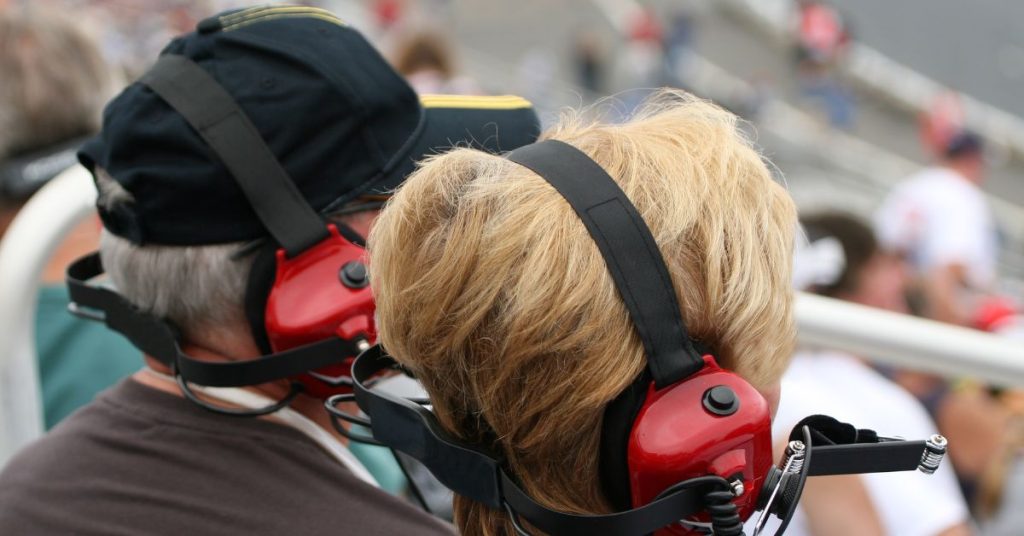
For those working behind the scenes, such as pit crews, mechanics, and track officials, safety guidelines often include mandatory use of hearing protection. Professionals in these environments are routinely exposed to explosive sound levels from revving engines and power tools. As a result, teams usually provide earmuffs or specialized communication headsets that both protect hearing and allow for clear communication in high-noise conditions. Compliance in professional settings tends to be strong, particularly where occupational safety standards are enforced.
Despite these measures, the level of public awareness about hearing risks at motor sports events remains inconsistent. Many venues offer hearing protection for sale, but not all actively promote its use. Some provide signage or announcements to remind spectators about safe noise practices, while others rely on fans to take personal responsibility themselves. This means that hearing safety messaging may go unnoticed by individuals who are unfamiliar with the risks.
Fortunately, awareness is improving. Health organizations, hearing charities, and advocacy groups are increasingly partnering with motor sports events to promote hearing protection. Educational campaigns, on-site demonstrations, and community outreach efforts are helping fans understand why ear protection matters—and how easy it is to incorporate into their race-day routine. As these efforts continue to grow, the hope is that hearing protection will eventually become a standard part of the motor sports experience, much like wearing a seatbelt is for drivers.
Still, there is room for improvement. Expanding public education, strengthening regulations, and ensuring that ear protection is both accessible and encouraged can go a long way toward preventing unnecessary hearing damage. While the thrill of motor sports is unmistakably tied to its powerful sound, enjoying the sport responsibly means making hearing safety a priority for everyone involved.
Conclusion
Motor sports offer an unparalleled thrill—the roar of engines, the smell of the track, and the rush of speed create unforgettable experiences for fans and participants alike. However, the very sounds that make racing exhilarating can also pose serious risks to your hearing. From temporary muffled hearing to long-term noise-induced hearing loss and chronic tinnitus, exposure to high-decibel environments at motor sports events can have lasting consequences if proper precautions aren’t taken.
The good news is that hearing damage from motor sports noise is largely preventable. Simple strategies such as wearing earplugs or earmuffs, monitoring your distance from loud areas, and using technology to gauge sound levels can drastically reduce your risk. For those working professionally at the track, following occupational safety standards and using specialized hearing protection is essential. Additionally, growing awareness and regulation within the motor sports community are helping fans understand the importance of hearing health, though personal responsibility remains a key factor.
Ultimately, enjoying motor sports doesn’t mean sacrificing your hearing. By taking proactive steps, you can continue to experience the excitement of races while safeguarding your ears for years to come. Prevention is far easier—and far more rewarding—than trying to treat hearing loss after it occurs. With the right combination of education, awareness, and protective measures, both spectators and professionals can protect their hearing without missing a single moment of the action.
FAQ
What is the safest way to protect my hearing at motor sports events?
The most effective protection is consistent use of earplugs or earmuffs. Foam or silicone earplugs reduce noise by 20–30 dB, while high-fidelity or custom-molded plugs provide clear sound at safer levels. Over-ear earmuffs can offer additional protection, especially near the track or pit areas. Combining hearing protection with mindful seating choices and limiting exposure time further reduces risk.
Can a single day at a loud race cause permanent hearing loss?
Yes, exposure to extremely loud noise, especially above 120 dB, can damage the delicate hair cells in the inner ear even during a single event. While temporary muffled hearing or ringing may resolve, repeated exposure increases the likelihood of permanent noise-induced hearing loss. Using hearing protection at all times during the event is crucial.
Is tinnitus common among motor sports fans and workers?
Tinnitus, or ringing in the ears, is relatively common in individuals regularly exposed to motor sports noise. It can be temporary after one event or become chronic with repeated exposure. Using protective gear consistently, taking breaks from loud areas, and monitoring sound levels can help reduce the risk of developing tinnitus.
Are there regulations to limit motor sports noise?
Some tracks and racing leagues enforce noise limits, particularly for testing sessions or amateur events. Professionals often follow occupational safety guidelines that require hearing protection in pit areas. However, regulations vary widely, and many venues rely on spectators and staff to take personal responsibility for hearing safety.
Can older adults be more vulnerable to hearing damage at motor sports events?
Yes. Age-related changes in hearing make older adults more susceptible to noise-induced damage. Even if hearing feels normal, prolonged exposure to high-decibel environments can accelerate hearing loss. Using proper protection and avoiding the loudest areas of the track are particularly important for adults aged 50 and older.
This article is for informational purposes only and is not a substitute for professional medical advice, diagnosis, or treatment. If you are concerned about your hearing or ear health, please consult a qualified healthcare provider.