Nightlife can be exhilarating—lively music, friends laughing, and the energy of a packed dance floor. But for all the fun, loud bars and nightclubs pose a hidden risk: damage to your hearing. Many people don’t realize that spending even a few hours in environments with booming music or constant noise can have lasting effects on the ears. Temporary ringing, muffled hearing, or fatigue after a night out are all signs that your ears have been stressed—and repeated exposure can lead to permanent hearing loss or tinnitus over time.
The good news is that protecting your hearing doesn’t mean you have to miss out on the social scene. With a few smart strategies and the right ear protection, you can enjoy your favorite venues while keeping your ears safe. This guide will walk you through the science of noise-induced hearing damage, practical steps for ear protection, how to choose the right hearing devices, and ways to plan nights out that prioritize long-term hearing health. By the end, you’ll see that safeguarding your hearing and enjoying nightlife are not mutually exclusive—they can go hand in hand.
Understanding Noise-Induced Hearing Damage
Bars and nightclubs are often filled with music that can exceed 100 decibels (dB)—sometimes even higher near speakers. To put that into perspective, normal conversation is around 60 dB, and prolonged exposure to anything above 85 dB can start to damage sensitive structures in your inner ear. Noise-induced hearing damage occurs when the delicate hair cells in the cochlea, which convert sound vibrations into electrical signals for the brain, are overstimulated and begin to deteriorate. Once these hair cells are damaged, they do not regenerate, making hearing loss permanent.
Even if you don’t notice immediate hearing loss, repeated exposure can lead to cumulative damage. Many people experience temporary symptoms first, such as ringing in the ears (tinnitus), muffled hearing, or a feeling of fullness. While these symptoms may fade after a few hours or days, they are warning signs that your ears are under stress. Over time, repeated exposure without protection can make these effects permanent, affecting your ability to hear conversations, enjoy music, and perceive high-frequency sounds.
Beyond the physical damage, loud environments can also lead to ear fatigue. This is when your auditory system becomes overstimulated, making it harder to focus on conversations or detect subtle sounds. It can be mentally exhausting, even after short periods, and contributes to the long-term strain on your hearing. For older adults or those already experiencing mild hearing loss, this effect can be even more pronounced, reducing enjoyment of social interactions and nightlife experiences.
Understanding the risks is the first step in protecting your ears. By recognizing that temporary discomfort can signal long-term harm, you can make informed choices about exposure and adopt strategies that allow you to enjoy the music and energy of nightlife safely.
Practical Ways to Protect Your Ears
Protecting your ears in loud bars and nightclubs doesn’t mean avoiding the fun—it’s about smart strategies to minimize damage while still enjoying yourself. Here are some practical steps you can take to safeguard your hearing:
Use High-Fidelity Earplugs
Standard foam earplugs can muffle sound and make music less enjoyable, but high-fidelity earplugs are designed to reduce volume evenly across frequencies. They allow you to enjoy the music and conversations clearly while lowering the overall decibel exposure. Wearing these consistently during a night out can dramatically reduce the risk of hearing damage.
Maintain a Safe Distance from Speakers
The closer you are to the source of loud music, the higher the decibel exposure. Try to position yourself away from speaker stacks or DJ booths. Even a few meters can make a significant difference in volume levels reaching your ears. If you’re dancing near the speakers, consider stepping back periodically to give your ears a break.
Take Listening Breaks
It’s easy to get swept up in the music, but taking short breaks from loud environments is crucial. Stepping outside, going to a quieter area, or simply closing your eyes and relaxing for a few minutes can give your auditory system a much-needed rest. These micro-breaks reduce cumulative exposure and help prevent fatigue and ringing.
Monitor Your Exposure
Many people underestimate how long they spend in high-decibel environments. Using smartphone apps or wearable devices that measure decibel levels can help you track exposure and ensure you don’t exceed safe limits. Even awareness alone can encourage safer behaviors, like moving to quieter areas or adjusting the duration of your stay.
Be Mindful of Alcohol and Medication Effects
Alcohol and some medications can exacerbate the effects of loud noise by reducing your brain’s ability to filter sounds. While this doesn’t change the actual volume, it can make your ears more susceptible to damage. Staying mindful of these factors can help you make safer choices during nights out.
By integrating these practical habits into your nightlife routine, you can enjoy bars and nightclubs without putting your hearing at unnecessary risk. Small adjustments, like wearing earplugs or taking brief breaks, compound over time to preserve your long-term hearing health.
Choosing the Right Hearing Protection
Not all ear protection is created equal, and selecting the right option can make a big difference in comfort, effectiveness, and enjoyment during a night out. Here’s a breakdown of the most common types of hearing protection for loud bars and nightclubs:
High-Fidelity Earplugs
High-fidelity earplugs are specifically designed for music lovers. Unlike standard foam plugs that can distort sound, these earplugs reduce volume evenly across all frequencies, preserving the clarity and quality of music. They are typically reusable, discreet, and come in various designs, from universal-fit to custom-molded versions. Many frequent nightclub-goers find them ideal because they allow conversation while lowering harmful noise exposure.
Custom-Molded Earplugs
For maximum comfort and protection, custom-molded earplugs are created to fit the unique shape of your ear canal. An audiologist can make these to your specifications, offering superior noise reduction and a snug fit that won’t slip out during dancing or movement. While more expensive than universal options, they are a long-term investment in hearing health and are often preferred by people who spend a lot of time in loud environments.
Disposable Foam Earplugs
These are widely available, inexpensive, and convenient for occasional use. While effective at reducing volume, they tend to muffle sound and can make music and conversations less enjoyable. For short visits or infrequent outings, they are a practical choice, but frequent nightclub-goers might find them less satisfying.
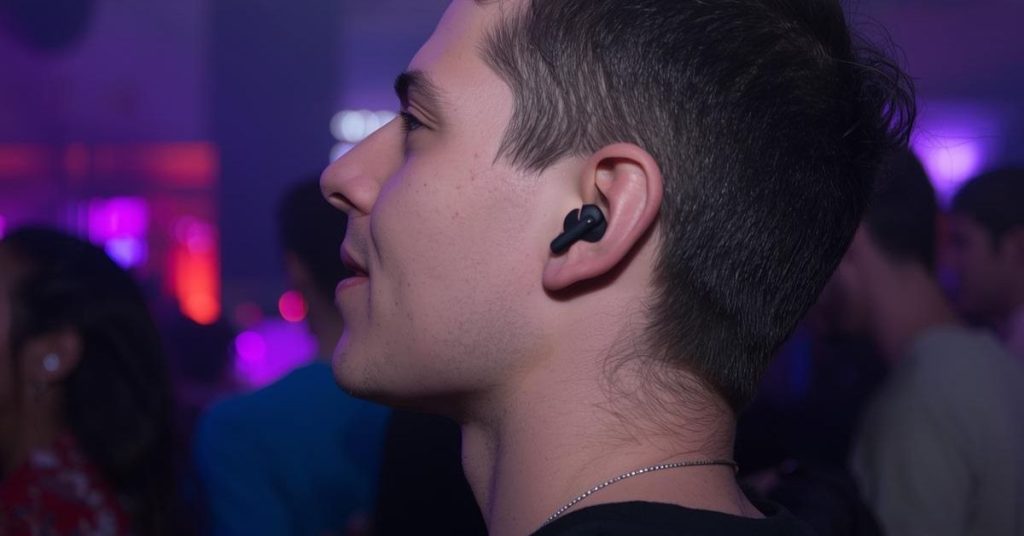
Noise-Canceling Earbuds
Although primarily used for passive listening, some noise-canceling earbuds can double as protective devices by actively reducing ambient sound. While they may not be as effective as earplugs in extremely loud environments, they can help decrease overall exposure, particularly in bars with moderate noise levels.
Factors to Consider
When choosing ear protection, consider comfort, ease of use, sound quality, durability, and cost. If you plan on regular nightclub visits, investing in high-quality or custom earplugs can make protecting your hearing easier and more enjoyable. Comfort is especially important; if earplugs are painful or inconvenient, you are less likely to wear them consistently.
By understanding your options and selecting the right hearing protection, you can enjoy nights out while minimizing the risk of long-term hearing damage. The key is balancing protection with the ability to hear and enjoy music and conversation.
Planning a Night Out Without Sacrificing Fun
Protecting your hearing doesn’t mean staying home—it’s about planning your night out wisely so you can enjoy the energy of bars and nightclubs while minimizing risk. With a few thoughtful strategies, you can have fun and safeguard your ears at the same time.
Time Your Visits Strategically
Louder music often coincides with peak hours in bars and clubs, typically late evenings and weekends. Arriving earlier in the night or choosing less crowded nights can reduce exposure to extreme noise levels. Shorter visits spread across the week are safer than long, continuous exposure in a single night.
Scout the Venue Layout
Before committing to a spot, observe where the loudest music sources are located. Staying a few meters away from speaker stacks or soundboards can reduce the decibel levels your ears are exposed to. Some venues also have quieter areas or lounges where you can take micro-breaks without leaving entirely.
Alternate Between Loud and Quiet Areas
Even in the middle of a bustling club, you can find moments to rest your ears. Step into quieter sections, head outside for a brief break, or take a short walk in a hallway or patio. These breaks allow your auditory system to recover and reduce cumulative exposure to loud music.
Communicate with Friends
Let your friends know about your hearing protection plans. Wearing earplugs, stepping out for breaks, or choosing quieter areas is easier when your group supports it. You might even encourage friends to join you—collective awareness can make safer habits feel more natural.
Mind the Alcohol Factor
Alcohol can lower your awareness of volume levels and impair judgment. Being mindful of consumption can help you stay alert to your auditory environment, making it easier to implement protective strategies consistently.
Enjoy Music Without Compromising Safety
With high-fidelity earplugs or custom options, you can still appreciate the nuances of music and feel part of the experience. Protecting your hearing is not about distancing yourself from fun—it’s about making smart choices that preserve your ability to enjoy nightlife for years to come.
By integrating these strategies, you can create a plan that balances enjoyment with protection, ensuring that your nights out remain lively, safe, and memorable.
Long-Term Hearing Health and Lifestyle Habits
Protecting your ears during nights out is just one piece of the puzzle. Long-term hearing health relies on a combination of proactive strategies, regular checkups, and lifestyle habits that support your auditory system over time.
Regular Hearing Checkups
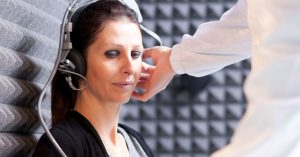
Even if you don’t notice hearing loss, scheduling regular audiologist visits is essential. Early detection of hearing changes allows for timely intervention, whether it’s adjusting hearing protection strategies or treating underlying conditions. Adults over 50, or those with a history of frequent exposure to loud environments, should consider annual checkups.
Monitor and Manage Tinnitus
Ringing in the ears, or tinnitus, is a common symptom of noise exposure. While sometimes temporary, persistent tinnitus can indicate damage. Tracking episodes, identifying triggers, and consulting an audiologist can help manage symptoms and prevent progression.
Manage Ear Health
Infections, wax buildup, or other ear conditions can exacerbate hearing issues. Keeping your ears clean, addressing infections promptly, and avoiding inserting objects into the ear canal protect your auditory system from additional stress.
Lifestyle Factors
Overall health impacts hearing. High blood pressure, diabetes, and smoking can worsen hearing loss. Maintaining a balanced diet, regular exercise, and avoiding excessive noise in everyday life helps preserve hearing. Even seemingly minor exposures, like loud appliances or headphones, can accumulate over time.
Cumulative Noise Awareness
Hearing protection isn’t just for nightclubs. Being mindful of cumulative noise exposure across work, hobbies, and home life strengthens long-term hearing. Using earplugs at concerts, while mowing the lawn, or during noisy DIY projects contributes to overall ear safety.
Educate and Advocate
Sharing knowledge with friends and family about the risks of loud environments helps create a culture of hearing safety. Encouraging younger generations to use protection can prevent early onset hearing issues.
By combining smart nightlife strategies with these long-term habits, you can maintain healthy hearing for years to come. Hearing protection is an ongoing commitment, but one that pays off in the enjoyment of music, conversation, and life’s everyday sounds.
Conclusion
Enjoying a night out at bars and nightclubs doesn’t have to come at the cost of your hearing. Loud music and high-decibel environments pose real risks, from temporary ringing and ear fatigue to permanent hearing loss and tinnitus. Understanding these risks is the first step toward making informed choices that protect your ears without sacrificing the fun of social experiences.
Practical strategies—like using high-fidelity or custom earplugs, maintaining distance from speakers, taking listening breaks, and monitoring exposure—allow you to enjoy nightlife safely. Planning your nights thoughtfully, choosing quieter times or areas, and communicating with friends ensures that protective habits become a natural part of your outings.
Long-term hearing health also depends on regular checkups, managing ear conditions, and incorporating lifestyle habits that support auditory wellness. By combining short-term protection during loud events with long-term care, you can preserve your hearing while continuing to enjoy music, conversation, and social engagement well into the future.
Taking proactive steps today ensures that your nights out remain memorable for all the right reasons—and that your ears remain healthy for years to come.
FAQ
What are the safest earplugs for nightclubs and bars?
High-fidelity earplugs are generally the best choice for nightlife. They reduce the volume evenly across frequencies, preserving music quality and allowing conversation, while protecting your ears from harmful noise levels. Custom-molded earplugs offer the highest comfort and effectiveness, especially for frequent club-goers.
How long can I safely stay in a loud bar or nightclub?
Safe exposure depends on the decibel level. For music around 100 dB, experts recommend limiting exposure to about 15–20 minutes without protection. With high-fidelity earplugs, you can safely extend your time significantly, but it’s always wise to take regular breaks in quieter areas.
Can using earplugs affect the music experience?
Standard foam plugs may muffle or distort sound, but high-fidelity and custom earplugs are designed to maintain sound clarity. They allow you to enjoy music and conversation without the harshness of unprotected exposure.
Is tinnitus always permanent after loud exposure?
Not necessarily. Temporary tinnitus, such as ringing after a night out, usually fades within hours or days. Persistent tinnitus can indicate long-term damage and should be evaluated by an audiologist. Protecting your ears proactively helps prevent permanent effects.
Are there other ways to protect hearing outside of nightclubs?
Yes. Cumulative noise exposure from concerts, power tools, lawn equipment, or even headphones can contribute to hearing damage. Using ear protection in these situations, along with regular hearing checkups, helps preserve long-term auditory health.
This article is for informational purposes only and is not a substitute for professional medical advice, diagnosis, or treatment. If you are concerned about your hearing or ear health, please consult a qualified healthcare provider.