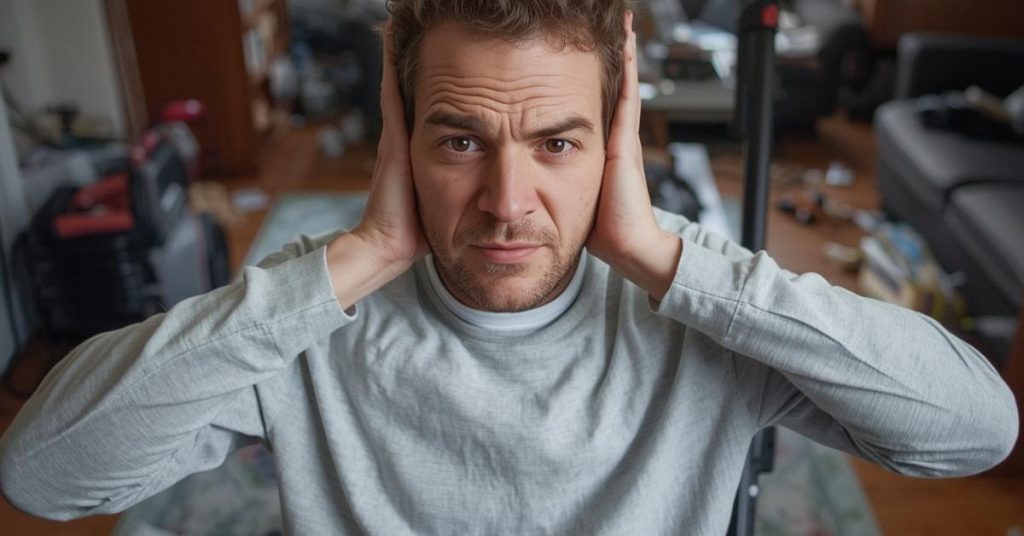
Household noise is something most of us grow accustomed to over time, but many people don’t realize just how loudly everyday appliances can hum, rattle, or vibrate—especially as they age. For adults over 50 or anyone living with hearing loss, these noises can feel even more intrusive. A dishwasher that used to make a gentle swoosh may now sound like it’s grinding gravel. A refrigerator that once hummed quietly might suddenly rattle loud enough to interrupt conversation. These changes aren’t just inconvenient; they can also affect comfort, stress levels, and, in some cases, long-term hearing wellness.
Many appliances are designed to operate at specific noise levels, and when they exceed those levels, it’s often a sign that something inside is struggling. But excessive noise isn’t always a mechanical issue—sometimes our hearing becomes more sensitive or strained, making everyday sounds feel sharper or more overwhelming. Either way, understanding what’s behind the noise is the first step toward correcting the problem. This is especially important for older adults or caregivers who may rely on cues from sound to know when an appliance is running, functioning properly, or signaling a cycle change.
This article will explore why household appliances grow louder over time, how to tell when noise is normal versus a sign of trouble, and how loud environments can impact hearing comfort and health. You’ll also learn simple fixes you can try at home and when it’s time to call in a professional. The goal is to help you create a quieter, calmer living space—one where your appliances work for you, not against your peace of mind.
When we understand what’s happening inside our appliances and how sound affects our daily lives, we can make better decisions about repairs, maintenance, and overall hearing wellness. Whether you’re dealing with a clunky washer, a buzzing fridge, or a vacuum that sounds like a jet engine, you’re in the right place. Let’s break it all down so you can restore comfort and quiet to your home.
Understanding Normal vs. Excessive Appliance Noise
Every household appliance generates some degree of sound as it operates, but when does a normal hum turn into an alarming roar? Understanding typical noise levels can help you recognize when an appliance is functioning as expected versus signaling that something may be wrong. For adults who are more sensitive to sound or who rely heavily on auditory cues, knowing these distinctions can make daily home life feel more manageable and less stressful.
Most appliances are designed with specific decibel (dB) ranges in mind. For example, a modern dishwasher usually runs between 38–60 dB, which is similar to a quiet conversation. Refrigerators often produce a steady hum in the 32–47 dB range. Washing machines might spike to 70 dB during a spin cycle, and vacuums commonly reach 70–85 dB. These numbers provide a baseline; however, once an appliance begins consistently operating above its typical range, it may be pointing to internal wear, loose components, or accumulated debris. If your once-quiet dishwasher now sounds like it’s vibrating against metal, or your refrigerator’s hum has become a persistent buzz, it’s worth paying closer attention.
It’s also important to understand that certain types of noise can signal specific issues. A knocking sound in a washing machine often points to an unbalanced load or failing drum bearings. A rattling refrigerator may indicate loose screws, items touching the back panel, or a fan that’s working harder than it should. Meanwhile, vacuums that suddenly whine loudly may have clogged filters or worn belts. Recognizing the “language” of these noises allows you to identify the cause more quickly and respond appropriately.
For individuals with hearing loss, tinnitus, or heightened sound sensitivity, everyday noise can feel amplified or more fatiguing. Appliances that were never bothersome before may suddenly seem overwhelming. This doesn’t necessarily mean the appliance is broken—it may be a change in hearing perception. In such cases, keeping track of how sounds change over time can be just as valuable as monitoring the appliances themselves.
Knowing what’s normal and what’s not gives you a strong foundation for understanding your home environment. When you’re aware of typical noise levels and the clues that excessive noise can reveal, you’re better prepared to maintain your appliances, protect your hearing comfort, and take early action before small issues become major repairs.
Common Causes of Loud Appliances in the Home
As appliances age or experience regular wear and tear, they naturally become noisier. However, when a familiar hum turns into a grinding, banging, or rattling sound, it often points to a specific issue inside the machine. Understanding these common causes not only helps you identify what’s going on but can also save you stress, discomfort, and sometimes even repair costs. For adults who may already be managing sound sensitivity or hearing loss, knowing the source of the noise can make a big difference in how you respond to it.
One of the most frequent reasons appliances become loud is normal mechanical wear. Over time, motors, bearings, and internal fans lose lubrication or become worn down. This can cause buzzing, whining, or grinding sounds, especially in devices like washing machines, dryers, refrigerators, and vacuums. These components work hard every day, and as friction builds up, the noises tend to increase. In some cases, worn bearings or belts can create sudden, sharp sounds that are difficult to ignore.
Another common culprit is loose or shifting parts. Something as simple as a loose screw, misaligned panel, or unbalanced drum can cause surprisingly loud vibrations. Washing machines are especially prone to this—they can thump loudly if the load isn’t distributed evenly, or if the machine’s feet aren’t level. Dishwashers may rattle if internal racks have loosened, while refrigerators can buzz if the compressor or fan is vibrating against a panel.
Debris buildup is another factor that can dramatically increase appliance noise. Vacuums with clogged filters or full canisters often produce a higher-pitched whine as the motor struggles to maintain suction. Dishwashers may grow louder when food particles accumulate in the filter or spray arms. Even refrigerators can buzz or hum loudly when dust collects around the condenser coils, forcing the system to work harder to stay cool.
In some cases, noise increases because the appliance is working harder than usual. For instance, if a refrigerator’s door seal is worn out, the compressor may run constantly to maintain the proper temperature, resulting in persistent humming or chugging sounds. Similarly, dryers with clogged vents may rumble or vibrate excessively due to restricted airflow.
Finally, household noise can also increase simply because an appliance is getting older. Even well-maintained machines experience gradual changes in how they sound. While not always a sign of immediate failure, a noticeable increase in noise often suggests that a service check or preventive maintenance may be helpful.
Recognizing these common causes gives you the power to respond proactively—whether that means cleaning a filter, tightening a panel, or scheduling a professional inspection. And by catching noise changes early, you can preserve your appliance’s lifespan, improve your home’s comfort, and reduce unnecessary exposure to loud or irritating sounds.
How Loud Appliances Affect Hearing Health
While the noises from household appliances may seem harmless, repeated exposure to loud or intrusive sounds can influence your overall hearing comfort—especially for adults over 50 or anyone already dealing with tinnitus or hearing loss. Many people underestimate how much everyday sounds contribute to listening fatigue, stress, and even long-term changes in hearing sensitivity. Understanding the connection between noisy appliances and hearing health can help you make more informed choices about your home environment.
Frequent exposure to sounds above 70–80 dB can gradually strain the ears, particularly if these sounds occur for long periods. Appliances like vacuums, blenders, and older washing machines often fall within this range, and while they may not seem dangerously loud, they can still contribute to cumulative stress on the auditory system. Over time, this can make it harder to tolerate noise, increase sensitivity to sharp or sudden sounds, and worsen existing conditions like tinnitus.
Even if an appliance isn’t dangerously loud, listening fatigue can set in when the ear has to constantly process background noise. This happens when a refrigerator hums persistently throughout the day or a dryer rattles in the next room. For individuals with hearing loss, this can be especially exhausting because the brain is already working harder to interpret sound. As a result, you may feel more tired, irritable, or unable to concentrate after prolonged exposure.
Excessive appliance noise can also mask important auditory cues—doorbells, alarms, conversations, or television dialogue—which can increase safety risks for older adults or caregivers. When background noise grows louder, people often turn up the TV or raise their voices, creating a cycle of increasing sound levels within the home. Over time, this auditory “overload” can exacerbate stress and make the home feel less peaceful.
For people with tinnitus, loud or unpredictable appliance sounds may trigger flare-ups or worsen the perceived ringing or buzzing in the ears. The sudden whine of a vacuum or the clatter of a malfunctioning dishwasher can be enough to heighten symptoms for hours afterward. Reducing these triggers can make daily living much more comfortable.
Understanding the impact of noisy appliances on hearing health doesn’t mean you need to fear everyday sound—it simply highlights the importance of awareness. When you pay attention to how your home environment affects your ears, you can take steps to minimize unnecessary noise, protect your hearing, and create a calmer, healthier space.
Easy Fixes and When to Call a Professional
Loud appliances aren’t just annoying—they can be a sign that something needs attention. Fortunately, many noise-related issues can be resolved with simple maintenance or quick adjustments. Understanding which fixes you can safely handle on your own and when a problem requires a professional can save you money, protect your hearing comfort, and extend the life of your appliances.
One of the easiest and most effective steps you can take is regular cleaning. Many appliances grow louder when filters, vents, or internal components become clogged. For example, cleaning the condenser coils on your refrigerator can drastically reduce humming or buzzing as the compressor won’t need to work as hard. Washing machine filters often collect lint, coins, or other debris, which can create grinding or rattling sounds. Vacuum cleaners also become noticeably louder when their filters or hoses are clogged—cleaning them can immediately restore quieter operation.
Another common cause of noise is unbalanced or unstable placement. A washing machine that shifts during its spin cycle can make loud thumping noises, especially if the feet aren’t level. Adjusting the legs or redistributing the load inside the drum can make a big difference. Similarly, dishwashers and dryers may rattle if they’re not properly secured. Ensuring your appliances are on stable, even surfaces can help reduce vibrations that lead to loud operation.
Loose panels, screws, or internal parts can also cause rattling or buzzing. In many cases, simply tightening a few screws on a refrigerator panel or securing a dishwasher rack can quiet the machine. However, you should only attempt these minor adjustments if they’re easily accessible and do not require disassembling the appliance.
Some noises have mechanical origins that require more specialized attention. Grinding sounds from a washing machine’s drum bearings, screeching from a worn dryer belt, or clunking from a refrigerator compressor usually signal that parts need replacing. These repairs typically require professional tools and expertise. Calling a technician is recommended when:
The noise is sudden, sharp, or worsening
You notice burning smells, overheating, or unusual vibrations
Internal components appear damaged
You are unsure how to safely access parts without disassembling the appliance
Finally, if your appliance is older and repairs are becoming frequent, it may be worth considering a quieter replacement model. Many modern appliances are specifically marketed for low-noise performance, making them ideal for adults with hearing sensitivity or anyone seeking a more peaceful home environment.
By combining simple DIY fixes with timely professional care, you can keep your appliances running smoothly, protect your hearing comfort, and restore peace to your household.
Creating a Quieter Home Environment
A peaceful home isn’t just about comfort—it plays an important role in emotional wellbeing and hearing health, especially for adults who may already experience tinnitus, sound sensitivity, or difficulty hearing in noisy environments. While appliance maintenance is key, there are many additional steps you can take to reduce noise levels throughout your living space. With a few smart adjustments, your home can feel calmer, safer, and far more pleasant.
One of the simplest ways to reduce noise is through intentional placement of appliances. For example, keeping laundry machines on a well-supported, level floor can prevent loud vibrations from traveling through the walls. Adding anti-vibration pads beneath washers and dryers can also significantly reduce thumping or shaking during cycles. Placing dishwashers and refrigerators on stable surfaces, and ensuring they’re not pushed directly against walls or cabinets, can minimize rattling and allow sounds to dissipate rather than echo.
In addition to placement, incorporating sound-absorbing materials into your home can make a big difference. Soft furnishings like curtains, rugs, and upholstered furniture help absorb noise that might otherwise bounce around the room. For kitchens and laundry areas—spaces where hard surfaces amplify sound—you might consider adding wall hangings, acoustic panels, or even strategically placed plants to soften echo and reduce the perception of loudness.
Routine preventive maintenance also plays a vital role in keeping appliances quiet. Regularly cleaning filters, inspecting vents, and checking for loose parts can prevent minor issues from escalating into major noise problems. Establishing a maintenance schedule—whether monthly or quarterly—ensures your appliances remain efficient and quiet over time.
For those who are sensitive to certain sounds, behavioral adjustments can also help. Running loud appliances during times when you’re less likely to feel fatigued or overwhelmed—such as midday instead of early morning or late evening—can make noise feel more manageable. Some people also benefit from using background sound, such as soft music or a gentle fan, to help mask appliance noise without increasing overall loudness.
Finally, if you’re planning to upgrade appliances in the near future, choosing models with low decibel ratings can dramatically improve your home environment. Many modern dishwashers, refrigerators, and laundry machines are engineered with noise reduction in mind, making them ideal options for those looking to protect their comfort and hearing health.
By thoughtfully arranging your home, maintaining your appliances, and making mindful lifestyle choices, you can significantly reduce unwanted noise and create a quieter, more enjoyable living space. These changes not only support your hearing wellness but also contribute to a greater sense of ease and relaxation at home.
Conclusion
Loud household appliances can disrupt your comfort, increase stress, and—even though many people don’t realize it—impact your long-term hearing wellness. While some noise is simply part of living with machines that work hard every day, a sudden increase in volume or a new, unfamiliar sound often signals that something has changed. By paying close attention to these cues, you can catch problems early, prevent unnecessary repairs, and reduce the strain loud environments place on your ears.
Understanding what typical noise levels sound like, recognizing common mechanical causes, and knowing how to address them empowers you to take control of your home environment. For many adults—especially those living with tinnitus, sound sensitivity, or hearing loss—creating a quieter home can significantly improve daily comfort and overall wellbeing. Simple maintenance steps, intentional appliance placement, and thoughtful lifestyle adjustments can drastically reduce disruptive noise.
Whether you choose to try a few do-it-yourself fixes, call a professional, or upgrade to quieter models, each decision brings you closer to a calmer, more peaceful home. And when your appliances run smoothly and quietly, you can focus on what matters most—rest, connection, and enjoying the sounds that bring joy and meaning to daily life.
FAQ
Why do my appliances seem louder at night?
Appliances often seem louder at night because environmental noise levels are lower. With fewer outdoor sounds, conversations, or TVs in the background, your ears become more sensitive to the noises that remain—like humming refrigerators or running dishwashers. This contrast can make normal appliance sounds feel more noticeable or intrusive.
Can loud appliances damage my hearing?
While most household appliances aren’t loud enough to cause immediate hearing damage, prolonged exposure to noise above 70–80 dB can contribute to listening fatigue or worsen existing hearing sensitivity. Appliances like older vacuums or malfunctioning washing machines can occasionally reach these levels. Reducing exposure and addressing noise issues can help protect your long-term hearing comfort.
How do I know when an appliance noise needs professional attention?
If the noise is sudden, sharp, metallic, or worsening over time, it’s usually a sign that something inside is malfunctioning. Burning smells, excessive vibration, and overheating are additional warning signs. If you’re unsure how to safely access parts or if basic cleaning and tightening don’t help, calling a technician is the safest option.
Are newer appliances quieter?
Yes. Many modern appliances are specifically designed for quieter operation, and manufacturers often list decibel ratings to help buyers choose low-noise models. Upgrading to newer machines can significantly reduce household noise, especially if your current appliances are older or require frequent repairs.
What can I do if I’m sensitive to noise even after fixing my appliances?
If sound sensitivity persists, consider adding sound-absorbing materials to your home, using background masking sounds, or running noisy appliances during daytime hours when they’re less likely to feel overwhelming. If sensitivity is new or worsening, you may want to speak with a hearing specialist to rule out changes in hearing health.
This article is for informational purposes only and is not a substitute for professional medical advice, diagnosis, or treatment. If you are concerned about your hearing or ear health, please consult a qualified healthcare provider.