Loud events can be some of the most exciting moments in a child’s life—concerts, sporting events, parades, carnivals, and fireworks displays all create memories full of energy and joy. But alongside the fun, these environments often expose young ears to noise levels well above what is considered safe. Because children’s hearing is still developing, it is especially vulnerable to damage from loud sounds, sometimes even after short periods of exposure. Many parents don’t realize that everyday family outings can easily exceed recommended decibel limits, increasing the risk of temporary or even permanent hearing issues.
In this introductory section, we’ll explore why thinking about hearing protection at loud events is so important. We’ll touch on how children often don’t recognize or communicate discomfort from loud noise, which puts the responsibility on caregivers to be proactive. At the same time, protecting kids’ hearing doesn’t need to be complicated or restrictive. Simple steps—such as using earmuffs, choosing strategic seating, or taking brief quiet breaks—can dramatically reduce risk while allowing kids to fully enjoy the experience. By understanding the basics of noise exposure and how young ears respond, parents can confidently balance safety with fun.
Understanding How Loud Noise Affects Children’s Hearing
Children hear the world differently for several reasons, and one of the biggest is that their ears are still developing. The structures inside the ear—particularly the delicate hair cells within the cochlea—are more susceptible to damage from high-volume sound exposure. Unlike many parts of the body, these hair cells do not regenerate once they’re harmed. This means that even temporary noise-induced hearing loss in childhood can contribute to long-term challenges later in life, including difficulty hearing high-frequency sounds, trouble understanding speech, or persistent ringing in the ears (tinnitus).
To understand how noise affects children, it helps to know a little about decibels (dB). Safe listening levels are generally below 70 dB, yet many kid-friendly events easily exceed 90–120 dB—levels that can cause damage in minutes or even seconds. For example, fireworks can reach 150 dB at close range, and stadiums often hover around 100–110 dB during exciting moments. Children often don’t know how to express discomfort or may feel pressured by the excitement around them to stay in loud areas. Parents who recognize the signs of noise-related strain—such as covering ears, irritability, or saying things sound “muffled”—can take quick action to prevent lasting harm.
Another important factor is duration. It’s not just how loud a noise is but also how long a child is exposed. Even moderate loudness can become harmful over extended periods. After a noisy event, parents might notice temporary symptoms like ringing in the ears, sensitivity to sound, or complaints that hearing feels “blocked.” These symptoms shouldn’t be ignored, as they may indicate that the inner ear has experienced stress. With consistent awareness and proper planning, families can ensure that kids enjoy loud environments without risking their long-term hearing health.
Common Loud Events and Their Hidden Noise Risks
Many parents are surprised to learn just how loud typical family outings can be. While concerts and fireworks are obvious culprits, even everyday activities like attending a basketball game or visiting an indoor play centre can expose children to hazardous noise levels. Stadiums often reach 100–120 dB during exciting moments, especially when the crowd erupts in cheers. Indoors, sound can be even more intense because it bounces off walls and ceilings, creating an amplified experience. For young ears, this level of noise can cause stress and potential damage far more quickly than most adults realize.
Fireworks shows are another high-risk environment. Even when observed from what seems like a safe distance, fireworks can exceed 140–150 dB—loud enough to cause immediate harm. Parades, festivals, and carnivals can also produce bursts of extreme noise, especially when sirens, horns, or amplified music pass by closely. Even movie theatres, which are popular family destinations, can peak above 90 dB during action sequences. While these activities are fun and memorable, the hidden risks lie in how quickly noise exposure can add up, especially for children who are excited, distracted, or unaware of their own discomfort.
It’s also important to consider clustered exposure. For example, a child might attend a noisy sports game and then spend time at an arcade afterward, or go to a parade followed by a carnival with loud rides. Each layer adds to their overall noise exposure for the day. Understanding these hidden risks empowers parents to plan ahead, pack appropriate hearing protection, and take small precautions that make a big difference. With the right awareness and tools, kids can enjoy all the excitement of big events without compromising their hearing.
Choosing the Right Hearing Protection for Kids
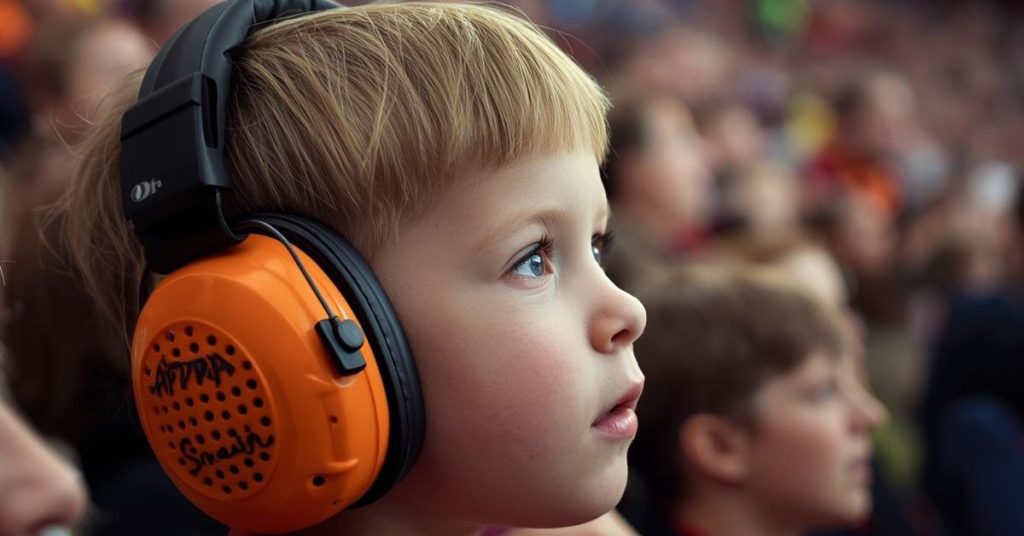
Picking the right hearing protection for children is one of the most effective ways to safeguard their ears during loud events. The two most common options are earmuff-style hearing protectors and child-safe earplugs, each designed to reduce the volume of incoming sound to safer levels. Earmuffs are often the top choice for younger children because they’re easy to put on, stay in place, and feel familiar—similar to wearing headphones. Many brands make kid-specific models with soft padding, adjustable bands, and fun colours, making it easier for children to feel comfortable and confident wearing them. When choosing earmuffs, parents should look for a suitable Noise Reduction Rating (NRR), typically between 20–30 dB for children.
Child-safe earplugs can also offer excellent protection, especially for older kids and teens who tolerate them well. Foam earplugs expand to fit the ear canal, while reusable silicone or flanged plugs provide a snug, durable option. However, earplugs must fit properly to work effectively, and some children may find them uncomfortable or difficult to insert. For kids who dislike the feeling of earplugs, earmuffs are a reliable and usually more cooperative alternative. Some families even choose to combine earplugs and earmuffs at extremely loud events, such as motorsports or fireworks viewed at close range.
Comfort and consistency matter just as much as the protection level. The best hearing protector is the one a child will actually wear throughout the noisy event. Parents can help by letting kids try different options ahead of time, practicing wearing them at home, and explaining why they’re important. Older children may appreciate having a say in colour, style, or brand, making them more likely to embrace the habit. By finding equipment that fits well, feels good, and suits a child’s preferences, parents can ensure reliable protection every time.
Smart Strategies to Reduce Noise Exposure at Events
While hearing protection is essential, parents can take several additional steps to reduce a child’s exposure to loud noise. One of the most effective strategies is choosing where you sit or stand. At concerts or sporting events, seats farther from speakers, band stages, or cheering sections can significantly lower the overall sound level. In stadiums, upper-level seats or areas away from loudspeakers tend to be quieter. At fireworks shows, viewing from a greater distance not only provides a better visual perspective but also dramatically reduces noise intensity. These small choices can make a noticeable difference for young ears.
Another helpful approach is taking quiet breaks throughout the event. Even brief moments away from the noise—such as visiting a lobby, stepping outside, or finding a less crowded area—can give a child’s ears valuable rest. Noise exposure accumulates over time, so reducing continuous exposure helps keep overall levels safer. Parents can plan these breaks ahead of time, especially during intermissions or slower parts of an event. Children who may feel overwhelmed by noise also benefit emotionally from having a designated “quiet zone” to regroup.
Technology can also be a parent’s ally. Sound-level monitoring apps for smartphones can give a real-time reading of the environment’s decibel levels. These apps don’t replace professional equipment, but they offer a helpful general sense of when noise might be too loud. If the reading consistently shows levels above 85–90 dB, extra precautions become essential. Combined with hearing protection, mindful seating choices, and planned breaks, these strategies help families enjoy loud events safely—without taking away from the fun or excitement.
Helping Kids Build Lifelong Healthy Hearing Habits
Teaching children to care for their hearing from a young age sets them up for healthier habits throughout life. When kids understand why hearing protection matters, they’re far more likely to use it willingly—not just because a parent tells them to, but because they recognize the benefits for themselves. Start by explaining in simple terms how loud sounds can “tire out” their ears, just like running can tire out their legs. Relating hearing safety to everyday experiences helps children grasp the concept without feeling worried or overwhelmed.
Modelling good behaviour is one of the most powerful tools parents have. When kids see adults wearing ear protection at concerts, sporting events, or fireworks shows, they learn that protecting your ears is normal and important. Encourage questions and let them explore their hearing gear at home before heading out to a loud event. This helps reduce resistance and makes hearing protection feel more like an empowering choice rather than an obligation. Some families even establish a “hearing check” routine—making sure everyone has their ear protection packed before leaving the house, just like sunscreen or water bottles.
Creating positive associations also helps build long-term habits. Letting children choose the colour or style of their earmuffs, decorating them with safe stickers, or making them part of a “special event kit” can make protection feel fun and personal. For older kids and teens, framing hearing protection as a tool that helps them enjoy music or events longer without discomfort can be motivating. Over time, these small efforts teach children to recognize their own comfort levels and speak up when things feel too loud. By nurturing awareness and confidence, parents give kids the tools they need to safeguard their hearing throughout childhood and into adulthood.
Conclusion
Protecting children’s hearing at loud events doesn’t mean limiting their fun—it simply means being mindful and prepared. From concerts and fireworks to sporting events and parades, exciting moments often come with high noise levels that young ears aren’t equipped to handle on their own. By understanding the risks and knowing how noise impacts developing hearing, parents can take small but meaningful steps that make a big difference in long-term ear health. Simple habits like bringing hearing protection, choosing strategic seating, and taking brief breaks can turn a potentially harmful experience into a safe and enjoyable one.
Most importantly, hearing protection can become a normal part of family outings when introduced with confidence and positivity. Kids are remarkably adaptable, and when they see their caregivers modeling healthy behaviours, they quickly learn to value their hearing, too. By encouraging children to take an active role in their own hearing safety—whether by choosing their earmuffs or speaking up when things feel too loud—parents help build lifelong habits that support well-being far beyond childhood.
As awareness grows and hearing protection becomes more common, families can feel empowered knowing they’re doing something simple, effective, and caring for their children’s future. With just a bit of preparation, every loud event can remain full of joy, memories, and excitement—without putting little ears at risk.
FAQ
How loud is too loud for children’s ears?
Sounds above 85 dB can be harmful with long exposure, and many loud events easily reach 100–120 dB. Fireworks and motorsports can exceed 140 dB. Because children’s ears are still developing, they are more vulnerable to noise damage, making hearing protection important anytime noise levels might exceed safe limits.
What type of hearing protection is best for kids?
Earmuff-style hearing protectors are often easiest for children to wear and adjust, especially younger kids. Child-safe earplugs can also work well for older children and teens, as long as they fit properly. The best choice is whatever your child finds comfortable and is willing to wear consistently.
Can short bursts of loud noise damage a child’s hearing?
Yes. Very loud sounds—even those lasting only a few seconds—can cause immediate harm to delicate inner ear structures. Fireworks, sirens, and sudden amplified music are common examples. This is why even brief exposures at loud events warrant protective gear.
How can I tell if my child’s hearing was affected after a loud event?
Signs may include ringing in the ears, sensitivity to sound, irritability, or describing hearing as “muffled.” Some children may struggle to explain what they feel, so watch for behavioural cues such as covering their ears more often or difficulty understanding speech. If symptoms persist, seek professional advice.
Should kids wear hearing protection at every loud event?
Yes—any environment that consistently exceeds safe listening levels calls for hearing protection. Even if a child seems unbothered, their ears can still be harmed. Using earmuffs or earplugs early helps kids form healthy habits and protects them from long-term hearing issues.
This article is for informational purposes only and is not a substitute for professional medical advice, diagnosis, or treatment. If you are concerned about your hearing or ear health, please consult a qualified healthcare provider.