Protecting your hearing is one of the most valuable investments you can make in your long-term health—especially as we age or find ourselves exposed to more noise at work, in public spaces, or through hobbies. Many people reach for earplugs as a simple solution, but not all earplugs offer the same level of protection, comfort, or reliability. That’s where the debate between custom vs universal earplugs comes into play. While universal earplugs are widely available, affordable, and convenient, custom-moulded options promise a personalised fit and potentially better noise reduction. But does that make them the better choice for everyone?
In this article, we’ll explore how earplugs protect your hearing, break down the differences between universal and custom options, and help you understand which type may truly offer the best protection for your lifestyle and needs. Whether you’re an avid concert-goer, a light sleeper, a DIY enthusiast, or simply someone who wants to preserve your hearing for years to come, this guide will give you the clarity you need to make the right choice.
Understanding How Earplugs Protect Your Hearing
Noise is part of everyday life, but when it becomes too loud, it can damage the delicate structures inside the inner ear. This damage often happens slowly and without pain, which is why many people don’t realise their hearing has been affected until it’s too late. Earplugs—whether custom or universal—act as a barrier, reducing the intensity of sound before it reaches the eardrum. But not all earplugs are created equal, and understanding how they work can help you make a smarter choice.
At the core of hearing protection is something called the Noise Reduction Rating (NRR). This number indicates how many decibels (dB) an earplug can reduce when inserted correctly. While the NRR is a helpful guide, it’s important to note that real-world protection depends heavily on fit. A perfectly sealed ear canal can drastically improve the effectiveness of an earplug, while a poor fit—common with one-size-fits-all designs—can leave gaps that let harmful noise through. Even small leaks can reduce the overall protection by 50% or more.
Another important concept is frequency attenuation. Not all sounds are reduced equally. Some earplugs, particularly those designed for musicians or industrial workers, are engineered to reduce noise evenly across all frequencies, so sound remains clear but safer. Others may reduce harsh, high-frequency noise more than lower tones. Understanding these differences helps you choose earplugs that match your environment—whether you want to block out snoring, reduce loud tools, or enjoy live music without distortion.
Earplugs also play a crucial role in preventing noise-induced hearing loss (NIHL), a permanent and irreversible condition. NIHL can occur after a single extremely loud event or from long-term exposure to moderate noise. For adults over 50, age-related hearing loss may already be present, making the ears even more vulnerable. That’s why selecting the right earplugs—and using them correctly—is essential to protecting the hearing you still have.
What Are Universal Earplugs? Pros, Cons, and Best Uses
Universal earplugs are the most common type of hearing protection available, designed to fit a wide range of ear shapes and sizes. They typically come in foam, silicone, or rubber materials and can be purchased almost anywhere—including pharmacies, supermarkets, music shops, and online retailers. Their biggest appeal lies in their convenience and affordability, making them an accessible option for anyone who needs quick hearing protection without a lengthy fitting process.
One of the major advantages of universal earplugs is cost. Foam plugs, for example, are inexpensive and often sold in bulk, making them ideal for occasional use or environments where plugs may be lost or worn out quickly. Silicone and reusable universal earplugs offer better durability and sometimes improved comfort, especially for sleep or casual noise reduction. Many manufacturers also offer specialised universal earplugs tailored for musicians, swimmers, motorcyclists, and frequent travellers, giving users a more tailored experience without breaking the bank.
However, universal earplugs come with a notable drawback: fit variability. Because every ear canal is unique, a one-size-fits-all product can’t guarantee a secure, comfortable, or airtight seal for everyone. Even when inserted correctly, some users may struggle with discomfort, inconsistent protection, or plugs that gradually work their way out of the ear. This can significantly reduce their effectiveness, especially in environments where reliable noise reduction is essential—such as industrial work, shooting sports, or long-term exposure to loud sound.
Despite these limitations, universal earplugs still shine in many practical situations. They’re ideal for occasional noise exposure, like attending a concert, mowing the lawn, or taking a noisy flight. They’re also a good choice for sleep, especially soft silicone plugs that mould gently to the outer ear. For people who aren’t ready to commit to the cost or process of custom earplugs, universal options provide a useful starting point that can still offer meaningful protection when used correctly.
What Are Custom Earplugs? Benefits, Limitations, and When They’re Worth It
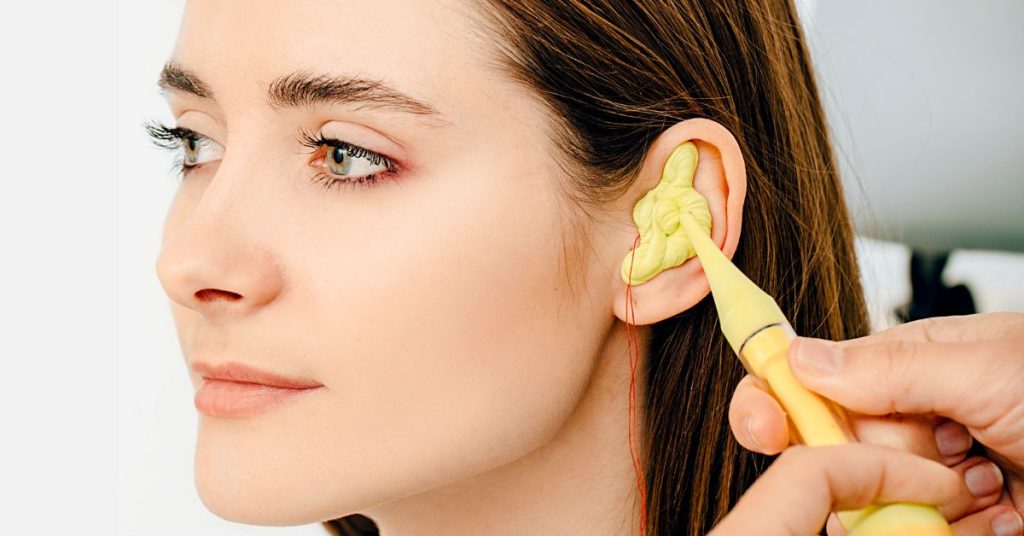
Custom earplugs are designed specifically for your ears, offering a personalised fit that universal plugs simply can’t match. They’re created using impressions of your ear canal—a quick, painless process typically done by an audiologist or hearing care professional. These impressions are then used to produce earplugs that conform precisely to the unique curves and contours of your ears, ensuring a level of comfort and protection that is difficult to achieve with standard, one-size-fits-all options.
One of the most significant advantages of custom earplugs is consistency of protection. Because they form a perfect seal, they provide more reliable noise reduction across a wide range of environments. Many custom plugs also come with specialised filters that reduce sound evenly across frequencies—ideal for musicians, motorcyclists, or anyone who wants to hear clearly while still protecting their ears. For sleepers, custom plugs stay securely in place throughout the night without the discomfort or slippage that often occurs with foam or silicone varieties.
Comfort is another major benefit. Custom earplugs are typically made from medical-grade silicone, which is soft, durable, and long-lasting. People who find universal earplugs irritating, painful, or difficult to insert often experience a dramatic improvement in comfort with custom options. Their durability also means they can last several years with proper care, potentially making them a smarter long-term investment despite the higher upfront cost.
However, custom earplugs aren’t without limitations. The initial cost can be a barrier, as they are significantly more expensive than universal alternatives. They also require professional fitting, which takes extra time and may not be convenient for everyone. Additionally, because they’re tailored to your ears, they can’t easily be shared or replaced if lost—you’ll need new impressions and a new pair. For people who only need earplugs occasionally or for low-risk noise exposure, the investment might feel unnecessary.
Custom earplugs are most worthwhile for those who regularly encounter loud environments, experience discomfort with universal plugs, or need reliable, long-term protection. They’re an excellent choice for musicians, industrial workers, motorcyclists, frequent travellers, and anyone with sensitive ears. For those prioritising comfort, consistent noise reduction, and durability, custom earplugs often provide unmatched value and performance.
Custom vs Universal: Which Option Protects Better? A Side-by-Side Comparison
When comparing custom and universal earplugs, the biggest difference comes down to fit, and fit is ultimately what determines how well an earplug can protect your hearing. Even the highest-rated universal earplug can’t deliver its full Noise Reduction Rating (NRR) if it doesn’t seal properly inside your ear. In contrast, custom earplugs are moulded to your unique ear canal, giving them a significant advantage in achieving a consistent, secure seal—one that doesn’t shift, loosen, or create small gaps that allow sound to leak through.
From a protection standpoint, custom earplugs generally offer more reliable and predictable noise reduction. Universal earplugs can perform well when they fit perfectly, but that fit varies dramatically from person to person. Foam plugs, for example, require proper rolling, insertion, and expansion to work effectively—steps that many users unknowingly perform incorrectly. Custom earplugs eliminate this variability. They sit deeper and more securely in the ear canal, providing steady attenuation whether you’re moving, sweating, talking, or sleeping.
Comfort is another key factor in real-world protection. Earplugs only work if you actually wear them, and many people remove universal plugs due to pressure, itching, or a poor fit. Custom earplugs excel in long-term comfort because they follow the natural shape of your ear. This makes them ideal for extended use—whether it’s a full night’s sleep, a long motorcycle ride, or a full day in a noisy workplace. Universal plugs may be fine for short-term use, but they often become uncomfortable over longer periods.
When comparing durability, custom earplugs also come out ahead. Made from high-quality silicone, they can last for years if cleaned and stored properly. Universal plugs, particularly foam types, are disposable and break down quickly. Even reusable universal earplugs will need replacing more frequently due to wear or changes in their shape over time. The long lifespan of custom plugs may offset their higher upfront cost for people who use earplugs regularly.
However, universal earplugs do win in scenarios where cost, convenience, or occasional use matter most. If you only need ear protection once in a while, universal plugs are perfectly adequate. They also remain a good backup even for people who own custom sets.
In the end, custom earplugs generally offer better and more consistent protection, especially for regular or high-noise exposure. But universal earplugs still serve an important role for casual users, travellers, or anyone not ready to invest in a custom pair. The best choice depends on how often you need hearing protection, how sensitive your ears are, and how important comfort and reliability are to you.
How to Choose the Right Earplugs for Your Lifestyle and Hearing Needs
Choosing between custom and universal earplugs ultimately comes down to understanding your own hearing needs, comfort preferences, and daily routines. The right choice isn’t the same for everyone, and many people find that a combination of both types works best depending on the situation. To make an informed decision, it helps to start by considering how often and in what environments you’ll be using earplugs.
If you’re frequently exposed to loud sounds—such as power tools, concerts, motorcycling, or industrial settings—reliable, consistent protection should be your top priority. In these cases, custom earplugs often offer the greatest long-term value. Their tailored fit ensures dependable noise reduction, and their comfort makes them easier to wear for extended periods. For individuals with sensitive ears, medical conditions affecting the ear canal, or difficulty inserting universal plugs, custom options can make hearing protection far more accessible and pleasant.
For occasional or light use, such as sleeping next to a snoring partner, blocking out travel noise, or attending infrequent events, universal earplugs may be all you need. They come in a wide variety of materials and strengths, allowing you to try different styles until you find a suitable match. Foam plugs offer strong noise reduction at a low cost, while silicone or flanged designs provide a reusable, more comfortable experience for everyday use. Universal earplugs are also a practical backup to keep in your bag, bedside drawer, or car.
Budget is another important consideration. Custom earplugs require an upfront investment and a visit to a professional, while universal earplugs are affordable and readily available. If cost is a concern, starting with higher-quality universal options can help you determine whether you eventually want to upgrade to a custom pair. Many people do this naturally—using universal plugs for years before realising the long-term comfort and consistency of custom fits.
It’s also worth thinking about your hearing health and whether you already have signs of hearing sensitivity or loss. Adults over 50, especially those with tinnitus, past noise exposure, or age-related hearing changes, may benefit from the tailored attenuation that custom earplugs offer. Proper protection becomes more crucial as the ears become more vulnerable.
Finally, whichever type you choose, proper use and maintenance are essential. Earplugs only protect effectively when they’re inserted correctly and kept clean. Taking a moment to learn proper insertion techniques—or asking your audiologist for guidance—can significantly improve the protection you receive, regardless of the style.
Conclusion
Protecting your hearing is an essential part of maintaining long-term health and quality of life, especially as noise exposure becomes more common in everyday environments. Both custom and universal earplugs play an important role in reducing harmful sound levels, but they offer distinctly different experiences in terms of comfort, consistency, cost, and practicality. Understanding these differences empowers you to choose the option that fits your lifestyle, budget, and personal hearing needs.
Universal earplugs remain a solid choice for occasional or light use. They’re accessible, affordable, and available in a wide variety of styles tailored to different situations. For many people, especially those who only need protection now and then, universal plugs offer enough noise reduction to safeguard hearing effectively—so long as they fit well and are used correctly.
Custom earplugs, on the other hand, excel in comfort, reliability, and long-term performance. For regular exposure to loud environments, sensitive ears, or individuals who struggle with the fit of universal plugs, custom-moulded options provide a level of protection that is difficult to match. Their durability also makes them a worthwhile investment for anyone committed to long-term hearing wellness.
Ultimately, the “best” earplug is the one you’ll wear consistently. Whether you choose universal, custom, or a combination of both, prioritising your hearing protection today can help you preserve your hearing for years to come. Small steps, such as choosing the right earplugs, can make a big difference in maintaining clarity, comfort, and confidence in your daily life.
FAQ
What is the main difference between custom and universal earplugs?
The biggest difference is the fit. Universal earplugs are designed to fit most ears but can vary in comfort and protection depending on the user. Custom earplugs are moulded to your exact ear shape, providing a secure, consistent seal that improves comfort and noise reduction.
Are custom earplugs worth the cost?
For people who frequently use earplugs—such as musicians, industrial workers, light sleepers, or motorcyclists—custom earplugs are often worth the investment. Their superior comfort and reliable protection make them a long-term solution. However, if you only need occasional hearing protection, universal earplugs may be sufficient.
Can universal earplugs protect my hearing as well as custom ones?
They can, but only if they fit properly. Universal earplugs may offer high Noise Reduction Ratings (NRR), but inconsistent fit can dramatically reduce their effectiveness. Custom earplugs provide more reliable protection because they are shaped precisely to your ear canal.
How long do custom earplugs last?
With proper care, most custom earplugs can last several years. They are usually made from durable medical-grade silicone. Over time, though, changes in ear shape or general wear may require refitting or replacement.
Which earplugs are best for sleeping?
Both custom and universal earplugs can work well for sleep. Soft silicone universal plugs are affordable and comfortable for many people. However, custom sleep earplugs provide a secure, low-pressure fit that stays in place all night, making them ideal for sensitive ears or long-term use.
This article is for informational purposes only and is not a substitute for professional medical advice, diagnosis, or treatment. If you are concerned about your hearing or ear health, please consult a qualified healthcare provider.