Protecting your hearing is one of the most important steps you can take to preserve long-term ear health, especially as we get older or spend more time in noisy environments like home workshops, concerts, or even busy social settings. While many people own earplugs or earmuffs, far fewer know whether these devices are actually working the way they should. Hearing protection is only effective when it forms a proper seal—without that snug, reliable fit, much of the harmful noise can slip through unnoticed. That’s why learning how to fit test your hearing protection at home is so valuable. It doesn’t just help you feel confident that your ears are protected; it directly impacts the level of noise reduction you receive.
For adults aged 50 and older, ensuring a good fit becomes even more important. Ear shape can change over time, skin becomes more delicate, and sensitivity to pressure or discomfort can increase. Caregivers and individuals with existing hearing loss also benefit greatly from understanding at-home fit testing methods, since even slight leaks in protection can contribute to further damage or worsen conditions such as tinnitus. Fortunately, checking your hearing protection doesn’t require special equipment or technical skill. With just a few simple steps, you can test whether your earplugs or earmuffs are sealing properly and providing the level of protection you expect.
This article offers a practical, easy-to-follow guide to fit testing hearing protection right at home. You’ll learn why fit matters, what types of hearing protection respond best to testing, how to perform several effective at-home methods, and how to troubleshoot common problems that might get in the way of a good seal. Whether you use ear protection for hobbies, home projects, sleep, or sound sensitivity, these tips will help ensure you’re getting the safest and most comfortable fit possible.
Why Fit Testing Matters for Hearing Protection
Many people assume that simply putting earplugs or earmuffs on is enough to protect their hearing—but the truth is that hearing protection only works when it seals properly. Even a small gap, twist, or poor insertion can dramatically reduce the device’s Noise Reduction Rating (NRR). In fact, real-world protection can drop by half or more if the fit is off. This means that noise you think is being blocked may still be reaching your inner ear at harmful levels. Fit testing at home helps close that gap, giving you a clearer idea of whether your hearing protection is performing the way it should.
A proper fit is especially important for older adults. As we age, the ear canal can become softer, more sensitive, or slightly change shape. Earwax buildup, arthritis, and dexterity challenges can also make it harder to insert earplugs deeply and consistently. Without realizing it, someone may believe they’re fully protected while experiencing only partial noise reduction. Caregivers and individuals with tinnitus or existing hearing loss benefit from this awareness as well, since even brief exposure to loud sound through a poor seal can aggravate symptoms or contribute to further damage.
Fit testing matters because it bridges the gap between laboratory ratings and real-world use. Manufacturers test hearing protection under ideal conditions—perfect insertion, perfect seal, no interruptions from glasses, hair, or movement. But everyday use is far less controlled. Glasses can break an earmuff seal. Earplugs can back out during physical activity. The jaw can shift the shape of the ear canal when chewing or talking. At-home testing exposes these issues, allowing you to adjust your technique or choose a better-fitting style before noise exposure occurs.
Most importantly, fit testing gives you peace of mind. When you know your hearing protection is sealing well, you can continue your activities—whether it’s woodworking, gardening, attending a concert, or simply managing noise sensitivity—without worrying that your ears are still vulnerable. A few minutes of testing can make a significant difference for your long-term hearing health.
Understanding Different Types of Hearing Protection
Before you can effectively fit test your hearing protection at home, it helps to understand the different types available and how their designs influence both comfort and performance. Each category of hearing protection behaves differently inside or around the ear, which means the method you use to test the fit may vary. By knowing what to expect from each type, you can choose the best option for your needs and feel more confident in your ability to check whether it’s working correctly.
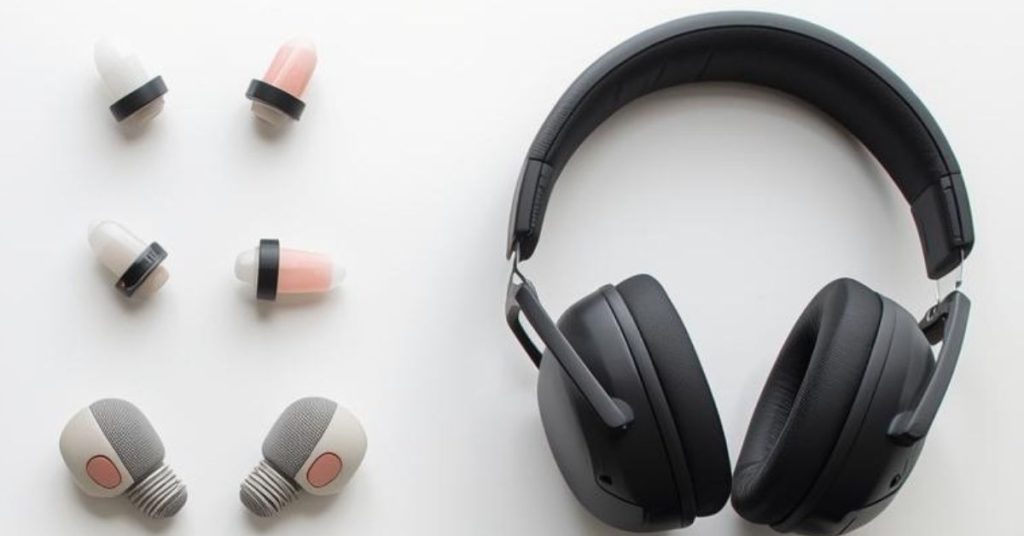
Foam earplugs are among the most common, especially for home use. They’re inexpensive, widely available, and highly effective when inserted properly. These soft, slow-recovery plugs need to be rolled down tightly and placed deeply into the ear canal to form a secure seal. Because they expand to fit your canal shape, they’re excellent for consistent noise reduction. However, they can be tricky for people with dexterity issues or narrower ear canals. They also tend to back out if not inserted fully, which makes at-home fit testing particularly important.
Reusable earplugs, often made of silicone or flexible polymer, offer a more durable and sometimes more comfortable option. They usually come in multiple sizes, which helps accommodate different ear shapes. Some reusable plugs have flanges that create a seal at several points in the ear canal, while others are designed with a smooth taper. While easier to insert than foam plugs, their fit can vary more from person to person, making careful testing essential to confirm they’re sealing correctly.
Custom-molded earplugs provide the most personalized fit. Made from impressions of your ear canal and outer ear, they offer excellent comfort and are ideal for long-term use or for individuals who struggle with standard plug sizes. Their biggest benefit is consistency: once custom plugs are made, they typically sit in the same position every time. However, they still require occasional fit checks, especially as the ear’s shape can change slightly with age, weight fluctuations, or health conditions.
Earmuffs offer protection that covers the entire outer ear. They’re easy to put on and ideal for quick use or situations where earplugs are difficult to insert. However, muffs can lose effectiveness if glasses, long hair, hats, or even facial structure break the seal around the ear. For older adults who wear glasses, this is a particularly common issue. Fit testing helps you identify whether your muffs are sealing well or if adjustments—like repositioning your glasses or choosing a different muff style—are needed.
Each type of hearing protection has strengths, and no single style is perfect for everyone. By understanding how each works and the challenges they may present, you’ll be better prepared to perform accurate at-home fit testing and choose the option that best suits your ears and lifestyle.
Step-by-Step Guide: How to Fit Test Your Hearing Protection at Home
Fit testing hearing protection at home doesn’t require any special equipment—just a quiet room, a bit of patience, and your ears. These simple methods help you determine whether your earplugs or earmuffs are sealing properly, providing the level of protection they’re designed to deliver. Try a combination of these tests for the most accurate results, especially if you’re new to using hearing protection or have recently changed brands or styles.
1. The Listen Test
Begin in a quiet room. Insert your earplugs or put on your earmuffs as usual. Once they’re in place, pay attention to the ambient sounds around you—airflow, distant traffic, or the hum of appliances. Take the hearing protection off, listen again, then put it back on. If the fit is good, you should notice a clear difference in sound levels. If the change is barely noticeable, the protection may not be sealing properly.
2. The Hand-Cupping Test (for earmuffs)
If you’re wearing earmuffs, gently place your hands over the cups, pressing lightly. You should hear a small but noticeable drop in noise when your hands enhance the seal. If cupping your hands creates a big difference, your earmuffs may not be sealing well on their own. Glasses, hats, or hair can interfere—try adjusting these and repeating the test.
3. The Jaw Movement Test
Talking, chewing, or turning your head can shift earplugs or break the seal of earmuffs. After putting on your hearing protection, slowly open and close your mouth, move your jaw side to side, and read a sentence aloud. If you feel the earplugs loosening or hear sound levels fluctuating significantly, the fit may not be secure. For earmuffs, listen for breaks in muff coverage as you move your jaw.
4. The Pressure Test (for earplugs)
With foam or reusable earplugs, gently press the tragus—the small flap of cartilage in front of your ear—toward the canal. If pushing it increases the noise reduction noticeably, the earplug might not be inserted deeply enough. When a plug fits well, pressing the tragus should make little difference.
5. The Low-Frequency Hum Test
Make a low humming sound (a prolonged “mmm”). When your protection is correctly sealed, the humming will sound deeper and more internal, and you may feel slight vibration in your skull. If the hum sounds bright, airy, or unchanged, the seal may be incomplete.
6. Visual and Physical Checks
For earplugs, check that the visible portion is small—foam plugs especially should sit mostly inside the canal. For earmuffs, ensure the cushions fully encircle your ears and the headband sits snugly on top of your head without gaps.
7. Repeat and Practice
Fit testing becomes easier the more you do it. Adjust your technique as needed until your results become consistent.
Troubleshooting Common Fit Issues
Even with careful insertion and testing, many people run into challenges when trying to achieve a reliable seal with their hearing protection. These issues are extremely common—especially for older adults, individuals with sensitive ears, or those who wear glasses or hearing aids. The good news is that most problems can be solved with small adjustments, a change in technique, or switching to a more suitable style.
One common problem is earplugs slowly backing out of the ear canal. Foam earplugs can work their way outward if they’re not inserted deeply enough or if the foam expands prematurely. To fix this, roll the plug tightly, straighten the ear canal by pulling upward on the top of your ear, and insert the plug swiftly. Hold it in place until fully expanded. If the issue persists, try a different size or firmer foam type.
Discomfort or soreness is another frequent challenge. Earplugs may feel painful if too large or too dense for your ear canal. Softer foam or reusable silicone plugs often help. For earmuffs, discomfort usually stems from tight headbands or stiff cushions. Adjusting the fit or choosing a model with softer padding can make extended wear far more comfortable.
People who wear glasses commonly struggle with earmuff seals being broken by the arms of their frames. Even thin frames can introduce gaps. Try repositioning your glasses or selecting earmuffs with softer, thicker cushions designed to mold around eyewear. If gaps persist, consider switching to earplugs or using double protection.
Individuals with dexterity challenges may have difficulty inserting earplugs consistently. In this case, reusable plugs or custom-molded options provide easier insertion and more reliable sealing.
Jaw movement causing sound leakage is another sign of a poor seal. If talking or chewing makes your hearing protection shift, try a different plug size or design, or adjust the angle of your earmuffs.
Troubleshooting is a natural part of finding the right hearing protection. With patience and attention to detail, you can achieve a comfortable, reliable fit that keeps your ears fully protected.
Improving Long-Term Comfort and Fit
Achieving a proper seal is essential, but maintaining long-term comfort is equally important—especially for people who use hearing protection regularly. Good hearing protection shouldn’t hurt, distract you, or feel like a chore.
A key factor is choosing the right material and size. Foam earplugs come in a range of densities and shapes. If standard plugs feel too tight or irritating, try a softer or smaller size. Reusable earplugs made from flexible silicone can provide a gentler, more adaptive fit. Custom earplugs offer superior comfort and consistency.
Hygiene and cleanliness also affect comfort. Foam earplugs should be replaced regularly because dirt and oils can irritate the skin. Reusable plugs should be washed and stored properly. Earmuff cushions can be wiped clean, and replaced if they stiffen or crack.
Avoid over-insertion or excessive pressure. Earplugs pushed too deeply cause discomfort, while overly tight earmuffs cause headaches or jaw pressure. Adjust headbands and choose lighter designs when possible.
Consider how your protection performs during movement. Activities like gardening, woodworking, or exercise may require hearing protection that stays secure while you move. Trying different models during typical activities helps identify what works best.
Proper storage and care extend comfort and effectiveness. Keep hearing protection in a cool, dry place and avoid exposing materials to heat or moisture. Protective cases prevent dirt buildup and prolong the life of your devices.
By caring for your hearing protection and choosing options that suit your comfort needs, you’ll be more likely to wear them consistently—one of the most important factors in protecting long-term hearing health.
Conclusion
Fit testing your hearing protection at home is one of the simplest, most effective ways to ensure your ears are truly safe. While many people assume their earplugs or earmuffs are working correctly, even minor issues can reduce their effectiveness. Testing the seal, adjusting your technique, and troubleshooting common problems help ensure that your hearing protection performs as intended in real-world situations.
For older adults, caregivers, and anyone with existing hearing concerns, this knowledge is invaluable. Ear shapes change, comfort needs evolve, and daily habits can affect how well hearing protection fits. Fit testing empowers you to make informed choices and protects your ears from preventable damage.
By understanding different hearing protection options, practicing simple fit-testing techniques, and addressing issues promptly, you can confidently safeguard your hearing—whether at home, at work, or during leisure activities.
FAQ
What is the easiest way to check if my earplugs are inserted correctly?
One of the simplest methods is the listen test. Insert your earplugs fully, then pay attention to the sounds around you—like airflow or distant traffic. Remove the plugs and reinsert them. If you notice a clear reduction in sound after proper insertion, the earplugs are likely sealing well.
How do I know if my earmuffs are sealing properly over my ears?
Use the hand-cupping test. With your earmuffs on, gently cup your hands over the ear cups. If the sound drops significantly, your earmuffs may not be sealing well on their own.
Can I combine earplugs and earmuffs for extra protection?
Yes. This is known as double protection, and it is especially useful in very loud environments, providing an added layer of safety.
Why do my earplugs keep popping out of my ears?
Earplugs often slip out when they aren’t inserted deeply enough or expand too quickly during placement. Adjust insertion technique or try different sizes or materials.
Do I need to replace hearing protection regularly?
Foam earplugs should be replaced frequently. Reusable earplugs and earmuffs last longer but still require cleaning and, occasionally, replacement parts like cushions.
This article is for informational purposes only and is not a substitute for professional medical advice, diagnosis, or treatment. If you are concerned about your hearing or ear health, please consult a qualified healthcare provider.