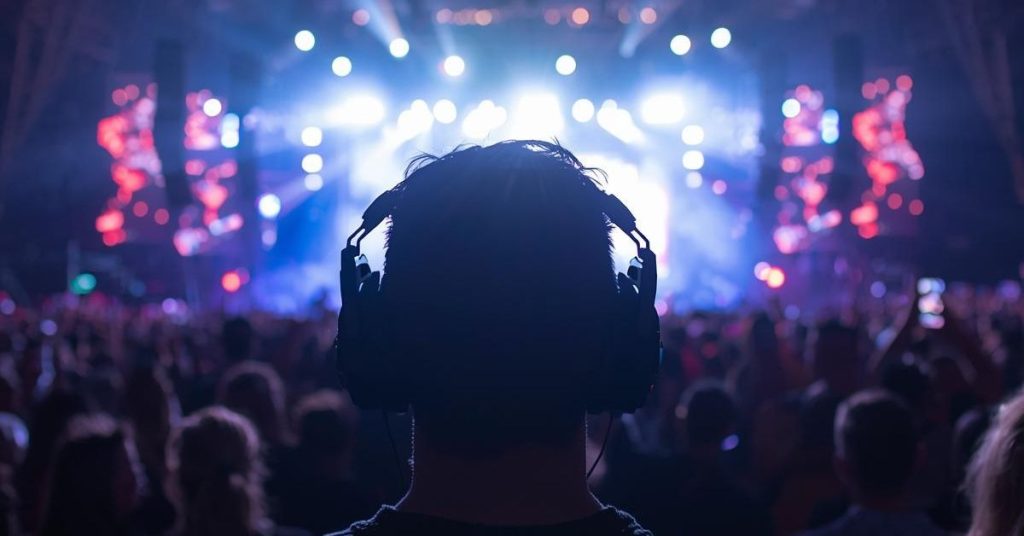
Exposure to loud noise is something many of us experience daily, often without realizing the potential impact on our hearing. From bustling city streets and crowded concerts to power tools at home, noise is all around us—and prolonged exposure can quietly damage your ears over time. Understanding how long you can safely be in loud environments is essential, especially for adults over 50, caregivers, and anyone already experiencing hearing challenges.
Hearing loss is often gradual, making it easy to ignore until it significantly affects daily life. Even temporary ringing in the ears or muffled hearing after a loud event is a warning sign that your auditory system has been stressed. By learning safe exposure times, recognizing risky environments, and adopting preventive habits, you can protect your hearing and maintain a better quality of life for years to come.
This article provides a complete guide to understanding loud noise, how it affects your hearing, and practical strategies to minimize risk. We’ll explore safe noise levels, how long you can safely remain in different loud environments, and what steps to take if you suspect your hearing is being compromised. Whether you love live music, DIY projects, or simply want to safeguard your ears, this guide will help you make informed decisions to protect one of your most vital senses.
Understanding Noise and Decibels
To protect your hearing, it’s important to understand what noise really is and how it’s measured. Sound is essentially vibrations that travel through the air and are picked up by your ears. The intensity of these vibrations determines how loud a sound appears to us, and this intensity is measured in decibels (dB). The decibel scale is logarithmic, which means that a small increase in dB represents a much larger increase in sound intensity. For example, a 10 dB increase roughly doubles the perceived loudness, even though the energy is actually ten times greater.
Everyday sounds fall into different decibel ranges. A quiet conversation is about 60 dB, traffic noise around 70–80 dB, and a rock concert or power tools can reach 100–120 dB. Exposure to sounds above 85 dB for extended periods can begin to damage the delicate structures of the inner ear. It’s not just extremely loud noises that are dangerous—repeated exposure to moderately loud sounds over time can also contribute to hearing loss.
Another key factor is duration. The longer your ears are exposed to a loud environment, the higher the risk of damage. Occupational safety organizations like OSHA provide guidelines that pair noise levels with safe exposure times. For instance, 85 dB is generally considered safe for up to eight hours, while 100 dB may only be safe for 15 minutes. Noise levels above 120 dB, such as gunshots or fireworks, can cause immediate, permanent damage, even with brief exposure.
Cumulative exposure also plays a significant role. Even if a single event doesn’t cause noticeable damage, repeated loud noise over months or years can slowly wear down your hearing. Understanding decibels and safe exposure times allows you to make informed choices, whether it’s turning down the volume, taking breaks, or wearing protective earplugs.
How Loud Noise Affects Your Hearing
Loud noise doesn’t just make it hard to hear in the moment—it can have both immediate and long-term effects on your ears. Understanding how sound impacts your auditory system can help you take action before permanent damage occurs.
Short-Term Effects
Even brief exposure to loud environments can temporarily stress your ears. Common short-term effects include:
Tinnitus – a ringing, buzzing, or hissing sound in the ears after exposure.
Temporary hearing loss – sounds may seem muffled for hours or even a day after loud events.
Ear discomfort or pain – high decibel levels can cause a feeling of fullness or pressure.
These effects usually resolve on their own, but they’re warning signs that your ears are being pushed beyond safe limits. Repeated short-term exposures without protection can lead to cumulative damage.
Long-Term Effects
Prolonged or repeated exposure to loud noise can cause permanent damage to the delicate structures of the inner ear, particularly the hair cells in the cochlea. Unlike other cells in the body, these hair cells do not regenerate, meaning that damage is irreversible. Long-term effects include:
Noise-induced hearing loss (NIHL) – gradual decline in hearing, especially high-frequency sounds.
Persistent tinnitus – chronic ringing or buzzing that can interfere with sleep and concentration.
Difficulty understanding speech – particularly in noisy environments, which can impact social interactions and quality of life.
Why Older Adults Are More Vulnerable
Hearing naturally declines with age, a process known as presbycusis. When combined with long-term exposure to loud noise, this can accelerate hearing loss. Adults over 50 may notice they need higher volumes for TV or conversations and may be more sensitive to noise-related stress on the ears. Protecting hearing becomes increasingly important as we age, because the ability to recover from auditory damage diminishes.
Cumulative Effects
Hearing damage is cumulative, meaning that even moderate exposure over months and years adds up. This is why it’s crucial to monitor both the volume and duration of noise in your daily life, from commuting and household chores to music and social events.
Safe Exposure Times and Guidelines
Knowing how long you can safely be in loud environments is essential for protecting your hearing. Safety depends on both the volume of the noise (measured in decibels) and the duration of exposure. Health organizations like OSHA (Occupational Safety and Health Administration) and the World Health Organization provide guidelines to help minimize the risk of noise-induced hearing damage.
Noise Level and Safe Exposure
Here’s a practical breakdown of common noise levels and recommended exposure times:
| Noise Level (dB) | Example | Safe Exposure Time |
|---|---|---|
| 60 dB | Normal conversation | Unlimited |
| 70 dB | Busy street, vacuum cleaner | Several hours |
| 85 dB | Heavy traffic, lawnmower | Up to 8 hours |
| 90 dB | Power tools, motorcycles | About 2 hours |
| 100 dB | Nightclubs, concerts | 15 minutes |
| 110–120 dB | Firearms, rock concerts | Less than 5 minutes |
| 120+ dB | Jet engine, fireworks | Immediate risk of damage |
Key Points:
Every 3 dB increase roughly halves safe exposure time.
Cumulative exposure matters—multiple short sessions can add up.
Children and older adults may be more susceptible to hearing damage at lower noise levels.
Practical Guidelines to Follow
Use hearing protection such as earplugs or earmuffs when exposure is unavoidable.
Take breaks from noisy environments to give your ears time to recover.
Monitor noise levels with smartphone apps or personal decibel meters when possible.
Follow the 60/60 rule for headphones: listen at no more than 60% of maximum volume for 60 minutes at a time.
Practical Tips to Protect Your Hearing
Protecting your hearing doesn’t have to be complicated. With a few simple strategies, you can enjoy daily activities and loud events while minimizing the risk of long-term damage.
Use Hearing Protection
Ear protection is one of the most effective methods. Options include:
Foam earplugs: Affordable, disposable, and reduce noise by 20–30 dB.
Custom-molded earplugs: Fit perfectly, ideal for musicians or frequent concert-goers.
Earmuffs: Cover the entire ear, effective in industrial or home workshop settings.
Even a few minutes of exposure to extremely loud noise can be harmful without protection.
Reduce Volume and Duration
Lower the volume: When using headphones, aim for 60% of maximum volume.
Take breaks: After an hour in a loud environment, step into a quieter space for at least 10 minutes.
Limit exposure at events: Sit further from speakers or noisy areas when possible.
Modify Your Environment
Control household noise: Use quieter appliances, maintain power tools, and close windows during street noise.
Soundproof spaces: Carpets, curtains, and acoustic panels can reduce ambient noise at home.
Regular Hearing Checkups
Adults over 50 or those frequently exposed to loud noise should schedule annual hearing tests. Early detection allows for intervention before permanent damage occurs.
Lifestyle and Awareness
Stay informed: Use decibel apps to monitor noise levels.
Educate family and caregivers: Encourage safe noise practices for children and household members.
Avoid hidden noise: Everyday sources like hair dryers, leaf blowers, or headphones can gradually contribute to hearing loss.
Signs You May Have Noise-Induced Hearing Damage
Even with precautions, it’s important to recognize early warning signs.
Common Early Warning Signs
Tinnitus – ringing, buzzing, or hissing sounds after noise exposure.
Muffled Hearing – sounds seem quieter or less clear, especially after loud environments.
Difficulty Understanding Speech – especially in noisy settings.
Ear Fullness or Pressure – sensation of blocked ears following noise exposure.
When to See a Hearing Specialist
Schedule a hearing evaluation if you notice any of these signs. Early intervention may include:
Professional hearing tests to determine degree and type of hearing loss.
Recommendations for hearing protection and strategies to prevent further damage.
Hearing aids or assistive devices if necessary.
Preventive Steps if Damage is Suspected
Limit further exposure to loud noise until evaluated.
Use high-quality ear protection consistently.
Track symptoms to help your audiologist understand the severity.
Adopt quieter lifestyle habits, such as lowering TV or music volume.
Conclusion
Hearing is one of our most vital senses, yet it is often taken for granted—especially when it comes to exposure to loud noise. Understanding safe exposure limits, recognizing early signs of hearing damage, and implementing practical protective measures are essential to preserving your hearing.
From household sounds to concerts, power tools, and traffic, noise is unavoidable. Awareness of safe exposure limits and cumulative effects can make a significant difference. Wearing ear protection, taking breaks, and monitoring hearing health can prevent long-term damage.
For adults over 50, caregivers, and anyone with hearing concerns, proactive habits are crucial. By prioritizing hearing safety and acting early, you can maintain better hearing, improve communication, and enhance quality of life. Prevention is always more effective than treatment.
FAQ
How long can I safely be at a concert or nightclub?
Exposure to loud environments like concerts or nightclubs, which typically reach 100 dB, should generally be limited to about 15 minutes without hearing protection. Using high-quality earplugs can extend safe exposure.
Can listening to headphones cause hearing loss?
Yes. Listening at high volumes for extended periods can damage hearing. The 60/60 rule—no more than 60% volume for 60 minutes at a time—helps protect your ears.
What are the first signs of noise-induced hearing loss?
Early signs include tinnitus, muffled hearing, difficulty understanding speech in noisy environments, and ear fullness or pressure after noise exposure.
Are older adults more at risk of noise-induced hearing loss?
Yes. Age-related hearing decline (presbycusis) increases susceptibility to noise-induced damage. Adults over 50 should monitor exposure and protect their hearing.
Can hearing damage from loud noise be reversed?
No. Permanent noise-induced hearing loss cannot be reversed, as inner ear hair cells do not regenerate. However, further damage can be prevented, and hearing aids can help manage loss.
This article is for informational purposes only and is not a substitute for professional medical advice, diagnosis, or treatment. If you are concerned about your hearing or ear health, please consult a qualified healthcare provider.