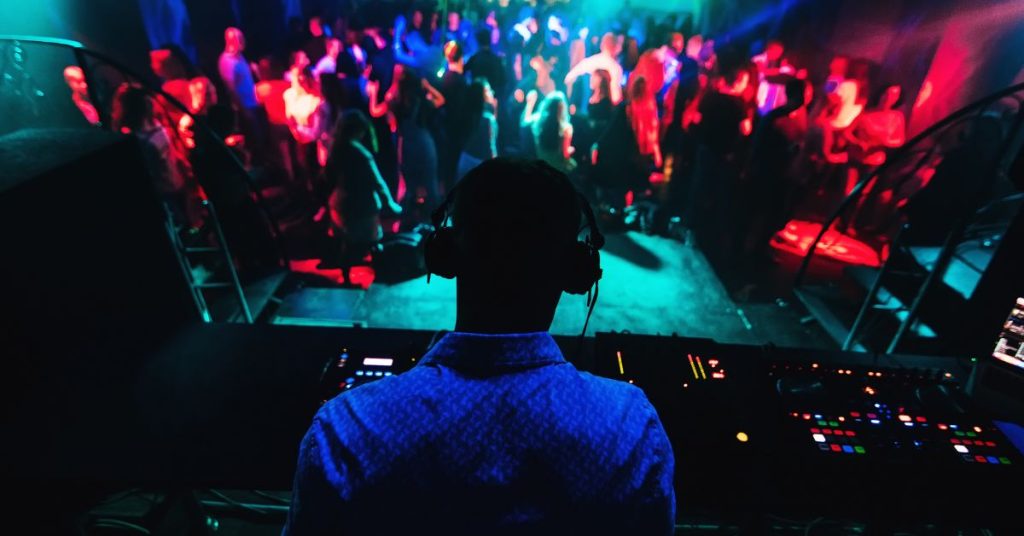
Concerts and nightclubs are vibrant spaces filled with energy, music, and social interaction. The pounding bass, soaring vocals, and rhythmic beats can make for unforgettable experiences. But while these environments are exciting, they often come with a hidden risk: high noise levels that can damage your hearing. Many people enjoy live music without realizing that exposure to loud sounds—even for short periods—can lead to temporary discomfort or permanent hearing loss over time.
Understanding how loud is “too loud” is key to enjoying music safely. Sound is measured in decibels (dB), and prolonged exposure to levels above 85 dB can be harmful. For context, a typical conversation occurs around 60 dB, while concerts and clubs often exceed 100 dB, sometimes reaching levels comparable to a chainsaw or jet engine. This makes it crucial to be aware of your surroundings and take steps to protect your ears, particularly if you attend events frequently.
In this article, we’ll explore the science behind sound and hearing, examine typical noise levels at concerts and clubs, outline the short- and long-term effects of loud music, and offer practical strategies to safeguard your hearing. By understanding the risks and adopting simple protective measures, you can continue to enjoy live music without compromising your auditory health.
The Science of Sound and Hearing
Sound is essentially vibrations traveling through the air that our ears detect and interpret as music, speech, or noise. These vibrations are measured in decibels (dB), a scale that quantifies sound intensity. For perspective, normal conversation usually measures around 60 dB, city traffic hovers near 70–85 dB, and many concerts or clubs often reach 100–120 dB. The scale is logarithmic, meaning that an increase of just 10 dB represents a tenfold increase in sound intensity. In other words, a 100 dB concert is not just slightly louder than city traffic—it is significantly more intense and potentially damaging to the ear.
The ear has three main parts: the outer ear, middle ear, and inner ear. The outer ear collects sound waves, which then travel through the middle ear to vibrate the tiny hair cells in the cochlea of the inner ear. These hair cells are critical because they convert vibrations into electrical signals that the brain interprets as sound. Unfortunately, these hair cells are fragile, and prolonged exposure to high noise levels can damage or destroy them. Once damaged, these cells do not regenerate, leading to permanent hearing loss.
High-intensity sound can also trigger a temporary threshold shift, where hearing sensitivity decreases for a few hours after exposure. This often manifests as muffled hearing or a ringing sensation known as tinnitus. If exposure to loud noise is repeated without protection, the temporary damage can become permanent, resulting in noise-induced hearing loss (NIHL).
Understanding these mechanics highlights why concerts and clubs can be risky for your hearing. Even if the music sounds enjoyable or “just a little loud,” your ears may be absorbing more damage than you realize. By knowing how sound levels affect hearing and the warning signs of overexposure, you can make informed choices to protect yourself while still enjoying live music.
Typical Noise Levels at Concerts and Clubs
Live music venues, nightclubs, and concerts are designed to deliver an immersive audio experience, often resulting in very high noise levels. Understanding just how loud these environments can get is essential for protecting your hearing. On average, concerts and clubs frequently reach 100–120 decibels (dB), with some electronic dance music (EDM) events or rock concerts peaking at 120–130 dB near the speakers. For context, a lawnmower operates around 90 dB, and a jet engine at takeoff can hit 140 dB, which is dangerously loud. Even brief exposure to these levels without protection can put your hearing at risk.
The intensity of sound in a venue depends on several factors. The type of music, the venue size, speaker placement, and crowd density all influence how loud it feels at different points in the room. For example, standing near the front row or close to large subwoofers can dramatically increase your exposure, while sitting farther back may reduce the risk somewhat. However, even moderate distances often expose attendees to harmful sound levels, especially over several hours.
Duration of exposure is just as important as volume. The Occupational Safety and Health Administration (OSHA) recommends a maximum exposure of 8 hours at 85 dB, but every 3 dB increase in volume halves the safe exposure time. At 100 dB, the safe exposure drops to just 15 minutes, and at 110 dB, it’s under 2 minutes. Many concert-goers spend multiple hours in loud environments, which compounds the risk of hearing damage.
It’s also worth noting that the cumulative effect of repeated exposure can be significant. Regularly attending loud events without protection accelerates noise-induced hearing loss, even if each individual visit seems harmless. Age-related hearing changes can further exacerbate the impact, making it especially important for adults over 50 to monitor their listening habits.
By understanding typical decibel ranges and exposure limits, you can make smarter choices—like using earplugs, taking breaks, or choosing seating farther from speakers—to protect your hearing while still enjoying the music.
Short- and Long-Term Effects of Loud Music
Exposure to loud music at concerts and clubs can affect your hearing in both immediate and lasting ways. Short-term effects often include ringing in the ears, muffled hearing, or temporary sensitivity loss—technically called a temporary threshold shift. After leaving a loud environment, your hearing may gradually return to normal within hours or a day. While this may feel harmless, repeated short-term exposure can accumulate and begin to cause permanent damage over time.
One of the most common consequences of prolonged exposure to high noise levels is tinnitus, the perception of ringing, buzzing, or hissing in the ears. Tinnitus can vary from mild and occasional to constant and disruptive, impacting concentration, sleep, and overall quality of life. For some, tinnitus becomes a chronic condition that persists long after leaving the noisy environment.
Long-term effects include noise-induced hearing loss (NIHL), which is irreversible. The tiny hair cells in the cochlea, responsible for translating sound waves into nerve signals, are permanently damaged by repeated exposure to high decibel levels. This often begins with difficulty hearing high-frequency sounds, such as birds chirping, phone notifications, or consonants in speech like “s” and “t.” Over time, this can progress to more generalized hearing loss, making conversations in crowded spaces or noisy restaurants challenging.
High-volume music exposure may also exacerbate age-related hearing decline. For adults over 50, the combination of presbycusis (natural age-related hearing loss) and repeated loud music exposure can accelerate hearing difficulties, reducing clarity of speech and overall auditory comfort. Additionally, hearing damage can indirectly affect mental health, increasing the risk of social withdrawal, anxiety, and even cognitive decline due to reduced auditory stimulation.
Recognizing these risks highlights the importance of preventive measures. Even if immediate symptoms seem minor, consistent exposure to high decibel levels is cumulative. Simple steps such as wearing earplugs, limiting the duration of exposure, and taking “quiet breaks” can significantly reduce both short-term discomfort and long-term damage, allowing you to enjoy live music safely for years to come.
Protective Measures for Safe Listening
Fortunately, there are several effective strategies to enjoy concerts and clubs while minimizing the risk of hearing damage. Hearing protection is the first and most straightforward step. High-fidelity earplugs are designed specifically for music lovers—they reduce volume evenly across frequencies, preserving sound quality while lowering overall decibels. Unlike foam earplugs, which can distort music, these specialized plugs allow you to enjoy the rhythm and clarity of live performances safely.
Distance matters. The closer you are to speakers, subwoofers, or the stage, the louder the sound. Standing a few meters back can reduce exposure significantly without compromising your concert experience. Similarly, being aware of the venue’s acoustics and avoiding enclosed, highly reflective spaces near sound sources can help limit harmful exposure.
Time management is another key strategy. Limit how long you spend in loud environments. Even at 100 dB, safe exposure is roughly 15 minutes before the risk increases. Take breaks in quieter areas or step outside periodically to give your ears a chance to recover. This practice can prevent cumulative damage and reduce the likelihood of temporary threshold shifts or ringing.
Monitoring your exposure is increasingly easy with technology. Smartphone apps and wearable devices can measure decibel levels in real-time, alerting you when the environment becomes unsafe. By staying informed, you can make proactive decisions to protect your hearing throughout the night.
Finally, educating venue operators and event organizers about hearing health is important. Many venues now provide earplugs at entry points or implement sound level limits to balance entertainment and safety. Advocating for such measures not only benefits your hearing but also supports a safer environment for all attendees.
By combining ear protection, strategic positioning, exposure management, and awareness, you can significantly reduce your risk of hearing loss while still enjoying the energy and excitement of concerts and clubs. Small habits implemented consistently can make a lifetime of difference for your auditory health.
When to Seek Professional Help
Even with careful precautions, it’s important to recognize when loud music exposure may have caused harm that requires professional attention. Warning signs include persistent ringing or buzzing in the ears (tinnitus), difficulty understanding conversations, muffled hearing, or sensitivity to certain frequencies. If these symptoms last more than 24–48 hours after attending a loud event, it’s a strong indicator that your ears may have sustained damage.
Consulting an audiologist or ear, nose, and throat (ENT) specialist is the best way to assess your hearing health. These professionals can perform comprehensive hearing tests to detect both temporary and permanent threshold shifts. Early detection of noise-induced hearing loss allows for timely interventions, which may include hearing aids, sound therapy for tinnitus, or guidance on further protective strategies.
It’s also important to seek help if you notice a gradual decline in your ability to hear high-pitched sounds or follow conversations in noisy settings. Often, people adapt to subtle hearing loss without realizing it, which can lead to social withdrawal, reduced quality of life, and increased cognitive strain. Early consultation ensures you maintain optimal hearing function and prevents further damage from repeated exposure.
Additionally, professionals can provide personalized advice tailored to your lifestyle. They can recommend specific types of earplugs, strategies for safe music enjoyment, and monitoring techniques to ensure your hearing remains protected at concerts and clubs. For older adults or frequent concert-goers, professional guidance is particularly valuable, as age-related hearing changes can compound noise-induced damage.
Ultimately, seeking professional help is not just about treating damage—it’s about prevention, education, and empowering you to enjoy music safely without compromising long-term auditory health.
Conclusion
Concerts and clubs offer unforgettable experiences, bringing people together through the power of music. Yet the high noise levels common in these venues can pose a serious risk to your hearing if precautions aren’t taken. Understanding how loud is “too loud,” recognizing the effects of prolonged exposure, and adopting protective measures are essential steps for enjoying live music safely.
From the science of sound and hearing to the typical decibel levels found in concerts, it’s clear that even short-term exposure to high volumes can have lasting consequences. Noise-induced hearing loss and tinnitus are preventable, but only if proactive steps—such as using high-fidelity earplugs, managing distance from speakers, and taking regular breaks—are implemented. Monitoring your hearing and seeking professional advice when warning signs appear can further protect your auditory health.
Ultimately, protecting your hearing doesn’t mean missing out on fun. By being mindful of noise levels, taking simple precautions, and staying informed, you can continue to experience the joy of live music while preserving your hearing for years to come. Enjoy the rhythm, the melodies, and the atmosphere, but let safety be part of the soundtrack.
FAQ
What decibel levels are considered safe for concerts and clubs?
Sounds up to 85 dB are generally considered safe for prolonged exposure. At concerts and clubs, noise often exceeds 100 dB, which can become harmful in just minutes. Using ear protection and limiting time near speakers helps reduce risk.
Can I prevent tinnitus from attending loud events?
Yes. Wearing high-fidelity earplugs, taking breaks in quieter areas, and monitoring exposure time can significantly lower the chance of developing tinnitus. Consistent protective habits are key to prevention.
Are regular earplugs enough to protect my hearing?
Standard foam earplugs reduce volume but may distort music, which can affect enjoyment. High-fidelity earplugs are recommended for concerts, as they reduce overall sound evenly while preserving clarity and musical quality.
How do I know if I have hearing damage from loud music?
Warning signs include ringing or buzzing in the ears, muffled hearing, or difficulty understanding conversations, especially in noisy environments. If these symptoms persist, consulting an audiologist is recommended for assessment and guidance.
Is it too late to protect my hearing if I’m over 50?
It’s never too late. While age-related hearing loss may already be present, protective measures can prevent further damage. Early detection, hearing tests, and consistent use of ear protection can preserve hearing and improve quality of life.
This article is for informational purposes only and is not a substitute for professional medical advice, diagnosis, or treatment. If you are concerned about your hearing or ear health, please consult a qualified healthcare provider.