Music is a universal language, bringing joy, connection, and inspiration to performers and audiences alike. For musicians, however, the very thing that fuels their passion—their sound—can also pose a hidden risk: hearing damage. Years of exposure to loud instruments, amplified stages, and prolonged rehearsals can lead to noise-induced hearing loss, tinnitus, or other auditory issues that may impact a musician’s career and quality of life.
Fortunately, hearing protection doesn’t mean sacrificing sound quality. Modern solutions allow musicians to safeguard their ears while still enjoying the full richness and nuance of music. From custom earplugs to in-ear monitors, there are tools and strategies designed specifically for performers to prevent long-term damage without compromising performance.
In this article, we’ll explore the risks musicians face, the types of hearing protection available, tips for selecting the right devices, and practical ways to maintain ear health. Whether you’re a professional performer, a weekend band member, or a passionate hobbyist, learning how to protect your hearing is essential for enjoying music for decades to come.
Understanding Hearing Loss in Musicians
Musicians face a unique set of auditory challenges due to their constant exposure to high sound levels. Unlike occasional loud noises, the sustained and repetitive nature of musical environments—rehearsals, concerts, and studio sessions—can gradually damage delicate structures in the inner ear. Understanding these risks is the first step toward effective prevention.
Noise-Induced Hearing Loss
Noise-induced hearing loss (NIHL) occurs when the sensitive hair cells in the cochlea are damaged by prolonged exposure to loud sounds. Unlike other forms of hearing loss, NIHL is largely preventable, but once it occurs, it is permanent. Musicians are particularly susceptible because they often spend hours immersed in amplified music. Even sounds below pain thresholds can accumulate over time, leading to subtle but progressive hearing loss.
Tinnitus and Other Auditory Issues
Tinnitus, a persistent ringing or buzzing in the ears, is a common symptom experienced by musicians. While it may start as temporary after a concert or rehearsal, repeated exposure can make it chronic, affecting concentration, sleep, and overall well-being. Some musicians may also develop hyperacusis, an increased sensitivity to everyday sounds, making normal listening uncomfortable.
Early Warning Signs
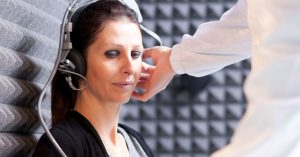
Recognizing the early signs of hearing damage is critical. Musicians may notice difficulty distinguishing high-pitched notes, muffled hearing after rehearsals, or temporary ringing in the ears. Ignoring these warning signs can accelerate the progression of hearing loss. Regular hearing assessments with an audiologist can help detect early changes and guide protective measures.
Long-Term Consequences
Without proper protection, the cumulative effects of loud music can compromise a musician’s career and daily life. Beyond reduced auditory clarity, untreated hearing loss can affect mental health, communication, and even professional opportunities. Protecting your ears early ensures that you can continue performing and enjoying music for years to come.
By understanding these risks, musicians can make informed choices about how to safeguard their hearing while still embracing their passion for sound.
Types of Hearing Protection for Musicians
Protecting your hearing doesn’t mean sacrificing musical enjoyment. Today, a variety of hearing protection options cater specifically to musicians, balancing safety with sound fidelity. Choosing the right type depends on your instrument, playing environment, and personal comfort.
Custom Molded Earplugs
Custom molded earplugs are tailored to the shape of your ears, providing a secure fit and superior comfort. They typically use high-fidelity filters that reduce sound evenly across frequencies, so music remains clear but quieter. This makes them ideal for live performances, studio work, and rehearsals, offering protection without distorting the nuances of your instrument.
Pros: Excellent comfort, durable, maintains sound clarity
Cons: Higher upfront cost, requires professional fitting
Universal Foam Earplugs
Foam earplugs are inexpensive, widely available, and easy to use. They are particularly useful for casual practice sessions or situations where you need temporary protection. However, they tend to muffle sound more than custom or musician-specific earplugs, which may make them less suitable for performance settings.
Pros: Affordable, disposable, easy to carry
Cons: Can distort sound, less comfortable for extended use
In-Ear Monitors (IEMs)
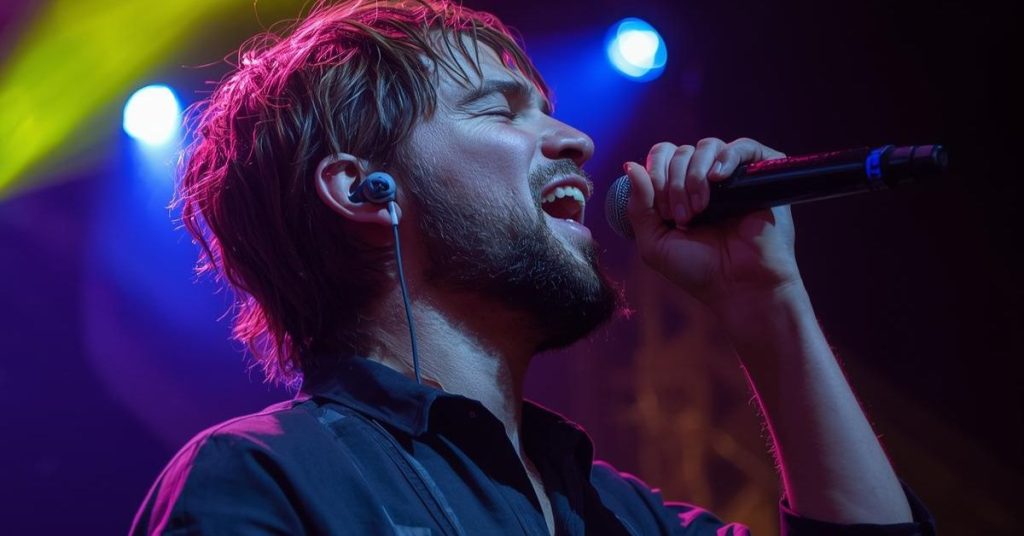
In-ear monitors combine hearing protection with precise audio delivery. They allow musicians to hear themselves and other performers at safe volumes while isolating external noise. IEMs are especially popular among touring bands and professional musicians, as they can be customized to match individual hearing profiles and stage requirements.
Pros: Personalized sound, excellent noise isolation, reduces stage volume exposure
Cons: Expensive, requires technical setup
Electronic Protection Devices
Electronic earplugs or earmuffs feature built-in microphones that amplify quiet sounds while limiting loud ones. These devices are beneficial for musicians in variable environments, such as orchestras or recording studios, where sudden peaks in volume are common. They provide dynamic protection, maintaining clarity without exposing ears to harmful decibel levels.
Pros: Protects against sudden loud sounds, maintains clarity, adjustable
Cons: Costly, requires battery or charging, can be bulky
Choosing the Right Option
Each type of hearing protection serves a different purpose. Many musicians use a combination: custom earplugs for performances, foam plugs for casual practice, and IEMs for stage monitoring. Understanding the specific demands of your musical environment and personal comfort will help you make the best choice.
With the right tools, musicians can preserve their hearing while still enjoying every note, chord, and melody they create.
How to Choose the Right Hearing Protection
Selecting the right hearing protection is a crucial step for musicians who want to preserve their hearing without compromising performance. With multiple options available, it’s important to consider your instrument, practice habits, performance settings, and personal preferences.
Consider Your Instrument and Musical Environment
Different instruments produce varying sound levels and frequency ranges, which influence the type of protection you need. For example:
Drummers and percussionists: Often exposed to sudden high-decibel bursts, so electronic protection or high-fidelity earplugs with strong attenuation may be ideal.
Guitarists and bassists: Amplified instruments can reach damaging volumes, but sound clarity is essential; custom earplugs or in-ear monitors work well.
Vocalists and classical musicians: Require nuanced sound reproduction; low-attenuation musician earplugs preserve tonal balance.
Additionally, consider your performance environment—small rehearsal rooms, outdoor stages, or concert halls—all have different acoustic characteristics that affect how sound interacts with your ears.
Evaluate Comfort and Fit
Comfort is essential, especially during long rehearsals or performances. Poorly fitting earplugs can cause discomfort, fall out, or lead to inconsistent use, reducing their effectiveness. Custom-molded earplugs, though more expensive, provide superior comfort and secure fit, making them a worthwhile investment for serious musicians.
Check Noise Reduction Ratings (NRR)
Noise Reduction Rating (NRR) measures how much a device reduces sound in decibels. Musicians don’t always need maximum attenuation, as extreme reduction can distort music. Instead, choose protection that lowers volume to safe levels (generally below 85 dB) while maintaining sound fidelity. Musician-specific earplugs and in-ear monitors are designed with this balance in mind.
Test Before Committing
Whenever possible, try different types of ear protection before making a long-term commitment. Many audiologists, music stores, or specialized vendors offer trial sessions so you can assess comfort, sound quality, and usability. This ensures you select a solution that meets both your hearing protection needs and musical performance standards.
Maintenance and Longevity
Proper care prolongs the life and effectiveness of hearing protection. Regularly clean earplugs, store them in protective cases, and replace filters or components as recommended. Keeping your devices in good condition ensures consistent protection and optimal sound quality.
By considering these factors, musicians can choose hearing protection that fits their lifestyle, preserves their hearing, and allows them to continue performing at their best.
Tips for Maintaining Ear Health as a Musician
Protecting your hearing goes beyond using earplugs or in-ear monitors. Maintaining long-term ear health requires a combination of proactive habits, environmental awareness, and regular monitoring. Musicians who adopt these strategies can reduce the risk of hearing loss and enjoy a sustainable career.
Manage Volume Levels
One of the simplest ways to protect your hearing is by controlling the volume during practice and performance. Even short exposures to extremely loud sound can be damaging. Consider these tips:
Keep rehearsal volumes moderate whenever possible.
Use amplifiers and speakers at safe levels, especially in enclosed spaces.
Avoid positioning yourself directly in front of loud instruments or speakers for extended periods.
Take Listening Breaks
Continuous exposure to music, even at moderate volumes, can fatigue the auditory system. Schedule regular breaks during rehearsals or studio sessions to give your ears time to recover. A 5–10 minute break every hour can significantly reduce cumulative stress on your hearing.
Monitor Your Hearing Regularly
Routine audiology check-ups are essential for detecting early signs of hearing damage. Early intervention allows you to adjust protection strategies before damage becomes permanent. Audiologists can also recommend personalized hearing solutions, such as custom earplugs with frequency-specific filters tailored to your needs.
Incorporate Lifestyle and Environmental Adjustments
Certain lifestyle habits can support ear health:
Avoid excessive exposure to loud environments outside of music, such as concerts or nightclubs, without protection.
Manage stress and fatigue, as they can exacerbate tinnitus or hearing sensitivity.
Stay hydrated and maintain cardiovascular health, as good circulation supports overall auditory function.
Educate Yourself and Your Team
Musicians often work in collaborative environments. Educating fellow band members, sound engineers, and crew about safe listening practices ensures everyone benefits from a hearing-conscious environment. Using visual cues for volume adjustments, employing stage barriers, or adjusting monitor positions can collectively reduce risk.
By combining ear protection with these proactive strategies, musicians can maintain optimal auditory health while continuing to perform at their best. Protecting your ears today preserves your ability to enjoy music for decades to come.
Overcoming Common Myths About Hearing Protection
Despite the availability of high-quality hearing protection, many musicians hesitate to use it due to misconceptions. Debunking these myths is essential for promoting consistent use and long-term ear health.
Myth: Earplugs Ruin Sound Quality
Many musicians believe that earplugs distort music, making it impossible to hear nuances. In reality, musician-specific earplugs and custom molds are designed to reduce volume evenly across frequencies, preserving clarity and tonal balance. High-fidelity earplugs allow performers to hear every note accurately while still protecting their ears.
Myth: Only Loud Concerts Cause Hearing Damage
Hearing loss isn’t limited to extreme volume levels. Even moderate, consistent exposure over time—such as daily rehearsals or repeated studio sessions—can lead to noise-induced hearing loss. Musicians should treat all prolonged exposure to amplified or loud instruments as potentially harmful.
Myth: Hearing Protection Is Only for Older Musicians
Young and aspiring musicians are often the most at risk because of prolonged exposure without protection. Starting protective habits early ensures long-term hearing health and helps prevent early onset of tinnitus or hearing loss. Ear protection isn’t just for seasoned professionals; it’s for anyone who values their hearing.
Myth: Earplugs Are Uncomfortable and Distracting
Modern ear protection options are far more comfortable than older models. Custom-molded earplugs, in-ear monitors, and adjustable electronic devices are designed for long-term wear, with ergonomic shapes that fit securely without distraction. Properly fitted devices can feel almost like a natural extension of your ears.
Myth: Temporary Ringing Is Nothing to Worry About
Even temporary tinnitus after a rehearsal or performance is a warning sign. Repeated episodes indicate that your ears are under stress and could eventually sustain permanent damage. Taking these early signals seriously and incorporating protection can prevent long-term hearing issues.
By understanding the facts and debunking these myths, musicians can confidently incorporate hearing protection into their daily routines. Protection doesn’t compromise performance—it ensures that music can be enjoyed safely for a lifetime.
Conclusion
Hearing is an invaluable asset for musicians, integral to both performance and enjoyment. Yet, without proactive protection, years of exposure to loud music can lead to permanent hearing loss, tinnitus, or other auditory challenges. The good news is that today’s hearing protection solutions—ranging from custom earplugs to in-ear monitors—allow musicians to safeguard their ears while preserving sound quality.
Understanding the risks, selecting the right protection, and adopting healthy listening habits are essential steps in maintaining ear health. Simple strategies such as controlling volume, taking listening breaks, and scheduling regular audiology check-ups can significantly reduce the likelihood of long-term damage. Additionally, debunking common myths encourages musicians to embrace protection without fear of compromising performance.
By prioritizing hearing care now, musicians ensure they can continue performing, creating, and enjoying music for decades. Safe listening doesn’t just preserve your career—it enhances your overall quality of life, allowing the music to remain a source of joy and inspiration. Protect your ears today, and your future self will thank you.
FAQ
What is the best type of earplugs for musicians?
The best earplugs for musicians are high-fidelity or custom-molded earplugs. They reduce volume evenly across frequencies, preserving sound clarity while protecting hearing. Custom molds provide a secure, comfortable fit, making them ideal for long rehearsals and performances.
Can hearing protection affect my ability to perform?
When properly chosen, hearing protection does not negatively affect performance. Musician-specific earplugs and in-ear monitors maintain tonal balance and allow accurate hearing of instruments and vocals. In fact, protecting your ears can improve long-term performance by preventing fatigue and hearing damage.
How often should musicians have their hearing checked?
Musicians should schedule a professional hearing assessment at least once a year. Regular audiology check-ups help detect early signs of hearing damage, allowing timely adjustments to protection strategies and preventing long-term issues.
Is tinnitus a sign that I already have hearing loss?
Not necessarily, but it is a warning sign. Temporary ringing in the ears can indicate stress on your auditory system. Repeated episodes increase the risk of permanent hearing loss, so it’s important to use protection and consult an audiologist if tinnitus persists.
Are in-ear monitors better than earplugs for stage performances?
In-ear monitors are excellent for stage performances because they deliver personalized sound directly to the ear at safe volumes while isolating external noise. They are particularly beneficial for bands, touring musicians, and situations where precise audio monitoring is critical. However, earplugs may still be preferred for casual practice or rehearsal sessions.
This article is for informational purposes only and is not a substitute for professional medical advice, diagnosis, or treatment. If you are concerned about your hearing or ear health, please consult a qualified healthcare provider.