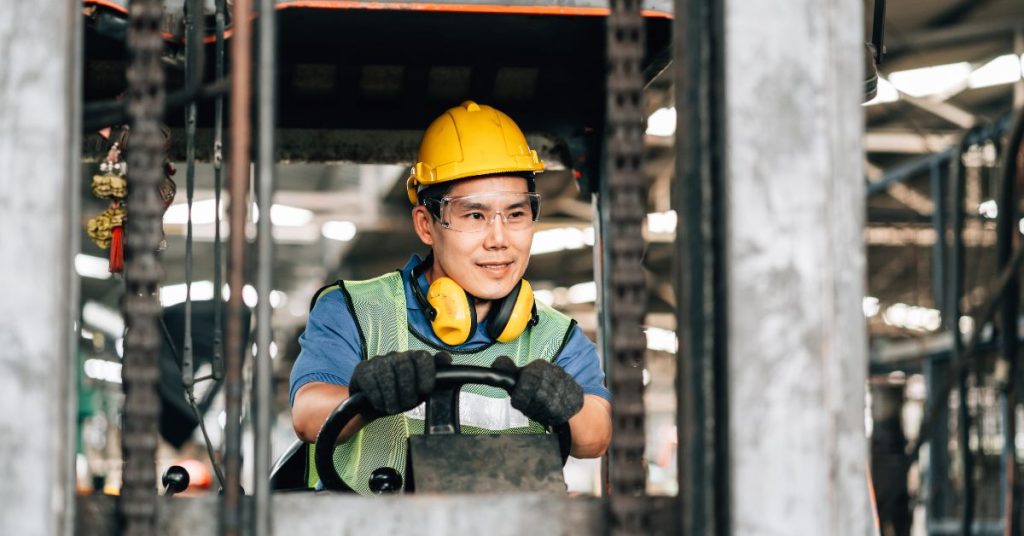
Working in a factory can be physically demanding, mentally challenging, and, for many, extremely loud. From the constant hum of conveyor belts to the clatter of heavy machinery, factory floors are filled with noise that can quietly damage your hearing over time. Yet, hearing loss is often overlooked as a serious workplace hazard—until it’s too late. Protecting your ears isn’t just about comfort; it’s a crucial step in maintaining your long-term health and safety on the job.
In this article, we’ll explore the best hearing protection options for factory workers, helping you understand the risks of industrial noise, the types of protection available, and how to choose the right solution for your specific workplace environment. We’ll also cover advanced technologies that make hearing protection more effective and comfortable, as well as practical tips for ensuring your ears stay safe every day.
By the end of this article, you’ll know exactly how to safeguard your hearing, reduce the risk of noise-induced damage, and enjoy a safer, more productive day at work. Your ears deserve the same level of protection as your hands, eyes, and other vital senses—let’s make sure they get it.
Understanding Noise Hazards in Factories
Factories are inherently noisy environments, often filled with a mix of machinery, tools, and equipment that produce sounds far above safe listening levels. Prolonged exposure to these high-decibel noises can lead to noise-induced hearing loss (NIHL), a permanent and often preventable condition. Understanding the types and sources of noise in factories is the first step toward protecting your hearing effectively.
Common Sources of Factory Noise
Industrial machinery such as presses, grinders, drills, and conveyor systems often generate noise levels exceeding 85 decibels (dB)—the threshold at which prolonged exposure can start to damage hearing. For context, normal conversation is about 60 dB, a lawnmower is around 90 dB, and heavy machinery in factories can reach 100–120 dB. Even brief exposure to extremely loud sounds, like hammering metal or pneumatic tools, can harm sensitive inner ear structures.
How Noise Affects Hearing
The inner ear contains tiny hair cells that transmit sound signals to the brain. Excessive noise damages these hair cells, which do not regenerate, leading to permanent hearing loss. Early signs often include ringing in the ears (tinnitus), difficulty understanding speech in noisy environments, or the need to turn up the volume on devices. Over time, untreated exposure can result in severe hearing impairment.
OSHA Standards and Safe Noise Levels
The Occupational Safety and Health Administration (OSHA) recommends limiting worker exposure to 90 dB over an 8-hour shift, with stricter requirements if noise exceeds this level. Many factories implement hearing conservation programs, which include regular monitoring of noise levels, employee training, and mandatory use of hearing protection in high-noise areas. Understanding these regulations not only helps protect your hearing but also ensures compliance with workplace safety standards.
The Hidden Risks
Noise exposure isn’t limited to just ear damage. Chronic exposure can contribute to stress, fatigue, and reduced concentration, which may increase the risk of accidents. For older adults or those already experiencing mild hearing loss, factory noise can exacerbate communication difficulties, affecting both safety and quality of work.
Types of Hearing Protection
When it comes to protecting your hearing in factories, there isn’t a one-size-fits-all solution. The right device depends on the type of noise, how long you’re exposed, and your personal comfort. Fortunately, there are several reliable options that can keep your ears safe while allowing you to perform your job effectively.
Earplugs
Earplugs are small, flexible devices that fit directly into the ear canal to block out noise. They are often made from foam, silicone, or custom-molded materials.
Pros:
Lightweight and portable
Affordable and widely available
Can provide high levels of noise reduction, especially custom-molded options
Cons:
Must be inserted correctly to be effective
Can become uncomfortable with long-term wear
May interfere with communication if not designed for selective noise reduction
Earmuffs
Earmuffs are worn over the ears and use cushioned cups to reduce noise exposure. They are often adjustable and can be combined with hard hats or safety glasses.
Pros:
Easy to put on and remove
Comfortable for longer shifts compared to earplugs
Can be fitted with electronic features for enhanced protection
Cons:
Bulkier than earplugs
May cause discomfort in hot or humid environments
Can interfere with headgear or glasses if not properly sized
Custom-Molded Devices
For workers who need both comfort and high protection, custom-molded earplugs or earmolds are made to fit the exact shape of your ear. These can also include electronic filters that reduce harmful noise while allowing speech and other important sounds to be heard.
Pros:
Superior comfort and fit
Maximum protection against industrial noise
Can incorporate selective filtering for communication
Cons:
Higher cost than standard earplugs or earmuffs
Requires professional fitting
Not easily interchangeable between users
Key Considerations
When selecting hearing protection, consider the Noise Reduction Rating (NRR), which indicates how much noise the device can block. Higher NRR values offer greater protection, but proper fit and consistent use are essential for effectiveness. Also, think about the duration of exposure, personal comfort, and the type of tasks you perform—these factors will influence which type of protection works best for you.
Choosing the Right Hearing Protection for Your Needs
Selecting the right hearing protection goes beyond picking a device off the shelf. To ensure your ears are fully protected, you need to consider factors like noise levels, comfort, duration of use, and workplace conditions. Proper selection not only safeguards your hearing but also ensures you can work efficiently and comfortably throughout your shift.
Assess Your Workplace Noise Levels
The first step in choosing hearing protection is understanding the noise environment. Tools like sound level meters or smartphone apps can measure decibels at your workstation, but many factories also provide noise maps or perform regular monitoring. If noise regularly exceeds 85 dB, hearing protection is essential. For extremely loud machinery (above 100 dB), high NRR-rated devices or double protection—earplugs plus earmuffs—may be necessary.
Comfort and Fit
Comfort is critical for long-term compliance. Ill-fitting earplugs can cause pain or fall out, while earmuffs that are too tight can create headaches. Custom-molded devices offer the best fit but at a higher cost. When testing devices, wear them for a full shift if possible, ensuring they remain comfortable and do not interfere with other safety gear like helmets or glasses.
Duration and Type of Use
Consider how long you’ll be wearing hearing protection. If your shift involves intermittent loud noise, removable earplugs or electronic earmuffs with auto-attenuation may be ideal. For continuous exposure, well-padded earmuffs or high-quality custom earplugs can provide comfort and sustained protection. Workers moving between quiet and noisy areas may benefit from adaptive hearing protection that reduces noise selectively.
Maintenance and Hygiene
Reusable devices require regular cleaning to prevent infections and maintain effectiveness. Foam earplugs are disposable, while silicone or custom devices need cleaning with mild soap and water. Earmuffs should be checked for worn cushions and replaced periodically. Proper storage, such as a dedicated case, keeps devices safe and hygienic.
When to Upgrade or Double Protect
If you experience persistent ringing in the ears, difficulty hearing conversations, or feel fatigue from noise exposure, it may be time to upgrade your hearing protection. In extremely loud environments, using both earplugs and earmuffs simultaneously can provide the highest level of protection and is recommended by OSHA for certain industrial tasks.
Advanced Hearing Protection Solutions
For factory workers facing high noise levels or complex work environments, traditional earplugs or earmuffs may not always be enough. Advanced hearing protection solutions combine comfort, technology, and functionality to provide superior safety while allowing communication and situational awareness.
Electronic Earmuffs
Electronic earmuffs are designed to reduce harmful noise while amplifying low-level sounds, such as conversations or alarms. They use microphones and speakers to monitor the environment, automatically attenuating loud noises above a certain threshold.
Benefits:
Protects ears from sudden loud sounds without isolating the wearer completely
Enhances communication, improving safety and efficiency
Adjustable settings for different noise levels
Considerations:
Requires batteries, which need regular replacement or charging
More expensive than standard earmuffs
Bulkier than simple earplugs
Noise-Canceling Devices
Active noise-canceling (ANC) hearing protection uses electronics to counteract ambient noise. This technology is especially useful in environments with constant low-frequency sounds, like air compressors or large motors.
Benefits:
Reduces background noise significantly, making long shifts more comfortable
Prevents hearing fatigue caused by constant exposure to industrial noise
Some models allow selective amplification of speech for better communication
Considerations:
Works best for consistent noise, less effective for intermittent loud bursts
Can be expensive and require regular maintenance
Hybrid Solutions
Hybrid devices combine features of earplugs and earmuffs, often providing both passive noise reduction and electronic enhancement. These are ideal for workers exposed to highly variable noise levels or those who need to communicate with colleagues without removing protection.
Benefits:
Maximum noise protection with flexibility for different environments
Reduces the risk of accidental overexposure
Customizable features like Bluetooth connectivity or voice enhancement
Considerations:
Higher initial cost
Learning curve for proper use
Requires battery maintenance for electronic components
Choosing Advanced Protection
Advanced hearing protection is most beneficial for workers who:
Spend extended hours in high-decibel environments
Need to communicate safely without removing protection
Experience noise fatigue or tinnitus from standard devices
Require regulatory compliance in highly industrialized areas
Best Practices for Hearing Protection in Factories
Even the best hearing protection devices are only effective if used correctly and consistently. Developing good habits and following workplace guidelines ensures that your ears remain safe from the damaging effects of industrial noise.
Consistent Use
Hearing protection should be worn anytime you are exposed to loud noise, even if it’s only for a few minutes. Inconsistent use can still result in hearing damage over time. Make it a habit to put on your earplugs or earmuffs before entering noisy areas and remove them only when you’re in a quiet space.
Proper Fit and Adjustment
For maximum protection, earplugs must be inserted fully, and earmuffs should seal completely around the ears. Periodically check the fit during your shift, especially if you’re wearing other safety gear like helmets, goggles, or respirators. Adjust or replace devices that feel loose or uncomfortable.
Cleaning and Maintenance
Reusable hearing protection should be cleaned regularly to maintain hygiene and effectiveness. Foam or disposable earplugs should be replaced after each use, while silicone or custom devices can be washed with mild soap and water. Earmuffs require inspection of cushions and headbands, which may need replacing after extended use. Proper storage in a clean, dry case helps prevent damage and extends the lifespan of your devices.
Training and Education
Workplace training programs can help reinforce the importance of hearing protection. Understanding how noise affects hearing, how to measure decibel levels, and how to use devices properly empowers workers to protect themselves and others. Supervisors should lead by example, modeling proper use and ensuring compliance with safety policies.
Monitoring and Early Intervention
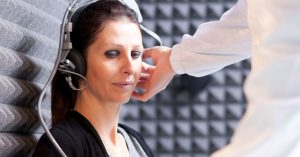
Regular hearing tests are crucial for detecting early signs of hearing loss. Many factories offer audiometric testing as part of their hearing conservation programs. If you notice ringing, muffled hearing, or difficulty understanding speech, consult a professional promptly. Early intervention can prevent further damage and guide you in choosing more effective protection.
Creating a Hearing Safety Culture
Encourage coworkers to wear protection consistently and share tips for comfort and effectiveness. A workplace culture that prioritizes hearing safety reduces accidents, improves communication, and helps everyone maintain long-term auditory health.
Conclusion
Hearing protection is an essential part of workplace safety in factories. With constant exposure to high-decibel machinery and equipment, workers face a real risk of permanent noise-induced hearing loss if their ears are not properly safeguarded. Fortunately, a variety of protective options—from traditional earplugs and earmuffs to advanced electronic and hybrid devices—make it possible to reduce noise exposure without compromising comfort or productivity.
Choosing the right hearing protection starts with understanding your noise environment, considering comfort and fit, and selecting devices appropriate for the duration and intensity of exposure. Advanced technologies, such as electronic earmuffs and noise-canceling devices, provide additional safety and flexibility for workers in challenging conditions. Equally important are best practices: wearing protection consistently, ensuring proper fit, maintaining devices, participating in hearing tests, and fostering a culture of hearing safety in the workplace.
Ultimately, protecting your hearing is about more than avoiding discomfort—it’s about safeguarding your long-term health and quality of life. By taking proactive steps and using the right hearing protection, factory workers can enjoy safer, more productive shifts while preserving one of their most valuable senses.
FAQ
What is the safest type of hearing protection for factory workers?
The safest option depends on noise levels and workplace conditions. For most factory environments, double protection—using earplugs combined with earmuffs—provides the highest level of noise reduction. For comfort and long-term use, custom-molded earplugs or electronic earmuffs with selective filtering are also excellent choices.
How do I know if my hearing protection is effective?
Check the Noise Reduction Rating (NRR) on your device, which indicates the level of protection. Ensure earplugs are fully inserted and earmuffs form a tight seal around your ears. Consistent use during exposure to loud noise and periodic hearing tests can also confirm effectiveness.
Can I wear hearing protection while still communicating with coworkers?
Yes. Advanced options like electronic earmuffs or selective filtering earplugs allow you to hear speech and important signals while blocking harmful noise. Hybrid devices often provide the best balance of protection and situational awareness in busy factory environments.
How often should I replace my hearing protection?
Disposable foam earplugs should be replaced daily. Reusable earplugs or custom devices need regular cleaning and periodic replacement if they show wear or no longer fit snugly. Earmuffs require inspection of cushions and headbands, usually every 6–12 months depending on use.
What are the early signs of noise-induced hearing loss?
Early signs include ringing in the ears (tinnitus), difficulty understanding conversations in noisy environments, or needing higher volumes for phones or music. If you notice these symptoms, consult a healthcare professional promptly and review your hearing protection practices.
This article is for informational purposes only and is not a substitute for professional medical advice, diagnosis, or treatment. If you are concerned about your hearing or ear health, please consult a qualified healthcare provider.