Hearing is one of our most vital senses, allowing us to connect with the world, enjoy conversations, and experience music and nature. Yet, many people don’t realize how easily it can be damaged over time. Hearing loss is not just an inconvenience—it can affect your social life, mental health, and overall well-being. The good news is that a large portion of hearing loss is preventable through simple lifestyle choices and proactive care.
In this article, we’ll explore 10 essential hearing loss prevention tips that can help protect your ears and maintain healthy hearing throughout your life. From reducing exposure to loud noises and adopting healthy habits to scheduling regular checkups and using technology wisely, these practical strategies are designed to empower you to take control of your ear health. Whether you’re already noticing changes in your hearing or want to safeguard it for the future, these tips will give you actionable steps to keep your ears in top condition.
Understanding Hearing Loss
Hearing loss is more common than many people realize, affecting millions of adults worldwide. It can develop gradually over time or occur suddenly, depending on the cause. Understanding the different types and causes of hearing loss is the first step toward prevention.
There are three main types of hearing loss: conductive, sensorineural, and mixed. Conductive hearing loss occurs when sound cannot efficiently travel through the outer or middle ear, often due to ear infections, fluid buildup, or earwax blockage. Sensorineural hearing loss involves damage to the inner ear or auditory nerve, commonly caused by aging, prolonged exposure to loud noise, or certain medications. Mixed hearing loss is a combination of both.
Common causes of hearing loss include aging (presbycusis), prolonged exposure to loud sounds, genetic factors, chronic health conditions, and infections. Noise-induced hearing loss is one of the most preventable forms, yet it remains a leading cause, particularly for adults who work in loud environments or frequently use headphones at high volumes. Other risk factors include cardiovascular issues, diabetes, and certain medications that can damage the inner ear over time.
Recognizing the early signs of hearing loss is crucial. These may include difficulty following conversations, needing the TV or radio louder than before, ringing in the ears (tinnitus), or frequently asking people to repeat themselves. Early detection allows for timely interventions and lifestyle adjustments that can slow or prevent further damage.
By understanding how hearing loss occurs and identifying your personal risk factors, you can make informed choices about prevention. The next sections will outline practical tips and habits you can adopt to protect your hearing daily.
Protect Your Ears from Noise
One of the most common and preventable causes of hearing loss is exposure to loud sounds. Over time, high decibel levels can damage the delicate hair cells in the inner ear, leading to permanent hearing impairment. Fortunately, there are practical steps you can take to minimize noise-related risks and preserve your hearing.
Identify Risky Environments
Loud environments—such as concerts, construction sites, sporting events, and even busy restaurants—can pose a threat to your ears. Sounds above 85 decibels can cause damage if exposure is prolonged. It’s important to recognize these environments and take protective measures whenever possible.
Use Hearing Protection
Earplugs and earmuffs are effective tools for reducing noise exposure. High-fidelity earplugs are particularly useful for concerts, as they lower volume without distorting sound quality. For work environments with consistent loud noise, consider custom-fit ear protection to ensure maximum comfort and effectiveness.
Manage Personal Audio Devices
Headphones and earbuds are a major source of daily noise exposure. To protect your hearing:
Keep the volume at 60% or lower of maximum.
Follow the 60/60 rule: listen at 60% volume for no more than 60 minutes at a time.
Prefer over-ear headphones over in-ear buds, as they generally allow for lower volume while still providing clear sound.
Reduce Background Noise
Even moderate background noise can increase strain on your ears. Simple changes at home or work—like adding rugs, curtains, or acoustic panels—can reduce overall noise exposure. When in noisy situations, step away from the source or use noise-canceling headphones to protect your hearing.
Take Listening Breaks
Your ears need time to recover after exposure to loud sounds. Regular breaks can prevent cumulative damage and reduce the risk of tinnitus or long-term hearing loss. Try to schedule quiet periods throughout the day, especially after attending loud events or using headphones for extended periods.
By being mindful of noise exposure and consistently using protective strategies, you can significantly reduce the risk of hearing damage.
Healthy Lifestyle Habits for Hearing
Your overall health has a direct impact on your hearing. Just as a balanced diet and regular exercise support your heart and brain, they also help maintain healthy ears. Adopting healthy lifestyle habits can reduce the risk of hearing loss and improve your ear function over time.
Maintain a Balanced Diet
Certain nutrients support ear health and protect against hearing damage. Foods rich in antioxidants, omega-3 fatty acids, magnesium, and vitamins A, C, and E can help reduce oxidative stress in the inner ear and improve blood flow to auditory structures. Incorporate leafy greens, nuts, fish, and colorful fruits into your daily meals. Limiting excessive sugar and processed foods also supports cardiovascular health, which is closely linked to hearing.
Exercise Regularly
Physical activity improves circulation, including blood flow to the delicate structures of the inner ear. Cardiovascular exercises like walking, swimming, or cycling help prevent conditions such as hypertension and diabetes, which are known to increase the risk of hearing loss. Even moderate activity for 30 minutes a day can make a difference in maintaining healthy auditory function.
Avoid Smoking and Limit Alcohol
Smoking can restrict blood flow to the ears and increase the risk of hearing loss, while excessive alcohol consumption may negatively affect the auditory system. Reducing or eliminating these habits not only benefits your ears but also enhances overall health and longevity.
Manage Chronic Conditions
Health issues such as high blood pressure, diabetes, and high cholesterol can contribute to hearing impairment. Regular medical checkups, proper medication management, and lifestyle adjustments can help control these conditions and reduce their impact on your hearing.
Protect Your Mental Health
Chronic stress can affect blood flow and overall health, indirectly impacting your ears. Practices like meditation, mindfulness, and adequate sleep help maintain physical and mental wellness, which in turn supports healthy hearing.
By integrating these healthy lifestyle habits into your daily routine, you strengthen your body’s natural defenses against hearing loss.
Regular Hearing Checkups
Just as you schedule routine visits with your doctor or dentist, regular hearing checkups are an essential part of maintaining ear health. Early detection of hearing changes allows for timely intervention, which can prevent further damage and improve quality of life.
Why Routine Hearing Tests Matter
Hearing loss often develops gradually, making it difficult to notice at first. A professional hearing evaluation can identify subtle changes before they become significant. Early detection increases the effectiveness of interventions, such as hearing aids or lifestyle adjustments, and helps preserve communication abilities and cognitive function.
How Often to Test Your Hearing
Adults over 50, or those with risk factors such as prolonged noise exposure, family history of hearing loss, or chronic health conditions, should consider hearing tests at least once a year. Even younger adults can benefit from periodic screenings if they are regularly exposed to loud environments.
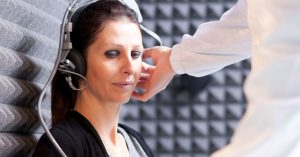
What to Expect During a Hearing Test
Audiologists use a variety of tools to assess hearing, including:
Pure-tone audiometry to measure the softest sounds you can hear at different frequencies
Speech recognition tests to evaluate how well you understand spoken words
Tympanometry to check the middle ear’s function
These tests are non-invasive, quick, and painless, providing valuable insights into your hearing health.
Following Up on Results
If a hearing test identifies issues, an audiologist may recommend hearing aids, assistive listening devices, or specific protective measures. Regular follow-ups ensure that interventions remain effective and adjustments are made as needed.
Encourage Family Participation
Hearing loss can be hereditary, so encouraging relatives to get their hearing checked can help identify risks early and promote a culture of hearing health within families.
Smart Technology Use
In today’s digital age, technology plays a significant role in both supporting and protecting our hearing. While headphones, earbuds, and personal audio devices can pose risks if used improperly, they can also be valuable tools when managed wisely.
Safe Headphone and Earbud Practices
Listening to music, podcasts, or videos through headphones or earbuds is a daily habit for many. To prevent hearing damage:
Keep the volume below 60% of the maximum.
Limit listening sessions to 60 minutes at a time (the 60/60 rule).
Choose over-ear headphones when possible, as they generally allow lower volumes while providing clear sound.
Use noise-canceling headphones to block out background noise, reducing the need to turn up the volume.
Hearing Aid Technology
For individuals already experiencing hearing loss, modern hearing aids are more advanced than ever. They not only amplify sounds but also filter background noise, improve speech clarity, and can even connect to smartphones for personalized settings. Proper use and regular maintenance of hearing aids can significantly enhance quality of life and protect residual hearing.
Volume and Software Settings
Many devices offer volume limiters and sound settings designed to reduce the risk of hearing damage. Activating these features and familiarizing yourself with built-in hearing protection settings on smartphones, tablets, and audio devices can prevent accidental overexposure to loud sounds.
Smart Monitoring Tools
Some apps and wearable devices can monitor sound exposure over time, alerting you when levels exceed safe limits. These tools provide valuable feedback and help you make informed decisions about when to take breaks from noisy environments.
Education and Awareness
Being mindful of how you use technology is key. Educating yourself about safe listening practices and regularly reviewing device settings ensures that technology enhances your life without compromising your hearing health.
Home and Environmental Safety
Creating a hearing-friendly environment at home and in your daily surroundings is an often-overlooked but highly effective way to protect your ears. By reducing unnecessary noise and managing sound levels, you can prevent gradual hearing damage and improve overall comfort.
Reduce Background Noise
Even moderate levels of background noise can strain your ears over time. Simple changes such as closing doors, adding rugs or curtains, and arranging furniture to absorb sound can make a significant difference. Using soft furnishings and sound-absorbing materials in common areas helps maintain a quieter environment.
Safe Listening at Home
Televisions, radios, and streaming devices can easily reach volumes that may harm your hearing. Keep media at a moderate volume, and consider using subtitles or closed captions to reduce the need for louder sound.
Quiet Spaces for Recovery
Your ears need downtime to recover from everyday noise exposure. Designating a quiet space at home where you can relax without constant auditory stimulation helps prevent cumulative damage. Activities such as reading, meditation, or light exercise in a low-noise area give your auditory system a chance to rest.
Consider Acoustic Adjustments
If you live in a noisy neighborhood or near traffic, installing double-pane windows, heavy curtains, or door seals can reduce ambient noise. For work or shared spaces, consider portable soundproof panels or noise-canceling devices to create a controlled auditory environment.
Educate Household Members
Encourage family members and housemates to be mindful of noise levels. Simple habits, like lowering music volume, closing doors gently, and using headphones instead of loudspeakers, contribute to a collectively quieter and safer environment.
Conclusion
Hearing is an essential part of daily life, connecting us to our loved ones, surroundings, and the world of sound. Protecting your hearing requires proactive steps, from minimizing exposure to loud noises and adopting healthy lifestyle habits to scheduling regular hearing checkups and using technology wisely.
By following the 10 essential hearing loss prevention tips outlined in this article, you can significantly reduce your risk of hearing damage and maintain healthy ears for years to come. Simple practices—like using ear protection, managing headphone volume, eating a balanced diet, exercising regularly, and creating a quiet home environment—combine to form a comprehensive approach to hearing preservation.
Remember, prevention is far easier than treatment. Early awareness and consistent action are the keys to maintaining your hearing health. By making small, intentional changes today, you can enjoy clearer conversations, richer sounds, and a more connected, fulfilling life well into the future.
FAQ
What are the early signs of hearing loss?
Early signs include difficulty following conversations, needing to increase the volume on the TV or radio, frequently asking people to repeat themselves, and experiencing ringing or buzzing in the ears (tinnitus). Detecting these signs early allows for timely intervention and can prevent further damage.
How can I protect my hearing at concerts or noisy events?
Use high-fidelity earplugs or noise-reducing earmuffs, maintain a safe distance from speakers, and take regular breaks in quieter areas. Limiting exposure to loud environments and using protective devices can significantly reduce the risk of noise-induced hearing loss.
Are hearing aids safe for long-term use?
Yes, modern hearing aids are designed to improve hearing safely and comfortably. They amplify sounds, filter background noise, and can be customized to your specific hearing needs. Regular maintenance and proper use ensure they remain effective and safe over time.
Can lifestyle changes really prevent hearing loss?
Absolutely. Maintaining a balanced diet, exercising regularly, avoiding smoking and excessive alcohol, and managing chronic health conditions like diabetes and hypertension all support ear health. These lifestyle choices improve circulation and reduce factors that contribute to hearing damage.
How often should I have my hearing checked?
Adults over 50 or those with risk factors should have hearing tests at least once a year. Younger adults exposed to loud environments should also consider periodic screenings. Routine evaluations help detect issues early and allow for timely intervention.
“This article is for informational purposes only and is not a substitute for professional medical advice, diagnosis, or treatment. If you are concerned about your hearing or ear health, please consult a qualified healthcare provider.”