Noise-induced hearing loss (NIHL) is one of the most preventable forms of hearing damage, yet it affects millions of people every year—often without them realizing it until the symptoms become difficult to ignore. Whether it comes from a loud workplace, power tools, concerts, or even everyday headphones, repeated exposure to high noise levels can permanently damage the delicate hair cells inside the inner ear. Once these cells are damaged, they cannot regenerate, which is why prevention is so important, especially for adults aged 50 and older who may already be experiencing age-related changes in hearing.
In this introduction, we’ll explore why NIHL is becoming more common and why it can impact people at any stage of life. Many older adults grew up in generations where hearing protection was rarely emphasized, and as a result, long-term exposure to noise may have taken a toll. At the same time, today’s world brings new challenges—earbuds, amplified events, busy cities, and modern tools all create environments where noise is constant. By understanding how noise affects hearing and adopting simple protective habits, it’s possible to slow or even prevent further decline.
This article will guide you through what causes NIHL, how to recognize risky situations, and the most effective ways to protect your ears. With practical, medically accurate advice tailored for adults, caregivers, and anyone concerned about hearing wellness, you’ll learn how small daily actions can make a significant difference in preserving your hearing for years to come.
Understanding Noise-Induced Hearing Loss
Noise-induced hearing loss occurs when the sensitive structures inside the inner ear—particularly the tiny hair cells within the cochlea—are damaged by excessive sound. These hair cells are responsible for translating sound vibrations into signals that the brain can interpret. When exposed to loud noise, the hair cells can become overstimulated, bent, or permanently destroyed. Unlike many other cells in the body, these delicate structures do not regenerate, meaning that any damage is irreversible. This is why preventing harm in the first place is far more effective than trying to treat it later.
To understand how NIHL develops, it’s helpful to know a bit about sound intensity. Sound is measured in decibels (dB), and every increase of 10 dB represents a doubling of perceived loudness. Normal conversation typically sits around 60 dB, while many household appliances fall between 70–90 dB. Sounds above 85 dB can become harmful with prolonged exposure, and noises over 100 dB may cause damage in minutes. Everyday environments—such as sporting events, concerts, construction sites, and even personal audio devices—regularly exceed these levels, which means people may be exposed to harmful noise without even realizing it.
NIHL can happen in two ways: suddenly or gradually. A sudden, extremely loud noise—like an explosion or a gunshot—can lead to immediate damage. However, more often, NIHL develops slowly over time due to repeated exposure to moderately high noise levels. This gradual onset makes it difficult for many people to notice the problem until the damage is already significant. Early signs might include muffled hearing, difficulty understanding speech, or a temporary ringing in the ears after loud events. These symptoms often fade, giving a false sense of recovery, but repeated episodes indicate ongoing harm.
By understanding how NIHL occurs and the types of sounds that cause it, people can begin to identify their own risk factors. Whether it’s the volume of personal headphones, the frequency of using power tools, or working in a noisy environment, recognizing these risks is the first step toward effective prevention.
Recognizing Risky Environments and Everyday Noise Levels
Many people assume that dangerous noise levels are limited to construction sites, rock concerts, or industrial workplaces—but harmful sound exposure is far more common and often much more subtle. Recognizing which environments put your hearing at risk is essential for preventing long-term damage. Noise-induced hearing loss doesn’t only come from extreme, sudden sounds; it can occur from everyday activities that quietly accumulate over time. Understanding how loud certain environments truly are can help you make informed decisions about when and how to protect your ears.
Common recreational environments can easily exceed safe volume limits. For example, live concerts, sporting events, and fitness classes with amplified music often reach 100–120 decibels, levels that can cause harm in a matter of minutes. Even hobbies like motorcycling, woodworking, or using lawn equipment can expose adults to sustained noise in the 85–100 dB range—loud enough to cause gradual, unnoticed damage. Indoors, everyday household tools such as blenders, vacuums, and hair dryers may reach or exceed the threshold at which long-term exposure becomes risky. While these appliances may not seem harmful on their own, repeated use without protection adds up, especially for people already experiencing age-related hearing decline.
Technology also plays a large role in modern noise exposure. Earbuds and headphones can produce volumes exceeding 100 dB when turned up high, particularly in noisy environments where users naturally increase the volume to compensate. Public transport, bustling restaurants, and even busy streets contribute to a constant background of noise that encourages individuals to turn up personal audio devices without realizing the potential harm. Learning to identify when volume levels are too high—whether through discomfort, difficulty hearing someone speaking nearby, or simply needing to raise your voice to communicate—is an important step toward safer listening habits.
Recognizing risky environments isn’t about avoiding activities you enjoy; it’s about becoming aware of noise levels and taking simple steps to protect your hearing when needed. By understanding which situations are potentially harmful, people can be more proactive about wearing ear protection, lowering volumes, or limiting time in loud spaces. This awareness empowers adults and caregivers to make choices that support long-term hearing wellness.
Effective Strategies to Protect Your Hearing
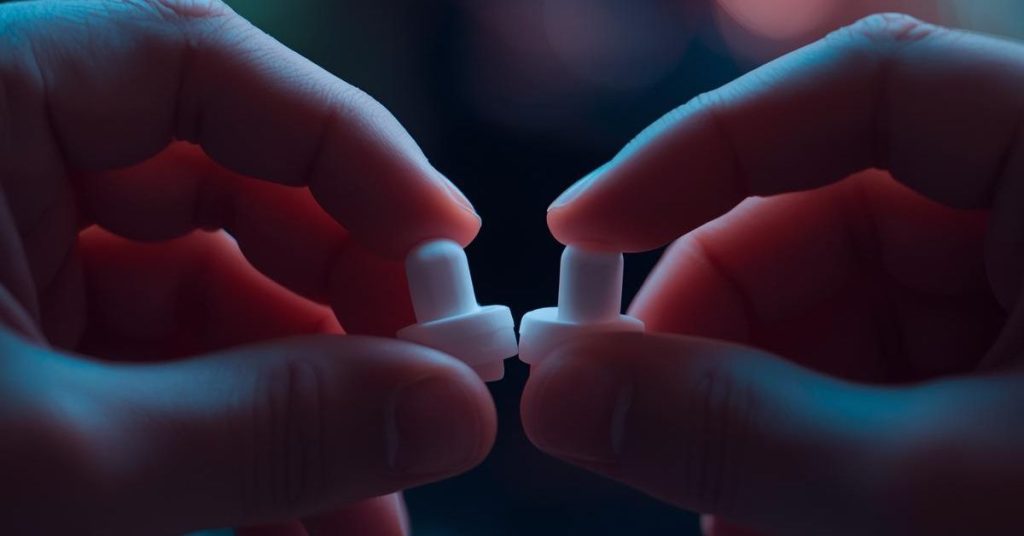
Protecting your hearing doesn’t require major lifestyle changes—just practical habits that help reduce exposure to harmful noise. One of the most effective strategies is using hearing protection whenever you’re in a loud environment. Earplugs and earmuffs come in a wide range of styles, from simple foam plugs to advanced custom-molded options. Foam earplugs are affordable and easy to carry, making them a great choice for concerts, sporting events, or any setting where noise levels suddenly spike. For adults who spend extended periods using loud tools or equipment, over-the-ear hearing protectors provide a comfortable, high-level barrier against dangerous sound levels.
Another highly effective approach is controlling your distance from loud noise. Sound intensity decreases significantly as you move farther from its source. Stepping back even a few metres from speakers at a concert, a lawn mower, or industrial machinery can dramatically reduce exposure. When using personal headphone devices, following the 60/60 rule—a maximum of 60% volume for no more than 60 minutes at a time—helps maintain safe listening levels. Choosing noise-cancelling headphones can also prevent the common habit of turning up the volume to drown out background noise, which is especially important for commuters or anyone frequently in loud public spaces.
Time management also plays a major role in hearing preservation. Even moderate levels of noise can become harmful when exposure lasts too long. Taking “hearing breaks” allows your ears to recover, especially after prolonged periods in noisy environments. If you use power tools, mow the lawn, or attend loud events regularly, building quiet intervals into your routine can help protect your inner ear from cumulative damage. For caregivers or adults supporting older friends or relatives, encouraging these habits and helping set up safer listening environments—such as adjusting TV volumes or providing hearing protection for outdoor chores—is a valuable way to promote long-term hearing wellness.
Finally, consider lifestyle choices that naturally support ear health. Managing conditions such as high blood pressure, diabetes, or smoking can improve blood flow to the inner ear, making it more resilient to noise-related damage. Staying alert to changes in your hearing—like ringing, temporary muffling, or difficulty understanding speech—can also motivate timely action to prevent further loss. Together, these strategies create a strong foundation for protecting your ears at any age, empowering you to stay proactive about your hearing health.
Adopting Healthy Hearing Habits at Home and Work
Creating healthier hearing habits at home and in the workplace is one of the most powerful ways to prevent long-term damage. Many people don’t realize that low-level, routine noise exposure can accumulate gradually, contributing to permanent hearing loss over time. By adjusting daily routines and making small, mindful changes, you can significantly reduce overall noise exposure without sacrificing comfort or convenience. These habits are especially important for adults aged 50 and older, who may already be experiencing natural age-related changes in hearing sensitivity.
At home, one of the easiest and most effective habits is simply managing volume levels. Televisions, radios, and personal audio devices often run louder than necessary, sometimes because of competing background noise. Using subtitles on television, placing speakers strategically, or choosing devices with built-in volume limiters can help keep sound levels at a safe range. When possible, opt for quieter household appliances—many modern gadgets include “quiet mode” features designed to reduce noise output. If you use loud equipment like blenders, vacuums, or power tools, wearing ear protection can make a significant difference. Even short bursts of loud sound contribute to cumulative ear stress, especially over time.
In the workplace, developing healthy hearing habits can be just as important. If your job environment includes machinery, tools, or constant background noise, ensure that you have access to proper hearing protection. Many workplaces are required to provide hearing conservation programs, but even in quieter settings, noise can still be a concern. Office environments with open floor plans, frequent meetings, or loud HVAC systems can prompt people to turn up headphones to unsafe levels. Noise-cancelling headphones can help reduce the need for higher volume, while brief breaks in quieter spaces give your ears time to rest. Advocating for noise-reducing practices—such as maintaining equipment, closing doors, or adding sound-absorbing materials—can improve the acoustic environment for everyone.
Long-term habits also include being proactive about how you structure your day. Rotating noisy tasks with quieter ones, avoiding extended headphone use, and taking short “sound breaks” can go a long way in protecting your hearing. For caregivers, encouraging loved ones to follow safe listening practices or helping set up quieter environments can make a meaningful difference. Over time, these small, intentional actions compound to create a lifestyle that supports lifelong hearing health. By integrating simple preventive steps into both home and work routines, you can significantly reduce your risk of noise-induced hearing loss and maintain better hearing for years to come.
When to Seek Help: Early Signs, Screenings, and Professional Support
Knowing when to seek help is just as important as preventing noise-induced hearing loss in the first place. Many early signs of NIHL are subtle and easy to overlook, especially because they often appear gradually. One of the most common early symptoms is difficulty understanding speech—particularly in noisy environments or when multiple people are talking. You might feel like others are mumbling or find yourself asking people to repeat themselves more often. Another early warning sign is tinnitus, a persistent or intermittent ringing, buzzing, or hissing sound in the ears. While tinnitus can have many causes, noise exposure is one of the most common. Even temporary tinnitus after a loud event should be taken seriously, because it indicates that the ears have been stressed.
If you notice muffled hearing after being around loud noise—even if it improves within a few hours—this is another sign that your ears may be experiencing damage. Many adults dismiss these symptoms as part of aging, but ignoring them can lead to worsening hearing loss that becomes harder to manage over time. Anyone who frequently uses power tools, attends loud events, or works in a noisy environment should monitor for these early signs, as they may indicate that your current hearing protection strategies need improvement.
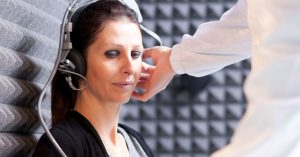
Regular hearing screenings are an essential part of maintaining hearing health, especially for adults aged 50 and older. Just as vision and dental check-ups are part of routine healthcare, hearing tests should be too. Audiologists can detect subtle changes in hearing long before they become noticeable in daily life. Early identification allows for timely intervention, whether that means adjusting lifestyle habits, improving hearing protection, or managing additional risk factors such as cardiovascular health. If you have a history of noise exposure, routine screenings are even more important.
For those already experiencing hearing changes, seeking professional support can make a meaningful difference. Hearing specialists can provide personalized advice, recommend appropriate hearing protection, or discuss treatment options if hearing loss is present. If tinnitus is a concern, many management strategies are available, from sound therapy to lifestyle adjustments. Caregivers can play an important role by encouraging loved ones to schedule appointments and helping them recognize early signs. Overall, the sooner concerns are addressed, the more effectively long-term hearing health can be preserved.
Conclusion
Noise-induced hearing loss is one of the most preventable forms of hearing damage, yet it continues to affect people of all ages—often silently and gradually. The good news is that with awareness and consistent habits, you can significantly reduce your risk. From understanding how loud noises affect the delicate structures of the inner ear to recognizing potentially harmful environments, small adjustments in daily life can make a lasting difference. Whether it’s using hearing protection, taking listening breaks, lowering the volume, or choosing quieter household tools, each action contributes to healthier ears over time.
For adults aged 50 and older, prevention is especially important. Many people in this age group have already accumulated a lifetime of noise exposure, making their hearing more vulnerable. By adopting protective habits now and staying mindful of how everyday activities impact hearing, it’s possible to slow or even prevent further decline. Caregivers can also play a valuable role by helping loved ones create quieter environments, use hearing protection appropriately, and recognize early signs of hearing stress.
Ultimately, preserving your hearing doesn’t require dramatic lifestyle changes—just awareness, intention, and a willingness to protect your ears when it matters most. By staying proactive, scheduling regular hearing screenings, and making informed choices, you can maintain clearer, more comfortable hearing for years to come. Protecting your ears today ensures you’ll continue enjoying the sounds you love well into the future.
FAQ
What volume level is considered safe for listening to music?
A safe listening volume is generally below 60% of your device’s maximum volume. Listening for no more than 60 minutes at a time—the 60/60 rule—helps reduce the risk of noise-induced hearing loss. Noise-cancelling headphones can also help you keep the volume lower by reducing background noise.
Can noise-induced hearing loss be reversed?
Unfortunately, NIHL is permanent because the tiny hair cells in the inner ear cannot regenerate once damaged. However, you can prevent further loss by reducing noise exposure, using hearing protection, and adopting safe listening habits. Early detection through hearing tests can also help you manage symptoms more effectively.
How do I know if an environment is too loud?
A quick rule of thumb: if you need to raise your voice to speak to someone an arm’s length away, the environment is likely too loud. Ringing in your ears, muffled hearing, or discomfort from noise are also signs that sound levels are harmful and that hearing protection is needed.
Are earplugs or earmuffs better for hearing protection?
Both can be effective, and the best choice depends on the situation. Foam earplugs are convenient for concerts or everyday loud environments, while earmuffs offer stronger protection for activities like using power tools or yard equipment. Some people use both together for extremely loud settings.
How often should older adults get their hearing checked?
Adults aged 50 and over should have a hearing test every one to two years, or sooner if they notice symptoms such as tinnitus, difficulty hearing conversations, or frequent exposure to loud noise. Regular screenings help identify early changes and allow for timely intervention.
This article is for informational purposes only and is not a substitute for professional medical advice, diagnosis, or treatment. If you are concerned about your hearing or ear health, please consult a qualified healthcare provider.