Sensorineural hearing loss (SNHL) is one of the most common types of hearing impairment, affecting millions of adults worldwide, particularly those over the age of 50. Unlike temporary or conductive hearing issues that can often be treated or reversed, SNHL is usually permanent because it involves damage to the delicate hair cells in the inner ear or to the auditory nerve that transmits sound signals to the brain. Understanding this type of hearing loss is essential—not only for the individuals experiencing it but also for their families and caregivers—because it can significantly impact communication, social interactions, and overall quality of life.
Many people with sensorineural hearing loss are unaware that they are experiencing it in the early stages. They may struggle to follow conversations in noisy environments, frequently ask others to repeat themselves, or feel isolated in social situations. Tinnitus, or ringing in the ears, is also a common companion, adding to frustration and stress. Early recognition and intervention can make a major difference in maintaining hearing function and improving daily life.
This article aims to provide a comprehensive look at sensorineural hearing loss: what it is, the underlying causes, the typical signs and symptoms, how it is diagnosed, and the treatment and management options available. We will also explore strategies for living well with this condition, from using hearing aids and assistive devices to practical communication techniques. By the end, readers will have a clear understanding of SNHL and the tools to manage it effectively, empowering them to take proactive steps for their hearing health.
What is Sensorineural Hearing Loss?
Sensorineural hearing loss (SNHL) occurs when there is damage to the inner ear, specifically the cochlea, or to the auditory nerve that carries sound signals to the brain. The cochlea is lined with tiny hair cells that translate sound vibrations into electrical signals. When these hair cells are damaged—whether by age, noise exposure, or other factors—they cannot regenerate, which makes the hearing loss permanent. Similarly, any damage to the auditory nerve disrupts the brain’s ability to interpret sound correctly, leading to a similar loss of hearing clarity.
SNHL is distinct from conductive hearing loss, which involves the outer or middle ear and is often treatable. Conductive hearing loss may occur due to wax buildup, ear infections, or fluid in the middle ear, and medical or surgical treatments can restore hearing. In contrast, sensorineural hearing loss typically cannot be reversed, so management focuses on improving hearing ability and quality of life rather than curing the condition.
There are varying degrees of sensorineural hearing loss, from mild to profound. In mild cases, a person may have trouble hearing faint sounds or following conversations in noisy environments. Moderate to severe cases may make everyday communication challenging, even with normal background noise. Profound SNHL often requires assistive devices like cochlear implants for significant improvement.
It’s also important to understand that SNHL can affect one or both ears. Unilateral SNHL, affecting only one ear, may make it harder to locate the source of sounds, while bilateral SNHL, affecting both ears, can have a more significant impact on communication and balance.
By understanding the mechanisms behind sensorineural hearing loss, individuals can better recognize early signs and take proactive steps to protect their remaining hearing, seek timely evaluation, and explore effective management strategies.
Common Causes of Sensorineural Hearing Loss
Sensorineural hearing loss can develop gradually or suddenly, depending on the underlying cause. While it is often associated with aging, a variety of factors can contribute to damage in the inner ear or auditory nerve. Understanding these causes helps in prevention, early detection, and effective management.
Age-Related Hearing Loss (Presbycusis)
One of the most common causes of sensorineural hearing loss is age-related hearing loss, also known as presbycusis. As people age, the tiny hair cells in the cochlea naturally deteriorate, reducing the ability to perceive high-frequency sounds. This type of hearing loss typically progresses slowly over several years and affects both ears. Many older adults may initially notice difficulty hearing conversations in crowded places or trouble distinguishing consonants, which can make speech seem muffled.
Noise-Induced Hearing Loss
Prolonged or repeated exposure to loud sounds—such as music concerts, construction work, or industrial noise—can permanently damage hair cells in the inner ear. Even short-term exposure to extremely loud sounds, like explosions, can lead to sudden hearing loss. Noise-induced hearing loss often affects high-pitched hearing first and can contribute to tinnitus. Using protective earplugs and monitoring exposure to loud environments are critical preventive measures.
Genetics and Hereditary Factors
Some forms of sensorineural hearing loss are genetic. Inherited conditions may cause hearing loss from birth or develop later in life. Genetic SNHL may occur as part of a syndrome affecting multiple parts of the body, or it may be isolated, affecting only hearing. Family history is an important consideration for those concerned about their risk.
Illnesses and Infections
Certain illnesses and infections can harm the inner ear or auditory nerve. Viral infections such as measles, mumps, meningitis, and even severe influenza have been linked to sensorineural hearing loss. Chronic conditions like diabetes and cardiovascular disease can also reduce blood flow to the inner ear, increasing the risk of hearing damage over time.
Ototoxic Medications
Some medications, called ototoxic drugs, can damage the inner ear. Common examples include certain antibiotics (like aminoglycosides), chemotherapy agents, and high doses of diuretics. Patients taking these medications should be closely monitored for changes in hearing and balance.
Sudden Sensorineural Hearing Loss
Sudden SNHL is a rapid, unexplained loss of hearing in one ear, often occurring within hours or days. While the exact cause is frequently unknown, viral infections, autoimmune reactions, and circulatory problems may contribute. Immediate medical attention is crucial because early treatment can sometimes restore hearing.
By identifying the causes and risk factors, individuals can take preventive measures, seek early evaluation, and reduce the likelihood of progression. Recognizing the role of age, environment, genetics, and health conditions empowers people to protect their hearing and make informed decisions about treatment.
Symptoms and Signs to Watch For
Sensorineural hearing loss often develops gradually, which can make it difficult to recognize in its early stages. Awareness of common symptoms is crucial for timely diagnosis and management. While symptoms vary depending on the severity and cause of hearing loss, several patterns are typical.
Difficulty Hearing Conversations
One of the most common signs of SNHL is difficulty following conversations, especially in noisy environments like restaurants, social gatherings, or family events. People with mild hearing loss may struggle to hear soft speech or pick up on high-pitched sounds such as the voices of women or children. As the hearing loss progresses, even conversations in quiet settings may become challenging.
Muffled or Distorted Sounds
Individuals may notice that sounds seem muffled or unclear, as if a volume knob has been turned down. This distortion makes it hard to distinguish between similar sounds, such as “s” and “f,” which can lead to frequent misunderstandings in communication.
Tinnitus (Ringing in the Ears)
Tinnitus often accompanies sensorineural hearing loss. People may experience ringing, buzzing, or hissing sounds in one or both ears. The severity can vary, from occasional, faint noises to persistent, disruptive sounds that interfere with sleep, concentration, and overall quality of life.
Trouble Hearing High-Pitched Sounds
SNHL frequently affects the perception of higher frequencies first. This can make it difficult to hear alarms, doorbells, or the chirping of birds. High-frequency hearing loss also contributes to the difficulty in understanding speech, as consonant sounds like “t,” “s,” and “k” are often high-pitched.
Social Withdrawal and Fatigue
Over time, hearing loss can lead to social withdrawal, as conversations become exhausting and frustrating. Adults with untreated SNHL may avoid social situations, leading to feelings of isolation, stress, and even depression. Fatigue can result from the extra effort required to understand speech and communicate effectively.
Signs Caregivers Should Watch For
Family members and caregivers may notice subtle cues, such as:
Frequently asking others to repeat themselves
Increasing the volume on TVs or radios
Responding inappropriately to questions
Avoiding group activities
Recognizing these symptoms early is key to seeking professional help. A timely audiological evaluation can determine the type and severity of hearing loss, allowing for effective management strategies to improve communication and quality of life.
Diagnosis and Testing
Proper diagnosis is essential for understanding the type and severity of sensorineural hearing loss and determining the most effective management strategies. Audiologists and ear, nose, and throat (ENT) specialists use a combination of medical history, physical examination, and specialized tests to evaluate hearing.
Medical History and Physical Examination
The evaluation begins with a detailed medical history, including questions about:
Duration and progression of hearing difficulties
Exposure to loud noises or ototoxic medications
Family history of hearing loss
Presence of tinnitus, vertigo, or other ear-related symptoms
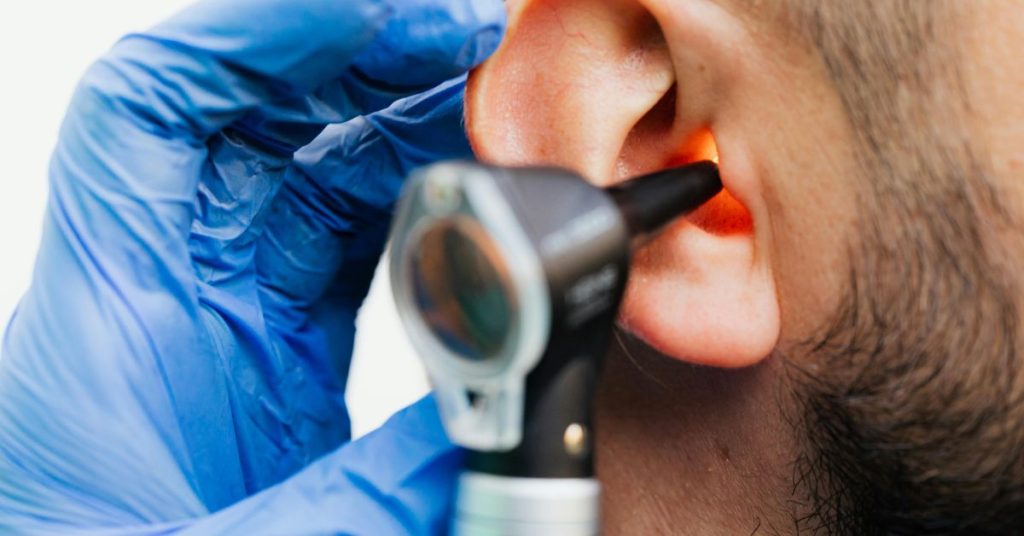
A physical examination of the ear helps identify any structural issues, earwax buildup, or signs of infection that could affect hearing. While these conditions are more often linked to conductive hearing loss, ruling them out is an important step.
Hearing Tests (Audiometry)
The cornerstone of diagnosis is audiometric testing, which measures the ability to hear sounds at different pitches and volumes. Key tests include:
Pure-Tone Audiometry: The patient listens to tones at various frequencies and volumes through headphones. This test determines the softest sounds a person can hear and identifies high-frequency hearing loss common in SNHL.
Speech Audiometry: Evaluates the ability to hear and understand spoken words, including the ability to distinguish between similar-sounding consonants.
Bone Conduction Testing: Helps differentiate between sensorineural and conductive hearing loss by bypassing the outer and middle ear.
Additional Tests
In some cases, further evaluation may be needed:
Otoacoustic Emissions (OAEs): Measures responses from the cochlea to assess hair cell function.
Auditory Brainstem Response (ABR): Examines the auditory nerve and brainstem pathways, useful for diagnosing nerve-related hearing loss.
Imaging (MRI or CT): Ordered if a structural problem, tumor, or neurological issue is suspected.
Importance of Early Diagnosis
Early detection is critical for maintaining communication and quality of life. Even mild SNHL can have cumulative effects on social engagement and cognitive function. Timely diagnosis allows for interventions such as hearing aids, assistive devices, and lifestyle adjustments that can prevent further difficulties and improve daily living.
By combining patient history, careful observation, and comprehensive testing, healthcare professionals can accurately diagnose sensorineural hearing loss and guide patients toward the most effective treatment and management options.
Treatment Options and Management
While sensorineural hearing loss (SNHL) is usually permanent, there are effective ways to manage it and improve quality of life. Treatment focuses on amplifying sounds, improving communication, and protecting the remaining hearing.
Hearing Aids
Hearing aids are the most common solution for SNHL. These small electronic devices amplify sound and make speech easier to understand. Modern hearing aids come in various styles, including behind-the-ear, in-the-ear, and completely-in-canal models, each tailored to different levels of hearing loss and lifestyle needs. Features may include:
Noise reduction for better listening in busy environments
Bluetooth connectivity for phones and TVs
Directional microphones to focus on speech
Cochlear Implants
For individuals with severe or profound SNHL who receive limited benefit from hearing aids, cochlear implants may be recommended. Unlike hearing aids, cochlear implants bypass damaged hair cells in the cochlea and directly stimulate the auditory nerve. Surgery is required, followed by auditory training to optimize hearing outcomes. Cochlear implants can significantly improve speech perception and communication in daily life.
Assistive Listening Devices
Various assistive devices can complement hearing aids or cochlear implants. These include:
Amplified telephones
TV listening systems
Personal FM systems for use in meetings or lectures
These devices enhance specific sounds, making it easier to communicate in challenging environments.
Lifestyle and Communication Strategies
Managing SNHL also involves practical strategies:
Face the person when speaking and maintain eye contact
Reduce background noise during conversations
Use visual cues or written notes when necessary
Join support groups or hearing loss organizations for guidance and community
Preventive Measures
Even after hearing loss occurs, protecting remaining hearing is crucial:
Avoid exposure to loud environments or use ear protection
Limit the use of ototoxic medications if possible and follow medical guidance
Maintain cardiovascular health to support proper blood flow to the inner ear
Counseling and Emotional Support
Hearing loss can affect mental health, leading to frustration, isolation, or depression. Counseling and communication training for both the individual and family members can help reduce stress, improve relationships, and encourage active participation in social life.
By combining medical devices, communication strategies, and lifestyle adjustments, people with sensorineural hearing loss can maintain independence, enjoy social interactions, and continue daily activities with confidence.
Living Well with Sensorineural Hearing Loss
Living with sensorineural hearing loss (SNHL) presents challenges, but with the right strategies and support, individuals can maintain a high quality of life. Beyond medical interventions like hearing aids or cochlear implants, daily habits, communication techniques, and emotional support play a critical role.
Effective Communication Strategies
Communication can become easier with simple adjustments:
Face-to-Face Conversations: Ensure you’re visible to others so they can read lips or facial expressions.
Reduce Background Noise: Turn off the TV or radio during conversations and choose quieter environments when possible.
Speak Clearly and Slowly: Encourage friends and family to articulate words without shouting, which can distort sounds.
Use Visual or Written Aids: Notes, gestures, or captions on videos can bridge gaps in understanding.
Staying Socially Active
Hearing loss can lead to social withdrawal and feelings of isolation. Staying socially engaged is important for mental and emotional health:
Join local hearing loss support groups or online communities.
Participate in hobby or interest-based groups to maintain social interactions.
Communicate openly with friends and family about hearing needs.
Technology and Assistive Tools
Modern technology offers many ways to support hearing:
Captioned Phones and Video Calls: Provide visual support for conversations.
Smartphone Apps: Some apps amplify sound, provide speech-to-text, or help locate sounds.
Personal Listening Devices: Useful in classrooms, meetings, or large gatherings.
Protecting Remaining Hearing
Even with existing SNHL, protecting the hearing that remains is crucial:
Use ear protection in noisy environments such as concerts, construction sites, or during lawn work.
Monitor exposure to potentially ototoxic medications under medical guidance.
Maintain general health through exercise, balanced nutrition, and managing cardiovascular conditions.
Emotional Wellbeing
Hearing loss can be frustrating, but addressing the emotional side is just as important as managing the physical condition:
Seek counseling or therapy if anxiety, stress, or depression arises.
Engage in mindfulness or relaxation exercises to reduce fatigue from listening effort.
Educate yourself and family about SNHL to foster understanding and empathy.
With these strategies, individuals with sensorineural hearing loss can continue to communicate effectively, participate in daily life, and maintain strong relationships. Proactive management, combined with the right devices and support, ensures that SNHL does not define one’s lifestyle or limit personal fulfillment.
Conclusion
Sensorineural hearing loss (SNHL) is a common condition that affects the inner ear or auditory nerve, leading to permanent changes in hearing. While it can pose challenges in communication, social engagement, and overall quality of life, understanding the condition is the first step toward effective management. Early recognition of symptoms—such as difficulty following conversations, muffled hearing, or tinnitus—allows for timely evaluation and intervention.
Treatment and management options have advanced significantly, from modern hearing aids and cochlear implants to assistive listening devices and communication strategies. Combining these tools with lifestyle adjustments, protective measures, and emotional support empowers individuals to maintain independence and continue enjoying daily activities.
Living well with sensorineural hearing loss involves not just improving hearing but also fostering meaningful social connections, reducing listening fatigue, and protecting remaining hearing. With the right approach, individuals can lead active, engaged, and fulfilling lives despite the challenges posed by SNHL.
FAQ
What is the difference between sensorineural and conductive hearing loss?
Sensorineural hearing loss (SNHL) occurs due to damage to the inner ear (cochlea) or auditory nerve, making it usually permanent. Conductive hearing loss involves the outer or middle ear, often caused by earwax buildup, infections, or fluid, and is often treatable with medical or surgical intervention.
Can sensorineural hearing loss be reversed?
In most cases, SNHL is permanent because the hair cells in the inner ear cannot regenerate. However, treatment options like hearing aids, cochlear implants, and assistive listening devices can significantly improve hearing and communication.
What causes sensorineural hearing loss?
Common causes include age-related changes (presbycusis), prolonged exposure to loud noise, genetic factors, certain illnesses or infections, ototoxic medications, and sudden unexplained hearing loss. Protecting hearing and seeking early evaluation can help prevent further damage.
How is sensorineural hearing loss diagnosed?
An audiologist or ENT specialist will perform a comprehensive hearing assessment, including pure-tone audiometry, speech audiometry, and sometimes additional tests like otoacoustic emissions or auditory brainstem response testing. A detailed medical history and physical examination are also important.
What are the best ways to manage sensorineural hearing loss?
Management includes hearing aids, cochlear implants for severe loss, assistive listening devices, communication strategies, lifestyle adjustments, and protecting remaining hearing. Counseling and support groups can also help maintain emotional wellbeing and social engagement.
This article is for informational purposes only and is not a substitute for professional medical advice, diagnosis, or treatment. If you are concerned about your hearing or ear health, please consult a qualified healthcare provider.