Hearing is one of our most vital senses, yet it’s often overlooked until problems arise. For many adults, especially those over 50, hearing loss can significantly impact daily life, from enjoying conversations with family to staying safe in busy environments. One common type of hearing impairment is conductive hearing loss, which occurs when sound waves are unable to travel efficiently through the outer or middle ear to the inner ear. Unlike some other forms of hearing loss, conductive hearing loss is often treatable, making early recognition and intervention especially important.
Conductive hearing loss can result from a variety of causes, such as earwax buildup, infections, or structural issues within the ear. Symptoms may range from subtle muffled hearing to noticeable difficulty understanding speech, particularly in noisy settings. The good news is that many cases can be effectively treated with medical procedures, surgery, or hearing aids, restoring a significant portion of hearing function.
In this article, we’ll explore the causes, symptoms, diagnosis, and treatment options for conductive hearing loss. Whether you are experiencing hearing difficulties yourself or caring for a loved one, understanding this condition can help you take the right steps toward better hearing health and improved quality of life.
Causes of Conductive Hearing Loss
Conductive hearing loss occurs when there is a blockage or disruption in the pathway that carries sound from the outer ear through the middle ear to the inner ear. This interference prevents sound waves from reaching the cochlea, where they are converted into nerve signals for the brain. Understanding the causes of conductive hearing loss is crucial because many of them are treatable or reversible.
Earwax Buildup (Cerumen Impaction)
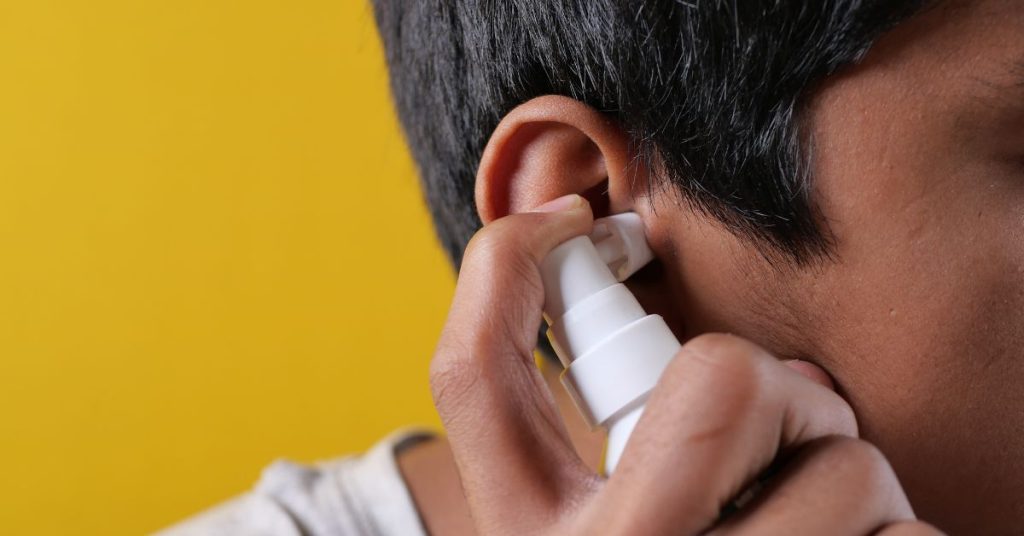
One of the most common causes of conductive hearing loss is earwax buildup. While earwax protects the ear canal from dust, bacteria, and other particles, excessive accumulation can block the ear canal entirely. This blockage prevents sound from reaching the eardrum, resulting in muffled hearing. Earwax-related hearing loss can often be easily resolved through professional removal or safe at-home treatments recommended by a healthcare provider.
Ear Infections (Otitis Media)
Middle ear infections are another major contributor to conductive hearing loss, especially in adults and children. When fluid builds up behind the eardrum due to infection, it restricts the movement of the eardrum and tiny bones (ossicles) in the middle ear. This fluid reduces the efficiency of sound transmission, leading to temporary hearing loss. Chronic or recurring infections may require medical intervention, including antibiotics or minor surgical procedures to drain fluid.
Perforated Eardrum
A perforated eardrum, or a tear in the eardrum, can result from trauma, sudden pressure changes, or severe infections. Since the eardrum plays a vital role in converting sound waves into mechanical vibrations for the middle ear bones, any damage can significantly reduce hearing. Small perforations sometimes heal on their own, while larger or persistent tears may require surgical repair.
Otosclerosis
Otosclerosis is a condition in which abnormal bone growth in the middle ear affects the movement of the ossicles, particularly the stapes bone. This stiffening prevents the efficient transfer of sound vibrations to the inner ear. Otosclerosis is often hereditary and typically develops gradually, causing slowly progressive hearing loss. In many cases, surgical procedures such as stapedectomy can restore hearing.
Congenital Abnormalities
Some individuals are born with structural issues in the outer or middle ear that interfere with sound conduction. These congenital abnormalities can include underdeveloped ear canals, missing or malformed ossicles, or eardrum defects. Early detection and surgical intervention, when appropriate, can significantly improve hearing outcomes in these cases.
Understanding the cause of conductive hearing loss is the first step toward effective treatment. In many cases, addressing the underlying issue—whether it’s removing earwax, treating an infection, or repairing structural damage—can restore much or all of a person’s hearing.
Recognizing the Symptoms
Identifying conductive hearing loss early is key to effective treatment and minimizing its impact on daily life. The symptoms can vary depending on the underlying cause, the severity of the blockage or damage, and whether one or both ears are affected. Understanding these signs can help individuals and caregivers seek timely medical evaluation.
Muffled or Reduced Hearing
One of the most common symptoms of conductive hearing loss is muffled or “softened” hearing. Sounds may seem quieter than usual, and voices may lack clarity. People often describe this sensation as if someone turned down the volume on the world around them. This symptom may affect one ear (unilateral) or both ears (bilateral), depending on the condition.
Difficulty Understanding Speech
Even when sounds are audible, understanding speech—especially in noisy environments—can become challenging. People with conductive hearing loss may find themselves asking others to repeat words frequently, mishearing conversations, or struggling with telephone communication. These challenges can lead to social frustration and avoidance of certain situations.
Ear Fullness or Pressure
Certain causes of conductive hearing loss, such as fluid in the middle ear from infections or Eustachian tube dysfunction, can produce a sensation of fullness, pressure, or discomfort in the affected ear. Some individuals may also experience a popping or clicking sensation when swallowing or yawning.
Pain or Discharge
In cases where infection or trauma is the underlying cause, symptoms may include ear pain, tenderness, or discharge. A perforated eardrum may cause bleeding or fluid leakage, while chronic infections might lead to persistent drainage. These symptoms often accompany the hearing loss and require prompt medical attention.
Tinnitus (Ringing in the Ears)
Although less common, some individuals with conductive hearing loss experience tinnitus, which is a ringing, buzzing, or hissing sound in the ear. This symptom can be temporary or ongoing and may intensify when background noise is minimal.
Gradual or Sudden Onset
Conductive hearing loss can develop gradually over time, as with otosclerosis, or suddenly, as with earwax blockage, infection, or eardrum perforation. Recognizing the pattern of onset can provide important clues to the underlying cause and guide treatment decisions.
Monitoring these symptoms and seeking evaluation from an audiologist or ENT specialist is essential. Early diagnosis not only improves treatment outcomes but also prevents potential complications that can arise from untreated hearing issues.
Diagnosis and Testing
Accurate diagnosis is essential for effective management of conductive hearing loss. Because the condition can result from a variety of causes—from simple earwax buildup to structural abnormalities in the middle ear—healthcare professionals rely on a combination of physical examination, hearing tests, and sometimes imaging studies to pinpoint the problem.
Physical Examination
The first step in diagnosing conductive hearing loss is usually a thorough ear examination by an audiologist or an ear, nose, and throat (ENT) specialist. Using an otoscope, the clinician can inspect the ear canal and eardrum for blockages, infections, fluid, perforations, or other abnormalities. This hands-on evaluation often provides immediate clues about the underlying cause.
Hearing Tests (Audiometry)
Audiometric testing is the gold standard for assessing hearing ability. A hearing test measures how well a person can hear different frequencies and volumes of sound. For conductive hearing loss, results typically show that air conduction (sound traveling through the outer and middle ear) is impaired, while bone conduction (direct vibration to the inner ear) remains normal. This distinction helps differentiate conductive hearing loss from sensorineural hearing loss, which involves damage to the inner ear or auditory nerve.
Tympanometry
Tympanometry is a test that evaluates the movement of the eardrum and middle ear function. By measuring changes in air pressure, clinicians can detect fluid behind the eardrum, eardrum perforations, or stiffness in the ossicles. This test is particularly useful for diagnosing middle ear problems, such as otosclerosis or chronic infections.
Imaging Studies
In some cases, CT scans or MRI may be recommended to examine the structures of the ear in detail. Imaging is usually reserved for suspected congenital abnormalities, severe trauma, or conditions like otosclerosis where bone growth may be affecting hearing. These tests provide a clear visual of the middle and inner ear, aiding in treatment planning.
Differential Diagnosis
It is important to distinguish conductive hearing loss from sensorineural hearing loss, which involves the inner ear or auditory nerve. Sometimes, individuals may experience mixed hearing loss, where both conductive and sensorineural components are present. Proper diagnosis ensures the right treatment approach is chosen.
By combining physical exams, audiometric testing, tympanometry, and imaging when necessary, healthcare providers can accurately identify the cause of conductive hearing loss and recommend the most effective interventions. Early diagnosis improves the likelihood of restoring hearing and preventing long-term complications.
Treatment Options
The good news about conductive hearing loss is that many cases are treatable or even reversible. The appropriate treatment depends on the underlying cause, the severity of the hearing loss, and the patient’s overall health. Treatments range from simple medical procedures to surgical interventions and the use of hearing aids.
Earwax Removal
When hearing loss is caused by earwax buildup, treatment is often straightforward. A healthcare professional can safely remove the wax using specialized instruments, irrigation, or suction. Over-the-counter softening drops may help in some cases, but self-removal attempts with cotton swabs can worsen the blockage or damage the eardrum. Earwax removal usually restores hearing quickly and completely.
Medication for Infections
Middle ear infections or fluid accumulation often require medical treatment. Antibiotics may be prescribed for bacterial infections, while decongestants or steroid drops can help reduce inflammation and fluid buildup. Treating the infection not only resolves the hearing loss but also prevents complications such as chronic infections or eardrum damage.
Eardrum Repair (Tympanoplasty)
A perforated eardrum may heal on its own if the tear is small. However, larger or persistent perforations may require a surgical procedure called tympanoplasty. During this operation, the surgeon repairs the eardrum using a graft to restore its integrity and improve sound conduction. Recovery is generally successful, with many patients regaining most or all of their hearing.
Surgery for Otosclerosis
For conditions like otosclerosis, where abnormal bone growth restricts the ossicles, surgical options such as a stapedectomy or stapedioplasty can restore hearing. These procedures replace or bypass the affected bone to allow sound vibrations to reach the inner ear. Surgery is highly effective in improving hearing, though follow-up care and monitoring are essential.
Hearing Aids and Assistive Devices
When medical or surgical treatments are not suitable or fully effective, hearing aids provide an alternative solution. Conductive hearing loss typically responds well to amplification devices because the inner ear is often still functional. Modern hearing aids can be programmed to compensate for specific frequencies, improving clarity and communication. Assistive listening devices, such as amplified telephones or personal sound amplifiers, can also enhance hearing in challenging environments.
Lifestyle and Preventive Measures
Preventing conductive hearing loss or minimizing its recurrence involves good ear care and health habits. Regular ear check-ups, careful earwax management, prompt treatment of infections, and avoiding prolonged exposure to loud noises can help maintain hearing health. For those prone to chronic issues, protective devices such as earplugs during swimming or noisy activities are beneficial.
Overall, treatment for conductive hearing loss is highly individualized. With early diagnosis and appropriate care, most individuals can experience significant improvement in hearing and quality of life.
Living with Conductive Hearing Loss
Even with effective treatment, some individuals may continue to experience mild or intermittent hearing difficulties. Learning how to manage these challenges in daily life can improve communication, safety, and overall quality of life.
Communication Strategies
People with conductive hearing loss often benefit from clear communication techniques. Speaking slowly, facing the listener, and reducing background noise can make conversations easier. Encouraging friends and family to rephrase rather than repeat sentences can also help, as repeating the same words may not improve understanding. Visual cues, such as lip reading and gestures, can be valuable supplements to hearing.
Use of Hearing Devices
Hearing aids and assistive listening devices remain a cornerstone for individuals whose hearing loss persists after medical or surgical treatment. Modern hearing aids are discreet, customizable, and capable of filtering background noise, making conversations more manageable in crowded or noisy settings. Devices like amplified telephones, personal FM systems, or TV streamers can also improve day-to-day communication.
Protecting Your Hearing
Preventing further damage is important. Avoid inserting objects into the ear canal and protect ears from loud environments with earmuffs or earplugs. Individuals with a history of recurrent ear infections should monitor symptoms closely and seek timely treatment to prevent complications that can worsen hearing.
Emotional and Social Support
Hearing loss can sometimes lead to feelings of isolation or frustration, especially in social situations. Joining support groups or connecting with others experiencing hearing difficulties can provide practical tips and emotional reassurance. Open conversations with family and friends about hearing challenges can help them understand and adapt communication accordingly.
Routine Monitoring
Regular hearing check-ups are essential, even if hearing appears stable. Monitoring allows healthcare providers to detect changes early, adjust treatment plans, and ensure hearing aids are properly tuned. Early intervention often prevents minor issues from becoming more significant problems.
Living with conductive hearing loss involves a combination of medical management, practical adjustments, and supportive strategies. By proactively addressing hearing challenges and maintaining a healthy ear care routine, individuals can remain engaged, confident, and socially active.
Conclusion
Conductive hearing loss is a common but often treatable type of hearing impairment that affects the outer or middle ear’s ability to transmit sound. Causes range from simple issues like earwax buildup to more complex conditions such as otosclerosis or structural abnormalities. Recognizing the symptoms—muffled hearing, difficulty understanding speech, ear fullness, or occasional tinnitus—is crucial for early intervention.
Diagnosis typically involves a combination of physical examination, hearing tests, and sometimes imaging studies to pinpoint the underlying cause. Treatment options are highly effective and include earwax removal, medications for infections, surgical procedures to repair the eardrum or ossicles, and the use of hearing aids or assistive devices. Beyond medical care, adopting communication strategies, protecting hearing, and seeking social support can help individuals live fully and confidently with conductive hearing loss.
By understanding the condition and taking prompt action, individuals and caregivers can manage conductive hearing loss effectively, restore hearing when possible, and maintain a high quality of life.
FAQ
What is the difference between conductive and sensorineural hearing loss?
Conductive hearing loss occurs when sound waves are blocked or reduced as they travel through the outer or middle ear, whereas sensorineural hearing loss involves damage to the inner ear (cochlea) or auditory nerve. Conductive hearing loss is often treatable, while sensorineural loss is usually permanent and may require hearing aids or implants for management.
Can conductive hearing loss be reversed?
Yes, many cases of conductive hearing loss are reversible, especially those caused by earwax buildup, infections, or eardrum perforations. Surgical interventions for conditions like otosclerosis or chronic eardrum damage can also restore hearing. Early diagnosis significantly increases the likelihood of full recovery.
How is conductive hearing loss diagnosed?
Diagnosis typically involves a physical examination of the ear, hearing tests (audiometry), and sometimes tympanometry or imaging studies like CT scans. These tests help determine whether the hearing loss is conductive, sensorineural, or mixed, and guide appropriate treatment.
What treatments are available for conductive hearing loss?
Treatment depends on the cause and may include earwax removal, antibiotics for infections, eardrum repair (tympanoplasty), surgery for otosclerosis, or hearing aids if other treatments are not suitable. Early intervention often leads to better hearing outcomes.
How can I prevent conductive hearing loss?
Preventive measures include regular ear check-ups, safe earwax management, prompt treatment of infections, protecting ears from loud noises, and avoiding inserting objects into the ear canal. Maintaining overall ear health helps reduce the risk of conductive hearing loss or its recurrence.
This article is for informational purposes only and is not a substitute for professional medical advice, diagnosis, or treatment. If you are concerned about your hearing or ear health, please consult a qualified healthcare provider.