
As we age, many of us notice subtle changes in our bodies, and one of the most common—yet often overlooked—is hearing loss. Age-related hearing loss, medically known as presbycusis, affects millions of adults worldwide, particularly those over the age of 50. It can make everyday activities, like following conversations, watching TV, or participating in social events, increasingly challenging. Despite its prevalence, hearing loss often goes unrecognized until it begins to impact daily life and relationships.
Understanding the causes, symptoms, and solutions for age-related hearing loss is crucial for maintaining not just hearing, but overall quality of life. While it is a natural part of aging, early detection and effective management can dramatically improve communication, social engagement, and even cognitive health. In this article, we’ll explore what presbycusis is, why it happens, how to identify it, and the available treatments and preventive strategies that can help you or your loved ones navigate hearing changes with confidence.
By gaining a clear understanding of age-related hearing loss, adults and caregivers can make informed decisions about care, technology, and lifestyle adjustments that preserve both hearing and overall wellbeing.
What Is Age-Related Hearing Loss?
Age-related hearing loss, or presbycusis, is the gradual decline of hearing ability that occurs naturally as people age. Unlike sudden hearing loss caused by injury or illness, presbycusis develops slowly over many years, often affecting both ears equally. It typically begins with difficulty hearing high-frequency sounds, such as birds chirping, the ringing of a phone, or certain consonants in speech like “s” and “th.” Over time, this can make conversations—especially in noisy environments—more challenging.
Presbycusis is extremely common. According to research, nearly one in three adults aged 65 to 74 experiences some degree of hearing loss, and the numbers rise sharply after age 75. While hearing changes are a normal part of aging, it is important to distinguish between mild age-related changes and more severe or treatable forms of hearing loss that may result from underlying medical conditions.
Physiologically, age-related hearing loss occurs because of changes in the inner ear and auditory nerve pathways. Hair cells in the cochlea, which translate sound vibrations into electrical signals for the brain, gradually deteriorate. Similarly, neural pathways responsible for processing sound may weaken over time. Other contributing factors, such as lifetime exposure to loud noises, medications that affect hearing, and chronic health conditions, can accelerate this process.
Understanding what presbycusis is—and recognizing that it is both common and manageable—is the first step toward taking action. With proper awareness, individuals can seek testing, adopt solutions, and continue to engage fully in everyday life without letting hearing loss limit social or cognitive activities.
Common Causes and Risk Factors
Age-related hearing loss doesn’t happen overnight—it develops gradually over many years due to a combination of natural aging processes and environmental or health-related factors. Understanding the causes can help you recognize why it occurs and what steps can be taken to manage or slow its progression.
One of the primary causes of presbycusis is degeneration of the inner ear structures. Tiny hair cells in the cochlea, responsible for converting sound waves into nerve signals, gradually deteriorate with age. Once these hair cells are damaged or lost, they do not regenerate, leading to permanent hearing decline. Similarly, changes in the auditory nerve and brain pathways that process sound can reduce the clarity and comprehension of speech, especially in noisy environments.
Genetics also play a significant role. If hearing loss runs in your family, you may be more susceptible to developing it as you age. Studies show that certain genetic profiles influence both the rate and severity of age-related hearing decline.
Environmental factors, particularly long-term exposure to loud noises, contribute to cumulative damage. This includes repeated exposure to traffic, industrial machinery, concerts, or personal audio devices at high volumes. Even moderate noise exposure over decades can increase the risk of hearing loss later in life.
Other health conditions can exacerbate age-related hearing loss. Cardiovascular disease, diabetes, high blood pressure, and high cholesterol can all affect blood flow to the inner ear, impairing its function. Smoking and certain medications—such as some antibiotics, chemotherapy drugs, and high-dose aspirin—can also negatively impact hearing.
Finally, lifestyle factors like poor nutrition, obesity, and lack of physical activity may indirectly influence hearing health. A healthy diet rich in antioxidants, regular exercise, and managing chronic conditions can help reduce the overall risk.
By understanding the causes and risk factors, adults can make proactive choices, such as protecting their ears from loud noises, maintaining heart and metabolic health, and monitoring hearing changes with regular checkups. Early awareness is key to preserving hearing and preventing further decline.
Recognizing the Symptoms
Age-related hearing loss often develops slowly, which can make it difficult to notice in the early stages. Many people assume they are simply “getting older” or that others are mumbling, rather than recognizing the signs of presbycusis. Being able to identify the symptoms early is crucial for seeking timely treatment and preventing social or cognitive complications.
One of the most common symptoms is difficulty understanding speech, especially in noisy environments. For example, following conversations in a crowded restaurant or at family gatherings can become frustrating. People may find themselves frequently asking others to repeat themselves or mishearing words, which can lead to embarrassment or social withdrawal.
Another typical sign is trouble hearing high-pitched sounds. This includes the ringing of a doorbell, the beep of a microwave, or the chirping of birds. Early-stage hearing loss often affects these higher frequencies first, while lower-frequency sounds, such as deep voices or background music, may still be heard clearly.
Tinnitus, or a persistent ringing, buzzing, or hissing in the ears, can also accompany age-related hearing loss. While not everyone with presbycusis experiences tinnitus, it is a common coexisting condition and can contribute to difficulty concentrating or sleeping.
Some behavioral changes can also indicate hearing loss. People may turn up the volume on the television or radio higher than usual, avoid social situations, or become more fatigued after listening for extended periods. Over time, untreated hearing loss can contribute to feelings of isolation, frustration, or even cognitive decline.
Recognizing these symptoms early allows for intervention through hearing tests and professional evaluation. Audiologists can identify the degree and type of hearing loss, helping individuals choose the most effective strategies to maintain communication and overall quality of life.
Diagnosis and Hearing Tests
Accurate diagnosis is the key to effectively managing age-related hearing loss. While many people may notice difficulty hearing, a professional assessment is essential to determine the type and severity of hearing loss and to rule out other underlying conditions.
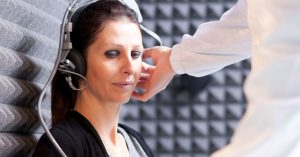
The first step is usually a hearing screening, which can be performed by an audiologist, ENT specialist, or sometimes even at primary care clinics. These screenings are quick and non-invasive, often involving a series of tones at different pitches and volumes to assess what sounds the individual can hear. Even a simple test can identify early signs of hearing decline and help guide further evaluation.
If a screening indicates potential hearing loss, a comprehensive audiological evaluation may follow. This includes pure-tone audiometry, which measures the softest sounds a person can detect across various frequencies, and speech recognition tests, which assess the ability to understand words in quiet and noisy environments. These tests provide a detailed profile of hearing ability, helping audiologists recommend the most suitable interventions.
Other assessments may include tympanometry, which evaluates the function of the middle ear, and otoacoustic emissions testing, which checks the health of the cochlear hair cells. In some cases, additional medical exams or imaging may be required if there is a concern about underlying conditions, such as ear infections, earwax buildup, or structural issues.
Regular hearing checkups are particularly important for adults over 50, even if they haven’t noticed significant problems. Early diagnosis allows for timely treatment, which can slow the impact of hearing loss, improve communication, and reduce associated risks like social isolation or cognitive decline.
With the results from these tests, individuals can work with audiologists to select appropriate hearing aids, assistive devices, or lifestyle strategies that enhance hearing and maintain quality of life.
Treatment Options and Solutions
Although age-related hearing loss is permanent, there are effective treatments and strategies to help individuals hear better, communicate more easily, and maintain an active lifestyle. The right approach depends on the severity of hearing loss, personal preferences, and lifestyle needs.
Hearing aids are the most common and effective solution for presbycusis. Modern hearing aids are small, discreet, and highly customizable, capable of amplifying certain frequencies to match the wearer’s hearing profile. Many devices now include features like noise reduction, Bluetooth connectivity, and smartphone integration, allowing users to stream calls, music, or television directly to their hearing aids.
For individuals with more severe hearing loss, cochlear implants may be an option. These devices bypass damaged parts of the inner ear and directly stimulate the auditory nerve, restoring hearing for people who no longer benefit from traditional hearing aids. Cochlear implants require surgical implantation and careful post-operative rehabilitation but can dramatically improve quality of life.
Assistive listening devices (ALDs) offer additional support, particularly in challenging listening environments. Examples include amplified telephones, personal FM systems, and TV listening devices. These tools can help reduce background noise and make communication easier in specific situations, complementing hearing aid use.
In addition to technology, communication strategies can make a significant difference. Encouraging conversation partners to speak clearly, face the listener, and reduce background noise can improve comprehension. Reading lips, using visual cues, and confirming understanding are simple habits that enhance communication without relying solely on devices.
Lifestyle changes can also support hearing health. Staying socially engaged, participating in activities that stimulate the brain, and protecting ears from further noise exposure are all beneficial. Regular checkups with an audiologist ensure that devices are working optimally and that any changes in hearing are addressed promptly.
By combining medical interventions, assistive technology, and practical communication strategies, individuals with age-related hearing loss can maintain independence, enjoy social interactions, and continue to participate fully in everyday life.
Prevention and Lifestyle Strategies
While age-related hearing loss is largely a natural part of aging, there are steps you can take to slow its progression and protect your hearing. Adopting preventive strategies early can make a significant difference in maintaining long-term auditory health and overall quality of life.
Protecting your ears from loud noise is one of the most effective measures. This includes wearing ear protection in noisy environments, keeping the volume moderate when using headphones, and limiting prolonged exposure to loud music or machinery. Even everyday sounds, when experienced consistently over time, can contribute to gradual hearing loss.
Managing overall health is equally important. Conditions like diabetes, high blood pressure, and high cholesterol can negatively impact blood flow to the inner ear, accelerating hearing decline. Maintaining a balanced diet, exercising regularly, and attending routine medical checkups can help preserve both hearing and general health.
Avoiding ototoxic medications—those that can damage hearing—is another key strategy. Certain antibiotics, chemotherapy drugs, and high-dose aspirin can contribute to hearing loss. Always discuss potential side effects with your healthcare provider and explore alternatives when possible.
Mental and social engagement also plays a role in hearing health. Staying socially active, participating in conversations, and engaging in mentally stimulating activities can help reduce the cognitive strain that often accompanies hearing loss. Social withdrawal, on the other hand, can exacerbate the impact of presbycusis and may even contribute to cognitive decline.
Regular hearing checkups are vital. Adults over 50 should consider scheduling hearing assessments every one to two years, even if no obvious issues are present. Early detection allows for timely intervention, helping to maintain communication skills and quality of life.
By combining these preventive measures with awareness and proactive management, individuals can minimize the effects of age-related hearing loss and continue to enjoy active, socially connected, and fulfilling lives.
Conclusion
Age-related hearing loss, or presbycusis, is a natural part of aging that affects millions of adults worldwide. While it develops gradually, its impact on communication, social engagement, and overall quality of life can be significant if left unaddressed. Understanding the causes, recognizing the symptoms, and seeking timely diagnosis are essential steps in managing this common condition.
Fortunately, there are effective solutions available. Hearing aids, cochlear implants, and assistive listening devices, combined with practical communication strategies, can greatly improve hearing and daily interactions. Additionally, lifestyle choices—such as protecting ears from loud noise, maintaining cardiovascular health, and staying socially and mentally active—can slow progression and support long-term auditory wellness.
Being proactive about hearing health empowers adults to maintain independence, engage fully in conversations, and enjoy a high quality of life. Regular checkups, awareness of risk factors, and early intervention are key. By taking these steps, age-related hearing loss does not have to limit social connection or personal fulfillment—helping older adults continue to live life to the fullest.
FAQ
What is the difference between normal age-related hearing changes and hearing loss?
Normal age-related changes may include slightly reduced sensitivity to very high-pitched sounds, but they don’t typically affect daily communication. Age-related hearing loss (presbycusis), on the other hand, is a gradual decline in hearing that interferes with understanding speech, following conversations in noise, and enjoying everyday sounds. Early detection and treatment are important for maintaining quality of life.
Can age-related hearing loss be prevented?
While presbycusis is largely a natural part of aging, certain strategies can help slow its progression. These include protecting your ears from loud noise, managing chronic health conditions, avoiding ototoxic medications when possible, staying socially and mentally active, and having regular hearing checkups.
What are the treatment options for age-related hearing loss?
Treatment depends on the severity of hearing loss. Common solutions include hearing aids, cochlear implants for more severe cases, and assistive listening devices. Communication strategies, such as facing the speaker and reducing background noise, also improve comprehension. A combination of technology and lifestyle adjustments often yields the best results.
How do I know if I need a hearing test?
If you frequently ask people to repeat themselves, struggle to understand conversations in noisy environments, turn up the TV or radio volume higher than others prefer, or experience ringing in the ears, it’s time to schedule a hearing assessment. Regular testing is recommended for adults over 50, even without noticeable symptoms.
Are there any lifestyle changes that can help with hearing loss?
Yes. Protecting your ears from loud sounds, managing overall health, staying socially engaged, and participating in mentally stimulating activities can all support hearing health. Early intervention, regular checkups, and proactive use of hearing devices further enhance long-term outcomes.
This article is for informational purposes only and is not a substitute for professional medical advice, diagnosis, or treatment. If you are concerned about your hearing or ear health, please consult a qualified healthcare provider.