
Difficulty hearing conversations is a challenge that affects millions of people, especially as they age. Struggling to follow discussions in social gatherings, family dinners, or even one-on-one conversations can be frustrating, isolating, and sometimes embarrassing. It can impact relationships, work performance, and overall quality of life, making it more than just a minor inconvenience.
The causes of difficulty hearing conversations are varied, ranging from natural age-related hearing changes to medical conditions, environmental factors, and even lifestyle habits. Some people may notice they can hear sounds but still struggle to understand speech, particularly in noisy settings. Others might experience intermittent hearing difficulties or find themselves asking people to repeat themselves frequently.
Understanding the root causes of these challenges is the first step toward finding effective solutions. Whether through medical intervention, technology, or simple communication strategies, there are ways to improve the ability to hear and comprehend conversations. This article explores the most common causes of difficulty hearing conversations and offers practical solutions to help individuals maintain clear communication and enhance their daily lives.
Hearing Loss and Age-Related Changes
One of the most common reasons people struggle to hear conversations is age-related hearing loss, also known as presbycusis. This type of hearing loss typically develops gradually as people grow older and affects both ears equally. It often starts with difficulty hearing higher-pitched sounds, which can make understanding speech—especially consonants like “s,” “f,” and “th”—more challenging. This subtle decline can make conversations in noisy environments particularly difficult.
Age-related hearing loss is usually caused by changes in the inner ear. Over time, the tiny hair cells in the cochlea, which are responsible for converting sound waves into electrical signals for the brain, begin to deteriorate. Once these hair cells are damaged, they cannot regenerate, leading to permanent hearing changes. Genetics also play a role; some individuals may experience hearing loss earlier than others.
The effects of presbycusis extend beyond simply not hearing sounds. Many adults with this condition can still detect voices but struggle to distinguish words, especially when multiple people are speaking or when there is background noise. This can lead to frequent requests for repetition, miscommunication, and even social withdrawal due to frustration or embarrassment.
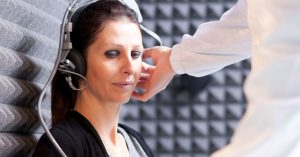
Early detection is key. Regular hearing check-ups with an audiologist can help identify hearing loss before it significantly impacts daily life. Hearing tests can measure the ability to hear different frequencies and determine whether interventions, such as hearing aids or assistive listening devices, may be beneficial.
In addition to medical devices, awareness and small lifestyle adjustments can make a difference. Positioning oneself closer to a speaker, reducing background noise, and practicing active listening are practical strategies to enhance conversation comprehension. Recognizing the early signs of age-related hearing changes and taking proactive steps can significantly improve quality of life and help maintain social connections.
Medical Conditions That Affect Hearing
Difficulty hearing conversations is not always a natural part of aging—various medical conditions can also play a significant role. Understanding these conditions is essential because many are treatable or manageable, which can help improve communication and overall hearing health.
One of the most common culprits is earwax buildup. While earwax protects the ear canal, excessive accumulation can block sound from reaching the eardrum, causing muffled hearing. This type of hearing difficulty is often temporary and can usually be resolved with safe removal by a healthcare professional.
Ear infections are another common cause. Middle ear infections, or otitis media, can lead to fluid buildup behind the eardrum, making it difficult to hear. In adults, these infections may be less frequent than in children but can still affect hearing temporarily or, in severe cases, cause lasting damage if left untreated.
Meniere’s disease is a chronic inner ear disorder that can lead to fluctuating hearing loss, tinnitus (ringing in the ears), and balance issues. Individuals with Meniere’s often experience periods where hearing in one ear becomes temporarily worse, making conversations particularly challenging.
Other systemic health conditions, such as diabetes, high blood pressure, and cardiovascular disease, can also impact hearing. Poor circulation and nerve damage associated with these conditions may reduce the ear’s ability to process sound effectively. Research has shown a link between uncontrolled diabetes and hearing loss, emphasizing the importance of overall health management in preserving auditory function.
Additionally, certain medications, known as ototoxic drugs, can affect hearing. Common examples include some antibiotics, chemotherapy agents, and high doses of aspirin. If hearing difficulties appear after starting a new medication, it’s important to consult a healthcare provider.
Recognizing when medical conditions are affecting hearing is crucial because timely intervention can prevent further decline and improve conversational clarity. Regular check-ups with an audiologist or physician can help identify the underlying causes and guide appropriate treatment, from medication adjustments to surgical options or specialized hearing therapies.
Environmental and Situational Factors
Even when hearing is healthy, certain environments and situations can make conversations difficult to follow. Understanding these external factors can help you adapt and communicate more effectively in everyday life.
Background noise is one of the most common obstacles. Restaurants, family gatherings, crowded events, or busy streets create competing sounds that make it harder for the brain to focus on speech. For people with even mild hearing loss, distinguishing words in these noisy environments can be exhausting and frustrating. Strategies like moving to a quieter area, facing the speaker, or reducing the number of simultaneous conversations can significantly improve understanding.
Poor acoustics also play a role. Rooms with hard surfaces, high ceilings, or minimal furniture can reflect sound unevenly, making voices echo or become distorted. Conversely, very soft or heavily carpeted spaces may absorb sound excessively, leaving speech muted. Simple adjustments such as adding rugs, curtains, or soft furnishings can enhance the listening environment.
Group conversations present a unique challenge. When multiple people speak at once or interrupt each other, it becomes difficult to focus on any single voice. People with hearing difficulties may find themselves missing key points or relying heavily on context to understand the discussion. Taking turns when speaking and politely requesting that speakers slow down or enunciate clearly can help maintain conversational flow.
Fast or unclear speech can also impede comprehension. Even without hearing loss, rapid talking, heavy accents, or mumbling can make it hard to catch every word. Encouraging clear articulation and not hesitating to ask for repetition can improve understanding and reduce frustration for all parties involved.
Technology can assist in managing environmental challenges. Noise-canceling microphones, personal amplifiers, and hearing aids equipped with directional microphones can help isolate speech from background noise. Awareness of environmental factors combined with practical tools and communication strategies can make a significant difference in day-to-day interactions.
By recognizing and adapting to environmental and situational factors, individuals can reduce stress and fatigue, making conversations more manageable and enjoyable, even in challenging settings.
Hearing Devices and Technological Solutions
For many people, difficulty hearing conversations can be significantly improved with the use of hearing devices and modern technology. These solutions are designed to enhance sound clarity, amplify speech, and reduce background noise, making daily interactions more manageable.
Hearing aids are the most common device used to address hearing loss. Modern hearing aids are small, discreet, and highly customizable. They work by amplifying sounds, particularly in the frequency ranges where hearing is reduced. Many models also feature directional microphones that focus on the speaker’s voice while minimizing background noise, making it easier to follow conversations in social settings. Audiologists can tailor hearing aids to an individual’s specific hearing profile, ensuring optimal performance and comfort.
Assistive listening devices (ALDs) complement hearing aids or serve as standalone tools. These include personal amplifiers, FM systems, and infrared systems that transmit sound directly from the speaker to the listener. ALDs are particularly useful in environments like classrooms, theaters, or large meetings, where distance and background noise make conversation difficult.
Cochlear implants are another option for individuals with severe hearing loss who do not benefit from traditional hearing aids. Unlike hearing aids, which amplify sound, cochlear implants bypass damaged portions of the inner ear and directly stimulate the auditory nerve, allowing the brain to perceive sound. Candidacy for cochlear implants requires evaluation by an ENT specialist and an audiologist.
Smartphone and wearable technology also provide innovative solutions. Many apps can amplify voices, transcribe conversations in real-time, or adjust hearing aid settings remotely. Bluetooth-enabled hearing aids can connect to phones, TVs, and other devices, making communication more seamless in various environments.
Choosing the right device involves professional evaluation, personal preference, and lifestyle considerations. Regular follow-ups with an audiologist ensure the device is functioning optimally and allows adjustments as hearing needs change over time.
Using hearing devices and technology not only improves the ability to hear conversations but also enhances confidence, reduces listening fatigue, and helps maintain social engagement. Combining these tools with practical communication strategies creates a comprehensive approach to managing hearing challenges effectively.
Lifestyle and Communication Strategies
In addition to medical interventions and hearing devices, lifestyle adjustments and effective communication strategies can play a crucial role in improving the ability to hear and understand conversations. These approaches help manage hearing challenges in daily life, making interactions less stressful and more enjoyable.
Positioning and seating can make a significant difference. Sitting closer to the speaker and facing them directly allows for better access to both auditory and visual cues, such as lip movements and facial expressions. In group settings, placing yourself in quieter corners or near the main speaker can reduce the impact of background noise.
Active listening techniques are also valuable. This includes maintaining eye contact, focusing attention fully on the speaker, and using non-verbal cues like nodding to signal engagement. Repeating or summarizing what the speaker has said can confirm understanding and reduce miscommunication.
Lip-reading and visual cues can complement hearing, especially for those with partial hearing loss. Watching facial expressions, gestures, and body language helps interpret the context and meaning of speech, particularly in noisy environments. Audiologists sometimes offer training programs to enhance these skills.
Auditory training exercises strengthen the brain’s ability to process sound. These exercises, which can include listening to recorded conversations, practicing distinguishing similar sounds, or using smartphone apps, help improve speech comprehension over time. Consistent practice can reduce listening fatigue and increase confidence in social interactions.
Managing lifestyle factors also supports hearing health. Limiting exposure to loud noises, wearing ear protection in noisy environments, maintaining cardiovascular health, and avoiding ototoxic medications when possible can prevent further hearing decline. Adequate sleep, stress management, and staying socially active contribute to overall cognitive and auditory functioning.
Communication strategies with others are equally important. Politely asking others to speak clearly, slowing down their speech, or repeating information can make conversations easier. Educating family members and friends about hearing challenges encourages patience and understanding, fostering more inclusive and enjoyable interactions.
By integrating these lifestyle and communication strategies with medical support and technology, individuals can significantly improve their ability to participate in conversations, maintain social connections, and enjoy a higher quality of life despite hearing difficulties.
Conclusion
Difficulty hearing conversations can stem from a variety of causes, including age-related hearing loss, medical conditions, environmental challenges, and lifestyle factors. Understanding these underlying causes is the first step toward finding effective solutions and improving daily communication.
Medical interventions, such as hearing aids, cochlear implants, and assistive listening devices, can significantly enhance the ability to hear speech clearly, particularly in noisy environments. Regular check-ups with audiologists or healthcare providers ensure that these devices are appropriately tailored and maintained. Addressing underlying medical conditions like ear infections, earwax buildup, or chronic illnesses can also restore or improve hearing function.
Equally important are lifestyle adjustments and communication strategies. Simple steps such as positioning oneself closer to a speaker, using visual cues, practicing active listening, and minimizing background noise can make conversations easier to follow. Auditory training exercises, healthy habits, and awareness of environmental factors further support hearing health and conversational clarity.
Ultimately, a comprehensive approach that combines medical support, technology, and practical communication strategies offers the best outcomes. By taking proactive steps, individuals can reduce frustration, maintain social connections, and continue enjoying meaningful interactions with family, friends, and their community. Difficulty hearing conversations does not have to mean isolation—solutions are available, and early action can make a significant difference in overall quality of life.
FAQ
What are the most common causes of difficulty hearing conversations?
Difficulty hearing conversations can result from age-related hearing loss (presbycusis), earwax buildup, ear infections, Meniere’s disease, exposure to loud noise, certain medications, and chronic health conditions such as diabetes or high blood pressure. Environmental factors, like background noise and poor acoustics, also contribute.
How can I tell if my hearing loss is affecting my ability to understand speech?
Signs include frequently asking people to repeat themselves, struggling to follow conversations in noisy environments, misunderstanding words, and experiencing listening fatigue. An audiologist can perform hearing tests to identify specific frequency losses and determine the impact on speech comprehension.
Can hearing aids help with understanding conversations in noisy environments?
Yes. Modern hearing aids often include directional microphones and noise-reduction technology that focus on the speaker’s voice while minimizing background sounds. This makes it easier to follow conversations in restaurants, meetings, and social gatherings.
Are there lifestyle changes that can improve my ability to hear conversations?
Absolutely. Strategies include positioning yourself closer to the speaker, facing them directly, using lip-reading cues, practicing active listening, and minimizing background noise. Auditory training exercises and maintaining overall health can also support better hearing and comprehension.
When should I see a professional about difficulty hearing conversations?
You should consult an audiologist or healthcare provider if you notice persistent difficulty understanding speech, frequent misunderstandings, or changes in your hearing. Early evaluation can help identify treatable causes, prevent further hearing decline, and recommend appropriate interventions.
This article is for informational purposes only and is not a substitute for professional medical advice, diagnosis, or treatment. If you are concerned about your hearing or ear health, please consult a qualified healthcare provider.