
For many adults, especially those over 50, it’s surprisingly common to hear perfectly well in quiet environments yet struggle the moment background noise appears. You might notice this challenge in busy restaurants, family gatherings, or even when the television is on while someone talks to you. This experience can feel frustrating, embarrassing, and sometimes even puzzling — especially if you’ve passed a standard hearing test and were told your hearing is “normal.”
What many people don’t realize is that hearing in noise is one of the most challenging tasks for the auditory system. Even small changes in the way the ears or brain process sound can make noisy places feel overwhelming. When competing sounds blend together, the brain has to work harder to filter out what matters — usually speech — from the clutter happening around you. As we age, or as the auditory system experiences minor damage that doesn’t show up on routine hearing exams, the ability to separate speech from noise can weaken.
This issue isn’t just a minor inconvenience. It can lead to misunderstandings, social withdrawal, communication breakdowns, and increased listening fatigue. Many adults begin turning down invitations, avoiding busy restaurants, or feeling isolated in group conversations because they simply cannot keep up in noisy environments. Fortunately, there are clear explanations for why this happens — and even better, there are effective solutions that can help.
This article will explore why you may hear well in quiet but struggle in noise, what symptoms to look out for, what causes it, and what steps you can take to improve your listening experience and overall hearing health. When you understand what’s happening, it becomes much easier to take control and find the right support.
Why Hearing in Noise Is Different From Hearing in Quiet
Hearing in quiet settings is something most people do without much effort. When only one sound source is present — like one person speaking to you — the ears collect the sound and the brain processes it with relative ease. However, the moment background noise is introduced, the listening task becomes significantly more complex. Suddenly, your brain has to decide which sounds to prioritize, which to ignore, and how to piece together speech from a mixture of competing noises.
This phenomenon is often referred to as the “cocktail party effect.” It describes the brain’s remarkable ability to focus on one voice among many. But as we age or experience changes in our auditory system, this ability can weaken. Even when your ears detect sound normally, the brain may struggle to separate a clear speech signal from surrounding noise, leading to that familiar feeling of “I can hear you talking, but I can’t understand what you’re saying.”
Another factor is that speech itself is acoustically complex. Human voices include soft consonants, subtle timing cues, and rapid shifts in frequency. In quiet, these details are easy to catch. In noise, they get covered up — especially consonants like s, f, th, and p, which are essential for speech clarity but easily masked by background sounds. As these cues become harder to detect, conversations start to feel mumbled or unclear.
Finally, the brain plays a crucial role in how we listen. Beyond simple volume, good hearing depends on processing — recognizing patterns, filling in gaps, and filtering out unimportant noise. When the auditory system becomes strained, the brain has to work harder to keep up. This added effort can lead to fatigue, frustration, and the sense that understanding speech requires much more concentration than it used to.
In short, hearing in noise is a demanding task — one that relies on both healthy ears and strong auditory processing. When either becomes compromised, the ability to understand speech in busy environments becomes noticeably more difficult.
Common Causes of Difficulty Hearing in Noise
Difficulty hearing in noisy environments can have several underlying causes — some related to the ears themselves, others linked to how the brain processes sound. Even people who perform well on standard hearing tests can struggle in noise because traditional tests measure hearing in quiet, not real-world listening. Understanding these causes can help make sense of why speech becomes so challenging in busy or loud settings.
One of the most common reasons is age-related hearing loss, also known as presbycusis. As we age, the hair cells in the inner ear gradually weaken. These tiny sensory cells help convert sound waves into electrical signals for the brain to interpret. When they become damaged or less sensitive, especially the ones that detect high-frequency sounds, speech clarity can decline. High-frequency consonants get lost in the mix, making it harder to follow conversations in places with background noise.
Another cause is something known as hidden hearing loss. This refers to damage to the synapses that connect hair cells to the auditory nerve — a type of impairment that typically doesn’t show up on a standard hearing test. People with hidden hearing loss often say, “I hear fine in quiet, but noise makes everything difficult.” This condition reduces the brain’s ability to process speech efficiently when multiple sound sources compete.
Some individuals may also struggle due to auditory processing difficulties, where the brain has trouble interpreting sound signals even though the ears are working normally. This can affect timing, pattern recognition, and the ability to filter out unwanted noise. For older adults, changes in cognitive function — such as reduced working memory or slower processing speed — can further complicate listening in noisy settings.
Noise exposure is another significant factor. Years of loud environments — concerts, machinery, traffic, or even loud earbuds — can cause subtle damage that primarily affects hearing in complex environments. Even if hearing thresholds remain within the “normal” range, background noise becomes much harder to manage.
Lastly, certain medical conditions, such as diabetes, cardiovascular disease, and autoimmune disorders, can impact the auditory system by affecting blood flow, nerve health, or inflammation levels. These changes can reduce the integrity of the hearing system and exacerbate trouble in noise.
Whether the cause is age, noise exposure, hidden hearing loss, or changes in auditory processing, the result is the same: noisy environments become overwhelming, and speech becomes harder to follow.
Signs You May Have an Underlying Hearing Issue
Struggling to hear in noisy environments isn’t always just a normal part of aging — it can be an early warning sign that your auditory system is working harder than it should. Many people don’t realize that subtle listening difficulties often appear long before noticeable hearing loss shows up on a standard hearing test. Paying attention to these signs can help you catch changes early and seek support before communication becomes more challenging.
One common sign is frequently misunderstanding words when background noise is present. You may find that speech sounds muffled or that you miss the beginning or end of sentences. Consonants like s, f, t, and th are often the first to go, making speech clarity suffer even though voices still seem loud enough. This can lead to frequent requests such as “What?” or “Can you say that again?” — especially in group conversations or busy locations.
Another signal is increased listening fatigue. If you feel mentally drained after social gatherings or find it tiring to follow conversations in restaurants or family events, it could mean your brain is compensating for changes in how sound is processed. When the brain has to strain to fill in speech details or filter out noise, the extra cognitive load can become exhausting.
You may also notice that you avoid certain environments because they feel overwhelming. Many people start turning down invitations to noisy restaurants, opting out of group activities, or choosing quieter seating whenever possible. This shift often happens gradually, sometimes without realizing it’s connected to hearing changes. Over time, this avoidance can contribute to social isolation or reduced enjoyment of activities you once loved.
Difficulty following conversations when multiple people speak at once is another common indicator. You may find that you can understand one person fairly well, but following layered conversations — like at a family dinner or social event — becomes almost impossible.
Finally, you might notice that loved ones comment on your hearing more frequently. Often, partners or family members notice patterns of misunderstanding or repeated questioning before the individual experiencing them does.
Recognizing these signs early is important. They can indicate that your hearing or auditory processing is changing, even if standard tests appear normal.
Effective Solutions and Treatments
The good news is that difficulty hearing in noise is highly manageable, and a wide range of effective solutions can significantly improve your listening experience. Modern hearing technology, combined with practical communication strategies, can make noisy settings far more comfortable and enjoyable. Even if your hearing seems “fine” in everyday quiet environments, support is available to help you better navigate challenging listening situations.
One of the most impactful options is hearing aids, especially models equipped with advanced noise-reduction features. Today’s devices use sophisticated algorithms that can distinguish speech from background noise, enhance the voices you want to hear, and suppress competing sounds. Many also include directional microphones that automatically focus on the person in front of you, making conversations clearer in restaurants, social gatherings, and other busy environments. For individuals with hidden hearing loss or early-stage difficulties, hearing aids can provide extra clarity without dramatically increasing volume.
In addition to traditional hearing aids, assistive listening devices (ALDs) can offer targeted support in specific situations. These include remote microphones, TV listening systems, and personal amplifiers that stream speech directly to your ears. Remote microphones, for example, can be clipped onto a speaker’s clothing so their voice remains clear even when background noise is present. This is particularly helpful in classrooms, meetings, or group conversations.
Beyond technology, communication strategies play an important role. Sitting closer to the speaker, reducing background noise when possible, and choosing quieter seating areas in restaurants can improve clarity instantly. Letting friends and family know about your listening preferences—such as facing you when they speak or avoiding talking from another room—can also make a meaningful difference. These adjustments empower you to stay engaged without unnecessary strain.
Another essential tool is auditory training, which strengthens the brain’s ability to process sound. These programs, often available through audiologists or online platforms, use exercises designed to improve speech understanding, memory, and sound discrimination. Over time, auditory training can enhance your ability to pick out speech from noise and ease the mental effort of listening in challenging environments.
Hydration, healthy circulation, and overall wellness also influence hearing. Conditions like diabetes, high blood pressure, and cardiovascular issues can impact auditory function, so keeping these under control may help preserve clarity in noise. If you suspect that medications or sudden changes in health are affecting your hearing, discuss this with a healthcare provider.
No single solution works for everyone, so it’s important to work with a hearing specialist to identify the right options for your needs. Whether through technology, training, or simple lifestyle adjustments, you can regain confidence and enjoy more comfortable listening in noisy situations.
When to Seek Professional Help
Knowing when to seek professional help is an important part of maintaining long-term hearing health. Many people wait years before scheduling a hearing evaluation, often because they believe their struggles “aren’t serious enough” or because they hear well in quiet and assume their hearing is still normal. However, persistent difficulty understanding speech in noisy environments is one of the earliest and most reliable signs that something in the auditory system is changing — and that it’s time to get checked.
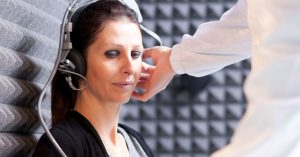
If you notice that conversations in restaurants, family gatherings, or group settings leave you confused or exhausted, it’s a good idea to schedule an appointment with an audiologist. A hearing care professional can perform specialized assessments, including speech-in-noise testing, which evaluates how well you understand speech when background sounds are present. This type of test is far more reflective of real-world listening than a standard hearing exam conducted in a quiet booth.
You should also seek professional guidance if you find that you’re frequently asking others to repeat themselves, especially in busy environments, or if you’ve begun avoiding social activities because communication feels too overwhelming. Audiologists can determine whether your challenges stem from early hearing loss, hidden hearing loss, auditory processing issues, or another underlying cause. Even if your hearing thresholds fall within the normal range, these subtle changes are important to address.
Sudden changes in hearing — including a rapid increase in difficulty hearing in noise — should never be ignored. If you experience a sudden drop in hearing clarity, ringing in the ears, dizziness, or pressure, you should seek immediate medical attention, as these symptoms may indicate a medical issue requiring prompt treatment.
Professional support doesn’t always mean you’ll need hearing aids right away. Sometimes the solution involves communication strategies, auditory training, or simple environmental adjustments. But getting baseline measurements and expert guidance allows you to stay ahead of potential changes and make informed decisions about your hearing health.
Early evaluation empowers you to take proactive steps, preserve communication abilities, and maintain your quality of life. If hearing in noise has become a consistent challenge, it’s time to have a conversation with a professional who can help you understand why — and what to do next.
Conclusion
Hearing well in quiet but struggling in noise is an experience shared by millions of adults, particularly those over 50. While it may seem like a minor inconvenience at first, this difficulty often reflects early changes in the auditory system — changes that can affect communication, confidence, and overall quality of life. Understanding why noisy environments are challenging is the first step toward managing them, and it empowers you to take control of your hearing health.
Whether the cause is early-stage hearing loss, hidden hearing loss, auditory processing changes, or years of accumulated noise exposure, the impact is real. Noisy environments become overwhelming, speech starts to feel unclear, and social interactions can become more tiring than enjoyable. Fortunately, these challenges are far from hopeless. With modern hearing technology, practical communication techniques, and professional support, you can significantly improve your ability to understand speech in complex environments.
Seeking guidance from an audiologist is an important step, even if you believe your hearing is “good enough.” Early evaluation provides valuable insight, establishes a baseline, and helps identify solutions that fit your lifestyle and listening needs. From advanced hearing aids to assistive listening devices and auditory training programs, there are tools available that can restore clarity, ease fatigue, and help you reconnect with the people and activities you value most.
Struggling in noise doesn’t have to limit your life. With the right support and a proactive approach, you can regain confidence, stay socially engaged, and enjoy clearer conversations in every environment — quiet or noisy.
FAQ
What does it mean if I hear well in quiet but struggle in noise?
This usually means that your auditory system is having difficulty separating speech from background sounds. It can be an early sign of age-related hearing loss, hidden hearing loss, or auditory processing changes — even if your standard hearing test appears normal. Noisy environments place greater demands on the ears and brain, making underlying issues more noticeable.
Why do standard hearing tests say my hearing is “normal” if I still struggle in noise?
Traditional hearing tests measure your ability to detect tones in a quiet environment. They don’t evaluate how well you understand speech in real-world noise. Many people with hidden hearing loss or early auditory changes pass a standard exam but still experience significant difficulty in busy settings. Speech-in-noise testing offers a clearer picture of these challenges.
Can hearing aids really help with hearing in noise?
Yes. Modern hearing aids use advanced algorithms to detect speech and reduce background noise. Directional microphones help focus on the speaker in front of you, while noise-reduction features minimize competing sounds. Even people with mild or early-stage difficulty often experience noticeable improvement in clarity and comfort.
Is there anything I can do besides hearing aids?
Absolutely. Assistive listening devices, remote microphones, and communication strategies can make a big difference. Auditory training programs can strengthen the brain’s processing abilities, and environmental adjustments — such as choosing quieter seating — can improve clarity in social settings. An audiologist can recommend solutions tailored to your needs.
When should I see an audiologist about my difficulty hearing in noise?
You should seek help if you frequently misunderstand speech, feel tired after conversations, avoid social events due to noise, or notice that others comment on your hearing. Persistent trouble in noise is one of the earliest signs that something is changing. A professional evaluation can identify the cause and recommend appropriate solutions.
This article is for informational purposes only and is not a substitute for professional medical advice, diagnosis, or treatment. If you are concerned about your hearing or ear health, please consult a qualified healthcare provider.