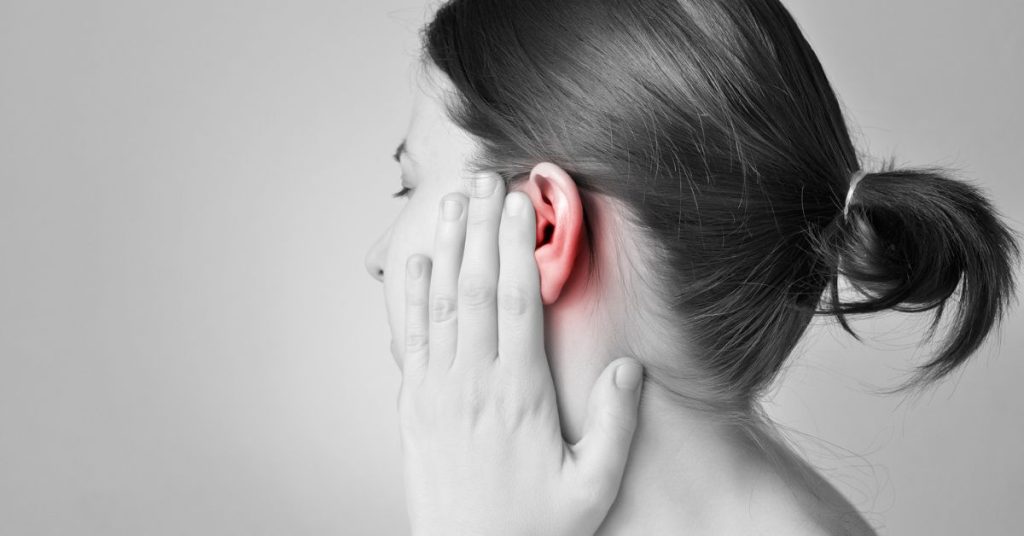
A blocked ear paired with muffled hearing is a sensation many adults experience at some point, often unexpectedly. It can feel as though sound is being filtered through a thick curtain, or as if the ear is underwater. For some people, the sensation is simply annoying; for others, it can be worrying—especially when it affects balance, communication, or overall quality of life. While this feeling is usually temporary, it’s important to understand what causes it and when it may be a sign of something more serious.
For adults over 50, this issue becomes even more common. Age-related changes in the ears, combined with factors such as allergies, sinus pressure, medication use, and cumulative exposure to noise, can make the ear more prone to blockages. Caregivers and family members may also notice loved ones asking for repetition or favoring one ear, often attributing it to “just wax” or “just getting older.” But the truth is that muffled hearing isn’t something to brush aside—it’s the ear’s way of signaling that something isn’t working as it should.
This article will guide you through the most common reasons your ear may feel blocked, from simple earwax buildup to pressure changes and underlying medical conditions. You’ll learn what’s normal, what’s treatable at home, and what signs suggest it’s time to see a hearing specialist or doctor. We’ll also explore safe and effective relief options, plus simple habits that can prevent blockages from happening in the first place.
Whether the muffled sensation has been lingering for days or comes and goes with changing weather, this guide will help you feel more informed and confident about taking the right next steps for your hearing health.
Ear Anatomy and How Blockages Affect Hearing
To understand why a blocked ear leads to muffled or distorted hearing, it helps to know how the ear is structured and how sound moves through it. The ear is made up of three main parts—the outer ear, middle ear, and inner ear—each playing an important role in transporting sound to the brain. When even one part of this delicate system is disrupted, it can create a noticeable change in hearing clarity or ear pressure.
The outer ear, which includes the ear canal, is responsible for gathering sound waves and directing them inward. A blockage in this area—most commonly earwax buildup—can physically prevent sound vibrations from reaching the eardrum effectively. Even a partial obstruction can make voices sound quieter or duller, much like plugging one side of a pair of headphones.
Once sound reaches the middle ear, it vibrates through the eardrum and three tiny bones called ossicles. This space must remain filled with air at the right pressure for the eardrum to move freely. When the Eustachian tube—which connects the middle ear to the back of the throat—fails to open properly, pressure becomes imbalanced. This trapped pressure can make the ear feel blocked or full and can affect how sound travels. Seasonal allergies, colds, sinus issues, or flying on an airplane are common triggers.
The inner ear contains the cochlea, the sensory organ responsible for turning vibrations into electrical signals for the brain to interpret. While blockages in this part of the ear are uncommon, inflammation or fluid behind the eardrum can indirectly affect the inner ear’s function. This can cause muffled hearing, ringing, or a feeling of internal pressure.
When any part of this system is compromised—whether by wax, fluid, pressure changes, or inflammation—your ability to hear clearly is affected. Sounds may seem faint, distorted, or “far away,” and your own voice may even echo inside your head. Understanding which part of the ear is affected is the first step in identifying the cause and choosing the right approach for relief.
Most Common Causes of a Blocked Ear and Muffled Hearing
A blocked ear with muffled hearing can stem from a variety of causes—some minor and easily fixed, others requiring medical attention. Understanding these common triggers can help you narrow down what’s affecting your hearing and guide you toward the safest and most effective solution. While many people assume earwax is always to blame, there are several other reasons your ear may feel clogged or sound muted.
One of the most frequent culprits is earwax buildup. Earwax is a natural substance that protects the ear canal, but it can sometimes accumulate and become impacted. This is especially common in older adults, individuals who use hearing aids or earplugs, and anyone who uses cotton swabs, which often push wax deeper rather than removing it. Impacted wax can create a sensation of fullness, cause sharp changes in hearing, and sometimes lead to temporary hearing loss.
Another major cause is Eustachian tube dysfunction, which occurs when the narrow passage connecting the middle ear to the throat becomes blocked or inflamed. This prevents proper pressure regulation and can make hearing feel muffled or distorted. Allergies, sinus infections, colds, and weather changes are common triggers. Many adults describe this sensation as “hearing through a tunnel” or “feeling like the ear won’t pop.”
Middle ear infections—known as otitis media—can also lead to a blocked sensation. Although more common in children, adults can experience middle ear infections due to allergies, respiratory infections, or fluid buildup behind the eardrum. Even without pain, fluid can accumulate and dampen sound transmission.
Seasonal or environmental allergies can contribute as well. When the nasal passages and sinuses become swollen, this inflammation often affects the Eustachian tube. As a result, pressure builds up and creates a dull, blocked feeling in one or both ears.
Another source is sinus congestion. When the sinuses swell or fill with mucus, the pathways that equalize pressure become restricted. People with chronic sinus issues often report recurring muffled hearing, especially during flare-ups or when lying down.
Less commonly, age-related hearing changes, known as presbycusis, can present as intermittent muffled hearing. While presbycusis itself doesn’t block the ear, it can make sounds seem less crisp, which can be confused with the sensation of blockage.
Even foreign objects, water trapped after swimming or showering, or sudden changes in altitude can temporarily clog the ear and affect hearing.
Understanding these triggers can help you determine whether your symptoms are temporary or require professional assessment. Many causes are minor and treatable, but others may indicate underlying health concerns that shouldn’t be ignored.
When a Blocked Ear Signals a Bigger Issue
Most cases of a blocked ear with muffled hearing are temporary and harmless, but there are times when this symptom can signal something more serious. Understanding the difference between a mild inconvenience and a potential medical concern is crucial—especially for adults over 50, who may already be at higher risk for certain ear and hearing conditions. Knowing the red flags can help you act quickly and protect your long-term hearing health.
One of the most important warning signs is sudden hearing loss, which may appear as a dramatic drop in hearing in one ear over hours or a day. This can feel like a severe blockage, but it may actually be sudden sensorineural hearing loss (SSNHL), a medical emergency requiring immediate treatment. Many people mistake this condition for congestion or earwax, delaying care that could make a significant difference in recovery. If you experience a rapid change in hearing—especially without pain—seek urgent medical attention.
Persistent or severe ear pain, dizziness, or vertigo can also indicate a more serious issue. Conditions such as Ménière’s disease, inner ear infections, or vestibular disorders can cause pressure, fullness, balance issues, and fluctuating hearing loss. These conditions often warrant evaluation by an ENT specialist or audiologist, particularly if episodes repeat or worsen over time.
Another concern is ear discharge, especially if it is foul-smelling or accompanied by sharp pain. This may signal a perforated eardrum, infection, or—more rarely—a condition known as cholesteatoma, where abnormal skin growth in the middle ear can cause progressive damage if untreated. Cholesteatomas typically begin with chronic blockages, recurrent infections, or persistent fullness.
If a blocked ear lasts longer than a few days, especially if there’s no obvious cause like a cold or allergies, it’s wise to get it assessed. Long-lasting fullness can be tied to fluid behind the eardrum, chronic Eustachian tube problems, or early signs of hearing disorders that benefit from early intervention.
Additionally, individuals with a history of head trauma, loud noise exposure, or ongoing tinnitus (ringing in the ears) should be cautious when new muffled hearing develops. These symptoms may interact or indicate a shift in ear or nerve health.
In short, while most blockages are mild and temporary, you should seek medical help if you notice sudden hearing changes, ongoing discomfort, discharge, or symptoms that don’t improve. Prompt evaluation can prevent complications, protect your hearing, and ensure you receive the right treatment at the right time.
Safe and Effective Relief Options
When your ear feels blocked and sounds are muffled, relief is often the first thing on your mind. The good news is that many causes of ear blockage can be treated safely and effectively, either at home or with help from a healthcare professional. The key is choosing the right method based on the underlying cause. Using the wrong approach—especially inserting objects into the ear—can make the problem worse, so understanding safe practices is essential.
For many people, earwax buildup is the culprit. While it may be tempting to reach for a cotton swab, this is one of the most common causes of impacted wax. Instead, safe home treatments include using warm mineral oil, olive oil, or over-the-counter ear drops designed to soften wax. Allowing these drops to sit for several minutes can help the wax loosen naturally. Ear irrigation kits may also help, but should only be used if you do not have a history of eardrum perforations, ear tubes, or ongoing ear infections. If wax is severely impacted or causing significant hearing changes, professional removal by an audiologist or ENT specialist is the safest option.
When the blockage is caused by Eustachian tube dysfunction, the goal is to reduce inflammation and restore pressure balance. Simple techniques like swallowing, yawning, chewing gum, or performing the Valsalva maneuver (gently blowing with your nose pinched) can help the ear “pop.” Warm compresses placed over the ear or side of the face may also ease pressure. For those experiencing allergies or sinus issues, nasal saline rinses, antihistamines, or intranasal steroid sprays may help reduce congestion and improve pressure regulation. Staying hydrated and using a humidifier can also support healthy ear and sinus function.
If sinus pressure or upper respiratory infections are contributing to the blocked feeling, managing the underlying inflammation is key. Over-the-counter decongestants may offer short-term relief, but should be used sparingly and avoided by individuals with certain medical conditions unless approved by a doctor. Gentle steam inhalation or warm showers can help loosen mucus naturally.
In cases of middle ear infection, treatment may vary depending on whether the infection is viral or bacterial. Adults often experience fluid buildup without severe pain. Warm compresses, rest, and hydration may help while the body heals. If symptoms worsen or persist, a healthcare provider may prescribe medication or recommend further evaluation.
When the cause is uncertain or symptoms don’t improve after a few days, seeking professional care is the safest step. Hearing specialists can perform painless ear examinations, measure middle ear pressure, and determine whether the issue is due to wax, fluid, nerve-related changes, or other conditions. Professional intervention ensures the correct diagnosis and prevents complications.
Just as important as what to do is what not to do. Avoid inserting cotton swabs, bobby pins, or any small objects into the ear canal. These can push blockages deeper, scratch the skin, or even damage the eardrum. Also avoid ear candling, which has no proven benefit and carries risk of burns or injury.
By choosing safe, evidence-based relief strategies, most cases of blocked ears and muffled hearing can be resolved quickly and comfortably. The right approach depends on understanding the cause—and when in doubt, expert help is always the best option.
Preventing Blocked Ears and Protecting Your Hearing
Preventing blocked ears and muffled hearing begins with understanding what puts your ears at risk in the first place. While some causes—like seasonal allergies or sudden altitude changes—can’t always be avoided, many daily habits and long-term lifestyle choices can significantly reduce the likelihood of experiencing ear blockages. For adults over 50, maintaining ear health becomes even more important, as age-related changes can make the ears more sensitive to wax buildup, pressure imbalances, and inflammation.
One of the simplest yet most effective prevention strategies is proper ear hygiene—and that means avoiding cotton swabs or anything inserted into the ear canal. The ear is self-cleaning, and pushing objects inside can compact wax and increase the risk of injury. Instead, gently clean the outer ear with a warm, damp cloth. If you’re prone to wax buildup, routine checkups with a hearing professional can help monitor and remove excess wax safely.
Managing sinus and allergy symptoms proactively is another crucial step. When the sinuses become congested, the Eustachian tube can quickly become swollen or blocked, leading to pressure changes and muffled hearing. Regular use of saline nasal sprays, staying hydrated, and controlling allergens in your environment can help keep the nasal passages clear. For those with chronic allergies, speaking to a healthcare provider about long-term management may significantly reduce ear-related symptoms.
Protecting your ears from excess moisture also helps prevent blockages. Water trapped in the ear canal can cause swelling or lead to infections that contribute to hearing changes. After swimming or showering, gently towel-dry the outer ear and tilt your head to allow any trapped water to escape. Custom swimming earplugs may be beneficial for individuals who frequently experience water-related ear issues.
Noise exposure, especially over many years, can weaken the delicate structures of the inner ear. While this doesn’t create a physical blockage, it can cause muffled hearing or make natural fluctuations in hearing feel more pronounced. Wearing hearing protection at concerts, during yardwork, or in loud workplaces can help preserve your long-term hearing clarity.
Routine hearing checkups—even once a year—are an excellent way to catch early signs of hearing loss, wax buildup, or underlying conditions before they become more problematic. Early detection often leads to easier, more effective treatment and gives you peace of mind.
Finally, maintaining overall wellbeing supports ear health, too. Good hydration, balanced nutrition, stress management, and avoiding smoking can all contribute to healthy Eustachian tube function and reduce inflammation throughout the body.
With consistent habits and proactive care, many causes of blocked ears and muffled hearing can be prevented or minimized. The more attention you give to your everyday ear health, the better your hearing will serve you long into the future.
Conclusion
A blocked ear accompanied by muffled hearing can be unsettling, frustrating, and disruptive—but in most cases, it’s also manageable. Whether the cause is something as simple as earwax buildup or as common as sinus congestion, understanding what’s happening inside your ear is the first step toward finding meaningful relief. For many adults, especially those over 50, these symptoms occur more often due to natural changes in the ear and increased sensitivity to pressure, inflammation, or environmental triggers.
What’s most important is recognizing when symptoms are temporary—and when they signal something that needs professional attention. Sudden hearing loss, persistent fullness, dizziness, ear discharge, or symptoms that don’t improve within a few days should never be ignored. Early evaluation often leads to quicker, more effective treatment and can prevent long-term complications.
By adopting healthy ear care habits, managing allergies and sinus issues, and seeking routine hearing checkups, you can significantly reduce the likelihood of recurring blockages. Simple lifestyle steps—like avoiding cotton swabs, using humidifiers, protecting your ears from loud noise, and staying hydrated—can go a long way toward keeping your ears functioning comfortably and clearly.
While a blocked ear can be a temporary inconvenience, it can also be your body’s way of asking for attention. With the right knowledge and strategies, you can protect your hearing, address issues early, and enjoy clearer, more confident listening in your daily life.
FAQ
What causes sudden muffled hearing in one ear?
Sudden muffled hearing in one ear can result from earwax impaction, fluid buildup, sinus pressure, or a sudden change in ear pressure. However, if the change is dramatic and happens within hours, it may indicate sudden sensorineural hearing loss (SSNHL), which is a medical emergency. Immediate evaluation by a healthcare provider is essential to improve the chances of recovery.
How long should a blocked ear last before I see a doctor?
If your ear feels blocked for more than a few days—especially if there’s no obvious cause such as a cold or allergies—it’s a good idea to seek medical advice. You should also see a doctor sooner if you notice severe pain, dizziness, drainage, or a sudden drop in hearing, as these can indicate more serious conditions.
Can allergies really make my ears feel clogged?
Yes. Allergies can cause inflammation in the sinuses and nasal passages, which affects the Eustachian tube—the channel that equalizes pressure in the middle ear. When this tube becomes swollen or blocked, it can create a feeling of fullness, pressure, or muffled hearing. Managing allergy symptoms can help relieve and prevent ear blockage.
Is it safe to remove earwax at home?
Some at-home methods, such as using warm mineral oil or over-the-counter ear drops, can safely soften and loosen earwax. However, inserting cotton swabs, bobby pins, or other objects into the ear canal is never recommended, as it can push wax deeper and cause injury. If wax is impacted or your hearing is significantly affected, professional removal is the safest option.
Why does my ear feel clogged when I have a cold or sinus infection?
A cold or sinus infection often causes swelling and mucus buildup in the nasal passages and Eustachian tube. When the tube can’t open properly, pressure builds up in the middle ear, leading to a blocked sensation or muffled hearing. As the congestion clears, the ear usually returns to normal—but persistent symptoms may require medical evaluation.
“This article is for informational purposes only and is not a substitute for professional medical advice, diagnosis, or treatment. If you are concerned about your hearing or ear health, please consult a qualified healthcare provider.”