Every day, we move through a world filled with sound—some pleasant, some unavoidable, and some potentially harmful. While it’s easy to assume that hearing loss only occurs from extremely loud situations, like concerts or construction sites, the truth is that many common daily noises can quietly accumulate and impact hearing health over time. For adults over 50, whose ears may already be more sensitive due to age-related changes, understanding how loud everyday sounds really are becomes even more important.
In this introduction, we’ll explore why being aware of safe decibel levels matters and how noise exposure affects hearing. Many people don’t realize that the difference between “safe” and “unsafe” noise is not just about loudness—it’s also about how long you’re exposed. A moderate sound that goes on for hours can be just as harmful as a brief loud burst. This article will equip you with clear, easy-to-use information on what decibel levels are considered safe, how they appear in typical environments, and what you can do to prevent damage before it starts.
By getting to know everyday noise levels, you can take simple steps to protect your ears, maintain your communication ability, and support your overall well-being. Your hearing plays a vital part in connecting you with loved ones, enjoying social activities, and staying engaged with the world around you—so learning how to safeguard it is one of the most valuable investments you can make.
What Are Decibels? Understanding the Basics of Sound Levels
Decibels, or dB, are the units used to measure the intensity of sound. While the concept may seem technical at first, understanding the basics can make a big difference in how you protect your hearing. Sound is essentially a form of energy that travels in waves, and decibels help us quantify how powerful those waves are. One important thing to know is that the decibel scale is logarithmic, not linear—meaning that a small numerical increase on the scale represents a large jump in sound intensity. For example, a sound measured at 70 dB is actually ten times more intense than one measured at 60 dB, even though it doesn’t look like a big change on paper.
This is why even moderate increases in sound levels can quickly push listening environments from safe to risky. Health experts generally consider exposure to noise at or below 70 dB as safe for long periods. However, once you exceed 85 dB, the risk of permanent hearing damage begins to rise, especially if the exposure lasts more than a few minutes. The relationship between loudness and exposure time is a key part of understanding how to navigate daily life safely. A loud moment may be fine if it’s brief, but a moderately loud sound over hours can have long-term consequences.
You’ll also encounter important terms like “safe listening levels” and “exposure limits.” Safe listening levels are everyday sounds that do not put your hearing at risk, even after extended exposure. Exposure limits, on the other hand, tell you how long you can safely be in a louder environment before damage becomes likely. Knowing these concepts empowers you to make informed choices—whether you’re adjusting the volume on your headphones, choosing a quieter restaurant, or recognizing when to use hearing protection.
Understanding how decibels work lays the foundation for the rest of this guide. With this knowledge, you’ll be better equipped to evaluate the sounds around you and take proactive steps to preserve your hearing for the long term.
Safe Decibel Levels for Everyday Environments
Most people move through their day without thinking about how loud their surroundings really are. Yet everyday environments—from your living room to the freeway—can expose you to a wide range of decibel levels. Understanding what’s considered safe, borderline, or harmful can help you make smarter choices that protect your long-term hearing.
Health organizations such as the World Health Organization (WHO) and the National Institute for Occupational Safety and Health (NIOSH) commonly agree on a few core guidelines. Continuous noise at or below 70 dB is generally considered safe for any duration. Once noise levels reach 85 dB, however, the chance of permanent hearing damage begins to increase. The louder the sound, the shorter the safe exposure window becomes. For example, exposure to 85 dB may be safe for up to 8 hours, while exposure to 100 dB reduces that window to just 15 minutes. This helps explain why activities like mowing the lawn or attending a sporting event can have more impact than you might expect.
Here is an easy-to-understand reference chart showing common daily sounds and where they fall on the safety scale:
Safe Range (Below 70 dB)
Whisper: 30 dB
Quiet home or office: 40 dB
Normal conversation: 60 dB
Dishwasher (modern, quiet models): 55–65 dB
Caution Range (70–85 dB)
Busy street traffic: 70–85 dB
Vacuum cleaner: 70–80 dB
Washing machine: 70–75 dB
Loud restaurant: 75–85 dB
Unsafe Range (Above 85 dB)
Power tools (drills, saws): 90–110 dB
Motorcycles: 95–110 dB
Leaf blower: 95–105 dB
Movie theaters (loud scenes): 85–100 dB
Headphones at high volume: 95–110 dB
Concerts or sporting events: 100–120 dB
Sirens (close range): 120–140 dB
These numbers highlight how easy it is to encounter unsafe noise, even in everyday settings. A casual dinner out with friends may hover around the caution range, while yard work or traffic can easily push into unsafe territory. The real risk comes from prolonged exposure, especially if you’re frequently in environments that consistently exceed recommended levels.
By becoming familiar with these sound ranges, you can start identifying which daily activities are truly safe, which require caution, and which might call for hearing protection. This awareness empowers you to make small adjustments that can have a big impact on preserving your hearing health.
How Everyday Activities Impact Hearing Health
Even when we don’t notice it, many everyday activities expose us to noise levels that can slowly chip away at our hearing. While some sounds are obviously loud—such as sirens or power tools—others are deceptively moderate but last long enough to become harmful. Understanding how typical routines and experiences affect your ears can help you take meaningful steps to reduce your overall exposure.
Take commuting, for example. Whether you’re driving on a highway or riding public transportation, the noise levels can easily fall into the caution range. Car interiors often reach 70–85 dB, especially at higher speeds, while subway cars can exceed 90 dB, particularly when braking or accelerating. While a daily commute may not seem loud, the long, consistent exposure adds up over time. For those with longer travel times, the continuous noise can be enough to cause auditory fatigue or even early hearing changes.
Household chores are another area where noise exposure catches many people off guard. Vacuum cleaners, blenders, hair dryers, and lawn equipment commonly produce sounds between 70 and 100 dB. Individually, using these tools for a few minutes may not pose a major risk; however, frequent use without breaks or hearing protection can add to cumulative exposure, especially for individuals already sensitive to sound. Yard work tools, like leaf blowers or lawnmowers, often exceed safe limits entirely and should be used with ear protection whenever possible.
Social environments also play a major role in daily sound exposure. Restaurants, cafés, and family gatherings often create noise levels high enough to strain the ears. A loud restaurant may register at 80–90 dB, making it difficult to follow conversations and forcing people to speak louder. This added vocal effort can contribute to stress and listening fatigue, especially for adults with existing hearing loss. Events such as weddings, community celebrations, or live performances regularly push into unsafe levels, even though they are enjoyable and social.
Our personal technology habits also influence our hearing health. Headphones and earbuds have become essential for many people, but using them at high volumes—even for short periods—can expose the ears to levels above 95 dB, well into the danger zone. Smartphone volume limits are helpful, but many users still listen at levels that could cause long-term harm. Choosing safe listening settings and taking regular breaks is crucial for preventing cumulative damage.
Recognizing how these everyday activities add up empowers you to make healthier choices. Whether it’s shortening exposure time, taking quiet breaks, or using hearing protection, small adjustments can significantly reduce your overall noise load and help preserve your hearing for years to come.
Warning Signs of Unsafe Sound Exposure
Noise-related hearing damage rarely happens all at once. Instead, it often develops slowly and subtly, making it easy to overlook the early warning signs. Recognizing these signals can help you take immediate action to protect your hearing before the effects become permanent. Many adults, especially those over 50, mistakenly attribute early symptoms to “getting older” when, in fact, the issue may be preventable noise exposure.
One of the most common early indicators is temporary threshold shift, which is a temporary decrease in your ability to hear soft sounds after being exposed to loud noise. You may notice that voices sound muffled, or you need to turn up the TV more than usual. Although this shift often returns to normal after a few hours, repeated episodes can lead to permanent damage. If you’ve ever left a loud event and noticed your hearing seems “off,” that’s your ears signaling stress.
Another frequent sign is tinnitus, or ringing in the ears. Tinnitus can sound like buzzing, humming, chirping, or whooshing, and it may come and go depending on your exposure. While occasional tinnitus after loud noise is common, ongoing or worsening tinnitus is a sign that your auditory system may be under strain. Many people ignore these episodes, but they are important warnings that your ears need protection.
You may also experience auditory fatigue, where listening becomes more difficult than usual. This fatigue can show up as trouble understanding speech in noisy environments or needing to ask people to repeat themselves more often. Even if the overall volume of the environment doesn’t seem extreme, prolonged exposure to moderately loud surroundings can exhaust the auditory system, just like overworking any other part of your body.
Some people notice increased sensitivity to sound, known as hyperacusis. Everyday noises, such as clattering dishes or running appliances, may start to feel unusually loud or uncomfortable. This sensitivity can indicate that the inner ear has been overstimulated and is struggling to regulate sound signals properly.
Finally, you may find yourself withdrawing from social situations because listening becomes tiring or overwhelming. This is a subtle but important sign that your hearing may be under stress. Difficulty engaging in conversations, especially in noisy places, can point to early hearing changes—often linked to both aging and noise exposure.
Paying attention to these warning signs gives you the chance to respond quickly with healthier listening habits. If symptoms persist, it’s always wise to consult a hearing professional for a comprehensive evaluation. Early intervention is one of the best ways to preserve your hearing and maintain your quality of life.
How to Reduce Noise Exposure and Protect Your Hearing
Protecting your hearing doesn’t require sweeping lifestyle changes—small, practical adjustments can make a meaningful difference. The key is building awareness of when sound levels may be too high and taking proactive steps to keep your exposure within safe limits. With a bit of planning and a few simple tools, you can significantly reduce your risk of long-term hearing damage.
One of the most effective strategies is to use hearing protection when you know you’ll be exposed to loud environments. Foam earplugs, reusable silicone plugs, and over-ear earmuffs are all excellent options that can reduce noise by 15–30 dB. They’re especially useful during yard work, at concerts, in workshops, or on airplanes. Many people think ear protection is only for the extremely loud situations, but using it during moderately noisy tasks—like vacuuming or using kitchen appliances—can also help reduce cumulative exposure.
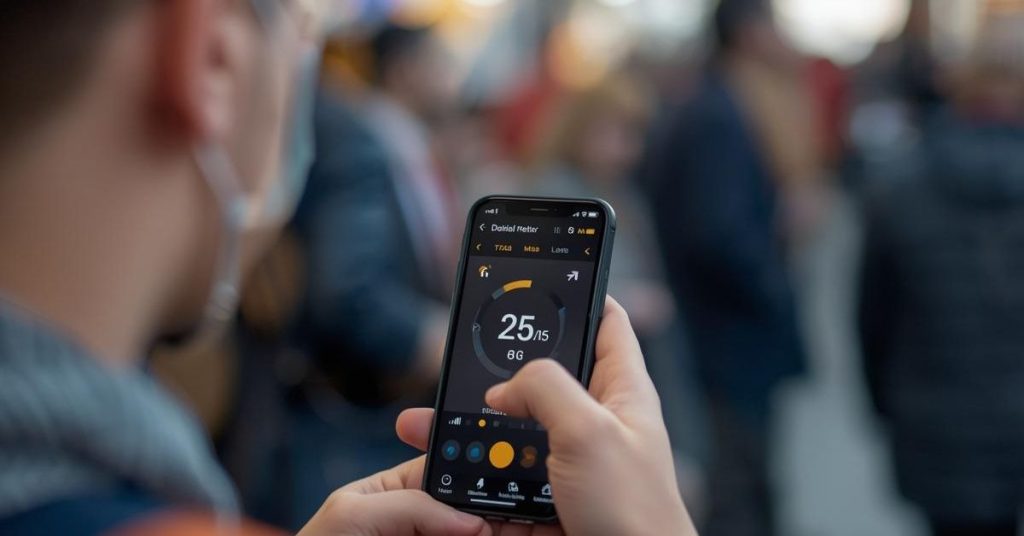
Technology can also work in your favor. Decibel-meter smartphone apps allow you to measure sound levels in real time, giving you instant feedback on whether an environment is safe. These tools can be eye-opening, especially in places like restaurants or gyms where noise may be much higher than expected. If an environment consistently measures above 85 dB, limiting your time there or choosing quieter alternatives can help protect your ears.
Your personal audio habits are another major factor in long-term hearing health. Many smartphones and headphones now include volume-limiting features that cap output at safer levels. A good rule of thumb is the 60/60 guideline: listen at no more than 60% volume for no more than 60 minutes at a time. Noise-canceling headphones can also be helpful because they reduce the need to turn up the volume in loud environments.
It’s also important to build quiet breaks into your day. After being in a noisy environment, giving your ears time to rest helps them recover, reducing the risk of fatigue and long-term stress. Even a few minutes in a calm space can make a difference. If you work or live in a consistently noisy setting, these breaks become especially valuable.
Finally, consider making environmental adjustments to reduce noise at home. Adding soft furnishings like rugs or curtains can help absorb sound. Choosing quieter appliances, closing windows during high-traffic hours, or designating a quiet room for relaxation can all help lower your daily exposure.
Taking steps to manage noise exposure is one of the most powerful ways to protect your hearing throughout your life. By combining smart habits, simple tools, and a little daily awareness, you can support healthier hearing and preserve your ability to enjoy the sounds that matter most.
Conclusion
Hearing is one of our most valuable senses, connecting us to loved ones, enriching everyday experiences, and supporting our independence as we age. Yet the sounds we encounter every day—many of which we barely notice—can gradually impact our hearing health if we’re not aware of how loud they truly are. By understanding safe decibel levels, recognizing the warning signs of overexposure, and taking simple steps to manage daily noise, you can make meaningful choices that protect your ears for years to come.
The good news is that hearing preservation doesn’t require perfection—it simply requires awareness. Whether it’s using hearing protection during loud activities, lowering the volume on personal devices, choosing quieter environments, or giving your ears time to rest, each small action helps reduce your overall exposure. For adults over 50, who may already be navigating age-related hearing changes, these habits are especially important and can greatly improve long-term communication and quality of life.
Staying mindful of safe decibel levels empowers you to enjoy your world without compromising your hearing. With a little intention and consistent practice, you can keep the sounds you love—conversations, music, laughter—clear and vibrant for many years ahead.
FAQ
What decibel level is considered safe for daily exposure?
Most experts agree that sounds at or below 70 dB are safe for long-term exposure. Noise above 85 dB increases the risk of hearing damage, especially when exposure is frequent or prolonged.
How long can I safely be around loud noises?
Safe exposure time decreases as noise levels increase. At 85 dB, you can be exposed for about 8 hours. At 100 dB, safe exposure drops to roughly 15 minutes. Louder sounds can cause immediate damage.
Are headphones harmful to hearing?
Headphones are safe when used at moderate volumes. Following the 60/60 rule—60% volume for no more than 60 minutes at a time—helps minimize risk. Noise-canceling headphones can also reduce the need to increase volume in noisy environments.
What are the early signs of noise-induced hearing loss?
Common signs include muffled hearing, difficulty understanding speech, ringing in the ears (tinnitus), and feeling exhausted after listening in noisy places. These symptoms should not be ignored, as they can signal early damage.
Can hearing damage from loud noise be reversed?
Most noise-induced hearing loss is permanent. However, early intervention—such as reducing exposure, using hearing protection, and consulting a professional—can prevent further damage and improve overall hearing health.
This article is for informational purposes only and is not a substitute for professional medical advice, diagnosis, or treatment. If you are concerned about your hearing or ear health, please consult a qualified healthcare provider.