Noise is a constant part of daily life, but most people don’t realize how much sound they’re exposed to—or how quickly certain noise levels can harm their hearing. Whether it’s the steady hum of appliances, traffic on a busy street, or the sudden burst of a lawn mower or power tool, repeated exposure to loud sounds adds up over time. Tracking noise exposure gives you the information you need to understand your personal risk and take steps to protect your long-term hearing health.
For adults 50 and older, keeping an eye on noise levels is especially important. Age-related hearing decline can make ears more vulnerable to additional damage from loud environments, and many people unintentionally push their limits without realizing it. By learning how to monitor sound levels and make simple adjustments, you can prevent unnecessary strain on your ears and maintain better hearing for years to come.
This article offers practical, easy-to-use tools and methods to help you keep track of noise exposure wherever you go. From smartphone apps to wearable technology and built-in features on modern devices, you’ll discover that monitoring noise is more accessible than ever. More importantly, you’ll learn how to turn those measurements into healthier habits that protect your ears every day.
Understanding Noise Exposure and Its Impact on Hearing
To understand why tracking noise exposure matters, it helps to know what sound levels actually mean for your ears. Noise is measured in decibels (dB), and while the scale may seem simple, its effect on hearing is anything but. Decibels work on a logarithmic scale—meaning that every increase of 10 dB represents ten times more sound intensity. What may seem like a small difference on paper can create a dramatically higher risk of hearing damage in real life.
Prolonged exposure to sounds at or above 70 dB can begin to cause harm over time, while noises above 85 dB may lead to permanent hearing loss much faster. Common activities can easily exceed these limits: power tools, concerts, sporting events, and even loud restaurants often reach levels where protection or monitoring becomes necessary. Unfortunately, noise-induced hearing loss tends to happen gradually, making it easy to underestimate how much sound your ears are taking in each day.
The real challenge is cumulative exposure. Your ears don’t get a “reset button” at the end of the day—instead, every loud environment adds to your overall lifetime risk. Even short periods of high noise can contribute to long-term damage, especially when combined with age-related hearing changes. This is why tracking noise exposure is so valuable: it helps you spot risky patterns you might otherwise overlook.
Understanding the science behind noise and its effects empowers you to make informed choices. By becoming aware of what constitutes safe versus harmful sound levels, you can begin using noise-tracking tools more effectively and take stronger control of your hearing health. With this foundation in place, you’ll be better prepared to identify hidden sources of everyday noise and adjust your habits to protect your ears.
Everyday Sources of Harmful Noise You Might Be Overlooking
Many people associate harmful noise with obvious culprits like concerts, fireworks, or construction sites. While these certainly pose risks, the everyday sounds that gradually chip away at hearing health are often much more subtle. Recognizing these hidden sources is a key part of understanding your true noise exposure and why tracking matters.
At home, several common appliances reach damaging decibel levels without you realizing it. Vacuum cleaners, blenders, hair dryers, and even older dishwashers can fall within the 70–90 dB range—loud enough to contribute to long-term hearing damage when used frequently and at close range. Yard equipment such as lawn mowers, leaf blowers, and hedge trimmers often exceed 85 dB, meaning they can cause harm in as little as one hour without hearing protection. When these activities become part of your routine, your daily exposure can climb quickly.
Work environments add another layer of risk, even for jobs that might not seem noisy at first glance. Open office spaces can regularly hit 65–75 dB, and warehouses, restaurants, healthcare facilities, and manufacturing settings often hit higher peaks. Even if noise levels remain “moderate,” the sheer duration of exposure throughout an entire workday can push your ears past safe limits. Tracking tools can help identify when you’re spending more time in elevated noise than you realize.
Recreational activities can also be surprisingly loud. Gyms frequently play music at 80–95 dB. Sporting events, bars, and movie theaters can surpass the 100 dB mark. Personal audio devices—especially with earbuds—can reach levels that exceed safe listening thresholds if the volume creeps above 60–70% of maximum output. All of these environments contribute to your overall daily exposure.
Because noise-induced damage builds gradually, many people underestimate how much sound surrounds them. That’s why tracking exposure is so helpful: it brings hidden patterns to light and empowers you to take meaningful steps to reduce risk. Once you’re aware of where your loudest moments happen, you can start using tools and technology to monitor them effectively.
Tools and Technology to Track Noise Exposure
Tracking noise exposure has become easier than ever thanks to modern technology. Whether you prefer a simple smartphone app or a more advanced wearable device, there are tools available for every lifestyle and comfort level. These technologies help you measure real-time noise levels, monitor cumulative exposure, and understand when you’re nearing potentially harmful thresholds. By using them consistently, you gain a clearer picture of your hearing health and can make informed decisions throughout your day.
One of the most accessible options is the smartphone decibel meter app. Both Android and iOS devices offer a wide selection of apps that use the phone’s built-in microphone to estimate sound levels. While not as precise as professional equipment, many of these apps are accurate enough to guide everyday safety decisions. Some apps even provide exposure timers, alerts when sound exceeds safe levels, and visual graphs to help you track patterns over time. They’re especially handy for checking noise during activities like mowing the lawn, attending events, or working in a busy environment.
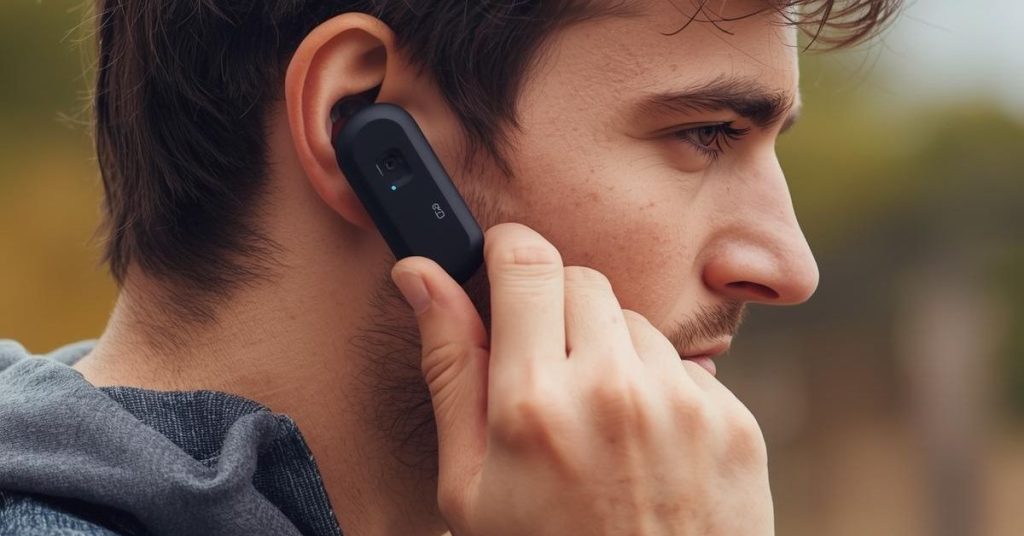
Wearable technology takes monitoring to the next level. Smartwatches, noise-monitoring earbuds, and fitness devices often include built-in noise tracking features that provide continuous, passive monitoring. These tools automatically alert you when sound levels become risky, giving you immediate feedback during daily routines. For people who spend long stretches in potentially noisy environments—whether at work or during hobbies—wearables offer an effortless way to stay informed without having to constantly check an app.
Some modern smartphones and earbuds also provide cumulative exposure tracking, calculating how much noise your ears experience across the day or week. This long-term view is especially helpful because it shows patterns you may not notice in the moment. If your daily exposure regularly creeps above recommended limits, your device may issue warnings or suggest using hearing protection.
For those who want even more accuracy, professional sound level meters are available and commonly used in workplaces where noise safety is regulated. These devices meet standardized criteria and offer highly precise measurements. While they’re not necessary for most individuals, they can be useful for people managing workshops, musicians concerned about practice environments, or anyone regularly exposed to high-intensity noise.
With so many tools now widely accessible, monitoring your noise exposure is no longer complicated or expensive. What matters most is choosing a solution that fits easily into your daily life so you can make safer choices with confidence.
How to Use Noise Tracking to Build Safer Hearing Habits
Tracking noise exposure is only the first step—what you do with that information is what truly protects your hearing. Once you begin monitoring your environment with apps, wearables, or built-in device features, you’ll start to notice patterns: certain activities spike your exposure, some environments are consistently loud, and a few moments each day may push you past safe limits. Understanding how to interpret these readings helps you turn raw data into practical habits that preserve your hearing over time.
Start by paying attention to decibel levels and exposure durations. If your device alerts you that sound is above 85 dB, take it seriously. Even seemingly brief exposure—15 to 30 minutes—can contribute to permanent hearing damage if repeated often. When you see spikes like these on your noise log, consider adjusting your environment. This might mean stepping away from a loud area, lowering the volume on personal devices, or limiting how long you stay in noisy spaces. Small changes made consistently can drastically reduce cumulative damage.
Noise tracking can also help you plan ahead. If you know certain household tasks—like vacuuming, mowing, or using a blender—push your sound levels into harmful ranges, you can prepare accordingly. Wearing foam or reusable earplugs, switching to quieter appliances when possible, or choosing times of day when you can control the noise more effectively all contribute to safer habits. For activities like concerts or sporting events, bring hearing protection and monitor your phone’s decibel meter to gauge when you should take a break or step outside for a few minutes.
Personal audio use is another area where noise tracking plays a valuable role. Many modern devices warn you when headphone volume is too loud, and some even track how long you’ve been listening at higher levels. Use these insights to keep your volume at safer levels—typically no more than 60% of maximum—and take listening breaks to reduce strain on your ears. If you notice that your weekly exposure is creeping upward, consider using noise-cancelling headphones so you don’t need to turn up the volume as much in loud environments.
Over time, these tools help you develop a more intuitive sense of what “too loud” really feels like. The more you track and observe, the more naturally you’ll recognize situations where your ears need protection. By applying this awareness consistently, you can significantly reduce the risk of noise-induced hearing loss and maintain better hearing health for years to come.
When to Seek Professional Help for Noise Exposure Concerns
Even with careful tracking and healthier hearing habits, it’s important to know when noise exposure may already be affecting your hearing. Many early signs of hearing damage are subtle, developing gradually over months or even years. Paying attention to these warning signals—and seeking help promptly—can make a meaningful difference in preserving your long-term hearing health.
One of the first clues that your ears may be under stress is difficulty understanding speech, especially in noisy environments. If you find yourself asking others to repeat themselves, feeling like people are mumbling, or struggling to follow conversations in restaurants or group settings, these could be signs of early noise-induced changes. Ringing or buzzing in the ears (tinnitus) after being in a loud environment is another red flag, even if it fades after a few hours. Repeated episodes of temporary tinnitus often indicate underlying damage that can become permanent if exposure continues.
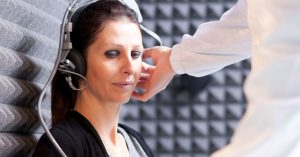
If you notice unusual spikes in your noise-tracking data—such as consistently high daily exposure levels or frequent warnings from your device—it’s a good idea to bring this information to a hearing care professional. Audiologists can perform comprehensive hearing tests to determine whether noise has caused measurable changes. They can also evaluate your risk level based on your lifestyle, work environment, and tracking results, then recommend protective strategies tailored to your needs.
In some cases, hearing specialists may suggest additional assessments, such as speech-in-noise testing or extended high-frequency audiometry, which can reveal early damage not always detected by standard hearing tests. These evaluations can help you understand your hearing health more clearly and take proactive steps to prevent further decline.
Seeking help doesn’t mean something is “wrong”—it’s simply part of taking good care of your ears. Just as you would monitor your blood pressure or vision, regular hearing check-ups allow you to stay ahead of potential issues. By acting early, especially if you notice warning signs or concerning patterns in your noise exposure, you can protect your hearing more effectively and maintain a higher quality of life.
Conclusion
Protecting your hearing begins with awareness, and tracking your daily noise exposure is one of the most effective tools you have. Modern technology makes it easier than ever to monitor the sounds around you, recognize when levels become risky, and take proactive steps to protect your ears. By paying attention to both momentary spikes and cumulative exposure throughout the day, you gain valuable insight into how your environment affects your long-term hearing health.
The information you gather empowers you to build better habits—lowering volumes, using hearing protection, limiting time in noisy places, or stepping away from loud environments when needed. These small adjustments add up, especially for adults navigating both age-related changes and the daily noise of modern life. By being mindful and consistent, you can significantly reduce the risk of noise-induced hearing loss and preserve your hearing for years to come.
Most importantly, tracking noise exposure helps you understand your unique risk profile. Everyone’s daily routine is different, and your tools will help you identify the moments that matter most. Whether at home, work, or during leisure activities, you have the ability to make informed decisions that safeguard your hearing. With a little awareness and the right technology, protecting your ears becomes not just simple, but empowering.
FAQ
What is a safe daily noise exposure level?
Safe daily exposure generally means keeping sounds below 70 dB over long periods and limiting time spent above 85 dB. Noise at or above 85 dB can cause permanent hearing damage with repeated or prolonged exposure. Using a decibel meter or noise-tracking device can help you stay within safer limits by alerting you when levels rise too high.
Are smartphone noise meter apps accurate enough?
Most smartphone apps provide reasonably accurate estimates for everyday use. While they’re not as precise as professional-grade meters, they’re reliable enough to help you identify when environments may pose a risk. For general awareness, pattern tracking, and making safer choices, these apps are a practical option.
How can I reduce noise exposure without changing my lifestyle?
Small adjustments can make a big difference. Lowering the volume of personal audio devices, wearing earplugs in loud environments, choosing quieter appliances, and taking breaks from noisy spaces are easy ways to reduce exposure. Noise-cancelling headphones can also help by allowing you to listen at lower volumes in loud places.
Should I worry about noise exposure at home?
Yes—home environments often contain overlooked noise sources like vacuums, blenders, hair dryers, and yard equipment that can reach harmful decibel levels. Tracking noise at home helps you identify these spikes and use hearing protection when appropriate.
When should I see a hearing specialist about noise exposure?
You should consider seeing an audiologist if you notice difficulty hearing speech, frequent ringing in your ears, muffled hearing after loud events, or consistently high readings in your noise-tracking data. Early evaluation can help prevent further damage and provide guidance tailored to your lifestyle.
This article is for informational purposes only and is not a substitute for professional medical advice, diagnosis, or treatment. If you are concerned about your hearing or ear health, please consult a qualified healthcare provider.