
Hearing is one of the most vital senses, yet it’s often overlooked—especially as we age. Many adults over 50 experience some degree of hearing loss, but they may not realize it until it starts affecting daily life. Struggling to follow conversations, turning up the TV volume, or frequently asking others to repeat themselves are common signs that it’s time for a hearing check.
The good news is that getting a hearing test is easier than many people think. Modern hearing assessments are quick, painless, and widely accessible, whether you choose to visit a professional audiologist, an ear, nose, and throat (ENT) clinic, or even explore telehealth options. Early detection is key—not only does it help you address hearing issues promptly, but it also supports better communication, safety, and overall quality of life.
In this guide, we’ll walk you through everything you need to know about hearing tests: what they involve, where you can get tested, how to prepare, and what to expect after the results. By the end, you’ll feel confident taking the next step toward protecting your hearing health.
Understanding Hearing Tests
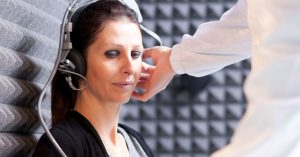
Hearing tests are the cornerstone of maintaining good auditory health, and understanding what they involve can make the experience far less intimidating. At their core, hearing tests are designed to measure your ability to detect sounds at different pitches and volumes, helping professionals identify any degree or type of hearing loss. These tests are painless, non-invasive, and usually take less than an hour to complete.
There are several types of hearing assessments you might encounter. The most common is pure-tone audiometry, where you wear headphones and listen for tones at various frequencies and volumes, signaling when you hear a sound. This test helps determine the softest sounds you can detect, known as your hearing threshold. Another standard test is speech audiometry, which evaluates how well you can understand words spoken at different volumes, often in quiet and noisy environments. This is especially useful because many adults over 50 struggle more with speech comprehension than detecting pure tones.
For those experiencing more complex issues, an audiologist may conduct tympanometry, which measures how well your middle ear is functioning, or otoacoustic emissions (OAE) testing, which checks the health of the inner ear by analyzing sounds produced by the ear itself. In some cases, specialized balance tests are included because hearing and balance are closely connected through the inner ear.
Understanding your hearing test results is equally important. Audiologists provide a detailed report that includes an audiogram, a visual chart that shows the quietest sounds you can hear at each frequency. These results help identify whether hearing loss is mild, moderate, severe, or profound, and whether it affects one ear or both. With this information, healthcare professionals can recommend the best approach—whether that’s monitoring your hearing, lifestyle adjustments, or hearing aids.
Knowing what to expect from a hearing test can reduce anxiety and make the process more approachable. Remember, getting tested is a proactive step toward better hearing health, not a sign that something is “wrong.” Many people report feeling empowered and relieved after their first assessment, knowing they have a clear understanding of their hearing and how to manage it effectively.
Where to Get a Hearing Test
Finding the right place for a hearing test is an important step in maintaining your auditory health. Fortunately, there are several accessible options, ranging from specialized clinics to primary care offices, and even online or telehealth assessments. Choosing the right provider depends on your needs, convenience, and level of comfort.
Audiologists are healthcare professionals specifically trained in diagnosing and treating hearing loss. They perform comprehensive hearing assessments, interpret results, and provide recommendations, including fitting hearing aids or other assistive devices. Audiology clinics are often the preferred choice for adults seeking a thorough, professional evaluation and personalized care. Many audiologists also offer follow-up appointments to monitor changes in hearing over time.
ENT (Ear, Nose, and Throat) clinics are another excellent option. ENT specialists can identify hearing loss caused by medical conditions, such as infections, earwax buildup, or age-related changes. If your hearing issues may be related to an underlying medical problem, starting with an ENT ensures that you receive both a diagnosis and appropriate treatment. ENT clinics typically have audiologists on staff, so you can get a comprehensive assessment in one visit.
Hearing centers and retail clinics are widely available and often offer quick, convenient testing. Some centers may provide free basic hearing screenings, while others charge for more in-depth evaluations. These locations are ideal for people looking for a straightforward assessment, especially if they want to explore hearing aids immediately after testing. However, it’s important to ensure that the staff are licensed audiologists rather than sales-focused personnel, as professional expertise is crucial for accurate results.
Primary care offices sometimes offer basic hearing screenings during routine checkups, particularly for adults over 50. While these screenings are generally less detailed than those provided by audiologists or ENT specialists, they can be a useful first step. Your primary care doctor can also refer you to a specialist if needed, ensuring you receive comprehensive care.
Telehealth and online hearing tests have become increasingly popular. These tests allow you to check your hearing from home using a smartphone, tablet, or computer. While convenient, they are not a full replacement for an in-person evaluation, especially if you suspect significant hearing loss. Telehealth options are best used as an initial screening to determine if a more thorough test is necessary.
When choosing where to get tested, consider factors such as location, cost, insurance coverage, and the expertise of the provider. Reading reviews, asking for recommendations, and verifying credentials can help ensure a positive and accurate testing experience. The most important thing is to take that first step—getting tested is the key to understanding your hearing health and taking control of it before problems escalate.
Preparing for a Hearing Test
Proper preparation can make your hearing test more accurate and comfortable, ensuring you get the most reliable results. While hearing tests are simple and non-invasive, a few steps beforehand can help you and your audiologist have a smooth experience.
First, schedule your appointment at a convenient time when you are alert and rested. Fatigue can sometimes affect your ability to concentrate during the test, potentially influencing your results. If possible, avoid scheduling immediately after a long day or when you’re experiencing a cold or ear infection, as temporary conditions can alter hearing performance.
Bring relevant information to your appointment. This includes any previous hearing test results, a list of medications you take, and notes on any symptoms or difficulties you’ve experienced with hearing. Mentioning whether you have a history of noise exposure, tinnitus, or balance issues can also help the audiologist tailor the test to your needs. For caregivers accompanying a patient, compiling this information in advance ensures nothing is overlooked during the appointment.
Avoid loud noise exposure before your test. If you’ve been in a noisy environment—like a concert, construction site, or using power tools—your ears may be temporarily fatigued. Try to limit loud sounds for at least 12–24 hours before your test to get the most accurate results.
Dress comfortably and ask questions. While the test is usually done in a quiet booth, you may need to remove hats, glasses, or hearing aids during certain parts. Preparing mentally for the process and writing down any questions in advance can help you feel more confident and engaged. Common questions include: How often should I get my hearing tested? Are hearing aids my only option? What lifestyle adjustments can help my hearing?
For those considering hearing aids or other assistive devices, discuss your expectations with the audiologist during the visit. Understanding your lifestyle, work environment, and communication challenges will help the professional recommend the most suitable solutions.
Lastly, manage expectations and stay relaxed. Hearing tests are designed to be straightforward and stress-free. Many people feel some anxiety beforehand, but knowing what to expect and being prepared can alleviate concerns. A calm and cooperative mindset allows for better results and a more productive discussion with your audiologist about next steps.
By taking these preparatory steps, you ensure that your hearing assessment is both accurate and efficient. Proper preparation empowers you to take control of your hearing health and makes the testing experience more informative and reassuring.
What to Expect After Your Hearing Test
After completing a hearing test, many people wonder what comes next. Understanding the follow-up process can ease anxiety and help you make informed decisions about your hearing health. Typically, your audiologist will review the results with you immediately after the assessment, providing a clear explanation of what the numbers and charts mean.
The most common output of a hearing test is an audiogram, a visual graph that shows your hearing thresholds across different frequencies for each ear. Your audiologist will explain whether your hearing falls within the normal range or if there is mild, moderate, or more significant hearing loss. This explanation is critical because even subtle hearing loss can affect communication and overall quality of life.
Based on your results, the audiologist may provide several recommendations. If hearing loss is detected, options might include hearing aids, assistive listening devices, or lifestyle adjustments to improve communication. For example, positioning yourself closer to speakers in social settings or reducing background noise can make a meaningful difference. In some cases, medical intervention may be necessary, particularly if an underlying condition—like earwax buildup or an ear infection—is contributing to hearing issues.
Follow-up appointments are often recommended to monitor changes in your hearing over time. Even if your results are within the normal range, periodic testing can help detect early changes, which is especially important for adults over 50. Tracking your hearing allows for timely intervention if a decline occurs, supporting long-term auditory health.
Cost and insurance considerations are another important aspect. Many insurance plans cover routine hearing assessments, especially when ordered by a physician, but coverage for hearing aids can vary widely. Your audiologist or clinic staff can guide you through insurance queries and payment options, ensuring that financial concerns do not prevent you from accessing the care you need.
Finally, don’t be surprised if your audiologist provides educational resources about hearing loss, communication strategies, or support groups. These resources empower you to manage your hearing health proactively and connect with others who face similar challenges. The key takeaway is that a hearing test is not just an evaluation—it’s the first step toward better hearing, improved communication, and a higher quality of life.
By knowing what to expect after the test, you can approach the next steps with confidence, whether that involves treatment, lifestyle changes, or simply monitoring your hearing for future changes.
Signs You Shouldn’t Wait to Get Tested
Recognizing the early signs of hearing loss is crucial because timely intervention can significantly improve quality of life. Many adults, especially those over 50, may dismiss subtle changes in their hearing as normal aging, but ignoring these signs can lead to frustration, social isolation, and even safety risks. Being proactive ensures that you can maintain your independence and stay connected with friends, family, and your community.
Some of the most common signs that you shouldn’t wait to get tested include frequently asking people to repeat themselves, turning up the volume on the TV or radio, and difficulty following conversations in noisy environments. You might also notice that certain high-pitched sounds—like birds chirping, doorbells, or alarms—are harder to hear. Tinnitus, or ringing in the ears, can also indicate an underlying hearing issue that warrants evaluation.
Other less obvious signs include fatigue or mental strain from listening. If you find yourself constantly concentrating to catch what others are saying, it may be a sign that your hearing is declining. Difficulty hearing in group settings, missing phone calls, or misunderstanding words are additional red flags that signal it’s time for a professional assessment.
Delaying a hearing test can have wider consequences. Studies show that untreated hearing loss is linked to cognitive decline, depression, and reduced social engagement. Early detection allows for interventions such as hearing aids, assistive listening devices, or lifestyle adjustments, which can prevent these secondary effects and improve overall well-being.
For caregivers and family members, it’s important to be aware of these signs in loved ones. Sometimes, adults may not recognize their hearing loss or may be hesitant to seek help. Gentle encouragement and support in scheduling a hearing test can make a significant difference in their quality of life.
Ultimately, the message is clear: don’t wait for hearing difficulties to become severe. Paying attention to early warning signs and getting tested promptly ensures that you can take control of your hearing health, maintain your independence, and continue enjoying daily life to the fullest.
Conclusion
Maintaining good hearing health is an essential part of living well, especially as we age. Regular hearing tests provide a clear understanding of your auditory health and empower you to take proactive steps if changes are detected. Whether you visit an audiologist, ENT clinic, or take advantage of telehealth options, the process is straightforward, painless, and highly beneficial.
By knowing what to expect before, during, and after a hearing test, you can approach the experience with confidence and clarity. Proper preparation, understanding the types of assessments, and following up on results ensures that you receive the most accurate information about your hearing. This knowledge allows you to make informed decisions, whether it involves using hearing aids, adopting lifestyle changes, or simply monitoring your hearing over time.
Early intervention is key. Recognizing the subtle signs of hearing loss and acting promptly can prevent communication difficulties, enhance social interactions, and improve overall well-being. Hearing is not just about sound—it’s about staying connected to the people and experiences that make life meaningful.
Taking the step to schedule a hearing test is a positive and empowering choice. It demonstrates that you value your health, your independence, and your quality of life. Remember, hearing health is a journey, and each test provides valuable insights that help you navigate it successfully. By being proactive, you’re investing in a future filled with clear communication, enriched relationships, and continued engagement with the world around you.
FAQ
What is the best age to get a hearing test?
It’s recommended that adults begin regular hearing screenings around age 50, even if they haven’t noticed significant changes. Early detection can prevent complications and make treatment more effective. If you experience symptoms like difficulty following conversations, ringing in the ears, or frequently turning up the volume, you should get tested regardless of age.
How often should I get my hearing tested?
For most adults over 50, a hearing test every one to two years is sufficient. However, if you notice sudden changes in your hearing, increased tinnitus, or recurring ear infections, you should schedule a test sooner. Regular testing helps track changes over time and ensures timely interventions.
Are hearing tests painful?
No, hearing tests are completely painless and non-invasive. You’ll usually wear headphones and respond to sounds or speech prompts. Some tests may involve small ear probes or pressure changes, but these are minor and typically cause no discomfort.
Can I get a hearing test covered by insurance?
Many insurance plans cover routine hearing tests, especially if ordered by a physician. Coverage for hearing aids varies widely, so it’s important to check with your provider beforehand. Audiologists and clinics often assist with insurance questions to help make testing and treatment affordable.
Can online hearing tests replace in-person tests?
Online or telehealth hearing tests can provide an initial screening, but they do not replace comprehensive in-person assessments by an audiologist. For accurate diagnosis, especially if you suspect hearing loss, an in-person test is recommended.
This article is for informational purposes only and is not a substitute for professional medical advice, diagnosis, or treatment. If you are concerned about your hearing or ear health, please consult a qualified healthcare provider.