Hearing is one of the most critical senses for a child’s overall development. From learning to speak to understanding instructions in school and engaging socially with peers, a child’s ability to hear clearly plays a vital role in their growth. Unfortunately, hearing issues in children often go unnoticed, especially in younger age groups, because children may not recognize or communicate that something is wrong. This makes early detection through hearing tests essential.
Hearing tests for children are designed to identify potential issues as early as possible, allowing for timely intervention and support. Whether your child is an infant, toddler, or school-aged, regular screenings can help ensure their hearing stays on track. In this article, we’ll explore the importance of hearing in childhood development, the signs that may indicate hearing problems, the types of hearing tests available, how to prepare your child for testing, and what steps to take after the results. By understanding these factors, parents and caregivers can play a proactive role in protecting and nurturing their child’s hearing health.
Understanding Children’s Hearing and Development
Hearing is foundational to a child’s cognitive, social, and emotional development. From birth, infants rely on their sense of hearing to begin understanding the world around them. Even in the womb, babies can recognize certain sounds, like their mother’s voice. After birth, their ability to hear clearly helps them develop speech, language, and communication skills. Delays or difficulties in hearing can impact these milestones, making early detection crucial.
Hearing development occurs in stages. Newborns startle or turn toward sudden sounds, and by three to six months, they respond to familiar voices or environmental noises. Around six to twelve months, children typically begin babbling and imitating sounds. By the toddler years, they use words to communicate and follow simple directions, demonstrating the integration of auditory input with language development. School-aged children rely heavily on their hearing for learning, understanding classroom instructions, and participating in social interactions. Any hearing impairment at this stage can affect academic performance and peer relationships.
Parents and caregivers play an essential role in monitoring these developmental milestones. Observing how a child reacts to everyday sounds—like the ringing of a phone, a dog barking, or a teacher speaking—can offer important clues about their hearing abilities. Additionally, regular checkups and pediatric assessments often include basic hearing screenings to detect early warning signs. Understanding the trajectory of normal hearing development helps parents recognize potential issues sooner rather than later.
It’s also important to note that hearing is not just about volume; it’s about clarity and the ability to distinguish different sounds. Even mild hearing loss can interfere with a child’s ability to pick up subtle cues in speech, which may lead to misunderstandings or frustration. Early intervention, guided by accurate testing, can help mitigate these challenges, supporting healthy communication skills, social interaction, and overall confidence in a child’s learning environment.
Signs Your Child May Need a Hearing Test
Recognizing potential hearing problems early is essential for supporting a child’s development. While some hearing issues are obvious, others can be subtle, making it important for parents and caregivers to be vigilant. Signs can vary depending on the child’s age, from infants to school-aged children.
In infants, a lack of startle response to loud noises or not turning toward familiar voices may indicate hearing difficulties. By around six months, babies who do not babble or mimic sounds as expected could also be showing early signs of hearing loss. These early indicators are often the first clues that a professional evaluation may be needed.
For toddlers and preschoolers, signs may include delayed speech or difficulty forming words, frequent requests for repetition, or inattentiveness when spoken to. Children may also appear withdrawn or frustrated when trying to communicate, which can sometimes be misinterpreted as behavioral issues rather than an underlying hearing problem.
School-aged children may struggle academically due to unrecognized hearing loss. Common signs include difficulty following instructions, asking for things to be repeated frequently, or exhibiting lower participation in group activities. Children may also display speech patterns that seem unclear or inconsistent, reflecting their challenges in hearing certain sounds.
Behavioral cues are just as important as auditory responses. A child who turns up the volume on electronic devices higher than usual, avoids noisy environments, or shows fatigue during listening tasks may also be struggling with hearing. Even mild hearing loss can impact a child’s social interactions, confidence, and learning abilities.
It’s crucial for parents to act on these signs promptly. Early detection through professional hearing tests ensures that children receive the support they need, whether through therapy, hearing aids, or medical referrals. Being proactive can make a significant difference in a child’s language, academic performance, and overall quality of life.
Types of Hearing Tests for Children
Hearing tests for children are designed to assess their ability to detect sounds, understand speech, and identify potential hearing loss. The type of test used often depends on the child’s age, developmental level, and any specific concerns the parents or pediatricians may have. Understanding the different tests can help parents feel more prepared and confident during the process.
For infants and newborns, hearing screenings often involve the Otoacoustic Emissions (OAE) test. This test measures sound waves produced in the inner ear when the ear is stimulated with clicks or tones. It is quick, non-invasive, and does not require active participation from the baby, making it ideal for newborns. Another commonly used test is the Auditory Brainstem Response (ABR) test, which measures how the auditory nerve and brain respond to sounds. This test is especially useful for detecting neurological or more subtle hearing issues that might not be picked up by OAE alone.
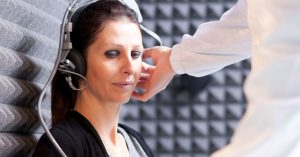
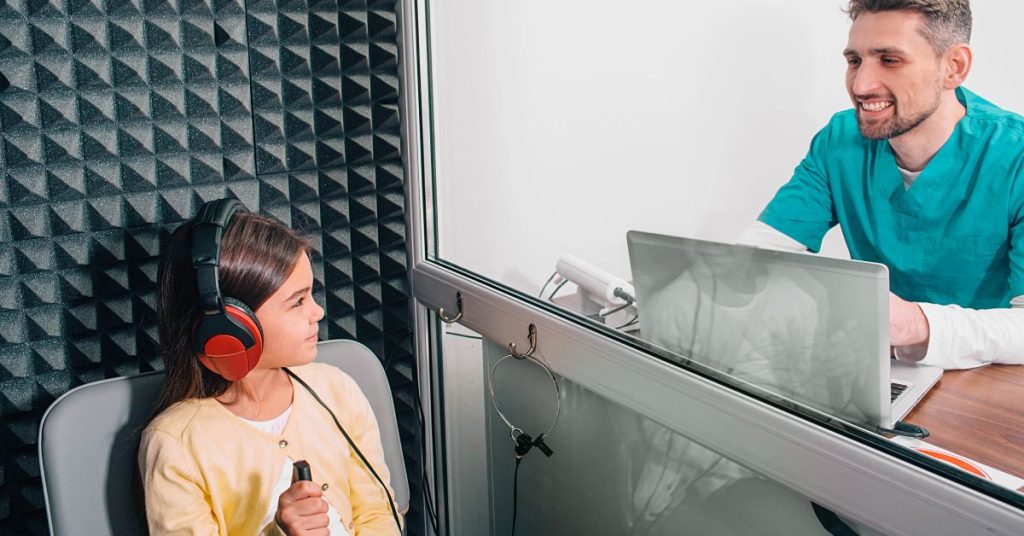
As children grow, behavioral audiometry becomes more appropriate. This test evaluates how a child responds to sounds in a controlled setting. For example, during visual reinforcement audiometry, toddlers are trained to look toward a sound source, often rewarded with a visual cue like a flashing light or toy. Older children can participate in play audiometry, where they perform simple actions—such as placing a block in a box—when they hear a tone. School-aged children can undergo standard audiometry, which involves listening to tones through headphones and indicating when they hear a sound. This method allows audiologists to measure hearing sensitivity across different frequencies.
In some cases, additional tests may be recommended to evaluate speech recognition or to investigate middle ear function using tympanometry. These tests help audiologists determine not just whether a child can hear sounds, but also how well they can interpret speech in various environments.
Knowing the purpose and procedure of each test can alleviate anxiety for both parents and children. These tests are safe, painless, and play a critical role in identifying issues early. Early detection allows for timely interventions, which can include hearing aids, therapy, or medical treatment, significantly improving a child’s ability to communicate, learn, and interact socially.
Preparing Your Child for a Hearing Test
Preparing a child for a hearing test can make the experience smoother and less stressful for both the child and the parent. Children, especially toddlers and preschoolers, may feel anxious or uncertain about unfamiliar environments, strange equipment, and new people. With some preparation, parents can help their child feel comfortable, cooperative, and even curious about the process.
The first step is to explain the test in simple, age-appropriate language. For infants and toddlers, you might describe the procedure as “listening to some sounds and looking at lights or toys.” School-aged children can understand slightly more detail, such as, “You’ll wear headphones, listen to some beeps, and press a button when you hear them.” Using calm, reassuring language helps set expectations and reduces fear.
Role-playing at home can also be very effective. Parents can simulate the test by making sounds and encouraging the child to respond. This not only familiarizes the child with the idea of listening carefully but also makes the actual test feel like a game rather than a medical procedure. For younger children, using favorite toys or rewards can encourage participation.
On the day of the test, ensure that the child is well-rested and fed, as fatigue or hunger can make them less cooperative. Arriving early allows time to explore the clinic environment, meet the audiologist, and ask questions. Parents should remain calm and positive, as children often mirror their caregiver’s emotions. Avoid phrases that could create worry, such as “Don’t be scared,” and instead focus on excitement or curiosity, like “Let’s see how good your ears are!”
It’s also important to follow any pre-test instructions provided by the audiologist. Some tests may require avoiding loud noise exposure beforehand, or specific timing if sedation is involved for certain ABR assessments in infants. Being prepared helps ensure accurate results and a stress-free experience.
By taking these steps, parents can help their children approach the hearing test with confidence. Positive experiences build trust in medical settings, making future screenings easier and reinforcing the importance of caring for their hearing health. Ultimately, preparation ensures that the test results accurately reflect the child’s true hearing abilities, leading to timely and effective interventions if needed.
Interpreting Results and Next Steps
After a hearing test, understanding the results can feel overwhelming for parents, but it’s an essential step in supporting a child’s hearing health. Audiologists provide detailed reports that indicate the type and degree of hearing ability, often using a scale from normal hearing to mild, moderate, severe, or profound hearing loss. Knowing what these results mean helps parents make informed decisions about next steps.
If the results indicate normal hearing, it’s important to continue regular screenings, as hearing can change over time due to illness, ear infections, or noise exposure. Annual checkups or screenings during routine pediatric visits help ensure that any changes are detected early.
If hearing loss is identified, the type and severity will determine the intervention plan. Conductive hearing loss, often caused by fluid in the middle ear or ear infections, may be temporary and treatable with medical care. Sensorineural hearing loss, which involves the inner ear or auditory nerve, may require more specialized management, such as hearing aids or cochlear implants in severe cases. Mixed hearing loss combines both types and requires a tailored approach.
Beyond medical interventions, speech and language therapy may be recommended to support communication development, particularly for children diagnosed early. For school-aged children, audiologists may also collaborate with educators to provide accommodations, like preferential seating, assistive listening devices, or classroom sound amplification.
Parents should ask questions about the results, such as: What does this level of hearing loss mean for everyday life? What interventions are recommended now, and what follow-ups are necessary? Understanding the timeline for retesting or adjustments ensures that the child receives ongoing support.
Early intervention is key. Research consistently shows that children who receive timely support for hearing loss have significantly better outcomes in language development, academic achievement, and social interactions. Acting promptly after a hearing test empowers parents to give their child the best opportunity to thrive.
By staying informed, following professional guidance, and maintaining regular monitoring, parents can ensure their child’s hearing remains on track and that any challenges are addressed quickly and effectively.
Conclusion
Hearing plays a crucial role in a child’s overall development, influencing language, learning, and social interactions. Early detection of hearing issues through regular hearing tests is vital to ensure children have the support they need to thrive. From infants responding to sounds in their environment to school-aged children following classroom instructions, each stage of development relies heavily on healthy hearing.
Parents and caregivers are the first line of observation. Recognizing signs of hearing difficulties, such as delayed speech, frequent misunderstandings, or difficulty following instructions, allows for timely professional evaluation. Understanding the variety of hearing tests—from OAE and ABR for infants to behavioral audiometry for older children—helps parents feel prepared and informed throughout the process. Preparing a child for the test, maintaining a calm and positive environment, and following the audiologist’s guidance ensures accurate results and a smooth experience.
Interpreting hearing test results is equally important. Whether the results indicate normal hearing or identify mild to severe hearing loss, early intervention can make a profound difference in a child’s development. Medical treatment, hearing aids, speech therapy, and classroom accommodations all contribute to supporting a child’s communication skills and confidence.
Ultimately, proactive attention to hearing health empowers parents to safeguard their child’s ability to communicate, learn, and interact with the world. Regular screenings, awareness of developmental milestones, and prompt action when concerns arise ensure that every child has the opportunity to reach their full potential. Ensuring your child’s hearing is on track is not just about detecting problems—it’s about giving them the tools they need to succeed in all areas of life.
FAQ
What age should my child have their first hearing test?
Most children receive a newborn hearing screening shortly after birth. This early test helps detect congenital hearing issues. Beyond that, pediatricians often recommend routine hearing screenings during well-child visits, particularly if there are risk factors, repeated ear infections, or delayed speech development. Regular checkups throughout infancy, toddlerhood, and school age help ensure hearing remains on track.
How do I know if my child’s hearing problem is temporary or permanent?
Temporary hearing issues are often caused by ear infections, fluid buildup, or blockages. These conditions can typically be treated with medication or minor medical procedures. Permanent hearing loss, often sensorineural, results from inner ear or auditory nerve issues and may require hearing aids or other interventions. An audiologist can provide accurate diagnosis and guidance based on test results and follow-up assessments.
Are hearing tests painful for children?
No, hearing tests are non-invasive and painless. Newborn screenings, OAE, ABR, and behavioral audiometry all involve listening to sounds, clicking devices, or observing responses, but they do not cause discomfort. Preparing your child and keeping the environment calm helps ensure the experience is stress-free.
How often should children have hearing tests?
Even children with no signs of hearing problems benefit from regular screenings. Pediatric guidelines generally recommend testing at birth, during well-child visits, before starting school, and periodically if risk factors are present. Children with diagnosed hearing issues may require more frequent monitoring to adjust treatment and ensure optimal development.
Can untreated hearing loss affect my child’s learning and social skills?
Yes, untreated hearing loss can impact language development, reading, academic performance, and social interactions. Children may struggle to understand instructions, participate in conversations, or engage with peers. Early detection and intervention help mitigate these effects, supporting better outcomes in learning, communication, and overall confidence.
This article is for informational purposes only and is not a substitute for professional medical advice, diagnosis, or treatment. If you are concerned about your hearing or ear health, please consult a qualified healthcare provider.