Top 7 Hearing Test Apps for Accurate Results at Home
Hearing is one of our most vital senses, yet it’s often overlooked—especially as we age. Gradual hearing loss can affect communication, relationships, and even mental health, making regular hearing checks more important than ever. Traditionally, hearing tests required a visit to an audiologist, which can be time-consuming and sometimes intimidating. Fortunately, technology has made it easier to monitor hearing health from the comfort of your home.
Hearing test apps allow you to quickly screen your hearing using a smartphone or tablet. These apps use various tests, such as pure-tone audiometry and speech-in-noise assessments, to give you an idea of how well you’re hearing. While they aren’t a replacement for professional evaluations, they are valuable tools for spotting potential hearing changes early.
In this article, we’ll explore the top 7 hearing test apps that provide accurate results at home. We’ll cover what makes each app reliable, how to use them effectively, and tips for interpreting your results. Whether you’re checking your own hearing or helping a loved one, these apps make it easier than ever to stay on top of your hearing health.
Understanding Hearing Tests
Hearing tests are designed to measure how well you can detect sounds across different pitches and volumes. They help identify hearing loss early, which is crucial for maintaining communication skills and overall quality of life. There are several types of hearing tests, each assessing different aspects of hearing:
Pure-Tone Audiometry: This is the most common type of hearing test. It measures your ability to hear tones at various frequencies, usually ranging from low to high pitches. Results are often displayed on an audiogram, which shows the softest sounds you can hear at each frequency.
Speech-in-Noise Tests: These tests assess how well you can understand speech in a noisy environment—a common real-world challenge for those with hearing loss. They help identify difficulties that pure-tone tests might miss.
Self-Assessment Questionnaires: Some hearing tests include questionnaires about your daily hearing experiences. These provide additional context about how hearing loss affects your lifestyle and can guide whether you need professional care.
Understanding your results is just as important as taking the test. A slight reduction in hearing sensitivity might not interfere with daily life immediately, but tracking changes over time is key. Apps make it easy to monitor trends, giving you a baseline for your hearing health and helping you decide when to seek professional evaluation.
It’s important to note that while at-home apps are helpful for screening, they cannot replace a comprehensive audiologist-led exam. If an app indicates potential hearing loss, scheduling a professional assessment is the best next step. By using apps in conjunction with professional care, you can stay proactive about your hearing health and address concerns early.
How Hearing Test Apps Work
Hearing test apps use technology to simulate a basic audiological assessment on your smartphone or tablet. While they are not a substitute for professional tests, many of them are surprisingly sophisticated, providing useful insights into your hearing health. Here’s how they generally work:
Calibration and Headphones
Most apps rely on headphones to deliver precise sounds to each ear. Some apps include a calibration step to adjust for your specific device and headphones, which is essential for accuracy. Using high-quality, over-ear or in-ear headphones is recommended to reduce external noise interference.
Pure-Tone Tests
Many apps use a simplified version of pure-tone audiometry. They play a series of tones at different frequencies and volumes, and you indicate when you can hear them. The app then plots your hearing thresholds, often creating a visual audiogram. This helps you see which frequencies you may struggle with, particularly higher pitches that often decline with age.
Speech-in-Noise Tests
Some apps test your ability to understand speech against background noise. You might listen to a sentence or word while noise plays in the background and repeat what you hear. This type of test is valuable because many people with early hearing loss find it challenging to follow conversations in crowded or noisy environments.
Interpreting Results
After completing the tests, apps provide a summary of your hearing ability. This may include charts, scores, or risk categories. Some apps offer recommendations, such as retesting periodically or consulting an audiologist if results suggest hearing difficulties.
Pros and Limitations
The advantages of hearing test apps include convenience, affordability, and regular monitoring capability. However, they have limitations. Environmental noise, inconsistent headphone quality, and user errors can affect accuracy. They also cannot diagnose medical conditions like ear infections or sensorineural hearing loss.
By understanding how these apps work, you can use them more effectively and interpret the results with the right perspective. They are tools to help you stay aware of your hearing health and act early if changes occur.
Top 7 Hearing Test Apps for Accurate Results
With so many options available, it can be challenging to know which hearing test apps are reliable and user-friendly. Here’s a detailed look at seven of the best apps that provide accurate results and helpful insights for monitoring your hearing health at home.
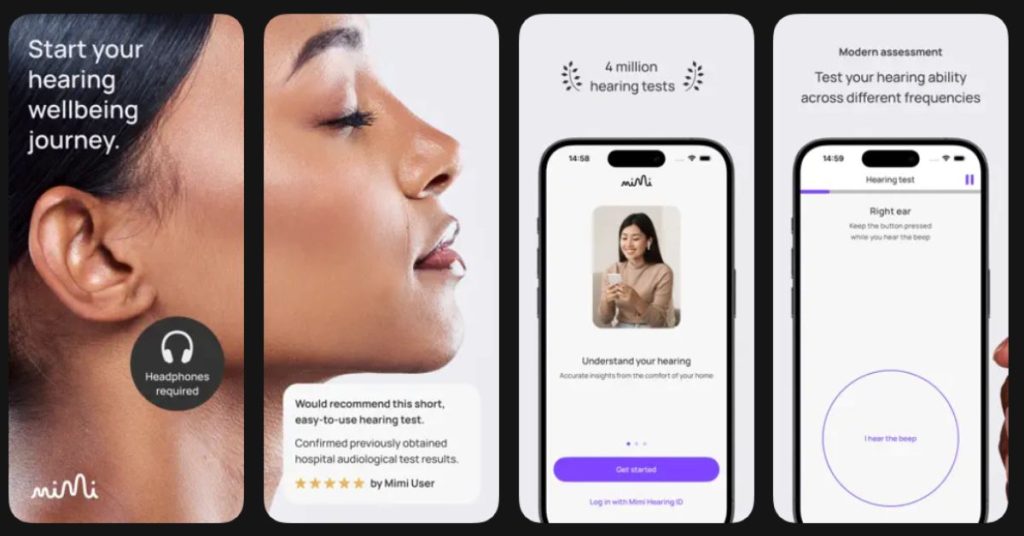
1. Mimi Hearing Test
Available on iOS and Android, Mimi Hearing Test is widely regarded for its accuracy. The app measures hearing thresholds across frequencies and provides a personalized hearing profile. Mimi also offers hearing health tips and connects users with compatible audio devices to optimize sound based on your hearing profile. The interface is intuitive, making it suitable for adults of all tech levels.
2. HearZA
HearZA focuses on speech comprehension in real-world environments. The app tests your ability to understand speech in quiet and noisy situations, which can be more indicative of functional hearing challenges than pure-tone tests alone. Available on both iOS and Android, it also tracks progress over time, helping users monitor changes in their hearing.
3. Audicus Hearing Test
Audicus combines a basic hearing test with educational resources. The app provides a quick tone test and generates a clear, easy-to-read audiogram. Its simplicity is ideal for users new to hearing apps. It’s free to use and available on iOS devices, offering recommendations if professional care may be needed.
4. SoundPrint
SoundPrint is unique in that it focuses on environmental hearing as well as personal hearing ability. While primarily known for rating noise levels in public spaces, it also offers a hearing test feature. Users can check how their hearing interacts with common sound environments, which is particularly useful for social situations. Available on iOS and Android.
5. Hearing Test by e-audiologia.pl
This app provides a detailed pure-tone audiometry test and presents results in a professional-style audiogram. It’s highly customizable and suitable for users who want more precise testing at home. While it may feel more clinical, the detailed feedback is excellent for tracking subtle hearing changes over time.
6. uHear
uHear is designed for simplicity and speed. It provides a basic hearing assessment, including tone and speech tests. Users receive immediate feedback and a simple visual representation of their hearing. It’s perfect for quick self-checks and is available on iOS devices.
7. Hearing Test – Check Your Hearing
Available on Android, this app offers a full-spectrum hearing evaluation and allows users to save multiple profiles. It includes tips for improving hearing health and helps track long-term changes, making it a great tool for proactive monitoring.
These seven apps stand out for their balance of accuracy, ease of use, and accessibility. While no app can fully replace a professional audiologist, they provide a convenient way to screen your hearing, monitor changes, and identify potential issues early.
Tips for Using Hearing Test Apps Effectively
To get the most accurate results from hearing test apps, it’s important to follow best practices. While apps are convenient, the environment and how you use them can significantly affect outcomes. Here are some tips to ensure reliable results:
Choose the Right Headphones
The quality of your headphones plays a critical role in accuracy. Over-ear or high-quality in-ear headphones are recommended because they provide consistent sound levels and reduce external noise interference. Avoid using your phone’s built-in speakers, as they cannot deliver precise frequencies.
Test in a Quiet Environment
Background noise can skew results, especially in speech-in-noise tests. Find a quiet room with minimal distractions. Turning off fans, TVs, or other electronics can help ensure your hearing test measures only your hearing ability, not the surrounding environment.
Follow Instructions Carefully
Each app has specific instructions for the tests. Take the time to read them carefully and complete all steps. Respond promptly when a tone or word is heard, and avoid guessing, as this can affect your results. Consistency is key, so try to use the same app and setup for follow-up tests.
Retest Periodically
Hearing can change gradually over time. Retesting every few months helps you detect subtle changes early. Many apps allow you to save previous results and compare them over time, providing a useful baseline for monitoring your hearing health.
Interpret Results with Caution
Hearing test apps can indicate potential issues, but they cannot diagnose medical conditions. If the app shows signs of hearing loss, it’s important to consult a professional audiologist. Use the results as a guide for awareness and proactive care rather than a definitive diagnosis.
Integrate with Professional Care
Consider combining app-based testing with regular professional check-ups. Audiologists can provide comprehensive evaluations, personalized treatment plans, and advanced testing that apps cannot replicate. Using apps as a supplement to professional care ensures you maintain optimal hearing health.
By following these tips, you can maximize the reliability of at-home hearing tests and make informed decisions about your hearing care.
Beyond Apps: Professional Hearing Care
While hearing test apps are a convenient way to monitor your hearing at home, they are not a replacement for professional audiological care. Apps provide screening and tracking, but a licensed audiologist or ENT (ear, nose, and throat) specialist can conduct comprehensive assessments and recommend treatments tailored to your specific needs.
Why Professional Testing Matters
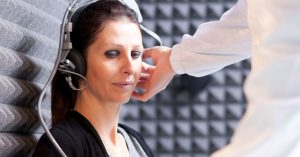
Professional hearing tests are more thorough than app-based assessments. Audiologists can perform detailed pure-tone audiometry, speech-in-noise tests, tympanometry (which checks middle ear function), and other specialized evaluations. These tests can detect conditions that apps cannot, such as conductive hearing loss, ear infections, or early signs of sensorineural hearing loss.
Hearing Aids and Assistive Devices
For those diagnosed with hearing loss, professional guidance is essential in selecting the right hearing aids or assistive listening devices. Audiologists help you choose devices that match your hearing profile and lifestyle, ensuring optimal performance. Many hearing aids can also be programmed to work with apps, creating a seamless experience for monitoring and adjusting sound.
Ongoing Monitoring and Care
Regular check-ups with an audiologist allow you to track changes in your hearing over time. Apps can help by providing preliminary data, but professional follow-ups ensure that any interventions are timely and effective. Early intervention can slow the progression of hearing loss, improve communication, and enhance quality of life.
Combining Apps with Professional Support
Using hearing test apps in combination with professional care gives you the best of both worlds. Apps offer convenience, accessibility, and the ability to monitor hearing trends from home. Professional evaluations provide accuracy, medical insight, and personalized treatment options. Together, they empower you to take control of your hearing health proactively.
By understanding the role of both technology and professional care, you can make informed decisions, maintain better hearing health, and enjoy clearer communication in daily life.
Conclusion
Hearing health is an essential part of overall well-being, and staying proactive can make a significant difference in daily life. With the rise of technology, monitoring your hearing has never been easier. Hearing test apps provide a convenient, accessible way to screen for potential hearing changes, track trends over time, and gain insights into your auditory health—all from the comfort of your home.
The top 7 hearing test apps highlighted in this article—Mimi Hearing Test, HearZA, Audicus Hearing Test, SoundPrint, e-audiologia.pl Hearing Test, uHear, and Hearing Test – Check Your Hearing—offer a combination of accuracy, user-friendly interfaces, and valuable feedback. While each app has unique features, they all serve the same purpose: helping you stay aware of your hearing and encouraging timely professional intervention if needed.
It’s important to remember that while apps are useful tools for monitoring hearing, they cannot replace professional audiological evaluations. Using these apps alongside regular check-ups with an audiologist ensures that any hearing concerns are addressed promptly and effectively.
By incorporating hearing test apps into your routine and seeking professional care when necessary, you can maintain better hearing health, improve communication, and enjoy a higher quality of life. Monitoring your hearing is a simple yet powerful step toward protecting one of your most important senses.
FAQ
What is the most accurate hearing test app?
Mimi Hearing Test is widely regarded as one of the most accurate apps available for both iOS and Android. It measures hearing thresholds across multiple frequencies and generates a personalized hearing profile. However, no app can fully replace a professional audiologist, so it’s best used for monitoring and preliminary screening.
Can hearing test apps replace a visit to the audiologist?
No. Hearing test apps are convenient tools for screening and tracking changes, but they cannot diagnose medical conditions or provide comprehensive evaluations. Professional audiologists perform more detailed tests and can recommend treatments such as hearing aids or therapy.
Do I need special headphones to use hearing test apps?
Yes. For the most accurate results, high-quality over-ear or in-ear headphones are recommended. Built-in phone speakers or low-quality headphones can distort sound frequencies and affect the reliability of the test results.
How often should I use hearing test apps?
It’s a good idea to test your hearing every few months to track changes over time. Apps that allow you to save previous results can help you monitor trends and provide useful information for your audiologist during professional evaluations.
What should I do if a hearing test app shows I have hearing loss?
If an app indicates potential hearing loss, it’s important to schedule a comprehensive evaluation with a professional audiologist. They can confirm the results, diagnose any underlying conditions, and recommend appropriate treatments or assistive devices.
This article is for informational purposes only and is not a substitute for professional medical advice, diagnosis, or treatment. If you are concerned about your hearing or ear health, please consult a qualified healthcare provider.