Hearing loss affects millions of adults worldwide, and for many, it can significantly impact daily life, social connections, and overall wellbeing. Fortunately, hearing aid technology has advanced rapidly, and 2025 promises some of the most innovative solutions yet. Modern hearing aids are no longer just simple amplifiers—they are sophisticated, smart devices designed to adapt to individual needs, improve speech clarity, and even monitor health.
In 2025, the focus is on combining cutting-edge digital technology, artificial intelligence, and seamless connectivity to create hearing aids that do more than just help you hear—they enhance your overall quality of life. From AI-driven sound processing that adapts in real time, to longer-lasting batteries and eco-friendly designs, these new devices are transforming how people experience the world around them.
This article explores the latest breakthroughs in hearing aid technology for 2025, highlighting features, innovations, and trends that are making hearing aids smarter, more efficient, and more personalized than ever before. Whether you are considering your first hearing aid or looking to upgrade, understanding these advancements can help you make informed choices for your hearing health.
Cutting-Edge Features in 2025 Hearing Aids
The hearing aids of 2025 are no longer just devices that amplify sound—they are advanced tools that use state-of-the-art technology to enhance how people experience the world around them. One of the most significant developments is the integration of artificial intelligence (AI), which allows hearing aids to automatically adjust to different sound environments. Whether you’re in a bustling café, a quiet library, or a crowded family gathering, these AI-driven devices can analyze ambient noise and optimize sound settings in real time, ensuring clarity without manual adjustments.
Another major advancement is advanced noise reduction. Traditional hearing aids often struggled with separating speech from background noise, making social interactions challenging. Today’s devices use sophisticated algorithms to isolate voices from surrounding sounds, allowing wearers to focus on conversations without being overwhelmed by unwanted noise. This is particularly beneficial for seniors who may experience difficulty understanding speech in noisy environments—a common challenge with age-related hearing loss.
Modern hearing aids also come with directional microphones and spatial sound processing, which improve the ability to locate sounds in the environment. For example, if someone calls your name from behind, these devices can help your brain pinpoint the source of the sound more accurately. This is more than a convenience—it directly contributes to safety and confidence in everyday situations.
Health-monitoring features are emerging as another exciting frontier. Some hearing aids can track physical activity, heart rate, or even detect signs of falls, providing valuable health insights while serving their primary purpose. This multi-functionality transforms hearing aids into essential wellness devices, supporting overall health as well as hearing.
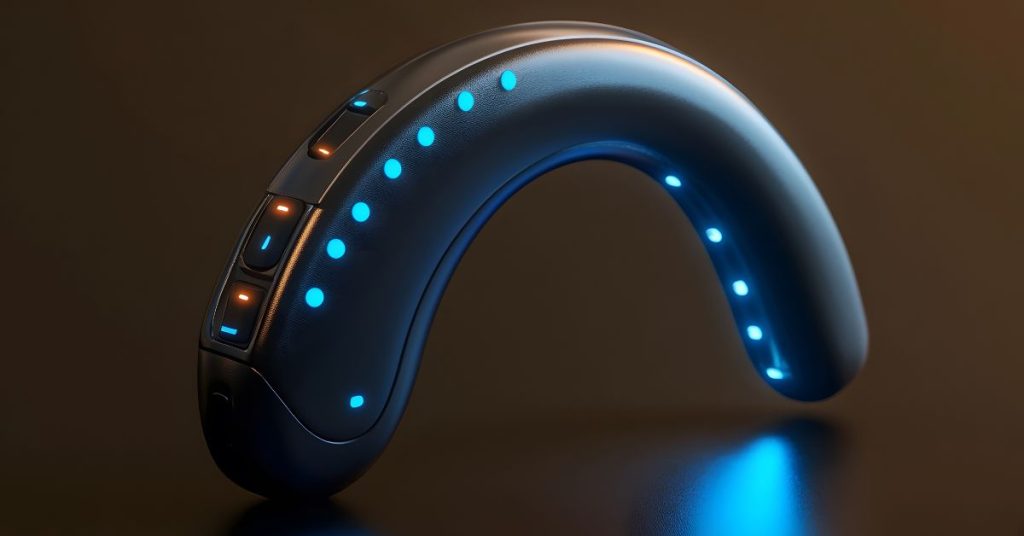
Finally, the design and comfort of hearing aids have significantly improved. Devices are now smaller, more discreet, and ergonomically designed, ensuring they are comfortable for all-day wear without sacrificing performance. Materials are hypoallergenic and durable, and some models even allow for customizable color and style options, making hearing aids a seamless part of personal expression.
In summary, 2025 hearing aids combine AI, noise reduction, directional sound, health monitoring, and ergonomic design to offer an unparalleled hearing experience. These cutting-edge features are not just technological marvels—they address real-world challenges, empowering users to engage more fully with their environments and communities.
Connectivity and Smart Integration
One of the most transformative trends in 2025 hearing aids is seamless connectivity. Modern devices are designed to integrate effortlessly with smartphones, tablets, and other smart devices, creating a fully connected auditory experience. Through Bluetooth and other wireless technologies, users can stream phone calls, music, podcasts, and even TV audio directly to their hearing aids, eliminating the need for additional accessories or complicated setups.
Smart integration extends beyond entertainment. Many hearing aids now work with virtual assistants like Siri, Alexa, or Google Assistant, allowing users to adjust settings, check battery life, or switch listening modes using simple voice commands. This hands-free functionality is particularly helpful for older adults or those with dexterity challenges, providing a more intuitive and user-friendly experience.
Mobile apps play a central role in connectivity. With companion apps, users can fine-tune their hearing profiles, track usage patterns, and receive personalized recommendations. Some apps even allow remote adjustments by audiologists, enabling professional support without an office visit. This telehealth capability is especially valuable for people living in rural areas or with mobility limitations, ensuring that hearing care remains accessible and convenient.
Another exciting advancement is the integration of hearing aids with smart home ecosystems. In 2025, hearing aids can connect to home assistants, doorbells, security systems, and even appliances to alert users to important sounds. For example, a hearing aid can notify its wearer of a ringing doorbell or smoke alarm, bridging the gap between auditory limitations and safety. This level of integration empowers users to live more independently and confidently.
Connectivity also enhances social interactions. Some hearing aids can share audio streams between multiple devices, allowing wearers to engage in group calls or enjoy shared media experiences with family and friends. This collaborative approach helps reduce feelings of isolation and makes social participation more enjoyable and effortless.
In short, connectivity and smart integration are redefining what hearing aids can do. They are no longer isolated medical devices; they are part of a broader, interconnected lifestyle that supports communication, safety, convenience, and overall wellbeing. With these capabilities, users can stay engaged, informed, and connected like never before.
Battery Life and Sustainability Innovations
Battery life has long been a critical consideration for hearing aid users, and in 2025, significant advancements are making devices more reliable and eco-friendly. One major improvement is the widespread adoption of rechargeable lithium-ion batteries. These batteries offer longer lifespans, often providing up to 24–36 hours of continuous use on a single charge, reducing the daily hassle of changing disposable batteries. Many models now feature quick-charging capabilities, giving users several hours of use from just a few minutes of charging—a convenience that is particularly valuable for active adults and travelers.
Beyond convenience, wireless charging has become a standard feature in many premium hearing aids. Users can simply place their devices in a charging case overnight, much like modern earbuds, eliminating the need for tiny batteries and minimizing the risk of losing or misplacing them. This shift not only simplifies daily routines but also enhances safety, as users no longer need to handle small batteries that can be difficult to manage, especially for those with reduced dexterity or vision challenges.
Sustainability is another key focus in 2025 hearing aid design. Manufacturers are increasingly adopting eco-friendly materials and packaging, from recyclable plastics to responsibly sourced metals. By reducing the environmental footprint of their products, companies are helping users make more environmentally conscious choices without compromising on performance or aesthetics. Some brands even offer battery recycling programs, encouraging users to return used batteries and devices for proper disposal and reuse.
Energy efficiency is also improving thanks to AI-driven power management systems. These systems intelligently regulate energy usage based on listening environments, activity levels, and connectivity needs. For example, a hearing aid may reduce processing power in quiet settings, conserving battery life, and automatically ramp up amplification in noisy environments. This approach ensures that users get the most out of their devices while minimizing unnecessary energy consumption.
Finally, comfort and convenience are enhanced by longer-lasting batteries that reduce interruptions to daily life. Users no longer have to worry about their hearing aids dying during critical moments, whether attending social gatherings, participating in meetings, or enjoying outdoor activities. This reliability, combined with sustainability efforts, marks a significant leap forward in making hearing aids practical, environmentally responsible, and user-friendly.
In conclusion, 2025 hearing aids are transforming the battery experience. With rechargeable solutions, wireless charging, eco-conscious design, and AI-powered efficiency, these devices provide not only convenience and reliability but also a positive impact on the environment—empowering users to focus on living fully without worrying about power or sustainability.
Personalized Hearing Solutions and AI
In 2025, personalization is at the forefront of hearing aid innovation. Thanks to artificial intelligence (AI) and machine learning, hearing aids can now deliver a listening experience tailored to each individual’s unique hearing profile. These devices analyze a user’s hearing patterns, preferences, and environmental exposures over time, then automatically adjust settings to optimize sound quality in every situation.
One of the most transformative features is adaptive sound optimization. Unlike traditional hearing aids that rely on static settings, AI-powered devices can detect subtle changes in background noise, speech frequency, and even the acoustics of a room. For example, when a user moves from a quiet living room to a bustling restaurant, the hearing aid dynamically enhances speech signals while reducing background chatter. This allows users to participate in conversations more easily, reducing listening fatigue—a common challenge for those with hearing loss.
Predictive maintenance is another benefit of AI integration. Modern hearing aids can monitor their own performance, alerting users to potential issues such as battery degradation, connectivity problems, or clogged microphones. This proactive approach helps prevent unexpected malfunctions, ensuring that users experience consistent performance without frequent visits to an audiologist. Some devices can even send usage data to hearing care professionals remotely, allowing for virtual adjustments and personalized recommendations.
AI-driven hearing aids also enhance speech clarity and comprehension for users with specific challenges, such as difficulty hearing high-frequency sounds or understanding speech in noisy environments. By learning the user’s auditory preferences and compensating for particular deficiencies, these devices create a highly customized listening experience. Over time, the AI “learns” the wearer’s habits and preferences, fine-tuning settings in ways that are almost invisible to the user but profoundly impactful on their hearing experience.
Furthermore, personalization extends beyond sound quality. Some hearing aids can integrate with health apps to provide wellness insights, tracking metrics like daily activity, exposure to loud sounds, and even cognitive engagement. This holistic approach positions hearing aids not just as medical devices but as comprehensive wellness tools, supporting both hearing and overall health.
In summary, AI and personalization are revolutionizing the hearing aid landscape in 2025. By learning from the user, optimizing sound in real time, providing predictive maintenance, and offering wellness insights, these devices deliver a listening experience that is uniquely tailored to each individual. This level of customization not only improves auditory performance but also enhances confidence, independence, and quality of life.
Overcoming Common Hearing Challenges
Hearing loss often comes with a set of challenges that go beyond simply turning up the volume. In 2025, hearing aid technology is specifically designed to address these issues, helping users navigate daily life with greater confidence and ease. One of the most common challenges is difficulty understanding speech in noisy environments, such as restaurants, family gatherings, or social events. Modern hearing aids use advanced noise reduction algorithms and directional microphones to isolate speech from background sounds, allowing users to focus on conversations without strain. This reduces listening fatigue and makes social interactions more enjoyable and less stressful.
Another widespread issue is tinnitus, the perception of ringing or buzzing in the ears. New hearing aids are equipped with tinnitus masking and therapy features that provide soothing sounds or customized tones to help reduce the perception of ringing. Some devices also integrate AI to adjust these sounds in real time, providing continuous relief tailored to the wearer’s specific condition.
For older adults or those with age-related hearing decline, maintaining spatial awareness is critical. Advanced hearing aids in 2025 offer 3D sound localization and enhanced directional cues, helping users accurately identify where sounds are coming from. This capability is essential for safety, such as detecting approaching vehicles or alarms, and for social engagement, like following a conversation in a group setting.
Connectivity and smart features also play a role in overcoming hearing challenges. For instance, hearing aids can now connect to smartphones and smart home devices to alert users to important sounds, such as doorbells, alarms, or phone calls. This integration bridges the gap between hearing limitations and real-world awareness, enhancing both independence and peace of mind.
Additionally, the personalization and AI features allow hearing aids to learn and adapt to individual preferences. Users with complex hearing profiles—such as those who have difficulty hearing certain frequencies or experience fluctuating hearing loss—can benefit from real-time adjustments that make listening easier and more natural. Over time, these devices optimize their settings based on user behavior and environmental patterns, ensuring consistent support across different scenarios.
In essence, 2025 hearing aids are designed to address the practical, emotional, and social challenges associated with hearing loss. By combining noise reduction, tinnitus management, spatial awareness, connectivity, and AI-driven personalization, these devices empower users to communicate effectively, stay safe, and participate fully in life’s activities.
Future Trends and What’s Next in Hearing Health
As we look beyond 2025, the future of hearing aids promises even more transformative innovations that extend far beyond amplification. One key trend is the continued integration of artificial intelligence and machine learning, allowing hearing aids to not only adapt in real time but also predict hearing needs based on user habits and environments. This predictive technology could enable devices to preemptively adjust settings before the wearer even notices a change in their surroundings, making the hearing experience increasingly seamless.
Another exciting development is the emergence of biometric and health monitoring capabilities. Hearing aids are evolving into comprehensive health tools, capable of tracking vital signs such as heart rate, blood pressure, and even blood oxygen levels. By combining auditory support with overall wellness tracking, these devices can provide early alerts for health concerns, offering users and healthcare providers valuable insights into their general wellbeing.
Miniaturization and design innovation will continue to enhance comfort, discretion, and usability. Future devices are expected to be smaller, more stylish, and virtually invisible, without compromising performance. Materials will become lighter, more durable, and environmentally sustainable, supporting both user comfort and ecological responsibility.
Connectivity will expand even further, with hearing aids functioning as central hubs in fully integrated smart home and digital ecosystems. Imagine a hearing aid that seamlessly communicates with wearable devices, virtual assistants, smartphones, and home sensors to provide real-time alerts, environmental feedback, and personalized sound experiences. This ecosystem approach will make hearing aids indispensable tools for independent living and active lifestyles.
In addition, research in neurotechnology and auditory brain interfaces is beginning to show promise. Early studies suggest that future devices could work in tandem with the brain’s auditory pathways to enhance processing and comprehension of sound, offering potential breakthroughs for those with profound hearing loss or complex auditory processing challenges.
Finally, accessibility and affordability are expected to improve. Innovations in manufacturing, digital platforms, and teleaudiology services will make high-quality, advanced hearing aids more widely available, ensuring that a broader population can benefit from these life-changing technologies.
In summary, the future of hearing health is moving toward smarter, smaller, more integrated, and health-focused devices. These innovations will not only improve hearing but also enhance overall wellbeing, social engagement, and independence, painting an optimistic picture for the next generation of hearing aids.
Conclusion
Hearing aid technology in 2025 is reshaping the way people experience sound and engage with the world around them. From AI-driven sound processing and advanced noise reduction to seamless connectivity, health monitoring, and eco-friendly designs, these devices are no longer just hearing aids—they are sophisticated tools that enhance overall wellbeing and quality of life.
The innovations highlighted in this article demonstrate a clear trend toward personalization, convenience, and integration. AI and machine learning ensure that hearing aids adapt to individual hearing needs in real time, while connectivity features allow users to stay engaged with family, friends, and technology. Longer-lasting batteries, wireless charging, and sustainable materials make daily use effortless and environmentally responsible.
Moreover, modern hearing aids address common challenges such as tinnitus, speech-in-noise difficulty, and spatial awareness, giving users the confidence to participate fully in social situations, professional environments, and everyday activities. Looking ahead, future trends like predictive sound adjustment, biometric monitoring, and brain-computer interface integration promise to make hearing aids even more intelligent, proactive, and indispensable for users.
Ultimately, the advancements in 2025 hearing aid technology are about more than just improving hearing—they are about empowering individuals to live life to the fullest, stay connected, and maintain independence. Whether you are considering your first hearing aid or planning an upgrade, understanding these innovations can help you make informed choices that best support your hearing health and overall wellbeing.
FAQ
What makes 2025 hearing aids different from older models?
2025 hearing aids incorporate advanced AI, machine learning, and connectivity features that allow real-time adaptation to different environments. They also offer health monitoring, longer battery life, wireless charging, and improved noise reduction, making them more personalized, convenient, and user-friendly than previous generations.
Can 2025 hearing aids help with tinnitus?
Yes. Many modern hearing aids include tinnitus masking or therapy features that provide customized sounds to reduce the perception of ringing or buzzing. AI-driven adjustments ensure these sounds adapt to changing environments, offering continuous relief tailored to the user’s needs.
How do hearing aids connect with smartphones and smart home devices?
Most 2025 hearing aids use Bluetooth and wireless technology to connect with smartphones, tablets, smart assistants, and home devices. Users can stream calls, music, or alerts directly to their hearing aids and even control settings via mobile apps or voice commands.
Are 2025 hearing aids environmentally friendly?
Yes. Many devices now use rechargeable batteries, wireless charging, and eco-friendly materials. Manufacturers also offer recycling programs for batteries and devices, helping reduce waste while providing advanced functionality.
Do AI-powered hearing aids adjust automatically?
Absolutely. AI-enabled hearing aids learn from the user’s environment and listening habits, automatically adjusting volume, amplification, and sound profiles. Over time, they provide a highly personalized listening experience that minimizes manual adjustments.
This article is for informational purposes only and is not a substitute for professional medical advice, diagnosis, or treatment. If you are concerned about your hearing or ear health, please consult a qualified healthcare provider.