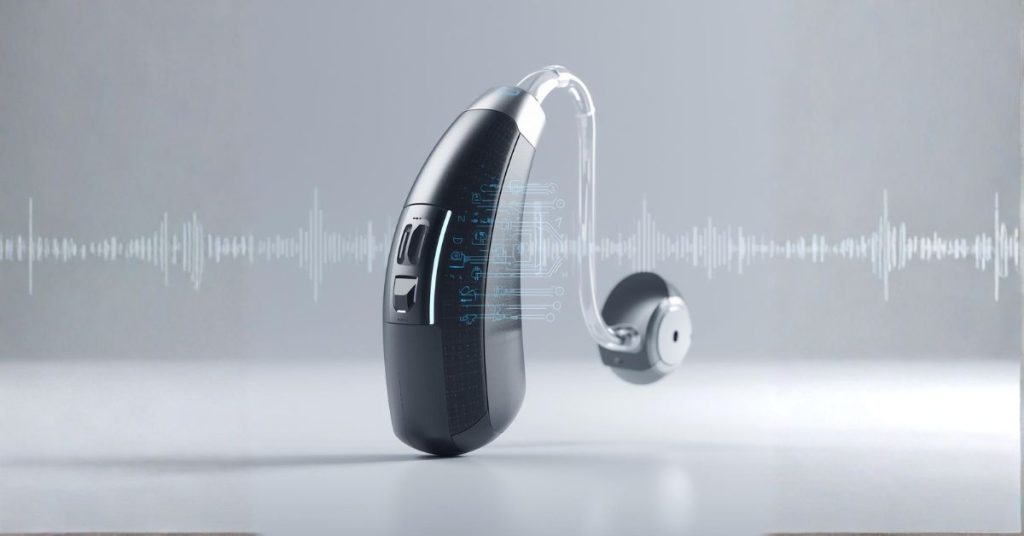
Artificial intelligence has made its way into nearly every part of daily life, and hearing care is no exception. For millions of adults living with hearing loss, today’s hearing aids offer far more than simple sound amplification—they actively think, learn, and adapt to the wearer’s environment. This shift from traditional technology to AI-powered hearing aids represents one of the biggest advancements in hearing health in decades, especially for adults 50+ who want clearer, more natural listening without the constant need to adjust their devices.
In the past, hearing aids relied on fixed programs that worked fairly well in controlled or predictable environments. But everyday life rarely stays predictable. Background chatter, traffic noise, sudden sounds, and multiple speakers can overwhelm a traditional hearing aid. AI helps solve this by analyzing sound scenes in real time and adjusting instantly, much like the way a healthy brain processes sound. As a result, wearers often experience clearer conversations, reduced listening fatigue, and a smoother, more intuitive hearing experience.
This introduction sets the stage for understanding what AI hearing aids truly are—and why they’re becoming a game-changing option for anyone seeking better hearing. When used alongside guidance from a hearing care professional, AI technology has the potential to significantly improve quality of life, confidence, and communication in everyday moments.
What Makes a Hearing Aid “AI-Powered”?
Artificial intelligence might sound complex, but in hearing aids, it’s simply technology designed to mimic the natural way the human brain processes sound. Traditional hearing aids amplify sound based on preset programs, but AI-powered devices go a step further—they actively learn from the user’s listening environments and adapt automatically. This means the device becomes more personalized the longer you wear it.
At the heart of AI hearing aids is machine learning, a system that allows the device to recognize patterns in noise, speech, and environmental changes. Instead of boosting all sounds equally, AI analyzes what you’re hearing in real time and determines which sounds should be clearer (like speech) and which should be softened (like background clatter). This helps create a more natural listening experience that feels closer to the way our auditory system is meant to function.
Another key feature of AI-powered devices is environmental classification. These hearing aids can detect whether you’re in a quiet room, a bustling café, outdoors in the wind, or in the car—and they adjust automatically without requiring manual input. For many older adults, this reduces the need to fiddle with buttons or apps. In addition, some advanced models use deep learning algorithms trained on thousands of real-world listening scenarios, giving them the ability to anticipate user needs and respond even faster than before.
AI also helps with tasks like feedback suppression, echo reduction, and directional sound focus, making the hearing experience smoother and more comfortable. Whether you’re listening to a loved one, watching TV, or navigating a noisy public space, AI ensures the device reacts intelligently to keep speech clear and background noise manageable.
How AI Improves Real-World Listening
One of the biggest challenges for anyone with hearing loss—especially adults over 50—is dealing with background noise. Restaurants, family gatherings, busy shops, and outdoor spaces can make speech difficult to follow, even with traditional hearing aids. This is where AI hearing aids excel. They don’t just amplify sound—they interpret it, prioritize it, and fine-tune it to help you hear what matters most.
AI-powered devices use advanced noise reduction algorithms that can distinguish between speech and non-speech sounds with impressive accuracy. For example, the clatter of dishes, the hum of traffic, or the murmur of distant conversations can be softened automatically, while the voice of the person in front of you becomes clearer. This not only makes communication easier but reduces listening effort, meaning your brain doesn’t have to work as hard to fill in missing words or sort through overwhelming audio clutter.
A major advantage is real-time adaptation. Imagine walking from a quiet lobby into a noisy dining area—AI hearing aids detect the shift instantly and adjust without you touching a single button. This smooth, seamless change creates a more natural auditory experience that feels less jarring than manual programs. Many users describe it as the closest they’ve felt to “normal hearing” in years.
AI also enhances directional listening, an essential skill for understanding speech. Using multiple microphones and intelligent processing, the hearing aid can focus on the person you’re looking at or the direction speech is coming from. In group conversations, this can make a dramatic difference, allowing you to stay engaged without constant strain.
For many people, these improvements translate directly to better quality of life. Conversations become less exhausting, social events more enjoyable, and everyday tasks—from driving to watching TV—feel easier and more comfortable. In short, AI hearing aids make real-world listening not just possible, but pleasant again.
AI Features That Support Everyday Life
AI hearing aids do far more than improve sound quality—they’re designed to support daily routines, enhance safety, and make communication more convenient. Today’s devices integrate seamlessly with smartphones, home technology, and even health-tracking systems, offering a level of personalization and connectivity that older hearing aids simply couldn’t provide.
One of the standout features is smartphone connectivity. Through companion apps, you can adjust settings, monitor battery levels, switch programs, or track your hearing aid usage. But with AI, these apps become even more powerful. Many can learn your preferences over time—such as how loud you like the TV or how you prefer speech filtered in noisy environments—and automatically apply those settings when similar situations arise. For users who prefer minimal device handling, this automation provides effortless convenience.
AI-enabled hearing aids can also support hands-free phone calls and streaming, routing audio directly to your ears. Whether you’re listening to a podcast, chatting with family, or using navigation apps, the clarity is often far better than using external devices. For adults aged 50+, especially those juggling work, caregiving, or busy schedules, this integration makes daily tasks simpler and more enjoyable.
Safety and wellness features are another emerging benefit. Some advanced AI hearing aids offer fall detection, activity tracking, and alerts that can share data with caregivers or healthcare providers. This added layer of security is particularly helpful for individuals who want to maintain independence while ensuring someone is notified in case of an emergency. Additionally, health monitoring—such as tracking steps, physical activity, or even early signs of hearing decline—is becoming increasingly common.
AI also personalizes listening through geotagged settings. For example, if you always increase speech focus at your favorite restaurant, the device can learn this and automatically make adjustments the next time you visit. This gives users a consistent, comfortable listening experience without having to remember complex controls.
Overall, AI hearing aids are evolving into multifunctional wellness tools that blend improved hearing with modern connectivity, safety features, and personalized assistance—all designed to make everyday life smoother and more supported.
Choosing the Right AI Hearing Aid
Selecting an AI-powered hearing aid can feel overwhelming at first, especially with so many brands and features now available. But choosing the right device becomes much easier when you understand your priorities, lifestyle, and hearing needs. Unlike traditional hearing aids—which were often differentiated mainly by size or battery type—AI models vary widely in their processing power, personalization capabilities, and connectivity. This section will help clarify what to look for when evaluating your options.
A great starting point is a comprehensive hearing assessment with a qualified hearing care professional. They can explain how AI features may benefit your specific hearing loss pattern, whether you struggle most in noisy environments, with clarity, or with volume. Be sure to discuss your daily routines: Do you attend social gatherings often? Do you struggle on the phone? Do you enjoy outdoor activities? Matching features to everyday life is key to long-term satisfaction.
When exploring models, pay attention to core AI capabilities, such as adaptive noise reduction, speech enhancement, and environmental classification. Not all AI hearing aids offer the same level of intelligence—some use basic machine learning, while others use advanced deep learning algorithms trained on thousands of real-world sound situations. Ask your provider how “smart” the device truly is, and whether it can learn and evolve with your usage.
Comfort and fit also matter greatly. AI features shine only if the hearing aid is comfortable enough to wear consistently. During your fitting, your provider will ensure that dome or earmold styles suit your ear shape and that the device can be fine-tuned over time. Many AI hearing aids improve as they gather data from your environment, so consistent wear helps unlock their full potential.
Finally, consider long-term support. AI models often come with app updates, cloud-based learning, and remote adjustments—meaning your provider can fine-tune your settings without requiring an in-person visit. This convenience is especially beneficial for caregivers or those with mobility challenges.
Choosing the right AI hearing aid isn’t just about buying the newest technology—it’s about selecting a device that aligns with your communication goals, comfort preferences, and lifestyle. With the guidance of a hearing specialist, you can find a device that transforms your hearing experience with intelligence tailored just for you.
The Future of AI in Hearing Care
AI hearing aids are already transforming daily listening, but the technology is still in its early stages. As artificial intelligence continues to advance, the next generation of hearing devices will become even more intuitive, personalized, and capable. For adults exploring long-term hearing solutions, understanding what’s on the horizon can help you feel confident that today’s investment will continue to evolve and improve.
One of the most promising developments is predictive sound processing. Instead of simply reacting to noise, future AI systems may be able to anticipate changes in your environment. For example, if your hearing aid detects rising background noise or a shift in conversation direction, it may adjust before you even notice the change. This could create an almost seamless listening experience that feels more natural than ever.
Another area of innovation is advanced biometrics. Some hearing aids already track steps and detect falls, but the next wave may include heart-rate monitoring, cognitive load tracking, or early signs of hearing deterioration. These tools could support healthier aging by offering alerts, trends, or recommendations that help prevent issues before they escalate. In collaboration with healthcare providers, hearing aids may eventually play a valuable role in broader wellness monitoring.
AI may also enhance speech understanding in ways that go beyond today’s capabilities. Researchers are exploring real-time language translation, lip-reading assistance, and ultra-focused speech isolation that could help listeners follow conversations in the most challenging environments. Imagine being able to focus on a single speaker in a noisy room with near-perfect clarity—these advancements are already being tested in research labs.
Importantly, despite the rapid growth of AI, the role of hearing care professionals will remain essential. As devices become more advanced, the expertise of audiologists and hearing specialists becomes even more valuable. They help configure, fine-tune, and personalize technology so it truly meets the wearer’s needs. AI can assist with sound processing, but human insight ensures the hearing aid supports your lifestyle, comfort, and long-term hearing health.
As we look to the future, AI is poised to make hearing care more adaptive, more personalized, and more integrated with overall wellness. For anyone considering AI hearing aids today, these advancements signal a future where hearing technology will continue to grow smarter—helping you stay connected, confident, and engaged in every moment.
Conclusion
AI hearing aids represent one of the most meaningful advancements in hearing care, offering a powerful blend of intelligent sound processing, comfort, and personalization. For adults living with hearing loss—especially those over 50—these devices provide clearer conversations, reduced background noise, and smoother transitions between everyday environments. Perhaps most importantly, they offer a more natural listening experience that supports confidence and connection in social, family, and work situations.
While AI may seem like a trendy buzzword, in hearing care it serves a very practical purpose: helping the brain do less work. By analyzing surroundings, prioritizing speech, and adjusting automatically, AI hearing aids bridge the gap between traditional amplification and the way healthy ears naturally respond to sound. Combined with features like smartphone connectivity, hands-free communication, and wellness tools, AI-powered devices support not just hearing—but overall quality of life.
As with any hearing technology, the guidance of a qualified hearing care professional remains vital. AI can enhance your hearing, but human expertise ensures the device fits comfortably, performs accurately, and keeps pace with your changing needs over time. With the right support, AI hearing aids can be a life-changing investment in better communication, independence, and everyday enjoyment.
FAQ
What makes AI hearing aids different from regular hearing aids?
AI hearing aids use intelligent algorithms that learn from your listening environments and adapt automatically. Unlike traditional hearing aids that rely on preset programs, AI models continuously analyze sounds, prioritize speech, and reduce background noise in real time. This creates a more natural, effortless hearing experience.
Do AI hearing aids really help in noisy places?
Yes. One of the biggest advantages of AI hearing aids is their ability to separate speech from background noise more effectively than older technology. Whether you’re in a restaurant, at a family gathering, or outdoors, AI helps focus on the voices you want to hear while softening distracting sounds.
Are AI hearing aids difficult to use?
Most users find AI hearing aids easier to use because they require fewer manual adjustments. They automatically adapt to noise levels and environments, and many sync with smartphone apps for added convenience. Once fitted by a professional, many functions run entirely in the background.
Do I still need to see a hearing specialist if the device uses AI?
Absolutely. AI enhances sound processing, but it cannot replace the expertise of a trained hearing care professional. An audiologist ensures the hearing aid fits properly, matches your hearing loss, and is adjusted for comfort and clarity. Professional support is key to long-term success.
Are AI hearing aids worth the cost?
For many people, yes. AI-powered devices often offer better speech clarity, improved noise reduction, and greater personalization than traditional models. While they can be more expensive, the benefits—especially in challenging listening situations—make them a worthwhile investment in daily communication and quality of life.
This article is for informational purposes only and is not a substitute for professional medical advice, diagnosis, or treatment. If you are concerned about your hearing or ear health, please consult a qualified healthcare provider.