Hearing aids are remarkable devices that help millions of people maintain clarity and connection in their daily lives. However, like any delicate electronic device, they are highly susceptible to moisture. Sweat, humidity, accidental exposure to water, or even just the natural oils in your skin can gradually damage the internal components of hearing aids. This can lead to problems such as distorted sound, intermittent functionality, or even complete device failure.
For adults, especially those over 50 who rely on hearing aids for communication and social engagement, knowing how to dry hearing aids safely is crucial. Proper drying not only restores functionality when moisture exposure occurs but also extends the overall lifespan of the device. Beyond the immediate inconvenience, untreated moisture can lead to costly repairs or replacements.
This article will guide you through safe, effective methods to remove moisture from hearing aids, everyday practices to prevent water damage, and advice on when professional care is necessary. Whether you’re a hearing aid user or a caregiver assisting a loved one, these tips will help ensure that your hearing devices remain reliable, clear, and long-lasting.
Why Moisture Is a Threat to Hearing Aids
Moisture may seem harmless, but for hearing aids, it can be a serious threat. These devices are compact electronic systems, and even small amounts of water or humidity can interfere with their delicate internal components. Understanding why moisture is damaging can help you appreciate the importance of proper drying and preventative care.
One of the most common sources of moisture is sweat. Many hearing aid users wear their devices for long hours, often during physical activity or in warm environments. Sweat can seep into the microphone ports, battery compartments, and internal circuitry, causing corrosion and reducing the device’s overall performance. Over time, repeated exposure to sweat can lead to permanent damage that may require professional repair or replacement.
Humidity is another hidden threat. High-moisture environments, such as bathrooms, kitchens, or outdoor areas with heavy dew or rain, can gradually infiltrate hearing aids. Even when devices aren’t directly exposed to water, the small gaps in the casing can allow condensation to form inside the electronics. This slow accumulation of moisture can cause batteries to drain faster, distort the sound quality, or lead to intermittent functioning.
Accidental exposure, like dropping a hearing aid in water or wearing it while swimming, can cause immediate and severe damage. Water can short-circuit the electronic components, leaving the device inoperable. Unfortunately, once water has penetrated deeply into the device, simple drying may not be enough; professional intervention is often required.
In addition to functional problems, moisture can also create hygiene concerns. Wet hearing aids may harbor bacteria or mold, which can irritate the ear canal or lead to infections if left untreated. This makes it essential not only to dry hearing aids quickly but also to adopt practices that minimize moisture exposure in the first place.
By understanding these risks, users can take proactive steps to prevent moisture damage. The next section will focus on daily practices that help reduce moisture buildup and keep hearing aids in optimal condition.
Daily Practices to Prevent Moisture Build-Up
Preventing moisture from entering your hearing aids in the first place is far easier than trying to fix damage after it occurs. By adopting simple daily habits, you can significantly reduce the risk of corrosion, battery issues, and sound distortion, keeping your devices functioning properly for years.
One of the most effective strategies is proper storage. Always store your hearing aids in a dry, ventilated container when not in use. Many users benefit from a hearing aid drying box or dehumidifier, which provides a controlled environment to remove residual moisture overnight. Avoid leaving devices in bathrooms, near sinks, or on windowsills, where humidity levels can fluctuate dramatically.
Remove hearing aids before showering, swimming, or exposure to heavy rain. While some hearing aids are labeled as water-resistant, this does not mean they are waterproof. Even minimal exposure to water can gradually damage sensitive components. Keeping devices out of the shower or off the head during water activities is a simple yet crucial habit.
Another daily habit is wiping down hearing aids after use. Use a soft, dry cloth or a specialized cleaning wipe to remove sweat, oils, and debris. Pay close attention to the microphone openings and battery compartments, as even small amounts of moisture in these areas can impair performance. For users who wear hearing aids during exercise, it’s particularly important to clean them immediately afterward.
Battery care also plays a role in preventing moisture damage. Remove batteries at night if the devices will not be used for several hours. Store the batteries separately in a dry place to prevent condensation and corrosion. Many users also keep small silica gel packets in the storage container to absorb residual moisture naturally.
Finally, establish a routine inspection habit. Check your hearing aids daily for signs of moisture, such as condensation under the casing, unusual sounds, or intermittent functionality. Early detection allows you to dry the device promptly before significant damage occurs.
By integrating these practices into your daily routine, you can greatly reduce the chances of moisture damage and extend the lifespan of your hearing aids. The next section will cover safe drying methods you can use at home when moisture exposure does occur.
Safe Drying Methods at Home
Even with the best preventative habits, hearing aids can occasionally become damp. Knowing how to dry them safely at home is crucial to avoid further damage. Using the right methods ensures your devices remain functional and durable, while avoiding risky approaches that could worsen the problem.
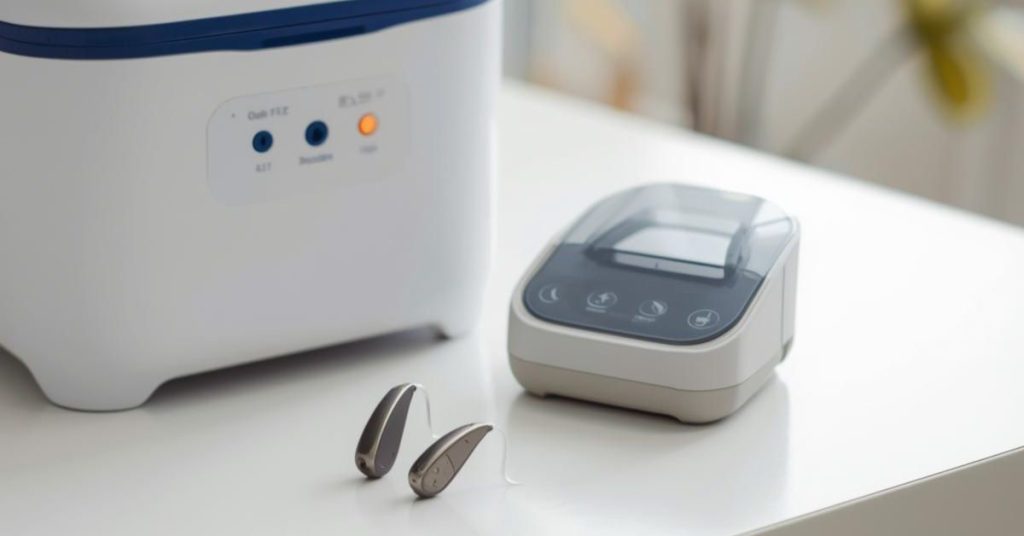
One of the most reliable ways to dry hearing aids is using a hearing aid dehumidifier or drying box. These devices are specifically designed to remove moisture gently and efficiently. Most models use low heat or UV light to evaporate moisture without harming delicate electronics. Simply placing your hearing aids in the drying box overnight can remove accumulated sweat or humidity, keeping them ready for daily use.
Another safe option is silica gel packs. These small, moisture-absorbing packets can be placed in your hearing aid case alongside the devices. Silica gel naturally draws in moisture from the surrounding air, helping keep hearing aids dry. Replace the packs periodically according to the manufacturer’s instructions to maintain effectiveness.
Air drying at room temperature is also effective for minor moisture exposure. Remove the batteries and allow the devices to sit in a clean, dry environment for several hours. Avoid placing hearing aids near direct heat sources such as radiators, ovens, or hair dryers, as high heat can warp or melt the plastic components and damage internal circuits.
Some users might consider household methods like rice or microwaving, but these are strongly discouraged. Rice can leave dust particles inside the device, while microwaving or using high heat can irreparably damage electronics. Stick to methods designed for hearing aids or gentle, low-heat air drying.
Tips for drying different hearing aid styles:
Behind-the-ear (BTE) devices: Remove earmolds and clean separately. Place the device in a drying box or next to a silica gel packet.
In-the-ear (ITE) devices: Due to their compact design, use a specialized drying container to avoid moisture remaining inside the casing.
Receiver-in-canal (RIC) devices: Detach the receiver if possible, and dry each component separately to ensure no moisture is trapped.
By following these safe home drying techniques, you can restore your hearing aids after moisture exposure and prevent long-term damage. Consistent use of these methods helps maintain clear sound quality and prolongs the device’s lifespan.
When Professional Drying Is Needed
While home drying methods are effective for minor moisture exposure, there are situations where professional intervention is necessary. Recognizing these scenarios early can prevent permanent damage and ensure your hearing aids continue to function properly.
One clear sign that professional drying may be required is persistent malfunction. If your hearing aids produce distorted sound, intermittent audio, or fail to power on even after using safe drying techniques, internal components may have been compromised. Moisture trapped deep inside the device can corrode circuits or short out electronics, which often requires specialized repair tools that are not available for home use.
Battery corrosion is another indication for professional care. If you notice leakage, rust, or unusual behavior from your batteries, it may signal that moisture has reached areas beyond simple surface cleaning. Continuing to use the device in this state can worsen the damage, potentially making repairs more costly or irreparable.
Certain types of moisture exposure, such as submersion in water, are particularly concerning. Even brief immersion in water can lead to immediate and serious damage. In these cases, attempting to dry the device at home is often insufficient. Professional technicians can disassemble the device safely, remove water, and perform thorough internal drying or component replacement.
For older adults or caregivers, it’s also wise to schedule routine checkups with a hearing care professional. Regular inspections can identify early signs of moisture damage that may not be visible externally. These checkups often include cleaning, drying, and testing device performance, helping prevent long-term issues and maintaining optimal sound quality.
Additionally, if you are unsure about the proper drying technique for your specific hearing aid model, a professional can provide guidance. Manufacturers may recommend certain drying kits or services that are tailored to particular devices, ensuring safety and effectiveness.
By knowing when to seek professional drying services, users can avoid costly repairs and maintain the reliability of their hearing aids. The next section will explore how to care for your hearing aids after drying to ensure they remain fully functional and long-lasting.
Maintaining Your Hearing Aids After Drying
Proper care after drying your hearing aids is essential to ensure they continue to function effectively and remain durable. Even after successfully removing moisture, neglecting routine maintenance can lead to performance issues or recurring problems.
Battery care is one of the most important aspects of post-drying maintenance. Always inspect batteries for signs of corrosion or leakage before reinserting them. If you removed batteries during the drying process, store them in a dry, cool place and replace any that show wear or damage. Consistent battery replacement ensures your hearing aids receive stable power, which supports clear sound and prevents further strain on electronic components.
Regular cleaning is another key habit. After drying, gently wipe the device with a soft, dry cloth to remove any residual moisture, dirt, or oils. For in-ear styles, clean the earmold or canal portion carefully using manufacturer-recommended tools or wipes. Avoid using harsh chemicals, which can damage the casing or internal components. Cleaning prevents debris buildup that can trap moisture and compromise device performance.
Proper storage remains essential even after drying. Store hearing aids in a dedicated drying box or ventilated case when not in use. This not only keeps the devices dry but also protects them from accidental drops, dust, or exposure to humidity. Many users find that making drying and storage part of their nightly routine helps maintain consistency and protects the devices long-term.
Routine inspections are highly recommended. Check microphones, receivers, and battery compartments for signs of moisture, corrosion, or damage. Pay attention to unusual sounds, feedback, or diminished volume, which may indicate lingering moisture or other issues. Early detection allows you to address minor problems before they escalate into costly repairs.
Finally, professional maintenance should complement at-home care. Hearing care professionals can perform thorough internal cleaning, adjust settings, and replace worn components. Regular visits—typically once or twice a year—ensure your hearing aids remain in optimal condition, offering clear sound and reliable performance.
By combining careful drying, cleaning, storage, and routine inspections, you can extend the lifespan of your hearing aids, maintain consistent sound quality, and avoid the frustration of unexpected malfunctions.
Conclusion
Moisture is one of the most common threats to hearing aids, but with proper care, it doesn’t have to compromise your device’s performance or lifespan. Understanding why moisture is harmful, practicing daily prevention habits, and using safe drying methods at home are all essential steps in protecting your hearing aids.
Regularly wiping down devices, storing them in a dry, ventilated case, and using tools like dehumidifiers or silica gel packs can significantly reduce the risk of damage. In situations where moisture exposure is severe or persistent, seeking professional assistance ensures that your devices are thoroughly dried and maintained, preventing costly repairs and prolonging their functionality.
Post-drying maintenance is equally important. Paying attention to battery health, performing routine cleaning, and scheduling regular checkups with a hearing care professional will help your hearing aids continue delivering clear, reliable sound.
By incorporating these practices into your daily routine, you can enjoy peace of mind knowing that your hearing aids are well-protected against moisture. Consistent care not only safeguards your investment but also supports better hearing and quality of life for years to come.
FAQ
How can I tell if my hearing aids have moisture inside them?
Signs of moisture in hearing aids include distorted or intermittent sound, sudden volume changes, unusual feedback, or a device that won’t power on. Visual clues, like condensation under the casing or corrosion around the battery compartment, also indicate moisture exposure. If you notice any of these signs, remove the batteries and dry the hearing aids using safe methods or seek professional help.
Is it safe to use a hair dryer or oven to dry hearing aids?
No. High heat from hair dryers, ovens, or microwaves can warp plastic, melt components, or damage internal electronics. Always use gentle drying methods such as a hearing aid dehumidifier, silica gel packs, or air drying at room temperature. These approaches safely remove moisture without risking further damage.
How often should I use a hearing aid drying box?
For daily users, placing hearing aids in a drying box or dehumidifier overnight is recommended. This routine helps remove sweat and environmental moisture accumulated throughout the day. For occasional users, drying after each use or following any exposure to humidity or water is sufficient.
Can moisture-damaged hearing aids be repaired?
In many cases, professional technicians can repair hearing aids affected by moisture, especially if addressed promptly. Repairs may involve cleaning, replacing corroded components, or refurbishing internal electronics. However, severe or prolonged water exposure can lead to irreversible damage, making early intervention crucial.
What daily habits help prevent moisture buildup in hearing aids?
Key habits include storing hearing aids in a dry, ventilated case, removing devices before showering or swimming, wiping them down after use, using silica gel packs or dehumidifiers, and performing routine inspections. Consistent daily care significantly reduces the risk of moisture-related damage.
This article is for informational purposes only and is not a substitute for professional medical advice, diagnosis, or treatment. If you are concerned about your hearing or ear health, please consult a qualified healthcare provider.