
For many people beginning to explore options for better hearing, the terms hearing amplifiers and hearing aids can sound almost interchangeable. Both devices make sounds louder, both are worn in or around the ear, and both are often marketed to people who feel they’re “not hearing as clearly as they used to.” But despite their similarities on the surface, the differences between amplifiers and hearing aids are significant—and understanding those differences can have a major impact on your long-term hearing health and overall quality of life.
In recent years, hearing amplifiers—also known as personal sound amplification products (PSAPs)—have become widely available online and in retail stores. Their low cost and easy accessibility make them appealing, especially for those who suspect early hearing changes but haven’t yet taken the step of seeing a hearing specialist. At the same time, advances in digital hearing aid technology have made professionally fitted devices more effective, more comfortable, and more discreet than ever. These improvements have helped millions of people reconnect with conversations, activities, and relationships that hearing loss had begun to interrupt.
However, choosing between an amplifier and a hearing aid isn’t simply a matter of budget or convenience. Each device is designed for a very different purpose, and using the wrong one can sometimes do more harm than good. Hearing amplifiers are meant for occasional use in specific environments—such as bird-watching or listening to distant sounds—not for treating diagnosed hearing loss. Hearing aids, on the other hand, are medical devices tailored to each person’s unique hearing profile. They selectively amplify the frequencies you struggle with while protecting your ears from overly loud sounds.
This introduction lays the groundwork for exploring the features, benefits, and limitations of each device type. By the end of this article, you’ll have a clear understanding of how amplifiers differ from true hearing aids and why choosing the right option matters more than many people realize. Whether you’re researching for yourself or a loved one, this guide will empower you to make an informed, confident decision that supports healthier hearing for years to come.
What Are Hearing Amplifiers?
Hearing amplifiers—formally known as Personal Sound Amplification Products (PSAPs)—are simple electronic devices designed to make environmental sounds louder. They are not medical devices, and they are not intended to treat hearing loss. Instead, their purpose is to enhance the listening experience in certain situations where someone with normal hearing may want a slight boost, such as bird-watching, listening to lectures from a distance, or hearing faint environmental noises. Because of this, amplifiers amplify all sounds equally, without distinguishing the subtle differences between speech, background noise, or potentially harmful volume levels.
Most amplifiers have a straightforward design: a microphone to collect sound, an amplifier circuit to increase volume, and a speaker that sends the louder sound into the ear. Some models include basic volume controls or preset modes, allowing users to choose a level that feels comfortable. However, even with these features, amplifiers lack the complex processing found in modern hearing aids. For instance, they do not filter out background noise, do not adapt to changing environments, and cannot selectively amplify specific frequencies that someone with hearing loss might struggle to hear.
Because hearing amplifiers are sold over the counter and do not require a hearing test or professional fitting, they tend to be affordable and widely available. This accessibility can make them tempting for individuals who suspect they’re experiencing early hearing loss but aren’t yet ready to pursue a full evaluation. Unfortunately, this convenience can also lead to misuse. Someone who unknowingly has a medically significant hearing condition may rely on an amplifier for too long, delaying proper diagnosis and treatment. In some cases, the increased loudness from amplifiers—particularly at high volume settings—can even contribute to additional hearing damage.
Despite their limitations, amplifiers can serve a purpose when used correctly. They may be helpful for individuals with normal hearing who simply want to hear distant or soft sounds more clearly. They can also be a temporary or situational tool for people who are not yet ready to commit to hearing aids, though this should always be approached with caution. Ultimately, understanding the role and limitations of hearing amplifiers helps prevent confusion and ensures that people with true hearing loss get the care and technology that best supports their long-term hearing health.
What Are Hearing Aids?
Hearing aids are medically regulated devices designed specifically to treat hearing loss. Unlike hearing amplifiers, which make all sounds louder, hearing aids use advanced digital processing to tailor sound to an individual’s unique hearing profile. This customization is based on a professional hearing test, which identifies which frequencies a person struggles to hear and how severe the loss is. With this information, a hearing care professional programs the hearing aids to amplify only the frequencies that need support, while keeping other sounds at safe, comfortable levels.
Modern hearing aids are far more sophisticated than most people realize. They contain tiny computers that constantly analyze the sound environment, distinguishing between speech, background noise, sudden loud sounds, and quiet conversations. Features like directional microphones, noise reduction, and automatic scene detection allow the devices to provide clearer, more natural sound in a variety of listening environments—restaurants, outdoor gatherings, places of worship, or one-on-one conversations. This intelligent processing makes a tremendous difference in daily life, particularly for older adults who may struggle with speech clarity in noisy situations.
Another key benefit of hearing aids is the level of personalization they offer. Hearing care professionals can fine-tune settings based on changes in hearing, comfort, or lifestyle. Some devices include tinnitus masking features, Bluetooth streaming for phone calls and media, rechargeability, and smartphone apps for user control. This level of adaptability simply isn’t possible with basic amplifiers. Hearing aids are engineered not only to improve hearing but also to protect the auditory system by ensuring that loud sounds don’t reach harmful levels.
Because hearing aids are classified as medical devices, they are subject to strict regulations regarding safety, performance, and effectiveness. This provides reassurance that they have been tested and proven to support hearing health. A hearing evaluation is required to ensure that the device matches the user’s needs, and ongoing professional care helps maintain the device and monitor hearing over time. While the upfront investment is higher than that of hearing amplifiers, the long-term benefits—improved communication, reduced listening fatigue, and better overall quality of life—are substantial.
Hearing aids do more than make sounds louder; they restore clarity, confidence, and connection. Understanding their role highlights why they remain the gold standard for addressing medically diagnosed hearing loss.
Key Differences Between Amplifiers and Hearing Aids
Although hearing amplifiers and hearing aids may look similar at first glance, the differences between them are significant—especially when it comes to effectiveness, safety, and long-term hearing health. Understanding these distinctions helps people avoid common misconceptions and make informed decisions about their hearing care.
One of the biggest differences is regulation. Hearing aids are classified as medical devices and must meet strict standards for safety, performance, and reliability. They require a hearing evaluation and professional fitting to ensure they meet the wearer’s needs. In contrast, hearing amplifiers (PSAPs) are consumer electronics. They are not designed to diagnose or treat hearing loss and are not regulated for medical use. This means their quality, sound output, and safety features can vary widely.
Another key difference is sound processing technology. Hearing aids use advanced digital processors to analyze the listening environment, distinguish speech from background noise, and amplify only the frequencies an individual struggles to hear. This targeted support is what allows users to understand conversations clearly, even in noisy environments. Amplifiers, on the other hand, make all sounds louder—traffic, dishes clattering, conversation, and background noise receive equal amplification. For someone with hearing loss, this can actually make listening harder, not easier.
Personalization also sets hearing aids apart. After a comprehensive hearing test, an audiologist programs the devices to match the user’s specific hearing profile. This ensures that amplification is both safe and comfortable. Hearing aids can be fine-tuned over time as hearing changes, and many offer features such as Bluetooth connectivity, feedback management, tinnitus therapy, and rechargeable batteries. Amplifiers typically offer only basic volume control and occasionally simple preset modes, with no ability to match the nuances of an individual’s hearing loss.
Safety is another critical difference. Because amplifiers increase sound indiscriminately, they can expose the ear to dangerously loud volume levels, especially when used for long periods or turned up too high. Hearing aids, by contrast, include built-in protections and compression features that prevent sounds from reaching harmful intensities.
Finally, consider suitability for hearing loss. Hearing aids are specifically engineered to improve communication, reduce listening fatigue, and enhance quality of life for those with mild to profound hearing loss. Amplifiers may help people with normal hearing hear certain sounds more clearly, but they are not equipped to correct the complex patterns of actual hearing impairment. Relying on an amplifier instead of a hearing aid can delay proper diagnosis and treatment—and potentially worsen long-term outcomes.
Understanding these differences underscores why choosing the right device matters. While amplifiers may appear convenient or inexpensive, hearing aids offer the precise, medically guided support necessary for maintaining healthy hearing and staying connected to the world around you.
Choosing the Right Option for Your Hearing Needs
Choosing between a hearing amplifier and a hearing aid begins with understanding your own hearing needs—and that starts with an accurate assessment. Many people initially notice subtle changes, such as asking others to repeat themselves or struggling to follow conversations in noisy settings. These early signs can feel mild, making it tempting to try an inexpensive amplifier as a “quick fix.” However, because amplifiers don’t distinguish between normal hearing changes and true hearing loss, relying on them without proper evaluation can lead to confusion and delayed treatment.
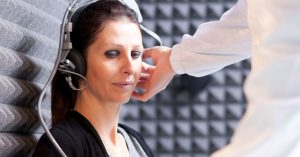
The most important step in deciding which device is appropriate is getting a professional hearing test. Audiologists and hearing care specialists can determine whether your symptoms are caused by age-related hearing loss, noise exposure, earwax buildup, or a medical condition requiring further evaluation. This crucial information cannot be obtained through self-testing or online hearing checks. If the test reveals hearing loss, hearing aids are almost always the safest and most effective option. They are tailored to your hearing profile, professionally programmed, and designed to protect rather than overwhelm the ears.
In some cases, an amplifier may be suitable—for example, for someone with normal hearing who wants to enhance faint or distant sounds for recreational activities. They may also be an option for individuals who are not yet ready to invest in hearing aids but want a temporary way to boost volume in quiet environments. Even so, using an amplifier should be approached cautiously, especially for daily or long-term use. It’s important to understand that amplifiers cannot restore clarity, reduce background noise, or improve speech understanding the way hearing aids can.
Lifestyle factors also influence the decision. If you frequently participate in social gatherings, group conversations, or busy environments, a hearing aid’s advanced noise reduction and directional microphone features will offer far better support. People who enjoy streaming phone calls, television, or music directly to their ears may appreciate the Bluetooth connectivity available in many modern hearing aids. Meanwhile, someone who only occasionally wants to enhance soft sounds may find an amplifier adequate for their specific situation.
Cost is another consideration, but it’s essential to view hearing devices as an investment in communication, safety, and emotional well-being. While amplifiers cost less upfront, they cannot address the underlying causes of hearing difficulty. Hearing aids, though more expensive, provide the personalized correction necessary to improve daily life, reduce listening fatigue, and prevent the social withdrawal associated with untreated hearing loss.
Ultimately, the right choice depends on your hearing profile, goals, and overall health. For anyone with suspected or diagnosed hearing loss, hearing aids—not amplifiers—offer the safest, most effective path to better hearing and long-term wellbeing.
The Impact of Using the Wrong Device
Using the wrong device—especially choosing a hearing amplifier when a hearing aid is truly needed—can have far-reaching consequences for both hearing health and overall quality of life. While amplifiers may seem like an easy and affordable solution, they are not designed to address the complexities of hearing loss. When someone relies on an amplifier instead of seeking a proper diagnosis, they may unknowingly ignore a medical issue that requires professional attention. Conditions like sudden hearing loss, middle ear problems, or even benign tumors can go undetected when individuals self-treat with amplifiers instead of consulting a specialist.
One of the most significant risks of using an amplifier inappropriately is potential worsening of hearing loss. Amplifiers increase the volume of all sounds, including loud or harmful ones. Without the built-in protections that hearing aids offer, the ears may be exposed to excessive sound levels, which can accelerate hearing damage over time. This risk is even higher for older adults, whose ears may already be more sensitive due to age-related changes. In contrast, hearing aids use sophisticated compression technology to prevent dangerous sound peaks, ensuring that amplification remains both helpful and safe.
Another consequence of using the wrong device is reduced speech clarity and increased listening fatigue. People with hearing loss often struggle with particular frequencies—usually higher ones that help define consonants and speech details. Amplifiers do nothing to correct this imbalance. Instead, they simply make everything louder, which can make noisy environments even more overwhelming. Over time, this can lead to frustration, social withdrawal, and a decreased desire to participate in conversations or group activities.
There are also emotional and psychological impacts. When a person feels their device “isn’t working,” they may mistakenly assume their hearing is beyond help. This can erode confidence and contribute to feelings of isolation. Properly fitted hearing aids, however, improve not just hearing but also social engagement, safety, independence, and overall wellbeing. They help individuals reconnect with family, enjoy hobbies, and stay active in their communities.
Delayed treatment is another common problem. Many people who opt for amplifiers do so because they hope to avoid the time or cost associated with hearing aids. But the longer hearing loss goes unaddressed, the harder it becomes for the brain to process sound effectively. This concept—known as auditory deprivation—can make future treatment less successful than it could have been if intervention happened earlier.
Choosing the right device from the start ensures better hearing outcomes, healthier communication, and a more fulfilling daily life. A hearing specialist can guide you toward the best solution, helping you avoid the risks and frustrations that come with using an ineffective or inappropriate device.
Conclusion
Understanding the difference between hearing amplifiers and hearing aids is essential for anyone experiencing changes in their hearing or supporting a loved one through that journey. While both devices may seem similar at a glance, their purposes, capabilities, and impact on long-term hearing health are fundamentally different. Hearing amplifiers serve a narrow role: they make all sounds louder for individuals with normal hearing in specific listening situations. They are not designed to diagnose or treat hearing loss, and relying on them for everyday communication can lead to increased frustration, safety concerns, and delays in receiving proper care.
Hearing aids, on the other hand, are sophisticated medical devices tailored to the unique hearing needs of each individual. They selectively amplify only the frequencies a person struggles to hear, reduce background noise, and adapt to various environments in real time. With professional fitting, ongoing support, and modern features like Bluetooth streaming and tinnitus management, hearing aids offer a comprehensive solution that improves communication, confidence, and quality of life. Their ability to protect the ear from harmful sound levels also makes them a safer long-term option.
Choosing the right device isn’t just about convenience—it’s about safeguarding your hearing health. For those with suspected or confirmed hearing loss, a hearing evaluation is the first and most important step. A specialist can help identify whether hearing aids are necessary and guide you toward the best solution for your lifestyle and goals. Amplifiers may seem appealing in the short term, but they cannot replace the precision, safety, and effectiveness of professionally fitted hearing aids.
Ultimately, investing in the right hearing technology helps individuals reconnect with the people and activities they love, reduces the stress of daily communication, and supports overall wellbeing. Clear hearing is central to staying engaged, confident, and connected—and the right device can make all the difference.
FAQ
What is the main difference between hearing amplifiers and hearing aids?
The main difference lies in their purpose and technology. Hearing amplifiers make all sounds louder and are intended for people with normal hearing who want to enhance specific environmental sounds. Hearing aids, however, are medical devices programmed to treat diagnosed hearing loss by amplifying only the frequencies you struggle with while reducing background noise and protecting your hearing.
Are hearing amplifiers safe to use instead of hearing aids?
Amplifiers can be safe for occasional, recreational use by people with normal hearing. However, they are not recommended for those with actual hearing loss. Because amplifiers raise the volume of all sounds—including loud or harmful ones—they can worsen hearing damage if misused. Hearing aids include safety features to prevent sound from becoming too loud.
Can hearing amplifiers help with mild hearing loss?
While amplifiers may make some sounds louder, they do not improve speech clarity or balance frequency-specific hearing loss. For mild hearing loss, professionally fitted hearing aids provide far better results. They enhance speech, reduce background noise, and adapt to the user’s needs, making conversations much easier to follow.
Why do hearing aids cost more than amplifiers?
Hearing aids cost more because they are medically regulated devices with advanced digital processing, professional customization, ongoing care, and features such as noise reduction, Bluetooth streaming, and feedback management. Amplifiers are consumer electronics with basic volume controls and no personalized programming.
How do I know if I need a hearing aid or just an amplifier?
The only way to know for sure is to have a professional hearing test. An audiologist can determine whether you have hearing loss and recommend the appropriate device. If hearing loss is present—even at a mild level—hearing aids are typically the most effective and safest option.
“This article is for informational purposes only and is not a substitute for professional medical advice, diagnosis, or treatment. If you are concerned about your hearing or ear health, please consult a qualified healthcare provider.”