
Hearing is a vital part of how we connect with the world, yet millions of people—both adults and children—experience significant hearing loss that affects their daily lives. For those whose hearing cannot be fully restored with traditional hearing aids, cochlear implants offer a life-changing solution. These sophisticated medical devices bypass damaged parts of the inner ear to directly stimulate the auditory nerve, allowing users to perceive sound in a way that was previously impossible.
Cochlear implants are not just for children or adults—they can be beneficial for people across all ages. In children, early implantation can significantly improve speech and language development, giving them a strong foundation for communication and learning. For adults, cochlear implants can restore the ability to hear speech clearly, reconnect with loved ones, and enhance overall quality of life.
This article will guide you through everything you need to know about cochlear implants, including how they work, who can benefit, the implantation process, potential risks, and what life is like after receiving an implant. Whether you’re considering a cochlear implant for yourself, your child, or a family member, understanding the technology, benefits, and challenges can help you make informed decisions and set realistic expectations.
Cochlear implants are more than just a medical device—they are a bridge to a world of sound, communication, and connection.
How Cochlear Implants Work
Cochlear implants are remarkable devices that help people with severe to profound hearing loss experience sound in ways traditional hearing aids cannot. Unlike hearing aids, which simply amplify sounds, cochlear implants bypass damaged parts of the ear and directly stimulate the auditory nerve, allowing the brain to interpret sound signals. Understanding how they work can help both adults and children—and their caregivers—feel more confident about the process.
A cochlear implant has two main components: external and internal. The external portion includes a microphone, a speech processor, and a transmitter. The microphone picks up sounds from the environment, which the speech processor then converts into digital signals. These signals are transmitted through the skin via a coil to the internal implant, which is surgically placed under the skin and attached to the cochlea, the spiral-shaped organ in the inner ear. The internal implant converts the signals into electrical impulses that directly stimulate the auditory nerve. The brain then interprets these impulses as recognizable sounds, allowing users to perceive speech, music, and everyday noises.
For children, the brain’s plasticity—the ability to adapt and reorganize—makes early implantation particularly effective. The earlier a child receives a cochlear implant, the more likely they are to develop speech and language skills at a pace similar to their peers. Adults, on the other hand, may take longer to adapt because their brains are accustomed to a lifetime without certain sounds. However, many adults report significant improvements in communication, social interaction, and overall confidence once the implant is activated and therapy begins.
Cochlear implants are also highly customizable. Audiologists and surgeons work together to program the device according to each user’s unique hearing profile. This programming, often referred to as “mapping,” ensures that the sounds the user hears are as natural and clear as possible. Over time, regular adjustments and therapy sessions help the brain learn to interpret these signals more effectively, improving overall hearing performance.
In short, cochlear implants are not magic—they require careful coordination, time, and rehabilitation—but they can transform the auditory experience for both adults and children, opening doors to clearer communication and enriched daily life.
Who Can Benefit: Adults vs. Children
Cochlear implants are not a one-size-fits-all solution, but they can offer life-changing benefits to both adults and children who meet specific criteria. Understanding who is eligible and how outcomes differ between age groups is crucial for families and individuals considering this option.
Adults
Adults who are candidates for cochlear implants typically have severe to profound sensorineural hearing loss in both ears and gain little to no benefit from conventional hearing aids. This can include people who gradually lost their hearing over time or those who were born with partial hearing ability but later experienced deterioration. The benefits for adults often include improved speech recognition, better understanding of conversations in noisy environments, and the ability to enjoy music and other everyday sounds.
However, adults may face certain challenges. For instance, someone who has been deaf for many years may need more time to adjust to the implant, as their brain has adapted to a lack of auditory input. Despite this, research shows that most adult recipients experience substantial improvements in communication and quality of life, especially when combined with auditory therapy and support.
Children
Children, particularly those under the age of 5, can experience profound benefits from cochlear implants because their brains are highly adaptable. Early implantation allows children to develop speech and language skills at a pace closer to their hearing peers. Pediatric candidates usually include children with severe to profound hearing loss who do not receive sufficient benefit from hearing aids.
For children, the success of cochlear implants depends heavily on early detection, timely surgery, and consistent post-implant therapy. Parents and caregivers play a critical role in supporting language development through daily communication, listening exercises, and collaboration with audiologists and speech-language therapists. Children who receive implants early are more likely to integrate seamlessly into mainstream education and social settings.
Key Considerations
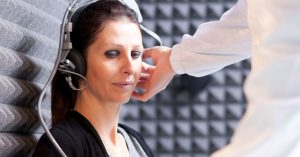
While cochlear implants offer incredible benefits, eligibility is determined on a case-by-case basis. Factors such as the type and severity of hearing loss, overall health, and motivation to participate in post-implant therapy all play a role. Additionally, candidacy assessments include medical evaluations, hearing tests, and consultations with audiologists and surgeons to ensure that the implant will provide the best possible outcome.
In summary, cochlear implants can benefit people across all ages—but the timing, preparation, and support systems differ between adults and children. Understanding these differences helps set realistic expectations and maximizes the chances of success.
The Implant Process and Recovery
Receiving a cochlear implant is a multi-step journey that combines medical evaluation, surgery, and rehabilitation. Understanding the process and what to expect during recovery can help both adults and children feel more prepared and confident.
Evaluation and Candidacy Assessment
Before surgery, candidates undergo a comprehensive evaluation to determine whether a cochlear implant is appropriate. This typically includes:
Hearing tests to measure the degree of hearing loss and determine how much benefit the individual receives from hearing aids.
Medical assessments to evaluate the structure of the ear and overall health.
Imaging studies, such as CT or MRI scans, to examine the cochlea and surrounding structures.
Counseling sessions to discuss expectations, potential outcomes, and lifestyle considerations.
This thorough assessment ensures that the cochlear implant is a suitable and safe option. For children, these evaluations may also involve speech and language testing to understand developmental needs.
The Surgery
Cochlear implant surgery is usually an outpatient procedure, lasting two to three hours. Surgeons make a small incision behind the ear to place the internal implant and electrode array inside the cochlea. The procedure is generally considered safe, with most patients experiencing minimal complications. Adults and children alike may receive general anesthesia, and in pediatric cases, special care is taken to ensure comfort and safety.
Activation and Mapping
After the surgical site has healed—typically within 2–6 weeks—the external components of the cochlear implant are fitted, and the device is activated. This initial activation is a critical step where the patient begins to hear sounds through the implant for the first time. Initially, sounds may seem unusual or mechanical, but with time and auditory therapy, the brain learns to interpret these signals as recognizable speech and environmental sounds.
The implant is then “mapped” by an audiologist. Mapping involves programming the device to deliver the most accurate and comfortable levels of electrical stimulation. Multiple mapping sessions may be required, especially for children, to optimize hearing outcomes as their auditory system develops.
Rehabilitation and Therapy
Post-implant rehabilitation is essential for both adults and children. This includes:
Auditory-verbal therapy to improve listening and speech skills.
Regular follow-up appointments to adjust settings and track progress.
Family and caregiver involvement, especially for children, to reinforce listening and language practice at home.
Recovery timelines vary. Adults may notice significant improvements within weeks, while children may take months to fully adapt. Consistency, patience, and support are key to achieving the best results.
In summary, cochlear implantation is not just a surgery—it is a comprehensive journey that requires preparation, medical expertise, and ongoing support. When approached carefully, the process can dramatically improve hearing, communication, and quality of life for both adults and children.
Risks, Challenges, and Considerations
While cochlear implants can be life-changing, it’s important to understand that they come with potential risks, challenges, and limitations. Being aware of these factors helps candidates and their families make informed decisions and set realistic expectations.
Surgical and Medical Risks
Cochlear implant surgery is generally safe, but, as with any surgical procedure, it carries some risks. These may include:
Infection at the implant site, which is usually treatable with antibiotics.
Bleeding or swelling around the ear.
Device failure, though rare, may require additional surgery to repair or replace the implant.
Damage to surrounding structures, such as the facial nerve, which is uncommon but can affect facial movement temporarily or, in rare cases, permanently.
A thorough medical evaluation prior to surgery significantly reduces these risks, ensuring the procedure is suitable for each individual.
Challenges in Adaptation
Cochlear implants do not restore hearing in the same way natural ears do. Sounds may initially seem artificial or unclear, and the brain needs time to learn how to interpret the electrical signals. Adults who have been deaf for a long period may require more extensive auditory training, while children may adapt more quickly but still need consistent therapy to develop speech and language skills.
Other adaptation challenges include:
Background noise: Some recipients may struggle to understand speech in noisy environments, though therapy and device adjustments can help.
Device maintenance: Cochlear implants require careful handling, regular cleaning, and battery management. For children, parents or caregivers are often responsible for device care.
Lifestyle considerations: Certain activities, like swimming or contact sports, may require extra precautions to protect the external device.
Realistic Expectations
It’s essential to have realistic expectations about what a cochlear implant can achieve. While many recipients experience substantial improvements in speech understanding, music appreciation, and environmental awareness, implants cannot restore hearing to “normal” levels. Individual outcomes vary based on age, duration of hearing loss, and commitment to rehabilitation.
Emotional and Social Considerations
Receiving a cochlear implant can also involve an emotional adjustment. Adults may experience frustration during the adaptation period, and children may need support from parents, teachers, and peers to integrate fully into social and educational settings. Counseling and support groups can help individuals and families navigate these emotional challenges.
In conclusion, while cochlear implants offer significant benefits, they also come with risks, challenges, and lifestyle considerations. Understanding these factors ensures that recipients and their families are prepared for both the rewards and responsibilities that come with this transformative hearing technology.
Life After a Cochlear Implant
For many recipients, life after receiving a cochlear implant can be profoundly transformative. While the adjustment period requires patience and practice, the benefits often extend far beyond simply hearing sounds—they can improve communication, social engagement, and overall quality of life for both adults and children.
Improved Communication
One of the most immediate and noticeable changes is in speech understanding. Adults who previously struggled to follow conversations in noisy environments often find they can engage more fully with family, friends, and colleagues. Children experience a similar improvement, which can accelerate language development, reading skills, and academic performance. The ability to hear and respond effectively also boosts confidence in social interactions, reducing feelings of isolation that are common with hearing loss.
Enhanced Daily Life
Cochlear implants allow recipients to reconnect with everyday sounds that many people take for granted, such as the ringing of a doorbell, birdsong, or the sound of running water. For children, these auditory experiences are essential for learning and exploration, while adults often report a renewed sense of independence and engagement in their daily routines.
Social and Emotional Benefits
Hearing better can lead to stronger relationships. Adults may find it easier to participate in family conversations, attend social gatherings, or enjoy group activities. Children benefit socially as they can communicate more effectively with peers, which supports emotional development and self-esteem. In both cases, improved hearing can reduce stress, anxiety, and the frustration that comes with struggling to understand speech.
Continued Support and Therapy
Success with a cochlear implant often depends on ongoing support. Adults may continue auditory training or participate in support groups, while children may engage in speech therapy and regular audiologist visits. Consistent use of the device, combined with structured listening exercises, maximizes the benefits and helps the brain adapt fully to the new way of hearing.
Real-Life Stories
Many recipients describe cochlear implants as life-changing. Parents often share the joy of hearing their child say their first words, while adults recount the excitement of hearing music, laughter, or the subtle nuances of conversation for the first time in years. These stories highlight that cochlear implants are not just medical devices—they are tools that help people fully participate in the world around them.
In summary, life after a cochlear implant can be rewarding and enriching. While adaptation requires effort and patience, the improvements in communication, social interaction, and overall quality of life make the journey worthwhile for both adults and children.
Conclusion
Cochlear implants offer a powerful solution for individuals of all ages struggling with severe to profound hearing loss. By bypassing damaged portions of the inner ear and directly stimulating the auditory nerve, these devices provide the opportunity to perceive sound, communicate effectively, and reconnect with the world.
For children, early implantation can be life-changing, supporting speech and language development, academic growth, and social integration. Adults, too, can experience remarkable improvements in communication, independence, and overall quality of life. While the journey involves careful evaluation, surgery, and rehabilitation, the long-term benefits often far outweigh the challenges.
It’s important to remember that cochlear implants are not a quick fix—they require commitment, therapy, and realistic expectations. However, with the right support, both adults and children can enjoy enriched daily experiences, stronger social connections, and the joy of hearing sounds they may have long missed.
If you or a loved one are considering a cochlear implant, consulting with a qualified audiologist or ENT specialist is the first step toward understanding candidacy, potential outcomes, and the steps needed to achieve the best possible results.
Cochlear implants are more than a medical intervention—they are a pathway to a world full of sound, connection, and opportunity.
FAQ
What is the difference between a cochlear implant and a hearing aid?
A hearing aid amplifies sound to make it easier for the ear to detect, but it relies on the natural hearing mechanism. Cochlear implants, on the other hand, bypass damaged parts of the inner ear and directly stimulate the auditory nerve, making them suitable for individuals with severe to profound hearing loss who receive limited benefit from hearing aids.
At what age can a child receive a cochlear implant?
Children as young as 12 months can be candidates for cochlear implants, though eligibility depends on the severity of hearing loss and medical evaluation. Early implantation is often recommended because it supports speech and language development during critical periods of learning.
How long does it take to adjust to a cochlear implant?
Adjustment varies by age and hearing history. Adults who have been deaf for many years may take several months to adapt, while children often adjust more quickly due to brain plasticity. Regular therapy, auditory training, and consistent use of the device are key to successful adaptation.
Are cochlear implants safe?
Yes, cochlear implants are generally considered safe. Like any surgery, there are potential risks, including infection, device failure, or temporary facial nerve effects. Comprehensive pre-surgical evaluation and skilled surgical care help minimize these risks.
Can a cochlear implant restore normal hearing?
Cochlear implants do not restore hearing to “normal,” but they can significantly improve the ability to perceive speech, environmental sounds, and, in some cases, music. The extent of improvement depends on individual factors such as age, duration of hearing loss, and dedication to rehabilitation.
This article is for informational purposes only and is not a substitute for professional medical advice, diagnosis, or treatment. If you are concerned about your hearing or ear health, please consult a qualified healthcare provider.