Hearing plays a vital role in how children learn to communicate, connect with others, and understand the world around them. From the very first days of life, children rely on sound to develop speech, language, and social skills. Because these early years are so important, testing children’s hearing at the right times can make a significant difference to their development and overall wellbeing. Many parents are surprised to learn that hearing checks begin at birth and continue throughout childhood, often as part of routine health and school screenings.
For parents and caregivers, knowing when to test children’s hearing can feel confusing. Some assume that hearing tests are only needed if a child shows obvious signs of difficulty, while others worry about missing subtle problems that may not be easy to spot. In reality, hearing loss in children is not always immediately noticeable. Some children may hear certain sounds but struggle with others, while some may develop hearing difficulties later due to infections, illness, or environmental factors. Regular hearing tests help identify these issues early, even before they begin to affect speech or learning.
The good news is that children’s hearing tests are safe, painless, and designed to be age-appropriate. Advances in screening technology mean that even newborn babies can have their hearing checked while they sleep. As children grow, hearing assessments become more interactive and tailored to their developmental stage. When hearing concerns are identified early, support and treatment can begin quickly, giving children the best possible chance to thrive at home, in school, and socially.
This guide explains when hearing tests are recommended from birth through to school age, outlines common warning signs, and explains what to do if concerns arise. Understanding hearing test milestones helps parents feel confident they are supporting their child’s communication, learning, and long-term development.
Why Hearing Tests Are Important for Children
Hearing is closely linked to how children learn to speak, understand language, and interact with the people around them. From infancy, children absorb sounds from their environment and use them to build the foundations of communication. If hearing problems go undetected, even mild or temporary hearing loss can interfere with this process. Regular hearing tests help ensure children are hearing clearly during critical stages of development.
Speech and language development are particularly sensitive to hearing difficulties. Children learn to talk by listening to parents, caregivers, and others. If certain sounds are missed or distorted, a child may struggle to pronounce words clearly, understand instructions, or follow conversations. These challenges can sometimes be mistaken for speech delays or behavioural issues, when the underlying cause is hearing-related.
Hearing also affects social and emotional wellbeing. Children who struggle to hear may feel frustrated or left out, particularly in group settings. They may withdraw from conversations or appear anxious because listening requires extra effort. Over time, this can affect confidence and self-esteem. Early hearing testing allows families and professionals to provide appropriate support before these challenges escalate.
In school-aged children, hearing difficulties can have a direct impact on learning. Classrooms are noisy environments, and even a slight hearing loss can make it hard to follow lessons or understand instructions. Children may seem inattentive or fall behind academically. Regular hearing screenings help identify problems that might otherwise be overlooked, especially if hearing loss develops gradually.
Not all hearing loss is permanent. Temporary hearing problems are common in children and are often caused by ear infections, fluid in the middle ear, or blocked earwax. While these issues may resolve, repeated or prolonged hearing difficulties can still affect development if left unchecked. Hearing tests help determine whether further monitoring or treatment is needed.
Hearing Tests at Birth and in Infancy
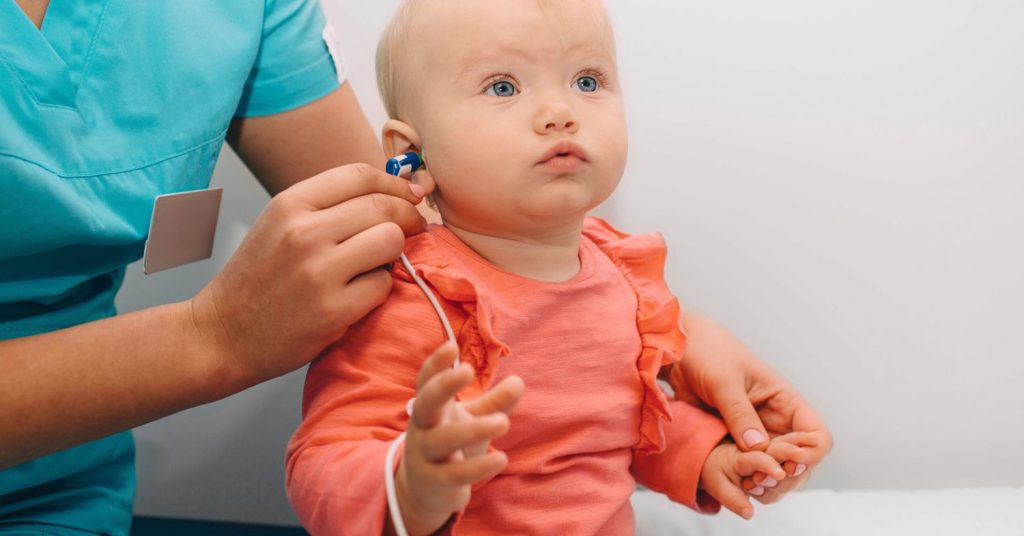
Hearing tests usually begin within the first few days of life. Newborn hearing screening is a routine part of postnatal care in many countries and is typically carried out before a baby leaves hospital or shortly afterwards. These early tests are vital because the first months of life are critical for speech and language development.
Newborn hearing screening is quick, painless, and safe. It is usually done while the baby is asleep. Two main tests are used: otoacoustic emissions (OAE) and automated auditory brainstem response (AABR). Both tests measure how the ears and hearing pathways respond to sound. Small earpieces or sensors are used, and babies feel no discomfort.
If a baby does not pass the initial screen, it does not automatically mean permanent hearing loss. Temporary factors such as fluid in the ears or movement during the test can affect results. Parents are usually advised to attend a follow-up test to confirm the outcome. Attending follow-up appointments is essential to ensure genuine concerns are identified early.
Some babies need ongoing hearing monitoring during infancy, particularly if they have risk factors such as premature birth, family history of hearing loss, or infections during pregnancy. Even if newborn screening results were normal, additional assessments may be recommended within the first year.
Parents also play a key role during infancy. Babies usually respond to loud noises, turn towards voices, and begin babbling. If a baby does not react to sound or shows delayed vocal development, parents should raise concerns with a healthcare professional. Early identification allows timely support and improves long-term outcomes.
When to Test Hearing in Toddlers and Preschool Children
The toddler and preschool years are marked by rapid speech and language development. During this time, hearing continues to play a central role in learning. Even children who passed newborn screening may develop hearing difficulties later, making hearing tests during early childhood important.
Routine health and developmental checks often include questions about hearing and speech. Formal hearing tests may be recommended if there are concerns about delayed language development or frequent ear infections. Hearing assessments for young children are designed to be engaging and often involve play-based responses rather than verbal answers.
Ear infections and middle ear fluid are common in young children and can cause temporary hearing loss. Parents may notice inattentiveness, unclear speech, or frequent requests for repetition. Hearing tests help determine whether these behaviours are related to hearing difficulties.
Speech delays are another reason hearing tests may be advised. Even mild hearing loss can affect how children learn sounds and words. Identifying hearing issues early allows families to access appropriate support, such as speech therapy or medical treatment.
Behavioural signs can also indicate hearing difficulties. These include frustration, difficulty following instructions, or struggling in noisy environments. Seeking testing early provides clarity and reassurance and helps prepare children for the transition to school.
Hearing Tests at School Age
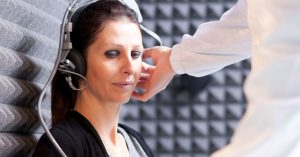
School age is another key time for hearing testing. Many schools provide routine hearing screenings in the early years of primary education. These screenings help identify children who may have developed hearing difficulties since earlier tests.
Classrooms are demanding listening environments. Even mild hearing loss can make it difficult to follow lessons, particularly when instructions are verbal. Children with hearing difficulties may appear distracted or fall behind academically.
Hearing loss can develop at any stage due to illness, infections, or noise exposure. School screenings help detect these changes early. Parents and teachers may notice signs such as misunderstanding instructions, turning one ear towards speakers, or struggling in group conversations.
If a child does not pass a school screening, a full assessment with an audiologist is recommended. Early follow-up helps prevent ongoing difficulties with learning and confidence.
Signs Your Child May Need a Hearing Test Between Scheduled Screenings
Some children need hearing tests outside routine screening times. Parents are often the first to notice subtle signs of hearing difficulty.
In babies and toddlers, signs include not responding to sounds, limited babbling, or delayed speech. Preschool children may struggle with instructions, appear inattentive, or become frustrated in noisy settings.
School-aged children may frequently ask for repetition, turn the television volume up high, or struggle socially. Physical symptoms such as ear pain, dizziness, or ringing in the ears should also prompt assessment.
If something does not feel right, parents should trust their instincts and request a hearing test, even if previous results were normal.
What to Do If a Hearing Problem Is Found
A hearing diagnosis can feel overwhelming, but many childhood hearing problems are treatable or manageable. The next steps depend on the cause and severity.
Children may be referred to an audiologist or ENT specialist for further assessment. Temporary hearing loss may be monitored or treated medically. Permanent hearing loss may be supported with hearing aids or other assistive technology.
Early intervention services, including speech and language therapy, are crucial. Schools can also provide adjustments to support learning. With the right support, children with hearing difficulties can thrive academically and socially.
Conclusion
Knowing when to test children’s hearing helps protect their communication, learning, and wellbeing. From newborn screening through to school-age checks, each stage plays an important role in early identification.
Hearing loss is not always obvious and can change over time. Routine testing combined with parental awareness ensures concerns are addressed promptly. Early detection and intervention give children the best opportunity to develop strong communication skills and confidence.
FAQ
When should my child have their first hearing test?
Most children have their first hearing test shortly after birth as part of newborn screening.
How often should children’s hearing be tested?
At birth, during routine health checks, and through school screenings, with additional tests if concerns arise.
Can hearing loss develop after early tests?
Yes. Illness, infections, or noise exposure can affect hearing later in childhood.
What are common signs of hearing problems?
Delayed speech, difficulty following instructions, asking for repetition, or struggling in noisy environments.
What should I do if I’m concerned?
Speak to your GP or healthcare provider and request a hearing assessment.
This article is for informational purposes only and is not a substitute for professional medical advice, diagnosis, or treatment. If you are concerned about your hearing or ear health, please consult a qualified healthcare provider.