
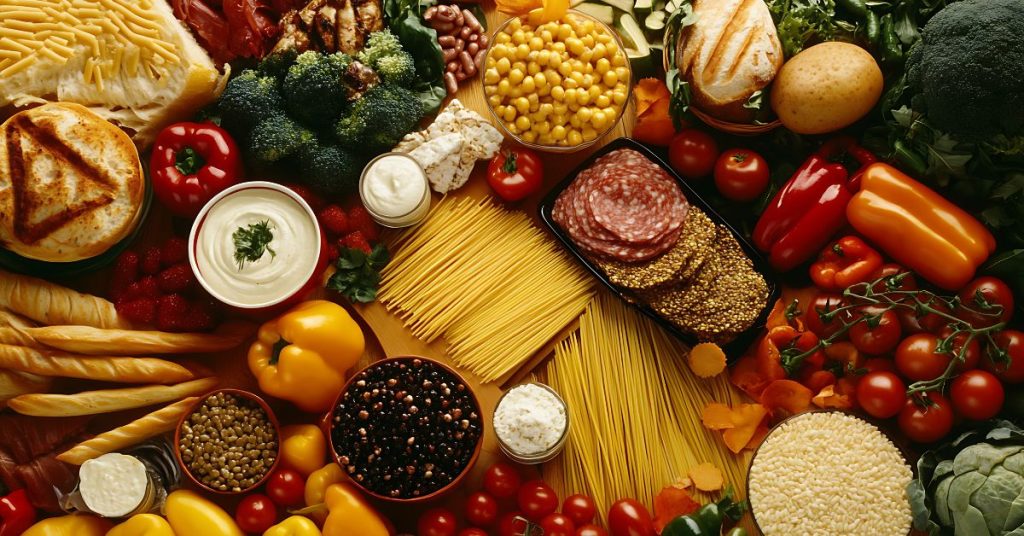
Hearing is something many of us take for granted—until it starts to change. Whether it’s struggling to follow conversations in a noisy room, turning the television up a little louder than before, or feeling fatigued after listening all day, hearing difficulties can have a real impact on everyday life. While ageing, noise exposure, and medical conditions all play a role in hearing health, one often overlooked factor is diet.
What we eat affects nearly every part of the body, including the delicate structures of the inner ear. The ears rely on healthy blood flow, strong nerve function, and protection from inflammation and oxidative stress to work properly. When nutrition falls short, these systems may not function as efficiently, potentially increasing the risk of hearing problems over time. On the other hand, a balanced, nutrient-rich diet can help support ear health and may play a role in protecting hearing at any age.
For adults over 50 in particular, hearing health becomes increasingly important. Age-related hearing loss is common, but it is not influenced by ageing alone. Conditions such as high blood pressure, diabetes, and poor circulation—many of which are closely linked to diet—are also associated with a higher risk of hearing decline. This means that the foods you choose each day may have a greater impact than you realise, not just on your general wellbeing, but on how well you hear and process sound.
It’s also important to be realistic. No food or supplement can cure hearing loss or replace professional hearing care. However, research increasingly suggests that certain nutrients can help protect the inner ear, support auditory nerves, and reduce some of the damage caused by noise exposure and ageing. When combined with other healthy habits—such as managing noise levels, staying active, and having regular hearing checks—diet can be a valuable part of a wider hearing health strategy.
In this article, we’ll explore the best foods for healthy hearing and explain why they matter. You’ll learn how nutrition supports the auditory system, which vitamins and minerals are particularly important for ear health, and how simple, everyday food choices can make a difference. We’ll also look at foods and habits that may negatively affect hearing, and how nutritional needs can change as we age.
How Nutrition Affects Hearing Health
The human ear is a remarkably complex organ, relying on a delicate balance of blood flow, nerve signalling, and cellular health to function properly. Sound waves are converted into electrical signals by tiny sensory cells in the inner ear, which are then transmitted to the brain via the auditory nerve. For this process to work efficiently, the ear needs a steady supply of oxygen and nutrients, along with protection from damage caused by ageing, noise, and environmental stressors.
Healthy circulation is particularly important for hearing. The inner ear is supplied by very small blood vessels, and even minor disruptions in blood flow can affect hearing sensitivity. Diets high in saturated fat, salt, and processed foods can contribute to cardiovascular problems such as high blood pressure and atherosclerosis, which may reduce blood flow to the ears. Over time, this reduced circulation can increase the risk of hearing decline.
Oxidative stress also plays a role. The inner ear is especially vulnerable to damage from free radicals, particularly after exposure to loud noise or as part of the natural ageing process. Antioxidants found in fruits and vegetables help neutralise these free radicals and may reduce damage to the delicate hair cells responsible for hearing.
Inflammation is another factor linked to hearing loss. Diets high in sugar and ultra-processed foods can promote chronic inflammation, while diets rich in anti-inflammatory foods—such as oily fish, nuts, seeds, and vegetables—help keep inflammation under control.
Nerve health is equally important. The auditory nerve depends on nutrients like vitamin B12, folate, and magnesium to transmit sound signals effectively. Deficiencies in these nutrients have been associated with hearing difficulties and tinnitus, particularly in older adults.
Finally, hydration supports the fluid balance of the inner ear, which is essential for both hearing and balance. Even mild dehydration can affect how well these systems function.
Vitamins and Minerals That Support Healthy Hearing
Several vitamins and minerals are particularly important for hearing health.
Magnesium helps protect the inner ear from noise-induced damage by supporting healthy blood flow and reducing oxidative stress. It is found in leafy greens, nuts, seeds, whole grains, and legumes.
Potassium helps regulate fluid balance in the inner ear, which is essential for converting sound waves into nerve signals. Potassium-rich foods include bananas, beans, spinach, avocados, and sweet potatoes.
Zinc supports immune health and nerve signalling and has been linked to inner ear health. It is found in meat, shellfish, dairy products, whole grains, nuts, and seeds.
Vitamin B12 and folate are essential for nerve health and red blood cell production. Low levels have been linked to age-related hearing loss. Vitamin B12 is found in animal products and fortified foods, while folate is abundant in leafy greens and legumes.
Vitamin D supports bone health, including the tiny bones of the middle ear, and may help protect against certain hearing conditions. Oily fish, egg yolks, fortified foods, and sunlight are key sources.
Antioxidant vitamins such as vitamin C, vitamin E, and beta-carotene help protect the inner ear from oxidative damage and are found in colourful fruits and vegetables.
The Best Foods for Healthy Hearing
Leafy green vegetables such as spinach and kale provide folate, magnesium, and antioxidants that support circulation and protect inner ear cells.
Oily fish like salmon, sardines, and mackerel provide omega-3 fatty acids and vitamin D, supporting nerve health and reducing inflammation.
Nuts and seeds offer magnesium, zinc, vitamin E, and healthy fats. Almonds, walnuts, pumpkin seeds, and sunflower seeds are particularly beneficial.
Whole grains such as oats, brown rice, and wholemeal bread provide B vitamins and magnesium while supporting stable blood sugar levels.
Dairy products and fortified alternatives provide calcium, vitamin D, and vitamin B12, supporting bone and nerve health.
Fruits and colourful vegetables supply antioxidants that protect hearing cells from damage. Citrus fruits, berries, carrots, and peppers are excellent choices.
Legumes such as lentils and chickpeas provide plant-based protein, magnesium, zinc, and folate, making them an affordable and versatile option.
Foods and Habits That May Harm Hearing Health
Excess salt can affect inner ear fluid balance and blood pressure, potentially worsening hearing problems. Reducing processed foods helps limit salt intake.
High sugar intake increases the risk of diabetes and circulation problems, both of which are linked to hearing loss.
Ultra-processed foods contribute to inflammation and poor cardiovascular health, indirectly affecting hearing.
Unhealthy fats can restrict blood flow, including to the inner ear. Healthier fats from fish, olive oil, nuts, and seeds are better choices.
Smoking restricts blood flow and increases oxidative stress, while excessive alcohol may worsen tinnitus and affect nerve function. Staying hydrated is also important for maintaining inner ear fluid balance.
Eating for Healthy Hearing at Different Ages
In younger adulthood, diet supports prevention, particularly against noise-related damage. Antioxidants, omega-3s, and magnesium are especially important.
During midlife, supporting heart health through diet helps protect hearing as the risk of high blood pressure and diabetes increases.
For adults over 50, absorption of vitamin B12 declines, increasing the importance of B12-rich or fortified foods. Vitamin D and hydration also become more important.
Caregivers can support hearing health by encouraging simple, nutrient-dense meals that are easy to prepare and enjoyable.
Conclusion
Diet plays an important role in supporting hearing health at every stage of life. While it cannot cure hearing loss, a balanced, nutrient-rich diet helps protect circulation, nerve function, and the delicate structures of the inner ear.
Focusing on whole foods such as vegetables, fruits, oily fish, whole grains, nuts, seeds, and fortified dairy products can support hearing while also improving overall wellbeing. Limiting salt, sugar, and ultra-processed foods further reduces risks linked to hearing decline.
Small, consistent changes can make a meaningful difference over time. Combined with regular hearing checks and healthy lifestyle habits, good nutrition is a powerful way to protect your hearing and quality of life.
FAQ
Can diet really improve my hearing?
Diet cannot restore lost hearing, but it can help protect the hearing you have by supporting circulation, nerve health, and reducing inflammation.
What is the single best food for healthy hearing?
There is no single best food. Oily fish is often highlighted, but the greatest benefit comes from a varied, balanced diet.
Can certain foods make tinnitus worse?
Some people find that salt, sugar, caffeine, or alcohol can worsen tinnitus, though triggers vary between individuals.
Should I take supplements for hearing health?
Supplements may help if you have a deficiency, but you should always speak to a healthcare professional before starting them.
How long does it take for diet changes to help hearing health?
Benefits build gradually over months and years. Consistency is more important than quick results.
This article is for informational purposes only and is not a substitute for professional medical advice, diagnosis, or treatment. If you are concerned about your hearing or ear health, please consult a qualified healthcare provider.