
Hearing loss is often thought of as an inevitable part of aging, but research increasingly shows that lifestyle choices can play a significant role in protecting your ears. One of the most surprising factors? Physical activity. Exercise doesn’t just benefit your heart, muscles, and mind—it can also support hearing wellness.
Recent studies suggest that regular movement may improve blood flow to the inner ear, reduce inflammation, and even slow the progression of age-related hearing loss. For adults over 50, maintaining an active lifestyle can be a powerful tool for preserving auditory function, enhancing overall quality of life, and keeping conversations, music, and environmental sounds clear and enjoyable.
In this article, we’ll explore the science behind exercise and hearing health, the connection between cardiovascular fitness and ear function, practical exercise strategies, and other lifestyle habits that can protect your hearing. Whether you’re looking to prevent future hearing problems or support current auditory health, understanding how physical activity contributes to ear wellness can help you take proactive steps toward better hearing for years to come.
How Hearing Works and Why It Declines
Hearing is a complex process that begins with sound waves entering the ear and ends with the brain interpreting these signals. Sound travels through the outer ear, vibrating the eardrum and tiny bones in the middle ear, which then transmit these vibrations to the cochlea in the inner ear. The cochlea, a spiral-shaped organ filled with fluid and thousands of tiny hair cells, converts these mechanical vibrations into electrical signals that the auditory nerve carries to the brain. These signals allow us to perceive volume, pitch, and direction of sounds, enabling communication, safety, and enjoyment of music or nature.
Over time, hearing naturally declines due to a combination of factors. Age-related hearing loss, known as presbycusis, is the most common type among adults over 50. It primarily affects the high-frequency sounds, making it harder to understand speech, especially in noisy environments. Genetics can play a role, but lifestyle factors significantly influence the rate and severity of hearing loss. Exposure to loud noises—like concerts, machinery, or even prolonged use of headphones at high volume—can damage hair cells in the cochlea, leading to permanent hearing deficits.
Another key contributor to hearing decline is reduced blood flow to the inner ear. The cochlea requires a constant supply of oxygen and nutrients delivered via tiny blood vessels. When circulation is impaired—often due to cardiovascular issues, high blood pressure, or diabetes—the inner ear may not receive adequate support, accelerating hearing deterioration. Chronic inflammation, metabolic disorders, and certain medications can further compromise ear health.
Understanding these mechanisms highlights why interventions that improve overall circulation and reduce inflammation—such as regular physical activity—can have a protective effect on hearing. While some causes of hearing loss are unavoidable, taking proactive steps to support inner ear health can help preserve auditory function well into later years. Exercise is emerging as a key strategy to maintain both cardiovascular and auditory health simultaneously.
The Science Linking Exercise and Hearing Health
The connection between physical activity and hearing wellness may seem surprising at first, but emerging research shows that an active lifestyle can positively impact auditory health in several ways. Scientists have begun to uncover the mechanisms behind this link, focusing on blood flow, inflammation, and overall cardiovascular fitness.
One of the key factors is improved circulation. The cochlea, the tiny spiral-shaped organ in the inner ear, relies on a steady supply of oxygen and nutrients delivered through small blood vessels. Studies indicate that regular aerobic exercise, such as walking, swimming, or cycling, enhances blood flow throughout the body, including these delicate vessels in the inner ear. Improved circulation helps maintain the health of hair cells—the sensory cells that detect sound—which are critical for clear hearing.
Research also suggests that exercise may reduce inflammation. Chronic inflammation, often associated with aging and lifestyle-related conditions, can contribute to degeneration of the inner ear and auditory nerve. Physical activity has been shown to lower systemic inflammation, creating a healthier environment for auditory cells and potentially slowing age-related hearing decline.
A 2019 study published in the Journal of Clinical Medicine found that adults who engaged in regular moderate-intensity exercise were less likely to experience hearing loss compared with sedentary peers. Another study in Frontiers in Neuroscience highlighted that cardiovascular fitness was correlated with better speech perception in noisy environments—a common challenge for older adults. These findings suggest that even modest improvements in fitness can have tangible benefits for hearing.
Different types of exercise may offer unique advantages. Aerobic exercise—like brisk walking, swimming, or cycling—improves circulation and heart health, indirectly benefiting the ears. Strength training supports overall metabolic health and can complement aerobic activity, while balance exercises and yoga enhance body awareness and reduce stress, which can also influence auditory function.
While exercise alone cannot reverse hearing loss caused by loud noise or genetic factors, it serves as a preventative measure and a way to support overall ear health. Combined with other lifestyle strategies, regular physical activity can help adults protect their hearing, maintain communication abilities, and enjoy a richer quality of life.
Cardiovascular Health: The Heart-Ear Connection
Your heart and ears are more connected than you might think. Healthy cardiovascular function plays a critical role in maintaining optimal hearing, particularly as we age. The inner ear depends on a dense network of tiny blood vessels to deliver oxygen and nutrients to the cochlea, where sound is converted into electrical signals for the brain. When cardiovascular health declines, these delicate vessels can be compromised, putting hearing at risk.
Conditions such as high blood pressure, atherosclerosis, and diabetes reduce blood flow and increase the risk of hearing loss. Studies have found that individuals with cardiovascular disease are more likely to experience auditory decline, suggesting that protecting heart health can directly benefit ear health. This is where exercise becomes a powerful tool: regular physical activity strengthens the heart, improves circulation, and supports the vascular system that feeds the inner ear.
Aerobic exercise, such as walking, swimming, or cycling, has been shown to increase blood flow, lower blood pressure, and improve oxygen delivery throughout the body. Even moderate activity—like a daily 30-minute brisk walk—can enhance cardiovascular efficiency and provide measurable benefits to the inner ear over time. Additionally, exercise helps maintain healthy cholesterol levels, reducing the buildup of arterial plaque that could restrict blood flow to the auditory system.
Another key factor is the reduction of inflammation. Poor cardiovascular health often correlates with higher levels of systemic inflammation, which can damage the cochlea and auditory nerve. Exercise has anti-inflammatory effects, lowering the production of inflammatory markers in the body and creating a healthier environment for hearing.
Beyond physical improvements, maintaining cardiovascular fitness also supports cognitive function, balance, and overall well-being. These factors indirectly influence hearing by reducing fatigue, improving focus in conversations, and enhancing the ability to process sounds in complex environments.
In short, caring for your heart is also caring for your ears. Incorporating regular cardiovascular activity into your routine is not just about longevity—it’s a strategy to preserve auditory health and maintain your connection to the sounds that enrich everyday life.
Exercise Strategies to Support Hearing
If you’re looking to protect your hearing through physical activity, the good news is that many types of exercise can help. The key is to choose activities that promote cardiovascular health, improve circulation, reduce inflammation, and support overall wellness. Here are some effective strategies tailored for adults over 50:
Aerobic Exercise
Aerobic, or “cardio,” exercise is particularly beneficial for hearing health because it strengthens the heart and enhances blood flow to the inner ear. Examples include brisk walking, swimming, cycling, or low-impact aerobics. Aim for at least 150 minutes of moderate-intensity aerobic exercise per week, broken into manageable sessions of 20–30 minutes daily. For beginners, even a short daily walk can have long-term benefits.
Strength Training
While aerobic exercise improves circulation, strength training supports metabolism, bone health, and overall endurance. Lifting light weights, using resistance bands, or performing bodyweight exercises like squats and push-ups twice a week can help maintain muscle mass and overall health. Stronger muscles contribute to better posture and balance, which indirectly supports hearing by keeping you alert and engaged in social situations.
Balance and Flexibility Exercises
Balance-focused activities, such as yoga, Tai Chi, or Pilates, improve body awareness and reduce the risk of falls. Good balance and coordination also enhance your ability to localize sounds in the environment, which can be particularly helpful for people with hearing loss. These exercises also reduce stress, which has been linked to lower inflammation and better cardiovascular health.
Practical Tips for Incorporating Exercise
Start slow: Gradually increase intensity and duration to prevent injury and encourage consistency.
Mix it up: Combine aerobic, strength, and balance exercises for a well-rounded routine.
Listen to your body: If you experience dizziness, ear fullness, or unusual fatigue, pause and consult a healthcare provider.
Stay consistent: Regular activity is more important than occasional intense workouts. Daily movement, even light activity, can have cumulative benefits.
Safety Considerations
For adults with pre-existing medical conditions, it’s wise to consult a physician before starting a new exercise program. Hearing-impaired individuals may also benefit from exercising with a partner or in environments where visual cues support safety and communication.
Incorporating these strategies into your lifestyle can not only improve overall health but also serve as a proactive step toward preserving hearing. By making physical activity a consistent part of your routine, you’re supporting your heart, circulation, and inner ear health simultaneously.
Lifestyle Tips Beyond Exercise
While regular physical activity is a cornerstone of hearing wellness, it works best when paired with other healthy lifestyle habits. Taking a holistic approach can help protect your ears, enhance auditory function, and improve overall quality of life.
Maintain a Heart-Healthy Diet
Nutrition plays a crucial role in both cardiovascular and auditory health. Diets rich in fruits, vegetables, whole grains, lean proteins, and healthy fats—like those found in the Mediterranean diet—support blood vessel health and reduce inflammation. Nutrients such as omega-3 fatty acids, antioxidants, magnesium, and vitamins A, C, and E are linked to better hearing outcomes and may help protect inner ear cells from age-related damage.
Stay Hydrated
Adequate hydration is often overlooked but is essential for maintaining proper blood circulation. Dehydration can reduce blood flow to the inner ear, potentially affecting hearing and balance. Drinking water consistently throughout the day supports both cardiovascular function and auditory health.
Protect Your Ears from Loud Noise
Exposure to loud sounds is a leading cause of hearing loss. Limit time spent in noisy environments, use ear protection when necessary, and follow safe listening practices with headphones. Even if you exercise regularly, repeated exposure to high decibel levels can damage the delicate hair cells in the cochlea permanently.
Manage Stress and Prioritize Sleep
Chronic stress and poor sleep can increase inflammation and negatively affect cardiovascular health, indirectly impacting hearing. Techniques such as meditation, yoga, deep breathing exercises, and mindfulness can reduce stress, while prioritizing 7–9 hours of quality sleep each night supports overall wellness, including auditory function.
Schedule Regular Hearing Check-Ups
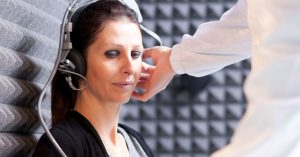
Routine hearing assessments can catch early signs of hearing decline and allow for timely interventions. Audiologists can provide personalized recommendations, assistive devices if necessary, and guide lifestyle adjustments to protect your hearing.
By combining exercise with these lifestyle practices, you create a comprehensive plan that supports not only your cardiovascular system but also your auditory health. Small, consistent steps—like walking daily, eating nutrient-rich meals, and protecting your ears—can collectively make a significant difference in preserving hearing and enhancing your overall quality of life.
Conclusion
Hearing health is influenced by far more than just age or genetics. Emerging research highlights the surprising role that physical activity plays in protecting and supporting auditory function. Regular exercise improves circulation, reduces inflammation, strengthens the heart, and supports overall wellness—all of which contribute to maintaining healthy hearing.
For adults over 50, incorporating a mix of aerobic, strength, and balance exercises into daily routines can serve as a powerful preventative measure. Combined with heart-healthy nutrition, stress management, ear protection, and routine hearing check-ups, these lifestyle choices create a holistic approach to preserving hearing.
It’s never too late to start. Even modest changes—like adding a daily walk, practicing yoga, or including strength training twice a week—can make a meaningful difference. By prioritizing physical activity and adopting supportive habits, you not only protect your ears but also enhance your quality of life, keeping you connected to the sounds, conversations, and experiences that make life rich and fulfilling.
FAQ
What types of exercise are best for hearing health?
Aerobic exercises like walking, swimming, or cycling are particularly beneficial because they improve cardiovascular health and blood flow to the inner ear. Strength training and balance exercises, such as yoga or Tai Chi, also support overall wellness, reduce inflammation, and enhance coordination, indirectly benefiting hearing. A combination of these activities is ideal.
How does cardiovascular health affect hearing?
The inner ear relies on a network of tiny blood vessels to supply oxygen and nutrients. Poor cardiovascular health—caused by high blood pressure, atherosclerosis, or diabetes—can reduce blood flow to the cochlea, increasing the risk of hearing loss. Maintaining a healthy heart through exercise, diet, and lifestyle choices supports proper inner ear function.
Can exercise reverse existing hearing loss?
While exercise cannot reverse hearing loss caused by age, genetics, or prolonged exposure to loud noise, it can slow further decline and improve overall auditory function. Exercise helps maintain healthy blood flow, reduces inflammation, and supports the structures of the inner ear, contributing to better hearing wellness over time.
How often should I exercise to support hearing?
For adults over 50, experts recommend at least 150 minutes of moderate-intensity aerobic exercise per week, combined with two days of strength training and regular balance or flexibility exercises. Consistency is key, and even smaller amounts of daily activity can provide benefits.
Are there other lifestyle habits that protect hearing?
Yes. Protecting your ears from loud noise, maintaining a heart-healthy diet, staying hydrated, managing stress, prioritizing sleep, and attending regular hearing check-ups all contribute to long-term auditory health. Combining these habits with regular exercise creates a holistic approach to hearing wellness.
This article is for informational purposes only and is not a substitute for professional medical advice, diagnosis, or treatment. If you are concerned about your hearing or ear health, please consult a qualified healthcare provider.