
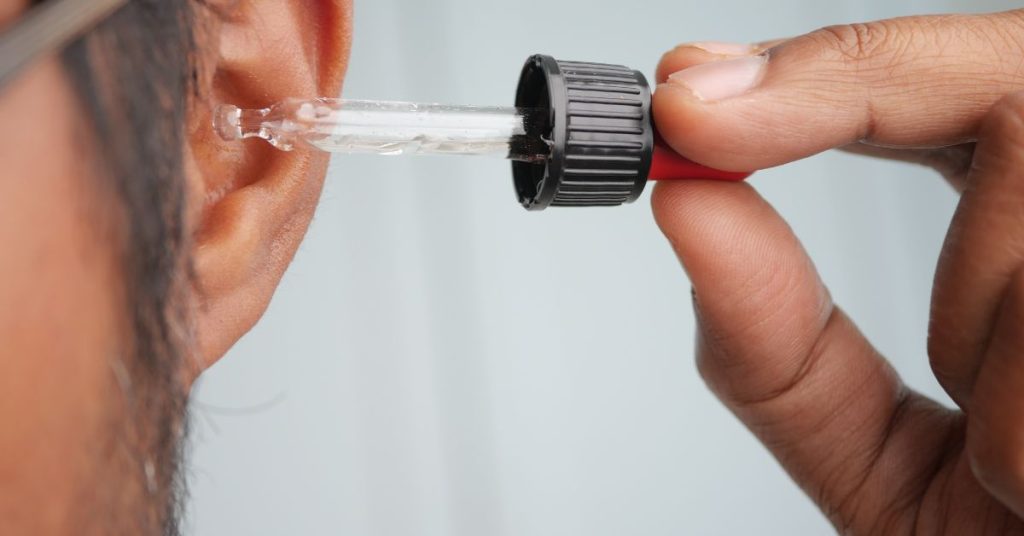
Ear infections are a common health issue that can affect people of all ages, from children to adults. They often cause discomfort, pain, and sometimes temporary hearing difficulties. Ear infections typically occur when bacteria or viruses enter the ear, leading to inflammation and fluid buildup. While some infections require medical treatment, many mild cases can be managed at home using natural remedies and supportive care.
Home remedies can provide fast relief by reducing pain, easing inflammation, and helping the body fight off the infection. These remedies often use simple ingredients found in your kitchen or involve lifestyle adjustments that support ear health. In this article, we will explore the top 10 home remedies for ear infections, focusing on safe and effective solutions that can help both adults and children feel better quickly. We’ll also cover precautions to ensure that home treatments are used wisely and when it’s necessary to seek professional care.
By understanding both the causes and the remedies for ear infections, you can take proactive steps to manage symptoms at home while minimizing discomfort. Whether it’s a mild irritation or recurring episodes, knowing these natural strategies can empower you to take control of your ear health.
Understanding Ear Infections
Ear infections can be classified into three main types: outer ear infections, middle ear infections, and inner ear infections. Each type affects a different part of the ear and comes with its own set of symptoms, causes, and levels of severity. Understanding these differences is crucial for effectively managing the condition and knowing when home remedies are appropriate.
Outer Ear Infections (Otitis Externa)
Also known as “swimmer’s ear,” outer ear infections affect the ear canal. They are often caused by bacteria or fungi entering the ear, particularly after swimming or exposure to moisture. Common symptoms include itching, redness, swelling of the ear canal, and sometimes a discharge that may have an unpleasant odor. Outer ear infections are typically mild but can cause considerable discomfort, especially when touched or when the jaw moves.
Middle Ear Infections (Otitis Media)
Middle ear infections are more common in children but can also affect adults. They occur when fluid accumulates behind the eardrum, usually following a cold, sinus infection, or upper respiratory infection. Symptoms often include sharp or dull ear pain, a feeling of fullness in the ear, reduced hearing, and sometimes fever. In some cases, the eardrum may rupture, leading to fluid drainage. Prompt attention is important if symptoms persist, as untreated infections can occasionally lead to complications.
Inner Ear Infections (Labyrinthitis)
Inner ear infections are less common but more serious. They affect the inner ear structures responsible for balance and hearing. Symptoms can include vertigo, dizziness, nausea, hearing loss, and sometimes ringing in the ears (tinnitus). Due to the complexity of the inner ear and the potential for serious complications, medical evaluation is strongly recommended for anyone experiencing these symptoms.
Recognizing Warning Signs
While many ear infections can be managed at home, certain warning signs indicate the need for professional care. These include severe pain that doesn’t improve with home remedies, high fever, persistent hearing loss, repeated infections, swelling around the ear, or discharge that is yellow, green, or bloody. Understanding these red flags helps ensure that treatment is both safe and effective.
By recognizing the type of ear infection and the severity of symptoms, you can determine which home remedies are suitable and when it is essential to seek medical attention. This knowledge sets the foundation for effective symptom relief and helps prevent complications.
Home Remedies Using Natural Ingredients
Many people turn to natural ingredients for relief from ear infections because they can help reduce pain, inflammation, and the risk of further infection. While these remedies are not a substitute for professional medical care in severe cases, they can provide comfort and support healing when used safely. Here are some of the most effective natural remedies you can try at home:
1. Warm Compress
Applying a warm compress to the affected ear is one of the simplest and most effective ways to relieve pain. Heat helps reduce inflammation and improves blood circulation, which can accelerate the healing process. To use this remedy, soak a clean cloth in warm water, wring it out, and place it gently over the ear for 10–15 minutes. Repeat several times a day as needed. Avoid using heat that is too intense to prevent burns.
2. Garlic Oil
Garlic has natural antimicrobial properties that may help fight bacterial infections. Garlic-infused oil can be gently warmed and a few drops applied to the outer ear (never inside the ear canal unless advised by a doctor). Be cautious, as undiluted garlic can irritate the skin, so using it as an infused oil is safer.
3. Olive Oil
Olive oil is a gentle remedy that can soothe ear pain and soften earwax. Slightly warm olive oil can be applied to the ear’s outer area or a drop can be placed just inside the ear canal if recommended by a healthcare professional. Its anti-inflammatory properties make it an excellent choice for sensitive ears.
4. Tea Tree Oil
Tea tree oil has antibacterial and antifungal properties, which may help manage minor infections. However, it must always be diluted before use. Combine a few drops with a carrier oil like olive oil and apply externally around the ear or on a warm compress placed over the ear. Never insert undiluted tea tree oil directly into the ear canal.
5. Apple Cider Vinegar
Apple cider vinegar can help balance the ear’s pH and prevent bacterial or fungal growth. Mix equal parts of apple cider vinegar and water or alcohol-free witch hazel, soak a cotton ball, and place it gently near the ear opening—not inside the canal. This method can help reduce discomfort and support the healing process.
6. Hydrogen Peroxide
A mild hydrogen peroxide solution can help remove excess earwax and clean the ear canal, reducing the risk of further infection. Use a dropper to place a few drops in the affected ear, let it bubble for a few minutes, and then tilt the head to drain. Only use this occasionally and avoid it if the eardrum is perforated.
Safety Tips for Natural Remedies:
Always consult a healthcare professional if symptoms persist, worsen, or include fever and hearing loss.
Avoid inserting objects deep into the ear canal, as this can worsen the infection or damage the eardrum.
Test any oil or topical remedy on a small patch of skin first to check for allergic reactions.
Natural remedies can provide soothing relief and support recovery when used correctly. Combining these remedies with proper rest and symptom management can make ear infections more manageable without immediately resorting to medication.
Lifestyle and Environmental Tips for Relief
In addition to natural remedies, certain lifestyle adjustments and environmental strategies can significantly reduce discomfort and support healing during an ear infection. These approaches focus on minimizing irritation, promoting proper ear drainage, and maintaining overall ear health.
Keep the Ear Dry
Moisture can worsen ear infections, especially outer ear infections. Avoid swimming or submerging the ear in water until the infection clears. When showering or bathing, use a shower cap or cotton ball lightly coated with petroleum jelly to keep water out. Ensuring the ear stays dry helps prevent bacterial or fungal growth and accelerates recovery.
Elevate Your Head During Sleep
Sleeping with your head slightly elevated can help reduce pressure and fluid buildup in the middle ear. Use an extra pillow or elevate the head of the bed to improve drainage. This simple adjustment can alleviate pain and make it easier to rest, which is crucial for recovery.
Reduce Exposure to Irritants
Avoid exposure to smoke, strong chemicals, and allergens, as these can irritate the ears and prolong infection. Smoking and secondhand smoke, in particular, can impair the immune response and increase the likelihood of recurring ear infections. Maintaining a clean, allergen-free environment supports faster healing.
Practice Good Ear Hygiene
Gently cleaning the outer ear with a soft cloth can remove debris, but avoid inserting cotton swabs or other objects into the ear canal. Over-cleaning or poking inside the ear can push wax deeper, irritate the ear canal, or damage the eardrum. Healthy hygiene habits help prevent infections and keep ears comfortable.
Stay Hydrated and Rested
Adequate hydration helps thin mucus and fluid in the ears, making it easier for the body to fight infections. Combined with sufficient rest, this allows the immune system to function optimally, supporting faster recovery from ear infections.
Manage Pain Naturally
Over-the-counter pain relief like acetaminophen or ibuprofen can be used safely in combination with home remedies to reduce discomfort. Additionally, gentle jaw movements, such as chewing or yawning, can help relieve pressure in the middle ear, providing temporary relief from pain and fullness.
By incorporating these lifestyle and environmental strategies, you can complement natural remedies and create an optimal healing environment for the ear. These measures not only help relieve current symptoms but can also reduce the risk of future infections.
Over-the-Counter and Supportive Measures at Home
While natural remedies and lifestyle adjustments provide significant relief, over-the-counter (OTC) products can complement home care and help manage ear infection symptoms more effectively. When used correctly, these products are safe and can ease pain, reduce inflammation, and improve overall comfort.
Pain Relievers
OTC pain relievers such as acetaminophen (Tylenol) or ibuprofen (Advil, Motrin) are commonly used to alleviate ear pain. Ibuprofen also helps reduce inflammation, which can relieve pressure in the ear. Be sure to follow the recommended dosage instructions on the packaging, and consult a healthcare provider if you have existing health conditions or take other medications.
Decongestants
Nasal decongestants, available as sprays or oral medications, can help reduce fluid buildup in the middle ear, particularly when infections are associated with colds or sinus congestion. Reducing nasal and sinus congestion allows the Eustachian tube to drain properly, decreasing pressure and pain in the ear. It’s important to use decongestants as directed and avoid prolonged use of nasal sprays to prevent rebound congestion.
Ear Drops
Some OTC ear drops are formulated to soothe pain, soften earwax, or relieve irritation. Only use drops specifically designed for ear infections and avoid putting any drops into the ear if the eardrum is perforated or if there is discharge from the ear. Always read labels carefully and follow instructions for safe use.
Saline Sprays
Saline nasal sprays or rinses can help clear nasal passages and reduce middle ear pressure. By keeping the nasal passages clear, fluid can drain more effectively from the Eustachian tube, helping alleviate pressure and discomfort in the middle ear. Saline sprays are generally safe for adults and children and can be used multiple times a day.
Complementary Supportive Measures
Combining OTC treatments with home remedies, such as warm compresses or garlic oil, can enhance symptom relief. For example, using a warm compress while taking a pain reliever may provide faster and longer-lasting comfort. Drinking warm herbal teas and staying hydrated can also support the body’s immune response.
Safety Considerations:
Avoid OTC ear drops if the eardrum is damaged or there is ongoing discharge.
Always read instructions and adhere to recommended dosages for pain relievers and decongestants.
Consult a healthcare provider if symptoms persist for more than a few days or worsen despite home care.
OTC and supportive measures at home can be highly effective in easing the discomfort of ear infections. When combined with natural remedies and lifestyle adjustments, these strategies create a comprehensive approach to managing symptoms safely and promoting faster recovery.
When to Seek Medical Attention
While many ear infections can be managed safely at home, it’s essential to recognize situations that require professional medical evaluation. Prompt medical attention can prevent complications and ensure the appropriate treatment, especially when symptoms are severe or persistent.
Severe or Persistent Pain
If ear pain is intense, does not improve with home remedies or OTC pain relievers, or lasts more than a couple of days, it’s important to consult a healthcare provider. Severe pain can indicate a more serious infection or an issue with the eardrum that requires medical intervention.
High Fever or Illness
A high fever, especially in children, may signal that the infection is more serious. Fever indicates that the body is fighting a significant infection, and medical assessment is crucial to prevent further complications.
Hearing Loss or Ringing
Any sudden or persistent hearing loss, muffled hearing, or ringing (tinnitus) should be evaluated promptly. These symptoms may indicate fluid buildup in the middle ear, inner ear involvement, or a more complex infection that needs professional treatment.
Discharge from the Ear
If there is fluid, pus, or blood draining from the ear, it may suggest a ruptured eardrum or a severe infection. Ear discharge requires examination by a healthcare professional to determine the cause and prescribe appropriate treatment.
Recurring Ear Infections
Frequent ear infections, especially in children, may indicate an underlying condition such as Eustachian tube dysfunction, allergies, or immune system issues. A doctor can help identify the root cause and recommend preventive measures or medical treatments to reduce recurrence.
Other Concerning Symptoms
Symptoms like dizziness, severe nausea, swelling around the ear, or redness extending to the face and neck require immediate medical attention. These signs could indicate a spreading infection or complications that need urgent care.
When Home Remedies Are Appropriate
For mild ear infections without severe symptoms, home remedies, lifestyle adjustments, and OTC measures can provide relief and support recovery. However, if symptoms persist beyond 48–72 hours or worsen despite treatment, a healthcare professional should evaluate the situation.
Knowing when to seek medical attention ensures that ear infections are treated safely and effectively. Combining home remedies with professional care when necessary helps prevent complications and supports optimal ear health.
Conclusion
Ear infections can be uncomfortable and sometimes disruptive, but many cases can be managed safely at home with a combination of natural remedies, lifestyle adjustments, and supportive care. Remedies such as warm compresses, garlic oil, olive oil, tea tree oil, and apple cider vinegar can provide soothing relief, reduce inflammation, and support the body’s healing process. When combined with practical measures like keeping the ear dry, elevating the head during sleep, maintaining good ear hygiene, and staying hydrated, these strategies create an effective, holistic approach to ear care.
Over-the-counter pain relievers, decongestants, and saline sprays can complement home remedies, providing faster relief and easing discomfort. However, it’s important to recognize when professional medical attention is necessary. Severe pain, high fever, hearing loss, ear discharge, or recurring infections are all red flags that should prompt a visit to a healthcare provider.
By understanding the types of ear infections, their symptoms, and the safe ways to treat them at home, adults and caregivers can feel empowered to manage ear health effectively. The combination of natural remedies, supportive measures, and timely medical care offers the best approach for fast relief and recovery. Practicing these strategies not only helps alleviate current symptoms but also reduces the risk of future infections, promoting long-term ear health and overall well-being.
FAQ
What are the most effective home remedies for ear infections?
Some of the most effective home remedies include applying a warm compress, using garlic oil or olive oil, and trying diluted tea tree oil. These remedies can help reduce pain, fight mild infections, and soothe inflammation. Combining these with proper ear hygiene, hydration, and rest can enhance recovery.
Can children use home remedies for ear infections?
Yes, many home remedies can be safe for children, such as warm compresses and keeping the ear dry. However, oils and herbal treatments should be used cautiously and only under adult supervision. It’s important to consult a pediatrician if symptoms persist or worsen, as children are more susceptible to complications.
When should I see a doctor for an ear infection?
Seek medical attention if you experience severe or persistent pain, high fever, sudden hearing loss, ear discharge, or recurring infections. Additionally, dizziness, nausea, or swelling around the ear are warning signs that require prompt professional care.
Is it safe to put oil or other remedies inside the ear canal?
Generally, only a few drops of warm, diluted oils are safe if recommended by a healthcare professional. Never insert undiluted essential oils or objects into the ear canal, as this can damage the eardrum or worsen the infection. Applying remedies externally or on a warm compress is safer for most cases.
Can lifestyle changes help prevent future ear infections?
Absolutely. Keeping ears dry, maintaining good hygiene, avoiding smoke and irritants, staying hydrated, and managing allergies can all reduce the risk of future infections. Combined with timely treatment of colds and sinus issues, these strategies support long-term ear health.
This article is for informational purposes only and is not a substitute for professional medical advice, diagnosis, or treatment. If you are concerned about your hearing or ear health, please consult a qualified healthcare provider.