
For millions of workers around the world, exposure to loud noise is an unavoidable part of the job. From construction sites and factories to airports and music venues, prolonged contact with high-decibel environments can gradually damage hearing. Unlike a sudden injury, noise-induced hearing loss (NIHL) often develops slowly, making it difficult to notice until significant hearing reduction has occurred.
Work-related hearing loss is more than just an inconvenience—it can affect communication, safety, and quality of life. Difficulty understanding speech, needing higher volume levels on devices, and persistent ringing in the ears are common signs that should never be ignored. Beyond the personal impact, untreated hearing loss in the workplace can also reduce productivity, increase the risk of accidents, and contribute to social isolation.
The good news is that work-related hearing loss is largely preventable with proper awareness, protective strategies, and early intervention. In this article, we’ll explore the causes and risk factors of noise-induced hearing loss, highlight early warning signs, and provide practical guidance on prevention and treatment. Whether you’re an employee exposed to loud environments or a caregiver looking to support someone at risk, understanding these factors can help protect your hearing for the long term.
Understanding Noise-Induced Hearing Loss
Noise-induced hearing loss (NIHL) occurs when the delicate structures of the inner ear, particularly the hair cells in the cochlea, are damaged by prolonged exposure to loud sounds. These hair cells are essential for translating sound waves into electrical signals that the brain interprets as sound. Once damaged, these cells do not regenerate, making NIHL permanent in most cases.
NIHL can develop gradually, especially in work environments where noise levels consistently exceed safe thresholds. The Occupational Safety and Health Administration (OSHA) identifies 85 decibels (dB) as the level at which prolonged exposure—typically eight hours a day—can begin to cause damage. For context, everyday conversation is about 60 dB, a busy street is around 70 dB, and heavy machinery or power tools often exceed 90 dB. Repeated exposure to these higher levels without proper protection significantly increases the risk of hearing loss.
There are two main types of NIHL commonly seen in the workplace: temporary threshold shift and permanent threshold shift. Temporary threshold shift refers to short-term hearing loss after exposure to loud noise, often accompanied by muffled hearing or ringing in the ears (tinnitus). While hearing may recover after a period of rest, repeated episodes can lead to permanent damage. Permanent threshold shift occurs when the cumulative effects of noise exposure irreversibly impair hearing. High-frequency sounds are usually affected first, making it difficult to understand speech, especially in noisy environments.
In addition to the physical damage to the inner ear, noise exposure can also contribute to stress, fatigue, and increased risk of cardiovascular problems. For employees working in loud environments, understanding how NIHL develops is the first step in taking preventive action. Recognizing that even brief exposure to extremely loud sounds can be harmful underscores the importance of consistent hearing protection and early monitoring.
NIHL is not exclusive to industrial workers. Musicians, airport staff, landscapers, and even teachers in noisy classrooms can develop similar hearing difficulties if protective measures are not in place. Awareness and education about the risks of loud work environments are critical to preserving long-term hearing health.
Common Loud Work Environments and Risk Factors
Certain professions and work environments inherently expose employees to higher levels of noise, placing them at greater risk for hearing loss. Understanding where the dangers lie and the factors that increase susceptibility is essential for prevention.
Industries with High Noise Exposure
Construction sites are among the most common noisy workplaces. Jackhammers, drills, and heavy machinery often exceed 100 decibels, far above safe exposure limits. Similarly, manufacturing and factory settings with presses, conveyor belts, and stamping machines generate constant noise that can damage hearing over time. The aviation industry also presents significant risks, with airport ground staff exposed to roaring jet engines and maintenance crews working near turbines. Even the music and entertainment industries pose threats; musicians, sound engineers, and venue staff often work for hours around amplified sound that can exceed 110 decibels.
Risk Factors Beyond Noise Level
While loud noise is the primary cause, several factors influence how severely an individual may be affected. Duration of exposure is critical—hearing damage can accumulate gradually, so longer shifts without breaks increase risk. Proximity to the noise source also matters; being closer to heavy machinery or loudspeakers significantly raises decibel exposure. Personal factors such as age, genetics, and pre-existing hearing conditions can make some individuals more vulnerable to damage.
Protective Equipment Usage
Despite the availability of earplugs, earmuffs, and other protective gear, inconsistent or incorrect use remains a major contributor to work-related hearing loss. Some workers may find ear protection uncomfortable or may remove it to communicate more easily, inadvertently increasing their risk. Employers play a crucial role in ensuring that proper equipment is available, comfortable, and enforced consistently.
Combined Exposure Risks
In some workplaces, noise exposure is not the only hazard. Chemicals such as solvents, heavy metals, and certain medications can have ototoxic effects, meaning they can further impair hearing. Workers exposed to both loud noise and ototoxic substances face a compounded risk, making prevention strategies even more important.
By identifying these high-risk environments and understanding individual susceptibility, both employees and employers can take proactive steps to protect hearing. Awareness, combined with proper protective strategies, is key to reducing the incidence of work-related hearing loss.
Symptoms and Early Warning Signs
Recognizing the early signs of work-related hearing loss is crucial, as timely intervention can prevent further damage and improve quality of life. Unfortunately, noise-induced hearing loss often develops gradually, making it easy to overlook until communication becomes noticeably difficult.
Common Symptoms
One of the first indicators is difficulty understanding speech, particularly in noisy environments. People may find themselves asking others to repeat sentences or turning up the volume on phones, televisions, or radios. Another frequent symptom is tinnitus, a persistent ringing, buzzing, or hissing in the ears that can occur after exposure to loud noise. This may start intermittently but can become constant over time. Some individuals experience a muffled or dulled sense of hearing, as if sounds are distant or unclear. High-frequency sounds, like birdsong or the beeps of electronic devices, are often the first to be affected.
Behavioral and Lifestyle Clues
Subtle changes in behavior can also signal early hearing loss. For instance, individuals may withdraw from social interactions, avoid group settings, or struggle to follow conversations during meetings. Fatigue and irritability can result from the increased effort required to listen and interpret sounds. In work settings, this can contribute to reduced productivity and even safety hazards if critical auditory cues are missed.
Importance of Regular Hearing Checks
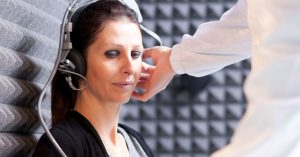
Early detection is vital because NIHL is largely irreversible. Workers in noisy environments should undergo regular audiometric testing, typically recommended annually, to monitor hearing changes. These tests can identify subtle losses before they become severe, allowing for adjustments in protective measures or work practices. Audiologists can track patterns over time, helping to identify whether hearing loss is progressing and what interventions may be most effective.
When to Seek Professional Help
If symptoms like tinnitus, difficulty understanding speech, or muffled hearing persist after periods away from noise, it’s time to consult a hearing professional. Prompt evaluation can lead to solutions such as hearing aids, assistive listening devices, or modifications to the work environment that minimize further exposure.
Recognizing and responding to early warning signs not only protects hearing but also preserves communication, safety, and overall quality of life. Awareness and proactive measures are key to staying ahead of the gradual effects of occupational noise exposure.
Prevention Strategies and Workplace Safety
Preventing hearing loss in loud work environments is not only possible—it’s essential. The right combination of protective equipment, workplace policies, and personal habits can significantly reduce the risk of noise-induced hearing damage.
Personal Protective Equipment (PPE)
One of the most effective ways to protect hearing is consistent use of earplugs and earmuffs. Earplugs fit snugly into the ear canal to reduce sound intensity, while earmuffs cover the entire outer ear and provide an additional layer of noise reduction. Some workplaces offer custom-molded earplugs, which are more comfortable for long shifts and provide superior protection. Workers should ensure PPE is properly fitted, worn correctly, and replaced when worn out. Combining earplugs and earmuffs can provide even greater protection in extremely loud environments.
Engineering and Administrative Controls
Prevention isn’t limited to personal gear. Engineering controls involve modifying equipment or the work environment to reduce noise at the source. Examples include installing noise-dampening materials, using quieter machinery, or maintaining equipment to minimize unnecessary noise. Administrative controls focus on managing exposure, such as rotating staff to limit time spent in high-noise areas, scheduling noisy operations when fewer workers are present, and enforcing mandatory breaks in quiet zones to allow the ears to recover.
Regular Hearing Assessments
Routine hearing checks are critical for early detection and ongoing monitoring. Many employers provide baseline audiometric testing upon hire, followed by periodic evaluations. These tests help track any changes in hearing, allowing timely intervention before significant loss occurs. Early detection also helps determine whether current protection strategies are effective or need adjustment.
Education and Awareness
Training employees about the risks of loud noise and proper hearing protection is essential. Understanding the long-term consequences of exposure and knowing how to use protective equipment properly can make a significant difference. Employers should provide clear guidelines, signage, and hands-on demonstrations to reinforce safety practices.
Regulatory Compliance
In many countries, occupational safety agencies set limits for permissible noise exposure and require hearing conservation programs in workplaces where noise exceeds safe levels. For example, OSHA in the United States mandates action when workers are exposed to 85 decibels or more over an eight-hour workday. Adhering to these regulations is not only a legal obligation but also a critical component of protecting employees’ health.
By combining personal protection, workplace controls, routine assessments, and ongoing education, hearing loss in loud work environments can be significantly reduced. Preventive measures not only safeguard hearing but also improve overall safety, comfort, and productivity in the workplace.
Treatment Options and Support
Even with preventive measures, some workers may still experience hearing loss due to prolonged exposure to loud environments. While noise-induced hearing loss (NIHL) is typically permanent, various treatment options and support systems can help manage symptoms, improve communication, and enhance quality of life.
Medical Evaluation and Diagnosis
The first step in treatment is a comprehensive hearing evaluation by an audiologist or ENT specialist. These professionals can assess the type and degree of hearing loss, identify any contributing factors, and recommend appropriate interventions. Early diagnosis is crucial, as it allows for timely adoption of strategies to prevent further deterioration.
Hearing Aids and Assistive Devices
For individuals with significant hearing loss, hearing aids are often the most effective solution. Modern hearing aids are highly customizable, with options that enhance speech clarity, reduce background noise, and connect to smartphones or other devices. For specific workplace needs, assistive listening devices (ALDs) such as personal amplifiers or FM systems can improve communication in noisy environments. Some devices are designed to filter out harmful frequencies while amplifying speech, making it easier to understand conversations on the job.
Tinnitus Management
Tinnitus, or persistent ringing in the ears, is a common companion to NIHL. While there is no universal cure, several strategies can help manage symptoms. Sound therapy, which uses background noise or specialized audio programs, can mask ringing and reduce its impact. Counseling and stress-management techniques may also help individuals cope with the psychological effects of tinnitus, improving focus and sleep quality.
Rehabilitation and Communication Strategies
Hearing rehabilitation goes beyond devices. Speech-reading training, auditory therapy, and workplace communication strategies can enhance understanding in challenging listening environments. Employers can support affected workers by providing quiet spaces for calls, reducing background noise when possible, and encouraging the use of visual signals or written communication when needed.
Support Networks and Resources
Living with hearing loss can be challenging, but support is available. Organizations dedicated to hearing health offer educational resources, peer support groups, and guidance on navigating workplace accommodations. Workers and caregivers can benefit from connecting with these communities to share experiences, learn coping strategies, and stay informed about emerging technologies and treatments.
While prevention is the best approach, comprehensive treatment and support can significantly improve the lives of those experiencing work-related hearing loss. By combining medical interventions, assistive technology, rehabilitation, and social support, individuals can maintain communication, independence, and overall well-being.
Conclusion
Hearing loss caused by loud work environments is a widespread but largely preventable issue. Prolonged exposure to high-decibel noise can gradually damage the delicate structures of the inner ear, leading to permanent hearing impairment, tinnitus, and difficulty communicating. Workers in industries such as construction, manufacturing, aviation, and entertainment are particularly at risk, but awareness and proactive measures can significantly reduce the likelihood of harm.
Recognizing early warning signs—such as muffled hearing, difficulty understanding speech, or ringing in the ears—is crucial. Regular hearing assessments, proper use of personal protective equipment, and workplace safety measures like engineering controls and administrative strategies can help preserve hearing health. For those who do experience hearing loss, medical interventions, hearing aids, assistive listening devices, and rehabilitation strategies offer meaningful support.
Ultimately, protecting hearing in loud work environments requires a combination of awareness, consistent preventive practices, and timely professional care. By prioritizing ear safety, both employees and employers can ensure not only compliance with regulations but also a higher quality of life, safer workplaces, and better long-term communication and social engagement. Taking these steps today can prevent irreversible damage tomorrow, making hearing protection a vital component of occupational health.
FAQ
What is noise-induced hearing loss (NIHL)?
Noise-induced hearing loss (NIHL) is hearing damage caused by prolonged exposure to loud sounds. It occurs when the hair cells in the inner ear are damaged and cannot effectively transmit sound signals to the brain. NIHL is usually permanent and often affects high-frequency hearing first, making speech harder to understand in noisy environments.
Which workplaces are most at risk for hearing loss?
Industries with consistently high noise levels are the most at risk. This includes construction, manufacturing, aviation, music and entertainment, landscaping, and even certain classroom settings. Jobs that involve heavy machinery, power tools, or prolonged exposure to amplified sound significantly increase the likelihood of developing hearing loss.
How can I protect my hearing at work?
Hearing protection involves multiple strategies. Use properly fitted earplugs or earmuffs, and combine them if necessary for extremely loud environments. Follow workplace safety guidelines, take regular breaks in quieter areas, and ensure equipment is well-maintained to minimize unnecessary noise. Regular hearing checks with an audiologist are also essential to monitor changes over time.
Can hearing loss from work be reversed?
Unfortunately, noise-induced hearing loss is generally permanent. However, early detection can prevent further damage. Treatments like hearing aids, assistive listening devices, and auditory rehabilitation can significantly improve communication and quality of life, even if the damage cannot be fully reversed.
What should I do if I notice ringing in my ears or difficulty hearing at work?
If you experience tinnitus (ringing in the ears) or difficulty understanding speech, schedule a hearing evaluation with an audiologist or ENT specialist as soon as possible. Reducing exposure to loud noise and using appropriate hearing protection can help prevent further damage. Early intervention allows for timely management and the use of devices or therapies to maintain hearing function.
This article is for informational purposes only and is not a substitute for professional medical advice, diagnosis, or treatment. If you are concerned about your hearing or ear health, please consult a qualified healthcare provider.