
Noise-induced hearing loss (NIHL) is one of the most common yet preventable types of hearing impairment. It occurs when exposure to loud sounds damages the delicate structures within the inner ear, particularly the hair cells in the cochlea, which are responsible for converting sound vibrations into electrical signals for the brain. Unlike some other health conditions, NIHL often develops gradually, making it easy to overlook until significant hearing damage has occurred. For adults, especially those over 50, and caregivers supporting loved ones, understanding how to prevent this condition is essential for maintaining quality of life and staying connected to the world around them.
The modern world is full of loud environments. From construction sites and busy traffic to concerts, sporting events, and even prolonged use of headphones at high volume, harmful noise is all around us. The danger is not only immediate; repeated exposure over months or years can lead to permanent hearing loss that cannot be reversed. The good news is that NIHL is largely preventable. By understanding the sources of harmful noise, recognizing early warning signs, and adopting protective habits, individuals can preserve their hearing well into later life.
This article will guide you through everything you need to know about protecting your ears from noise-induced damage. We’ll explore how NIHL occurs, the early symptoms to watch for, practical strategies to reduce risk, lifestyle adjustments, and the role of professional support in maintaining optimal hearing health. By the end, you’ll have a comprehensive understanding of how to safeguard your ears today to ensure they continue serving you tomorrow.
Understanding Noise-Induced Hearing Loss
Noise-induced hearing loss (NIHL) occurs when the delicate hair cells in the inner ear, specifically in the cochlea, are damaged by exposure to loud sounds. These hair cells play a crucial role in translating sound vibrations into electrical signals that the brain interprets as sound. Once damaged, these cells do not regenerate, making NIHL permanent. The condition can develop gradually over time from repeated exposure to moderately loud sounds, or it can result suddenly from extremely loud, one-time events such as explosions or gunfire.
Common sources of harmful noise are found both in everyday life and in certain occupational settings. Recreational exposure includes listening to music at high volumes through headphones, attending concerts, operating loud machinery, or even mowing the lawn with noisy equipment. Occupational hazards are prevalent in construction, manufacturing, aviation, and entertainment industries, where noise levels often exceed safe thresholds. According to experts, prolonged exposure to sounds above 85 decibels—roughly the volume of heavy traffic—can cause lasting damage.
Several factors increase the risk of NIHL. Age naturally affects hearing, making older adults more susceptible, but lifestyle choices, duration of exposure, and personal susceptibility also play a role. Genetics can influence how easily hair cells are damaged, while pre-existing hearing conditions can accelerate loss. Additionally, the use of ototoxic medications or medical conditions such as diabetes and cardiovascular disease may exacerbate hearing damage from noise exposure.
Understanding the mechanisms and risks of NIHL underscores the importance of proactive prevention. It’s not just about avoiding loud environments; it’s about adopting consistent, everyday habits that protect your hearing. Protective strategies, early recognition of symptoms, and lifestyle adjustments can significantly reduce the likelihood of permanent damage, allowing you to enjoy both quiet moments and the vibrant sounds of life safely.
Early Signs and Symptoms
Recognizing the early signs of noise-induced hearing loss (NIHL) is crucial for taking timely action to protect your hearing. Unfortunately, NIHL often develops gradually, and many people do not notice subtle changes until significant damage has occurred. By paying attention to warning signs, you can intervene early, reduce further exposure, and maintain better long-term hearing health.
One of the most common early symptoms is tinnitus, a persistent ringing, buzzing, or hissing sound in the ears. Tinnitus often appears after exposure to loud noise, such as attending a concert or working in a noisy environment, and may initially be temporary. However, repeated exposure can make the ringing permanent. Another early indicator is difficulty understanding speech, especially in noisy environments. You may find yourself asking people to repeat themselves more often, or struggling to follow conversations in restaurants or social gatherings.
Other subtle signs include a sensation of muffled hearing, where sounds seem less clear or distant, and increased sensitivity to loud sounds, known as hyperacusis. You may also notice that you gradually increase the volume on your television, radio, or personal devices to levels that previously felt too loud. These signs suggest that your ears are straining to compensate for hair cell damage in the inner ear.
Early detection is key because once the hair cells in the cochlea are damaged, they do not regenerate. Routine hearing assessments, especially for adults over 50 or those regularly exposed to loud environments, can help identify NIHL before it progresses. Audiologists can perform specialized tests to evaluate your hearing thresholds and detect even minor losses that may not be obvious in daily life.
By understanding and monitoring these early warning signs, you can take proactive measures to prevent further hearing damage. Simple adjustments in daily routines, consistent use of hearing protection, and avoiding prolonged exposure to loud sounds can make a significant difference. Recognizing the signs of NIHL early ensures that your hearing remains as healthy as possible, allowing you to enjoy conversations, music, and the sounds of life without compromise.
Practical Prevention Strategies
Preventing noise-induced hearing loss (NIHL) requires a combination of awareness, protective habits, and practical strategies that fit into daily life. While avoiding loud environments entirely is ideal, it is often impractical. Fortunately, there are effective ways to reduce risk without sacrificing enjoyment of music, work, or social activities.
One of the most effective strategies is the use of hearing protection devices. Earplugs and earmuffs can significantly reduce the intensity of sound entering the ear. Foam or custom-molded earplugs are ideal for prolonged exposure, while noise-canceling earmuffs are useful in extremely loud environments such as construction sites or airports. Musicians and concertgoers may benefit from high-fidelity earplugs, which reduce volume evenly without distorting sound quality.
Limiting exposure to loud sounds is another crucial strategy. Experts recommend following the 60/60 rule for personal listening devices: listen at no more than 60% of maximum volume for no longer than 60 minutes at a time, then take a break. For occupational noise, familiarize yourself with safe exposure levels and adhere to regulations regarding decibel limits. Rotating tasks to reduce continuous exposure and taking regular breaks in quieter areas can also help protect your hearing.
Volume control and monitoring extend beyond headphones. Televisions, radios, and home sound systems should be kept at moderate levels. Apps and devices that monitor sound levels in real-time can provide alerts when volumes exceed safe thresholds. Even seemingly everyday sounds, like power tools, lawnmowers, or traffic noise, can accumulate over time, making consistent vigilance important.
Education and awareness play a significant role in prevention. Understanding which environments are hazardous and teaching family members, especially children and teens, about the importance of hearing protection can reduce cumulative damage. Employers can support hearing safety by providing protective equipment and enforcing safe noise practices in workplaces.
Lastly, combining strategies maximizes protection. Using earplugs while limiting exposure time, adjusting volumes, and taking regular hearing breaks creates multiple layers of defense against noise damage. By integrating these habits into your lifestyle, you can enjoy music, work, and social activities without compromising your long-term hearing health.
Lifestyle and Environmental Adjustments
Beyond using protective devices and limiting exposure, lifestyle choices and environmental adjustments play a vital role in preventing noise-induced hearing loss (NIHL). Creating a hearing-friendly environment and adopting habits that reduce prolonged noise exposure can significantly safeguard your hearing over time.
One of the simplest steps is modifying your home environment. Reducing background noise, such as loud televisions, household appliances, or music, can lessen cumulative strain on your ears. Soft furnishings like carpets, curtains, and upholstered furniture help absorb sound, creating a quieter atmosphere. For those living in noisy neighborhoods or near busy streets, using soundproofing techniques or white-noise machines can help reduce ambient noise exposure, especially during rest periods when the ears recover.
Mindful use of personal devices is another key adjustment. Smartphones, tablets, and music players should be used at moderate volumes with regular breaks to prevent prolonged high-decibel exposure. Consider noise-canceling headphones, which allow for lower listening volumes in noisy environments, reducing the temptation to turn up the sound.
Occupational and recreational considerations are equally important. If your work involves loud equipment, advocate for proper safety measures, including designated quiet zones, scheduled breaks, and mandatory hearing protection. For recreational activities, such as attending concerts, sporting events, or motorized sports, always carry and use ear protection. Planning outings to quieter times or less crowded locations can also reduce exposure.
Healthy lifestyle choices indirectly support hearing health. Regular exercise improves circulation, which benefits inner ear health. A balanced diet rich in antioxidants, omega-3 fatty acids, and vitamins can support the delicate structures of the inner ear. Avoiding smoking and managing chronic conditions such as diabetes and high blood pressure also contribute to maintaining optimal hearing.
Finally, fostering a culture of awareness within your family and social circles reinforces healthy hearing habits. Encourage loved ones to adopt protective measures, limit exposure to loud noise, and monitor for early warning signs of hearing difficulty. By making hearing safety a shared priority, you not only protect your own ears but help others maintain theirs as well.
By integrating environmental modifications, lifestyle adjustments, and mindful habits, you create a comprehensive approach to preventing NIHL. These changes may seem small individually, but together, they form a robust shield for your hearing.
Professional Support and Hearing Health Monitoring
While lifestyle changes and protective strategies are crucial for preventing noise-induced hearing loss (NIHL), professional support and regular hearing assessments are equally important. Audiologists and hearing healthcare professionals play a vital role in detecting early signs of damage, recommending appropriate interventions, and guiding long-term hearing health.
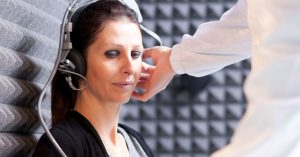
Regular hearing checkups are essential, especially for adults over 50 or those frequently exposed to loud environments. A standard audiometric test evaluates your ability to hear various frequencies and volumes, helping detect even minor losses before they become noticeable in daily life. Early detection allows for timely interventions, such as adjusting listening habits, using customized hearing protection, or addressing underlying medical issues that may exacerbate hearing loss.
Consulting audiologists or ENT specialists can provide personalized guidance based on your specific risk factors and lifestyle. These professionals can recommend high-quality earplugs, earmuffs, or other protective devices, and advise on safe exposure durations. For individuals already experiencing tinnitus or other early symptoms, professional evaluation can help manage these conditions effectively and prevent further damage.
Hearing protection in professional settings often requires expert input. Occupational audiologists can assess noise levels in workplaces and suggest engineering controls, scheduling adjustments, or mandatory protective equipment to ensure compliance with safety standards. This not only preserves hearing but also enhances productivity and overall well-being.
Technology-assisted monitoring is increasingly available, allowing individuals to track their daily noise exposure. Apps, wearable devices, and sound meters can alert you when environmental sound levels exceed safe thresholds, empowering you to take immediate protective action. Combining these tools with professional guidance provides a comprehensive approach to hearing preservation.
By integrating professional support and regular monitoring into your routine, you ensure that your efforts to prevent NIHL are informed, precise, and effective. Proactive collaboration with hearing specialists, along with consistent self-care, creates a strong defense against long-term hearing damage and helps maintain a rich, vibrant auditory experience throughout life.
Conclusion
Noise-induced hearing loss (NIHL) is a common yet largely preventable condition. By understanding how loud sounds damage the delicate structures of the inner ear, recognizing early warning signs, and adopting practical prevention strategies, individuals can take meaningful steps to protect their hearing for the long term. Prevention requires a multifaceted approach, combining hearing protection devices, volume control, exposure management, and lifestyle adjustments, along with professional guidance and regular hearing assessments.
Creating a hearing-friendly environment at home, at work, and during recreational activities is equally important. Small adjustments—like lowering the volume on personal devices, taking breaks from noisy environments, and using ear protection during loud activities—can collectively make a significant difference. Healthy habits, including proper diet, exercise, and management of chronic conditions, further support the resilience of your auditory system.
Professional support is essential for both early detection and ongoing hearing care. Regular audiologist visits, personalized advice on hearing protection, and technology-assisted monitoring allow individuals to maintain optimal hearing health and address issues before they become permanent.
Ultimately, preserving your hearing is about proactive, consistent care. By taking steps today to prevent noise-induced hearing loss, you safeguard your ability to enjoy conversations, music, nature, and the everyday sounds that enrich life. Protecting your ears is an investment in your quality of life, ensuring that your world remains vibrant and full of sound for years to come.
FAQ
What is noise-induced hearing loss (NIHL)?
Noise-induced hearing loss (NIHL) occurs when exposure to loud sounds damages the hair cells in the inner ear, which are responsible for converting sound vibrations into electrical signals for the brain. This damage is permanent, and NIHL often develops gradually from repeated exposure to high-decibel environments or suddenly from extremely loud noise events.
What are the early signs of NIHL?
Early signs of NIHL include tinnitus (ringing or buzzing in the ears), difficulty understanding speech in noisy environments, muffled hearing, increased sensitivity to sound, and the need to raise the volume on personal devices or televisions. Detecting these signs early allows for preventive action before significant hearing loss occurs.
How can I protect my hearing in everyday life?
Practical ways to protect your hearing include using earplugs or earmuffs in loud environments, following the 60/60 rule for headphone use, keeping volume levels moderate on personal devices, taking regular breaks from noisy settings, and modifying your home environment to reduce background noise. Consistent use of these strategies helps prevent cumulative damage.
Do lifestyle choices affect hearing health?
Yes. Healthy habits, such as regular exercise, a balanced diet rich in antioxidants and omega-3 fatty acids, managing chronic conditions like diabetes or high blood pressure, and avoiding smoking, all support inner ear health and reduce the risk of NIHL.
Why is professional hearing monitoring important?
Regular hearing checkups with audiologists or ENT specialists allow for early detection of hearing loss and guidance on protective measures. Professionals can recommend custom hearing protection, assess workplace or environmental risks, and provide strategies to prevent further damage, ensuring long-term hearing health.
This article is for informational purposes only and is not a substitute for professional medical advice, diagnosis, or treatment. If you are concerned about your hearing or ear health, please consult a qualified healthcare provider.