Factories are bustling hubs of productivity, often filled with the constant hum, clatter, and roar of machinery. While this noise is a sign of efficiency, it also poses a serious risk: prolonged exposure to loud industrial sounds can lead to irreversible hearing damage. Noise-induced hearing loss (NIHL) is one of the most common occupational hazards, affecting millions of workers worldwide, yet it is entirely preventable with the right precautions.
Understanding the risks of industrial noise and implementing effective hearing protection strategies are crucial for safeguarding workers’ long-term health. In factories, the danger isn’t always obvious—many workers may not realize the cumulative impact of everyday exposure to high decibel levels until significant damage has occurred. By promoting hearing safety awareness, using proper protective equipment, and enforcing workplace safety programs, factories can drastically reduce the incidence of hearing loss.
This article explores the importance of hearing safety in factories, common noise hazards, effective protection methods, and strategies for implementing comprehensive hearing safety programs. Whether you’re a factory manager, safety officer, or worker concerned about your hearing health, understanding these key measures is the first step toward a safer, healthier work environment.
Understanding Noise-Induced Hearing Loss
Noise-induced hearing loss (NIHL) is a type of permanent hearing damage caused by prolonged exposure to loud sounds. Unlike hearing loss from aging, which occurs gradually over many years, NIHL can develop over a relatively short period if the ears are consistently exposed to high decibel levels. Even short-term exposure to extremely loud noises—like the sudden clanging of heavy machinery—can cause immediate harm, sometimes resulting in temporary ringing or muffled hearing, which may become permanent if repeated over time.
In factories, workers often operate in environments where noise levels exceed safe thresholds. The Occupational Safety and Health Administration (OSHA) sets the permissible exposure limit at 85 decibels for an 8-hour workday. However, machinery such as presses, grinders, and industrial saws can easily surpass 100 decibels, putting employees at significant risk. The cumulative effect of daily exposure is what makes NIHL particularly concerning; small, repeated exposures can gradually destroy the delicate hair cells in the inner ear that are essential for hearing.
Symptoms of noise-induced hearing loss can begin subtly. Workers may notice difficulty hearing conversations in noisy areas, frequent requests for repetition, or a persistent ringing in the ears, known as tinnitus. If left unaddressed, these symptoms can progress to a permanent reduction in hearing ability, affecting both professional performance and personal quality of life. NIHL is irreversible because once inner ear hair cells are damaged, they do not regenerate.
Preventing NIHL requires awareness, protective strategies, and workplace policies designed to reduce noise exposure. Education about the risks, coupled with regular hearing assessments, allows early identification of hearing changes and encourages proactive measures. Understanding how noise affects hearing is the foundation for creating safer factory environments where workers’ ears are protected just as carefully as their hands or eyes.
Common Noise Hazards in Factories
Factories are filled with machinery and equipment designed for efficiency and productivity, but many of these devices generate harmful levels of noise. Identifying common noise hazards is a crucial step in protecting workers’ hearing. Some of the most prevalent sources include:
Heavy Machinery: Industrial presses, stamping machines, and injection molding equipment often produce continuous noise exceeding 90–100 decibels. The sheer intensity of these sounds can cause hearing damage even with brief exposure if proper protection isn’t used.
Power Tools: Drills, grinders, saws, and sanders generate high-frequency sounds that may not seem loud at first but can accumulate over the course of a shift. Workers operating these tools daily are particularly vulnerable to gradual hearing loss.
Conveyor Systems and Motors: While sometimes less noticeable, conveyor belts, pumps, and motors can create persistent background noise. Even moderate-level noise over long durations can contribute to cumulative hearing damage.
Ventilation and HVAC Systems: Large ventilation units and exhaust systems contribute to overall factory noise levels. Although they may not produce extreme decibel levels individually, their constant operation can elevate ambient noise and increase overall exposure.
Alarms and Warning Signals: Factories use sirens, buzzers, and alarms to indicate safety hazards. While these sounds are critical for immediate safety, repeated exposure to high-decibel alarms without protection can still be harmful over time.
Noise levels in factories are measured using sound meters and dosimeters, which assess both intensity and duration of exposure. OSHA guidelines recommend that any noise above 85 decibels for an 8-hour shift is considered unsafe without hearing protection. Recognizing which areas and equipment produce harmful sound levels is essential for implementing protective measures.
By understanding these common noise hazards, factories can prioritize interventions such as engineering controls to reduce noise, scheduling shifts to limit exposure, and ensuring workers have access to appropriate hearing protection. Awareness and proactive management of these risks are key to preventing noise-induced hearing loss and maintaining a safe, productive work environment.
Hearing Protection Equipment and Best Practices
Protecting workers’ hearing in factories starts with the proper use of hearing protection equipment. Earplugs, earmuffs, and other protective devices act as barriers that reduce the intensity of sound reaching the inner ear, significantly lowering the risk of noise-induced hearing loss. However, choosing the right type of protection and using it correctly is essential for maximum effectiveness.
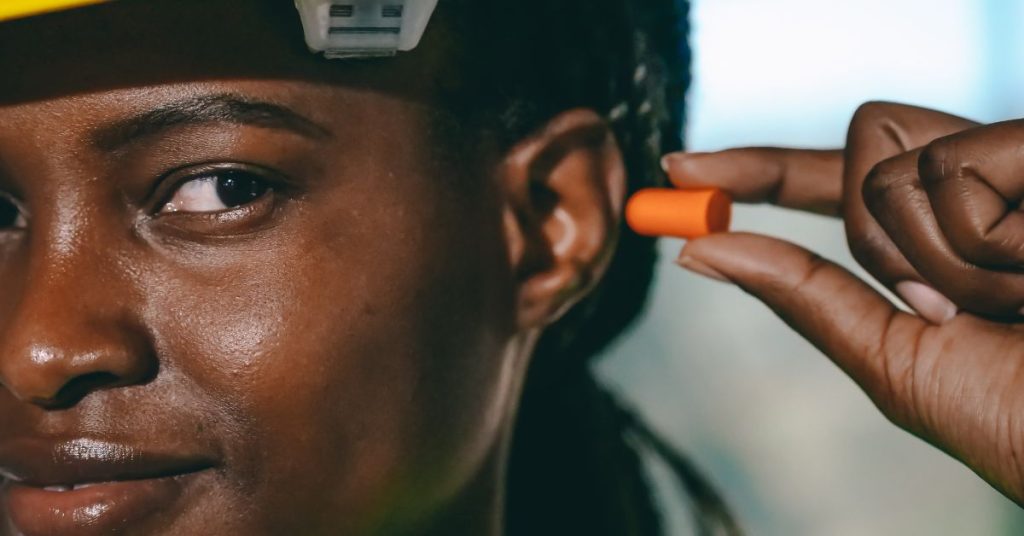
Earplugs are small devices inserted directly into the ear canal. They are available in disposable foam, reusable silicone, or custom-molded options. Foam earplugs expand to fit the ear canal snugly, blocking noise effectively for general industrial use. Custom-molded earplugs, tailored to an individual’s ears, offer superior comfort and protection for employees who spend long hours in noisy environments. Proper insertion is critical; if earplugs are not fitted correctly, their ability to block sound is greatly reduced.
Earmuffs cover the entire outer ear and create a seal to reduce noise exposure. They are often used in combination with earplugs in extremely loud settings for double protection. Modern earmuffs come with adjustable headbands, cushioned cups, and electronic features that allow communication or amplify low-level sounds while blocking harmful noise. Regular inspection of earmuffs ensures the cushions maintain a proper seal and remain free from cracks or wear.
Best Practices for Hearing Protection:
Proper Fit: Ear protection must fit securely. Ill-fitting earplugs or loose earmuffs compromise effectiveness.
Consistent Use: Protection should be worn whenever noise exceeds safe levels, even for short tasks. Intermittent exposure without protection can still cause damage.
Maintenance and Hygiene: Disposable earplugs should be replaced regularly, and reusable devices cleaned according to manufacturer instructions to prevent infection or degradation.
Training: Employees should be educated on selecting, fitting, and caring for hearing protection. Demonstrations and periodic refresher sessions reinforce correct habits.
Combination Protection: In extremely loud areas, combining earplugs with earmuffs provides maximum attenuation and is recommended for machinery exceeding 100 decibels.
Creating a culture of hearing safety is just as important as providing equipment. Supervisors and safety officers should monitor compliance and encourage workers to speak up if protection is uncomfortable or inadequate. By using the right equipment consistently and correctly, factories can dramatically reduce the risk of noise-induced hearing loss, protecting employees’ hearing for years to come.
Implementing Hearing Safety Programs
A proactive approach to hearing safety in factories goes beyond providing protective equipment—it involves creating a comprehensive hearing conservation program. These programs are designed to prevent noise-induced hearing loss, monitor employee hearing health, and foster a culture of safety throughout the workplace.
Key Components of a Hearing Safety Program:
Noise Assessment and Monitoring: The first step is to identify areas where noise levels exceed safe thresholds. Using sound level meters and personal dosimeters, safety officers can measure exposure over time and pinpoint high-risk zones. Regular monitoring ensures that protective measures remain effective and helps track improvements after implementing noise reduction strategies.
Hearing Screening and Testing: Periodic hearing tests, known as audiometric testing, help detect early signs of hearing loss. Baseline tests should be conducted when employees are first hired, with follow-up exams at least annually. Early detection allows for timely interventions, such as additional protective measures or medical evaluation, before significant damage occurs.
Employee Training and Education: Workers must understand the risks of noise exposure and how to protect their hearing. Training sessions should cover proper use of hearing protection, recognition of early symptoms of hearing loss, and the importance of reporting unsafe noise conditions. Engaging training, including hands-on demonstrations, helps reinforce these habits.
Engineering and Administrative Controls: Reducing noise at the source is the most effective long-term strategy. Engineering controls may include installing sound-dampening barriers, maintaining machinery to reduce unnecessary noise, or replacing loud equipment with quieter alternatives. Administrative controls, such as rotating staff to limit exposure duration or scheduling noisy operations during less busy shifts, further minimize risk.
Record Keeping and Compliance: Maintaining records of noise assessments, employee training, and audiometric testing ensures compliance with occupational safety regulations and helps track the program’s effectiveness over time. Documentation also provides legal protection for both employees and employers, demonstrating a commitment to hearing safety.
Cultivating a Safety Culture: A successful program relies on management commitment and employee participation. Encouraging workers to take personal responsibility for hearing protection, reporting hazards, and supporting colleagues promotes a workplace culture where hearing safety is valued as highly as any other aspect of occupational health.
By implementing these strategies, factories can significantly reduce the prevalence of noise-induced hearing loss. A structured hearing safety program not only protects employees’ hearing but also enhances overall workplace productivity and morale, creating a safer and healthier environment for everyone.
Legal and Regulatory Considerations
Hearing safety in factories is not only a matter of health—it is also a legal obligation. Governments and occupational safety organizations around the world have established regulations to protect workers from hazardous noise exposure. Understanding these requirements is essential for both employers and employees.
OSHA Standards in the United States: The Occupational Safety and Health Administration (OSHA) sets the legal framework for hearing protection in industrial settings. OSHA’s permissible exposure limit (PEL) is 90 decibels over an 8-hour workday, while the action level for initiating a hearing conservation program is 85 decibels. If noise exceeds these levels, employers must implement protective measures, provide hearing protection, and offer regular audiometric testing to employees.
Employee Rights: Workers have the right to a safe workplace, which includes protection from harmful noise. This means access to proper hearing protection, training on how to use it, and the ability to report unsafe conditions without fear of retaliation. Employees should be aware of their hearing test results and be involved in decisions regarding their hearing health.
Employer Responsibilities: Employers are legally obligated to maintain a safe environment. This includes identifying noisy areas, providing appropriate hearing protection, training employees, and keeping detailed records of noise monitoring and hearing tests. Compliance with OSHA and other relevant regulations is not optional—failure to meet these standards can result in fines, legal action, and increased liability for worker injuries.
International Regulations: Many countries have similar standards. For example, the European Union’s Directive 2003/10/EC requires member states to limit exposure to 85 decibels over an 8-hour period and mandates hearing protection when limits are exceeded. Canada, Australia, and other industrial nations have comparable legislation, emphasizing the global recognition of hearing loss as a preventable occupational hazard.
Documentation and Reporting: Accurate record-keeping is crucial. Employers must maintain records of noise assessments, employee training, and audiometric tests. These documents demonstrate compliance and provide a reference for evaluating the effectiveness of hearing conservation programs over time.
Understanding and adhering to legal and regulatory requirements ensures that factories protect workers from noise-induced hearing loss while avoiding legal complications. Compliance is not just about meeting the law—it is a proactive step toward fostering a culture of safety and long-term hearing health in the workplace.
Conclusion
Hearing safety in factories is an essential component of workplace health that cannot be overlooked. Noise-induced hearing loss is one of the most common yet preventable occupational hazards, and the cumulative effects of prolonged exposure to loud machinery can have lasting consequences on workers’ quality of life. By understanding the risks, identifying common noise hazards, and implementing protective measures, factories can significantly reduce the incidence of hearing damage among employees.
Using proper hearing protection equipment—such as earplugs, earmuffs, and custom devices—combined with regular training and maintenance, provides a strong defense against harmful noise. Equally important is the implementation of comprehensive hearing conservation programs, including noise monitoring, audiometric testing, engineering controls, and administrative strategies. These initiatives ensure that safety measures are not only available but consistently applied and effective.
Compliance with legal and regulatory standards, such as OSHA guidelines in the United States, reinforces the importance of hearing safety as a shared responsibility between employers and employees. Factories that prioritize hearing protection foster a culture of care, improve overall worker well-being, and demonstrate a commitment to long-term occupational health.
Ultimately, protecting workers’ hearing is about more than preventing damage—it is about preserving communication, quality of life, and the ability to enjoy life outside the factory floor. By taking proactive steps today, factories can create a safer environment where employees’ hearing health is safeguarded for years to come.
FAQ
What is noise-induced hearing loss (NIHL) and how does it happen in factories?
Noise-induced hearing loss is permanent damage to the inner ear caused by prolonged exposure to loud sounds. In factories, repeated exposure to machinery, power tools, and industrial equipment can destroy the tiny hair cells in the cochlea, which are essential for hearing. Even brief exposure to extremely loud sounds can contribute to long-term damage over time.
What types of hearing protection are most effective for factory workers?
The most common and effective hearing protection devices include earplugs, earmuffs, and custom-molded ear protection. For extremely loud environments, combining earplugs with earmuffs provides maximum noise reduction. Proper fit, consistent use, and regular maintenance are key to ensuring protection is effective.
How can factories reduce noise exposure besides using hearing protection?
Factories can implement engineering controls, such as installing sound-dampening barriers, maintaining machinery to reduce unnecessary noise, or replacing loud equipment with quieter alternatives. Administrative controls, like rotating staff to limit exposure or scheduling noisy operations during less busy shifts, also help minimize risk.
Are employers legally required to protect workers’ hearing?
Yes. In many countries, including the United States, employers are legally obligated to provide a safe work environment. This includes monitoring noise levels, providing hearing protection, conducting regular training, and performing audiometric testing. Compliance with regulations such as OSHA guidelines is mandatory.
What are early signs that a factory worker may be experiencing hearing loss?
Early signs include difficulty understanding conversations in noisy areas, frequently asking people to repeat themselves, or experiencing ringing in the ears (tinnitus). Early detection through regular hearing tests allows intervention before significant permanent damage occurs.
This article is for informational purposes only and is not a substitute for professional medical advice, diagnosis, or treatment. If you are concerned about your hearing or ear health, please consult a qualified healthcare provider.