Hearing is one of our most vital senses, yet it’s often taken for granted—until it’s too late. For adults working in noisy environments, or anyone exposed to frequent loud sounds, protecting your ears is essential. Noise-induced hearing loss is a permanent condition that develops gradually, often without noticeable warning signs. In fact, studies show that prolonged exposure to sounds above 85 decibels—the equivalent of heavy traffic or a lawnmower—can damage the delicate structures of the inner ear, leading to hearing difficulties, tinnitus, or even complete hearing loss over time.
This is where Personal Protective Equipment (PPE) for hearing protection comes in. PPE is designed to reduce the risk of hearing damage by limiting the volume of sound that reaches your ears. From earplugs to earmuffs, these devices serve as barriers between you and potentially harmful noise, helping maintain your hearing health throughout your life.
Beyond the physical protection, using hearing PPE is often a legal requirement in workplaces with high noise levels. Employers must provide adequate hearing protection and ensure workers are trained on how to use it correctly. For caregivers, adults with hearing sensitivity, or older adults concerned about age-related hearing decline, PPE offers a practical, preventative measure that supports overall wellbeing.
In this article, we’ll explore everything you need to know about hearing protection PPE: why it’s essential, the different types available, how to use and maintain it properly, tips for choosing the right protection, and common mistakes to avoid. By the end, you’ll have a clear understanding of how to safeguard your hearing and enjoy life without the risks of noise-induced damage.
Why Hearing Protection PPE Is Essential
Noise is everywhere—at work, home, and even during leisure activities. While it may seem harmless in small doses, prolonged exposure to loud sounds can have serious consequences for your hearing and overall health. Noise-induced hearing loss (NIHL) is one of the most common occupational hazards worldwide, affecting millions of people. Once the delicate hair cells in your inner ear are damaged by excessive noise, they cannot regenerate, making prevention critical.
Hearing protection PPE acts as the first line of defense. Without it, even short-term exposure to loud environments, such as construction sites, factories, or airports, can lead to temporary ringing in the ears (tinnitus) and, over time, permanent hearing impairment. In fact, research indicates that consistent use of hearing PPE can significantly reduce the risk of NIHL, making it not just a protective tool but a long-term investment in your quality of life.
Legal regulations also underscore the importance of hearing protection. Many countries have occupational safety standards that require employers to provide appropriate PPE when noise levels exceed certain thresholds. In the U.S., for example, OSHA mandates that workers exposed to an average of 85 decibels over an eight-hour workday must have access to hearing protection. This ensures that workers are not only safe but also that organizations meet compliance standards to avoid penalties.
Beyond workplaces, hearing protection PPE is equally important in everyday scenarios. Concerts, sporting events, lawn care, or even loud household appliances can contribute to gradual hearing damage. For caregivers and adults over 50, who may already experience age-related hearing decline, using PPE consistently can help maintain clarity in conversations, reduce stress from miscommunication, and preserve social engagement.
Finally, proper hearing protection has broader health benefits. Excessive noise exposure has been linked to increased stress, elevated blood pressure, and sleep disturbances. By reducing the decibel load with PPE, you protect not only your hearing but also your overall wellbeing. In essence, using hearing protection is a proactive step toward preserving your independence, comfort, and quality of life.
Types of PPE for Hearing Protection
When it comes to protecting your hearing, the right PPE can make all the difference. Hearing protection devices are designed to reduce the intensity of sound reaching your ears, and they come in several forms to suit different environments, noise levels, and personal preferences. Understanding the main types will help you choose the right solution for your needs.
Earplugs
Earplugs are small devices that fit directly into the ear canal. They are often made from foam, silicone, or wax and are available in disposable or reusable options. Foam earplugs expand to fill the ear canal, creating a snug seal that blocks out a wide range of frequencies. Silicone or wax plugs are molded to fit the shape of your ear, offering comfort for longer wear periods.
Pros:
Lightweight and portable
Inexpensive and easy to replace
Effective at reducing high-frequency noise
Cons:
Improper insertion can reduce effectiveness
May feel uncomfortable if worn for extended periods
Earplugs are ideal for environments like factories, construction sites, or even for recreational use at concerts or shooting ranges. They are also convenient for people who need protection while sleeping or traveling.
Earmuffs
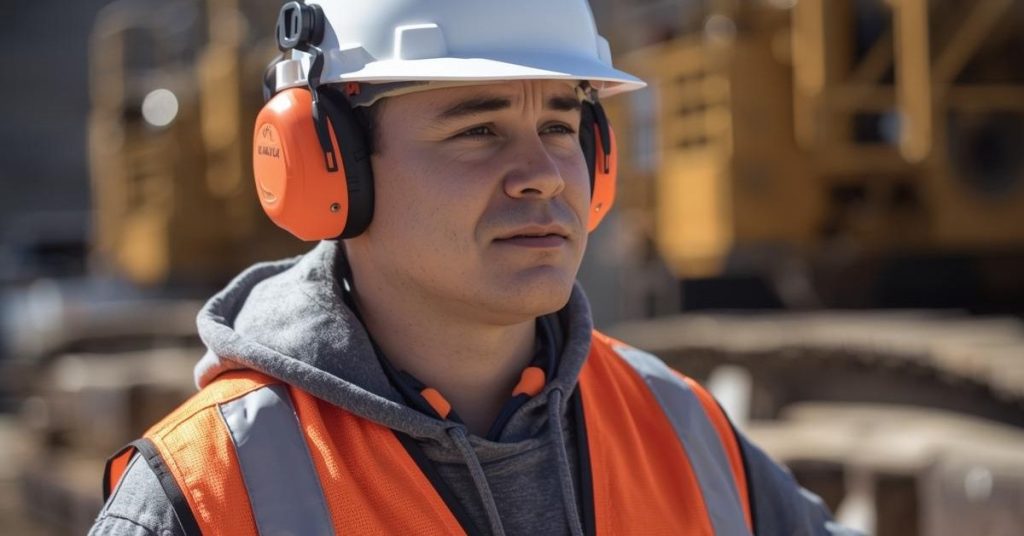
Earmuffs are devices that cover the entire outer ear with cushioned cups connected by a headband. They create a physical barrier that reduces sound intensity before it reaches the ear canal. Earmuffs can be passive, which simply block noise, or electronic, which actively filter harmful noise while allowing normal conversation to be heard.
Pros:
Easy to put on and take off
Consistent level of protection
Often more comfortable for prolonged use compared to earplugs
Cons:
Bulkier and less portable than earplugs
Can be hot or cumbersome in warm environments
Earmuffs are especially useful in industrial settings, airports, or any environment with sustained loud noise. Electronic earmuffs are popular among professionals who need situational awareness while still protecting their hearing.
Hybrid or Specialized Devices
Some PPE combines earplugs and earmuffs for maximum protection in extremely loud environments. Specialized hearing protection, like custom-molded devices, offers a personalized fit and enhanced comfort. These are often used by musicians, military personnel, or individuals with very sensitive hearing.
Choosing the Right Type
The choice between earplugs, earmuffs, or hybrid devices depends on your specific situation. Consider factors such as the noise level, duration of exposure, comfort preferences, and whether you need to communicate while wearing the PPE. The most important factor is consistent and correct usage—no protection device will be effective if it’s not worn properly.
By understanding the options available, you can select hearing protection PPE that not only shields your ears but also fits seamlessly into your daily routine, ensuring that safety and comfort go hand in hand.
How to Properly Use and Maintain Hearing PPE
Even the best hearing protection devices are only effective if used and maintained correctly. Proper usage ensures that the PPE delivers the intended noise reduction and protects your hearing over the long term.
Correct Use of Earplugs
For foam earplugs, start by rolling them into a thin, crease-free cylinder. Reach over your head with the opposite hand and gently pull your ear upward to straighten the ear canal. Insert the rolled plug fully, allowing it to expand and create a snug seal. Silicone or wax earplugs should be molded to fit the outer ear canal comfortably. A proper fit blocks sound effectively without causing discomfort. Always check that the earplug sits securely—if you can hear loud noise clearly or feel it vibrating, the seal may not be tight enough.
Correct Use of Earmuffs
Earmuffs should cover the entire ear and form a tight seal against the head. Adjust the headband so the cushions sit evenly over the ears without gaps. Hair, glasses, or jewelry can interfere with the seal, so ensure the cushions rest directly against the skin. For electronic earmuffs, confirm that the volume-limiting features are functioning correctly and that they are fully charged or have fresh batteries if required.
Maintenance and Hygiene
Maintaining hearing PPE is critical for both effectiveness and hygiene. Earplugs, especially reusable silicone or wax types, should be cleaned regularly according to manufacturer instructions. Foam earplugs should be replaced daily or when they become worn. Earmuffs should have their cushions inspected for cracks or wear, and wiped down with a mild disinfectant to remove sweat and dirt. Avoid exposing PPE to extreme heat or moisture, which can degrade materials and reduce protection.
Replacement Schedules
All hearing PPE has a finite lifespan. Foam earplugs are disposable and should be replaced frequently. Reusable earplugs can last several months with proper care, while earmuffs generally last longer but need periodic inspection to ensure that headbands, cushions, and electronic components are intact. Following manufacturer guidelines ensures that your hearing protection remains reliable.
Tips for Challenging Environments
In workplaces with dust, water, or extreme temperatures, choose PPE designed for those conditions. Some earplugs are water-resistant or coated for hygiene, while earmuffs with anti-fog and sweat-resistant cushions are better suited for hot environments. Ensuring that PPE fits well despite these challenges is key to consistent protection.
By mastering proper usage, maintenance, and timely replacement of hearing PPE, you can maximize protection and comfort. This ensures that your investment in hearing safety truly pays off, preventing long-term damage and supporting your overall health.
Choosing the Right Hearing Protection for Your Needs
Selecting the right hearing protection PPE isn’t a one-size-fits-all decision. It requires considering your environment, the type and duration of noise exposure, personal comfort, and any specific hearing needs. Making the right choice ensures both effectiveness and consistent use, which is crucial for protecting your hearing over time.
Assess Your Noise Environment
The first step is understanding the noise levels you face. Sounds above 85 decibels—common in factories, construction sites, and airports—can damage hearing over prolonged exposure. For louder environments, such as shooting ranges or heavy machinery operations, higher levels of attenuation are necessary. Noise level meters or smartphone apps can help measure decibel levels, giving you a clearer picture of the protection required.
Duration and Frequency of Exposure
The longer you’re exposed to loud noise, the greater the risk of hearing damage. For short-term exposure, disposable earplugs or lightweight earmuffs may be sufficient. For daily exposure, consider more durable, reusable options that offer comfort over extended periods. Electronic earmuffs may be particularly beneficial if you need to communicate while working in noisy conditions.
Comfort and Fit
Comfort is critical to ensure regular use. Poorly fitting earplugs or tight earmuffs can cause discomfort, headaches, or irritation, leading to inconsistent use. Custom-molded earplugs or adjustable earmuffs can provide a tailored fit that encourages continuous protection. Consider also the climate and working conditions; breathable materials and moisture-resistant designs can make long hours more comfortable.
Special Considerations
Some individuals may have pre-existing hearing conditions, allergies, or sensitivities that affect PPE choice. Older adults or those with partial hearing loss might prefer electronic devices that amplify safe sounds while blocking harmful noise. Children and caregivers also need appropriately sized devices to ensure safety and comfort. Always consult with a hearing professional when selecting PPE for specific health needs.
Compliance and Quality
Finally, ensure that your hearing protection PPE meets recognized safety standards, such as ANSI (American National Standards Institute) or CE (Conformité Européenne) certifications. Certified products have been tested for noise reduction and reliability, giving you confidence in their protective capabilities.
Choosing the right hearing protection is about balancing safety, comfort, and practicality. By carefully assessing your environment, exposure, and personal needs, you can select PPE that not only safeguards your hearing but also integrates seamlessly into your daily routine. Consistent, well-chosen protection is the most effective strategy for preserving hearing health over a lifetime.
Common Mistakes and Misconceptions About Hearing PPE
Even with the best hearing protection available, many people make errors or hold misconceptions that reduce effectiveness. Recognizing these pitfalls can help you get the full benefit of your PPE and avoid unnecessary hearing damage.
Incorrect Insertion or Fit
One of the most common mistakes with earplugs is improper insertion. If foam plugs aren’t fully expanded in the ear canal, or if molded plugs don’t create a tight seal, noise can easily leak through. Similarly, earmuffs must cover the entire ear without gaps; hair, glasses, or poorly positioned cushions can compromise the seal. Always check that the PPE is correctly fitted before entering a noisy environment.
Inconsistent Use
Some people wear hearing protection only intermittently, assuming brief exposure is harmless. Even short periods of loud noise can accumulate over time, contributing to permanent damage. Consistent use—every time you’re in a high-decibel environment—is essential for long-term protection.
Underestimating Noise Levels
Many underestimate the risks posed by everyday noise. Lawn mowers, power tools, concerts, or sporting events can exceed safe sound levels. Misjudging these risks often leads to neglecting PPE, resulting in gradual hearing damage. Using a decibel meter or checking noise level charts can help you make informed decisions.
Believing All PPE Is the Same
Not all hearing protection devices offer equal protection. Earplugs and earmuffs vary in their noise reduction ratings (NRR). Choosing a device based solely on price or convenience without considering NRR can leave you under-protected. Selecting PPE that matches your specific noise exposure is critical.
Ignoring Maintenance and Replacement
Worn, dirty, or damaged hearing protection can fail to provide adequate safety. Foam earplugs should be replaced regularly, reusable plugs cleaned, and earmuff cushions inspected for cracks or wear. Neglecting maintenance reduces effectiveness and can also cause discomfort or infections.
Myths About Hearing Loss
Some people believe that hearing loss is inevitable with age or that only extremely loud environments are dangerous. In reality, preventive measures like PPE significantly reduce the risk of both occupational and everyday noise-induced hearing loss. Understanding that proactive protection works can help motivate consistent PPE use.
By avoiding these common mistakes and addressing misconceptions, you can ensure your hearing protection is effective. Proper fitting, consistent use, and awareness of noise risks are key to safeguarding your hearing for years to come.
Conclusion
Protecting your hearing is not just about comfort—it’s about preserving a vital sense that impacts your quality of life, communication, and overall wellbeing. Personal Protective Equipment (PPE) for hearing protection plays a crucial role in reducing the risks of noise-induced hearing loss, tinnitus, and other long-term hearing issues. From earplugs to earmuffs, and even hybrid or electronic devices, there are options available to suit virtually every environment and personal need.
Consistent and correct use of PPE is the key to effectiveness. Understanding how to properly wear, maintain, and replace your hearing protection ensures it delivers the maximum benefit. Choosing the right type of PPE involves assessing noise levels, duration of exposure, comfort, and special considerations like pre-existing hearing conditions or age-related hearing decline. By making informed choices, you can seamlessly integrate hearing protection into your daily routine and safeguard your ears from preventable damage.
Avoiding common mistakes—such as improper fit, inconsistent use, or underestimating noise levels—further strengthens your defense against hearing loss. Education and awareness empower individuals to take proactive steps in preserving their hearing health, whether at work, at home, or during recreational activities.
Ultimately, investing in quality hearing protection PPE is an investment in your future. By prioritizing your hearing today, you ensure that you can continue to enjoy conversations, music, and life’s everyday sounds for years to come. Protect your ears, and they will serve you well for a lifetime.
FAQ
What is PPE for hearing protection?
PPE for hearing protection includes devices like earplugs and earmuffs designed to reduce the intensity of sound reaching your ears. These devices protect against noise-induced hearing loss, tinnitus, and other hearing-related issues, especially in loud workplaces or environments with prolonged exposure to high-decibel sounds.
How do I know which hearing protection is right for me?
Choosing the right PPE depends on noise levels, duration of exposure, comfort preferences, and any specific hearing needs. Earplugs are portable and suitable for short-term or intermittent noise, while earmuffs provide consistent protection for longer exposure. Electronic or hybrid devices are useful for environments where communication is necessary. Checking noise reduction ratings (NRR) and consulting a hearing professional can help ensure the best choice.
How should I properly use earplugs and earmuffs?
For earplugs, roll foam plugs into a tight cylinder, insert fully into the ear canal, and allow them to expand. Molded plugs should fit snugly in the ear. Earmuffs should cover the entire ear, with cushions forming a tight seal against the head. Hair, glasses, or jewelry should not interfere with the seal. Proper fit ensures maximum protection.
How often should hearing protection be replaced or maintained?
Disposable foam earplugs should be replaced daily. Reusable earplugs should be cleaned according to manufacturer instructions, and earmuffs should be inspected regularly for cracks, worn cushions, or battery issues in electronic models. Following manufacturer guidelines ensures effective, safe protection.
Can hearing protection prevent all hearing loss?
While PPE significantly reduces the risk of noise-induced hearing loss, it cannot prevent all hearing loss, especially age-related decline or genetic conditions. Using hearing protection consistently, combined with regular hearing checkups, offers the best defense against preventable damage.
This article is for informational purposes only and is not a substitute for professional medical advice, diagnosis, or treatment. If you are concerned about your hearing or ear health, please consult a qualified healthcare provider.