Hearing plays a vital role in how we connect with the world around us, yet it is often one of the most neglected aspects of our health. Many people are diligent about booking regular eye tests and dental check-ups, but hearing assessments are frequently delayed or avoided altogether. This is especially true for adults over 50, when natural age-related changes in hearing become more common. The result is that hearing loss often progresses quietly in the background, affecting communication, confidence, and wellbeing long before it is formally identified.
One of the main reasons hearing health is overlooked is because hearing loss rarely happens suddenly. Instead, it tends to develop gradually, making it easy to miss the early warning signs. People may find themselves turning the television volume up a little higher, asking others to repeat themselves more often, or struggling to follow conversations in noisy environments. These changes can be subtle at first and are often brushed off as a normal part of ageing, stress, or tiredness. However, without proper assessment, even mild hearing loss can begin to impact daily life in significant ways.
Annual hearing tests provide a simple and effective way to monitor hearing health over time. Much like routine blood pressure checks or vision screenings, regular hearing assessments allow changes to be identified early, before they start to interfere with communication and independence. An annual test creates a clear baseline, making it easier to spot small declines that might otherwise go unnoticed. Early awareness opens the door to timely support, whether that involves lifestyle changes, hearing protection advice, or hearing aids when appropriate.
Beyond the ears themselves, hearing health is closely linked to overall wellbeing. Research has shown strong connections between untreated hearing loss and social isolation, reduced quality of life, and even cognitive decline. By making annual hearing tests part of a regular healthcare routine, individuals can take an important step towards protecting not only their hearing, but also their mental, emotional, and social health.
Why Hearing Changes Often Go Unnoticed
Hearing loss is often described as an invisible condition, and this is one of the main reasons it can go unnoticed for so long. Unlike a sudden injury or an obvious physical change, most hearing loss develops slowly over time. The gradual nature of this change means the brain adapts, filling in gaps and compensating for missing sounds without the individual being fully aware that anything has changed. As a result, many people live with reduced hearing for years before seeking help.
One of the earliest signs of hearing loss is difficulty understanding speech, particularly in noisy environments. Restaurants, family gatherings, or group conversations can become challenging, even though one-to-one conversations in quiet settings may still feel manageable. Because these difficulties are situational, people often blame background noise, mumbling speakers, or poor acoustics rather than considering their hearing. Over time, this can lead to avoidance of social situations, increased listening effort, and fatigue.
Another reason hearing changes go unnoticed is that people tend to adjust their behaviour to cope. Turning up the television volume, relying more on subtitles, choosing quieter venues, or positioning themselves strategically in conversations can mask hearing difficulties. These small adaptations may seem harmless, but they can delay proper assessment and treatment. Family members and friends are often the first to notice changes, such as frequent requests for repetition or misunderstandings during conversations, yet these concerns may be dismissed or minimised.
There is also a strong emotional element involved. Acknowledging hearing difficulties can feel uncomfortable, particularly if hearing loss is associated with ageing or loss of independence. Some people worry that admitting to hearing problems will lead to pressure to use hearing aids or change their lifestyle. This reluctance can create a cycle of denial, where hearing loss continues to progress unchecked. Annual hearing tests help break this cycle by normalising hearing care and framing it as a proactive health choice rather than a response to a problem.
The Role of Annual Hearing Tests in Early Detection
One of the most significant benefits of annual hearing tests is their ability to detect hearing loss at an early stage. Early detection is crucial because even mild hearing changes can begin to affect communication and listening effort, often without obvious warning signs. A professional hearing test provides an accurate snapshot of hearing ability, identifying subtle changes that would be impossible to measure without specialist equipment.
Annual hearing tests create a consistent record of hearing health over time. By comparing current results with previous assessments, audiologists can spot small declines before they become more serious. This is particularly important for age-related hearing loss, which tends to progress gradually. Without regular testing, these changes may only be identified once hearing difficulties have already started to interfere with daily life.
Early identification of hearing loss also opens the door to a wider range of management options. When hearing changes are detected early, individuals may benefit from simple strategies such as communication tips, environmental adjustments, or hearing protection advice. In some cases, early-stage hearing aids can be fitted and fine-tuned more effectively, helping the brain adapt more easily to amplified sound.
Annual hearing tests are also valuable for identifying other ear and hearing-related conditions. Issues such as earwax build-up, middle ear problems, or sudden changes in hearing can be picked up during routine assessments. In some cases, a hearing test may reveal signs that require further medical investigation, ensuring that underlying health concerns are addressed promptly.
How Regular Hearing Check-Ups Support Brain and Cognitive Health
Hearing is not just an ear issue; it is a complex process that involves the brain interpreting sounds and turning them into meaningful information. When hearing loss goes untreated, the brain receives less auditory input, which can place additional strain on cognitive resources. Over time, this increased listening effort can contribute to mental fatigue, reduced concentration, and difficulties with memory.
Growing evidence suggests a strong link between untreated hearing loss and cognitive decline, including an increased risk of dementia. While hearing loss does not directly cause dementia, it can accelerate cognitive strain by forcing the brain to work harder to understand speech. Annual hearing tests help identify hearing changes early, allowing for timely support that reduces this cognitive load.
When hearing loss is identified and managed appropriately, the brain is better able to stay engaged with sound. Hearing aids and other interventions help restore access to speech and environmental sounds, keeping neural pathways active. Regular auditory stimulation supports ongoing cognitive function and mental sharpness.
Social engagement also plays a critical role in brain health, and hearing ability is central to maintaining social connections. Difficulty hearing conversations can lead to withdrawal, loneliness, and reduced mental stimulation. Regular hearing check-ups support ongoing participation in social life, helping protect emotional wellbeing and cognitive resilience.
Improving Communication, Relationships, and Quality of Life
Clear communication is essential for strong relationships, and hearing plays a major role in everyday interactions. When hearing begins to decline, conversations can become frustrating and tiring, leading to misunderstandings and emotional strain. Annual hearing tests help ensure hearing changes are identified and managed before they significantly affect relationships.
Untreated hearing loss often leads to listening fatigue, where concentrating on conversations becomes exhausting. This can cause people to withdraw from social activities or feel irritable and overwhelmed. Regular hearing check-ups reduce this burden by ensuring hearing support remains appropriate and effective.
Hearing health also affects independence and confidence. Difficulty hearing instructions, alarms, or announcements can impact safety and decision-making. Annual hearing tests help individuals maintain confidence in daily activities, supporting independence and quality of life as they age.
What to Expect During an Annual Hearing Test
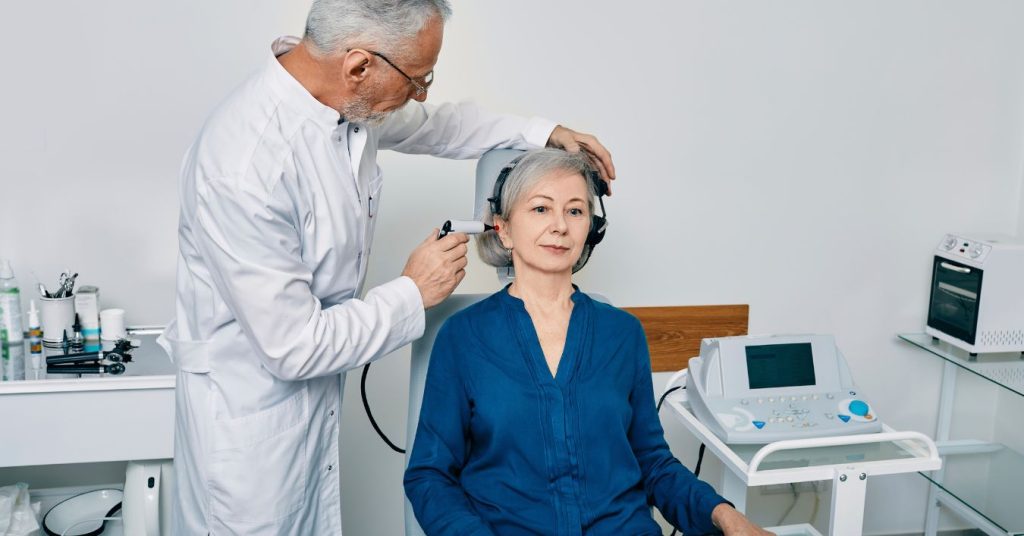
Annual hearing tests are simple, painless, and designed to be comfortable. Appointments usually begin with a discussion about hearing concerns, lifestyle factors, and general health. This helps the audiologist tailor the assessment to individual needs.
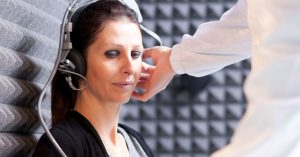
The test itself typically includes listening to tones through headphones and responding when sounds are heard, along with speech understanding tests. Some assessments also check middle ear function. Most appointments last less than an hour.
After the test, results are explained clearly, showing whether hearing has changed since previous assessments. If hearing loss is detected, the audiologist will discuss suitable options, which may include monitoring, communication strategies, or hearing aids. There is no pressure to make immediate decisions.
Conclusion
Annual hearing tests are a powerful tool for protecting long-term hearing health and overall wellbeing. Because hearing loss often develops gradually, regular check-ups provide clarity, reassurance, and early detection when changes are easiest to manage.
The benefits extend beyond hearing alone, supporting better communication, stronger relationships, brain health, and independence. By treating hearing tests as a routine part of healthcare, individuals can take proactive steps to stay connected, confident, and engaged with the world around them.
FAQ
How often should I have a hearing test?
Most adults over 50 should have a hearing test every year. Annual testing helps track gradual changes and supports early intervention.
I don’t think I have hearing problems – do I still need a hearing test?
Yes. Many people are unaware of early hearing loss. Annual tests provide reassurance and establish a baseline for future comparisons.
Are hearing tests uncomfortable?
No. Hearing tests are non-invasive, painless, and typically take less than an hour.
Can annual hearing tests prevent hearing loss?
They cannot prevent hearing loss directly, but they help identify risks early and support protective strategies.
What if hearing loss is found?
Your audiologist will explain the results and discuss suitable options. The goal is information and support, not pressure.
This article is for informational purposes only and is not a substitute for professional medical advice, diagnosis, or treatment. If you are concerned about your hearing or ear health, please consult a qualified healthcare provider.