Hearing is something many of us take for granted—until it starts to change. As we get older, our ears become more vulnerable to damage from everyday noise, whether that’s traffic, power tools, loud workplaces, social events, or even constant background noise at night. Over time, repeated exposure to noise can contribute to hearing loss, tinnitus, and increased sound sensitivity. The good news is that protecting your hearing doesn’t have to be complicated. One of the simplest and most effective tools available is the humble earplug.
Earplugs are widely used for a range of reasons, from improving sleep and concentration to protecting hearing in noisy environments. However, with so many options available, choosing the right type can feel confusing—especially when deciding between reusable and disposable earplugs. Both types are designed to reduce noise, but they differ significantly in comfort, durability, hygiene, cost, and environmental impact. What works well for one person may not be the best choice for another.
For adults over 50 and people already experiencing hearing loss or tinnitus, the decision can be particularly important. Ears may become more sensitive with age, and poorly fitting or uncomfortable earplugs can cause irritation, soreness, or simply end up unused. Consistent use of hearing protection is key, so choosing earplugs that feel comfortable and practical for your lifestyle is just as important as how much noise they block out.
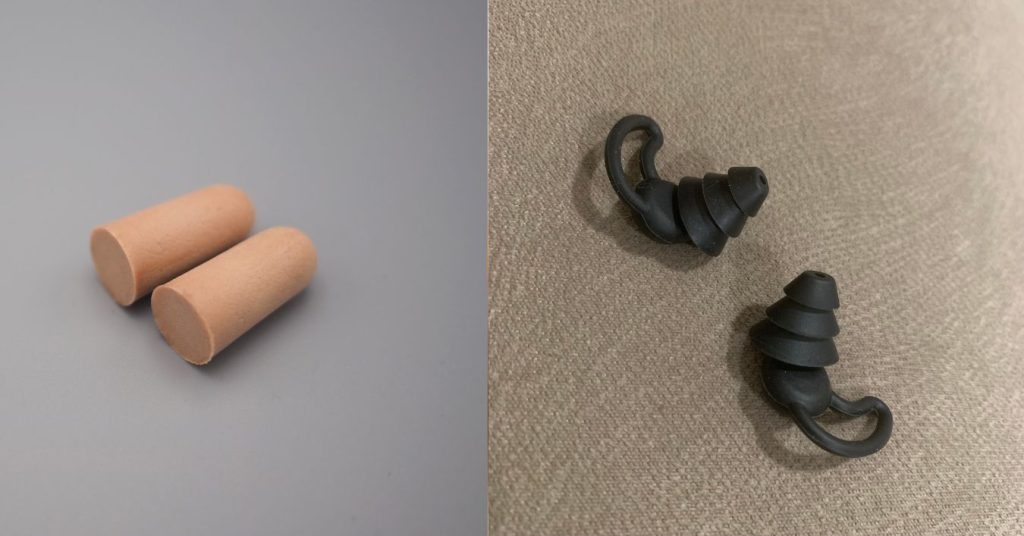
Disposable earplugs, often made of soft foam, are commonly seen as a quick and affordable solution. They are widely available, easy to use, and often recommended for short-term or occasional noise exposure. Reusable earplugs, on the other hand, are designed for repeated use and are typically made from silicone, rubber, or specialised filtered materials. These are often favoured by people who regularly need hearing protection and want a more durable, tailored option.
This article explores the differences between reusable and disposable earplugs in detail, helping you understand how each type works and where they perform best. We’ll look at comfort, effectiveness, hygiene, cost, and environmental considerations, as well as which earplugs may be more suitable for specific situations such as sleeping, working, travelling, or managing tinnitus.
Understanding Earplugs and How They Protect Hearing
Earplugs play a vital role in protecting hearing by reducing the amount of sound that reaches the inner ear. Prolonged exposure to loud noise can damage the tiny hair cells responsible for hearing, and once damaged, these cells do not regenerate. This makes prevention especially important for older adults and those already experiencing hearing difficulties.
Most earplugs work by forming a physical barrier in the ear canal that dampens sound waves before they reach the eardrum. Rather than blocking sound entirely, earplugs reduce noise to safer levels, allowing some awareness of the surrounding environment. Their effectiveness is measured using a Noise Reduction Rating (NRR), which indicates how many decibels of sound the earplugs can potentially reduce when worn correctly.
Different types of noise affect hearing in different ways. Continuous noise, such as traffic or machinery, can gradually wear down hearing over time. Sudden impulse noises—like fireworks or loud bangs—can cause immediate damage. Earplugs are particularly effective against continuous noise and can reduce the impact of sudden sounds when worn consistently.
For people with tinnitus, earplugs need to be used carefully. While they protect against further damage, overuse in quiet environments may make tinnitus more noticeable by reducing background sound. This highlights the importance of using earplugs only when necessary and choosing the right level of noise reduction.
Fit is just as important as noise reduction rating. Poorly fitted earplugs allow sound to leak through and can cause discomfort. This is one reason some people prefer reusable earplugs, which often come in different sizes, while others choose disposable foam earplugs that expand to fit the ear canal.
What Are Disposable Earplugs?
Disposable earplugs are usually made from soft, compressible foam and are designed for short-term use. They are inserted by rolling the foam into a thin cylinder, placing it in the ear canal, and allowing it to expand to create a seal.
One of their biggest advantages is accessibility. Disposable earplugs are inexpensive, widely available, and often sold in bulk. This makes them a popular choice for occasional use, such as sleeping in a noisy environment, attending a loud event, or travelling.
Disposable foam earplugs often provide high levels of noise reduction and are particularly effective at blocking continuous background noise. However, their performance depends heavily on correct insertion. If not inserted properly, their effectiveness drops significantly.
Hygiene is a key limitation. Disposable earplugs collect earwax, moisture, and dirt and should be replaced frequently. Reusing them for too long can increase the risk of ear irritation or infection. Comfort can also be an issue, particularly for people with sensitive ear canals or arthritis, as rolling and inserting foam earplugs requires dexterity.
Disposable earplugs are best suited for short-term or infrequent use where convenience is the priority.
What Are Reusable Earplugs?
Reusable earplugs are designed for long-term use and are typically made from silicone, rubber, or thermoplastic materials. They usually feature pre-moulded shapes or flanges that create a seal without expanding in the ear canal.
A major benefit of reusable earplugs is consistency. Once you find the right size and style, they tend to provide a reliable fit and predictable comfort. Many reusable earplugs come in multiple sizes, making them a good option for people who struggle with standard foam earplugs.
Reusable earplugs are popular among people who need hearing protection regularly, such as workers in noisy environments, musicians, or frequent event-goers. Some designs include acoustic filters that reduce volume evenly, preserving speech and music clarity while still protecting hearing.
They are often easier to insert and remove than disposable foam earplugs, which can be helpful for people with reduced hand strength. However, they do require regular cleaning to remain hygienic and safe to use.
Comparing Comfort, Effectiveness, and Convenience
Comfort is often the deciding factor when choosing earplugs. Disposable foam earplugs are soft but can create pressure as they expand, which may become uncomfortable during extended use. Reusable earplugs tend to sit more naturally in the ear and are often preferred for long periods.
Both types can be effective at reducing noise, but real-world performance depends on fit. Disposable earplugs often have higher NRR ratings, but reusable earplugs may perform just as well due to their consistent fit.
Disposable earplugs are convenient and require no cleaning, while reusable earplugs require maintenance but eliminate the need for frequent replacement. The best choice depends on how often and where they are used.
Cost, Hygiene, and Environmental Impact
Disposable earplugs are cheap upfront but can become costly over time with frequent use. Reusable earplugs cost more initially but are often more economical in the long run.
Hygiene is easier to manage with disposable earplugs if they are replaced correctly, but many people reuse them for too long. Reusable earplugs require cleaning but allow better long-term hygiene control.
Environmentally, disposable earplugs contribute significantly to waste, while reusable earplugs are a more sustainable option.
Which Earplugs Are Best for Different Situations?
Disposable earplugs are often preferred for sleeping, travel, and occasional noise exposure. Reusable earplugs are better suited for regular work environments, social situations, and ongoing noise exposure.
For tinnitus or sound sensitivity, earplugs should be used selectively. Reusable earplugs offering moderate noise reduction are often more suitable than high-blocking disposable options.
Many people benefit from owning both types and choosing based on the situation.
Conclusion
Reusable and disposable earplugs both play an important role in hearing protection. Disposable earplugs offer convenience and affordability for short-term use, while reusable earplugs provide comfort, consistency, and sustainability for regular wear.
The best earplugs are those that fit well, feel comfortable, and are used consistently in noisy environments. By understanding the differences, you can make an informed choice and take an active role in protecting your hearing health.
FAQ
Are reusable earplugs better than disposable earplugs?
Neither option is universally better. Reusable earplugs are ideal for regular use, while disposable earplugs are best for occasional or short-term situations.
Which earplugs are best for sleeping?
Disposable foam earplugs are common for sleep, but reusable silicone earplugs designed for sleep may offer better comfort for regular use.
Can earplugs damage your ears if used too often?
Incorrect use or poor hygiene can cause irritation or infection. Overuse in quiet environments may also worsen tinnitus awareness.
Are reusable earplugs hygienic?
Yes, if cleaned regularly with mild soap and water and dried thoroughly.
Do earplugs completely block sound?
No, they reduce sound to safer levels rather than eliminating it entirely.
This article is for informational purposes only and is not a substitute for professional medical advice, diagnosis, or treatment. If you are concerned about your hearing or ear health, please consult a qualified healthcare provider.