For millions of people with hearing loss, everyday activities like watching TV or talking on the phone can quickly become frustrating. Dialogue can be muffled, background noise overwhelming, or fast-paced conversations difficult to follow. These challenges don’t just make entertainment less enjoyable—they can also create feelings of isolation and make staying connected with family and friends harder.
Thankfully, assistive technology has evolved significantly, offering a range of solutions that make both TV viewing and phone conversations clearer and more accessible. From captioning tools to specialized listening devices, these technologies empower people with hearing loss to engage more fully in daily life. Whether it’s understanding your favorite TV show without constantly adjusting the volume or participating in phone calls with confidence, assistive devices can bridge the communication gap.
This guide will explore the different types of assistive technology available for TV and calls, explain how they work, and provide practical tips for choosing the right solutions for your home. By the end, you’ll have a comprehensive understanding of how these tools can improve your hearing experience, increase independence, and make daily communication more enjoyable.
Understanding Hearing Loss and Communication Barriers
Hearing loss can take many forms, from mild difficulty hearing high-pitched sounds to profound deafness. One of the most common impacts is the challenge of following speech, especially in situations with background noise, multiple speakers, or fast-paced dialogue. For many adults over 50, age-related hearing loss (presbycusis) affects the ability to distinguish consonant sounds, which are crucial for understanding speech. This can make TV shows, movies, and phone conversations particularly difficult to follow.
When watching TV, even turning up the volume may not be enough. Background music, sound effects, or overlapping dialogue can mask important speech cues. Similarly, phone calls present unique obstacles: the lack of visual cues like lip-reading or facial expressions, combined with potential audio compression or poor signal quality, can make comprehension much harder. Individuals with hearing aids may still struggle if the devices aren’t optimized for phone or TV use, or if the acoustic environment introduces echo or distortion.
Communication barriers aren’t limited to frustration—they can affect social connections and overall wellbeing. Missing key information during a phone conversation can create misunderstandings, and struggling to follow TV dialogue may lead to avoidance of social entertainment or shared family experiences. Recognizing these challenges is the first step toward finding effective solutions. Fortunately, advances in assistive technology offer practical ways to overcome these barriers, making TV and phone interactions more enjoyable and accessible for those with hearing difficulties.
Assistive Technology for TV
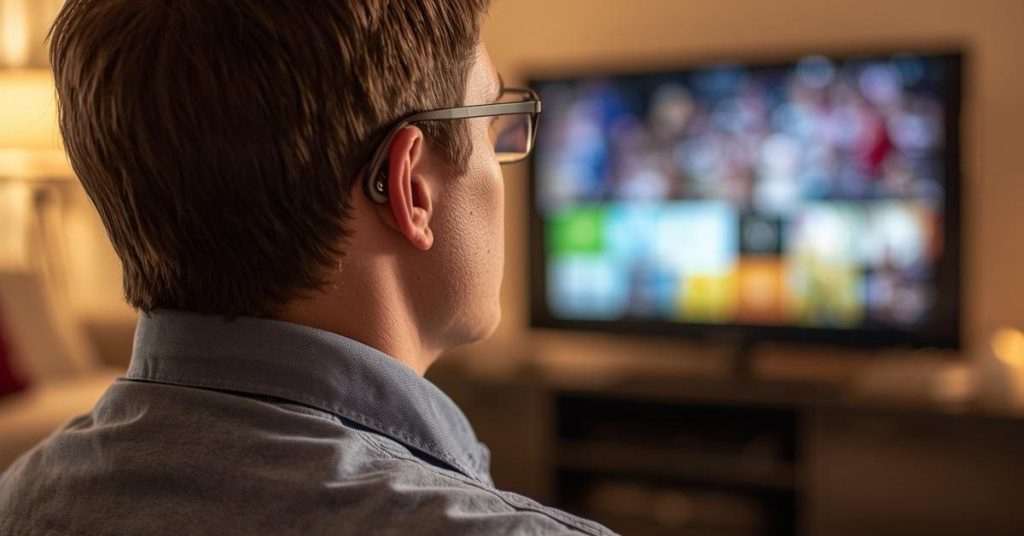
Watching TV should be an enjoyable and immersive experience, but for people with hearing loss, following dialogue or understanding key sounds can be a constant struggle. Fortunately, a variety of assistive technologies are designed specifically to make TV viewing clearer and more accessible. These solutions cater to different levels of hearing loss, personal preferences, and lifestyles.
One of the most common tools is closed captions and subtitles. Modern TVs and streaming platforms often include customizable captions that display spoken words on screen. Captions can be adjusted for size, color, and background contrast, making it easier for viewers to follow conversations even in noisy environments. For those who are hard of hearing but still rely on auditory cues, TV listening systems offer a practical solution. These include wireless headphones, neckloops, or personal amplifiers that transmit sound directly from the TV to the listener’s ears, often with volume and tone control. Many of these devices are compatible with hearing aids, allowing for a seamless experience.
Smart TVs have also integrated accessibility features such as audio description, which narrates key visual elements, and enhanced sound modes that prioritize speech over background audio. Additionally, amplified remote controls and apps can simplify volume adjustments and accessibility settings for those with dexterity challenges or limited tech familiarity.
For families and shared living spaces, devices like TV streamers or multi-user listening systems allow multiple people to listen at their preferred volume without disturbing others. Pairing these systems with hearing aids or cochlear implants can further improve clarity and reduce listening fatigue. By exploring the right combination of captions, personal listening devices, and smart TV features, individuals with hearing loss can regain enjoyment and independence in their TV-watching experience.
Assistive Technology for Phone Calls
Phone conversations can be especially challenging for people with hearing loss because they lack visual cues like lip-reading and rely entirely on auditory input. Fortunately, a variety of assistive technologies make phone calls clearer, more accessible, and less stressful.
One popular solution is captioned telephones. These devices display real-time text of what the other person is saying, allowing users to read along while listening. This can be particularly helpful for individuals who struggle to catch every word, ensuring they never miss important information during a conversation. Many captioned phones also include amplified sound options and customizable volume levels to accommodate different hearing needs.
Amplified phones are another widely used tool. These phones increase the volume and clarity of incoming audio while reducing background noise, making speech easier to understand. Some models include tone controls that allow users to adjust frequencies to better match their hearing profile. Additionally, Bluetooth-enabled phones and smartphones can connect directly to compatible hearing aids or cochlear implants, streaming audio directly to the user’s device for improved clarity and reduced interference.
Modern smartphones also feature built-in accessibility features, such as live transcription, adjustable audio settings, and visual notifications for incoming calls or messages. Video calling apps, which provide visual cues, can further enhance comprehension, combining lip-reading with auditory input.
For those who make frequent calls, integrating these technologies with daily routines can dramatically improve communication. Users can select the most suitable combination of devices—whether amplified phones, captioning services, or hearing aid connectivity—to ensure clear conversations and reduce frustration. By leveraging assistive technology for phone calls, individuals with hearing loss can stay connected with family, friends, and colleagues without the constant struggle of misunderstanding or repeating words.
Combining TV and Call Assistive Solutions
Many people with hearing loss benefit from technologies that address both TV and phone listening, offering a more seamless and versatile experience at home. Combining solutions can simplify daily routines, reduce device clutter, and ensure consistent audio clarity across different activities.
One approach is using hearing aid-compatible streamers or Bluetooth hubs. These devices can connect both your TV and phone directly to your hearing aids or cochlear implants, allowing sound to be transmitted clearly without relying on external speakers. This not only improves speech comprehension but also reduces background noise and listening fatigue. Some systems even allow users to switch between TV and phone audio with a simple button press, making transitions effortless.
Multi-purpose listening devices are another option. For example, certain wireless headsets can pair with both smartphones and TV transmitters, enabling users to watch shows at their preferred volume while also staying alert to incoming calls. Some models include adjustable audio settings tailored to specific frequencies, which can enhance clarity for those with high-frequency hearing loss—a common issue in adults over 50.
Integration doesn’t have to be complicated. Many modern smart TVs and smartphones offer apps that streamline device management, allowing users to control volume, captions, and audio settings from a single interface. For households with multiple users, adjustable settings ensure that everyone can enjoy TV shows or participate in calls without disturbing others.
Practical tips for combining solutions include testing devices in real-life settings, ensuring compatibility with existing hearing aids or implants, and consulting with an audiologist for personalized recommendations. By thoughtfully integrating TV and call assistive technology, users can create a cohesive home audio environment that maximizes comprehension, comfort, and overall enjoyment.
Tips for Choosing the Right Assistive Technology
Selecting the right assistive technology for TV and phone use can feel overwhelming, given the wide range of devices and features available. However, considering personal hearing needs, lifestyle, and budget can help narrow down the best options.
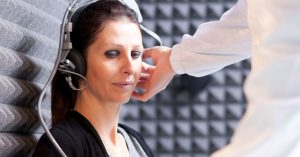
First, assess your level of hearing loss and specific challenges. For instance, someone with mild high-frequency hearing loss might benefit most from captioning tools and smart TV sound adjustments, while someone with moderate to severe loss may need direct audio streaming to hearing aids or amplified phones. Consulting with an audiologist is highly recommended, as they can perform hearing assessments and suggest devices compatible with your hearing profile.
Next, consider lifestyle and usage patterns. If you watch TV primarily in the evening, a wireless headset or TV streamer that minimizes background noise may be ideal. For frequent phone users, captioned phones or Bluetooth connectivity may be more valuable. Some devices serve dual purposes, combining TV and phone solutions, which can be especially useful for users seeking convenience.
Trial periods and demos are also important. Many retailers and hearing centers offer the opportunity to test devices before purchasing, allowing you to experience how well they work in your actual home environment. This helps ensure comfort, usability, and sound clarity.
Budget is another factor to consider. Prices for assistive technology can vary widely, from affordable captioning apps to premium hearing aid-compatible streaming systems. Determine which features are essential versus optional, and explore insurance coverage or local assistance programs that may help offset costs.
Finally, pay attention to compatibility and ease of use. Devices should integrate smoothly with existing hearing aids, smartphones, or home entertainment systems. User-friendly interfaces, adjustable volume, and customizable settings can make a big difference in daily usability, reducing frustration and enhancing independence.
By carefully evaluating your hearing needs, daily habits, and device features, you can choose assistive technology that not only improves TV and phone experiences but also enhances overall quality of life.
Conclusion
Living with hearing loss doesn’t mean missing out on the joys of watching TV or staying connected through phone calls. Thanks to advances in assistive technology, individuals with hearing challenges can enjoy clear, understandable audio and engage fully in everyday conversations and entertainment. From closed captions and TV listening systems to amplified phones and captioned telephones, there are tools available to meet a wide range of hearing needs and preferences.
Integrating these solutions into your home environment can transform daily routines. Devices that stream audio directly to hearing aids or combine TV and phone functionality provide convenience and reduce listening fatigue, while smart accessibility features and adjustable settings ensure a personalized experience. Testing different technologies, consulting with audiologists, and considering lifestyle factors can help you choose the most effective combination of tools.
Ultimately, the right assistive technology can enhance independence, improve social connections, and make everyday activities like watching TV and talking on the phone more enjoyable. By exploring the available options and selecting devices suited to your needs, you can reclaim clarity, confidence, and connection in your hearing experiences.
FAQ
What is the best assistive device for watching TV with hearing loss?
The best device depends on your hearing level and preferences. Options include closed captions, wireless TV listening systems, and smart TVs with enhanced sound modes. For those with hearing aids, Bluetooth-compatible streamers can transmit audio directly to your devices for maximum clarity. Testing different devices in your home environment can help determine the most effective solution.
Can hearing aids improve phone conversations without additional devices?
Yes, modern hearing aids can amplify sound and reduce background noise, improving phone call clarity. However, pairing hearing aids with Bluetooth-enabled phones, amplified phones, or captioned telephones often provides a more reliable and comfortable experience, especially for long conversations or noisy environments.
Are there devices that work for both TV and phone use?
Absolutely. Multi-purpose devices, such as hearing aid-compatible streamers or wireless headsets, can connect to both your TV and smartphone. These devices allow you to switch seamlessly between TV audio and phone calls, often with adjustable volume and frequency settings to suit your hearing needs.
Do captioned phones work with smartphones?
Yes, many smartphones offer apps that provide real-time captioning for phone calls. These apps display spoken words on the screen, allowing users to read along while listening. Some services also integrate with traditional captioned telephones for enhanced accessibility.
How do I know which assistive technology is right for me?
Start by assessing your hearing needs, lifestyle, and preferred devices. Consult an audiologist for personalized recommendations and take advantage of trial periods offered by manufacturers or retailers. Consider compatibility with your hearing aids, comfort, ease of use, and budget when making your choice.
This article is for informational purposes only and is not a substitute for professional medical advice, diagnosis, or treatment. If you are concerned about your hearing or ear health, please consult a qualified healthcare provider.