
Vacations are meant to be relaxing, fun, and filled with memorable experiences—but for those with hearing challenges, travel can also bring unexpected obstacles. From bustling airports to crowded restaurants and lively tourist attractions, loud environments can make communication difficult and even strain your ears. Protecting your hearing while on vacation isn’t just about comfort; it’s about ensuring you can fully enjoy your trip without unnecessary stress or fatigue.
For adults over 50, caregivers, and anyone with hearing loss, careful planning can make a huge difference. Simple strategies—like packing the right hearing aids accessories, using noise management tools, and preparing for busy environments—can help prevent discomfort and keep you connected with friends and family while traveling.
This guide provides practical, actionable tips to help you safeguard your hearing on vacation. Whether you’re heading to a quiet countryside retreat or a bustling city, these strategies will ensure that your ears remain protected and your travel experiences stay enjoyable. From pre-trip preparation to using technology and communicating effectively in noisy settings, you’ll discover ways to make hearing challenges manageable and your vacation truly relaxing.
Understanding Your Hearing Needs Before You Travel
Before you even start packing your bags, it’s important to assess your hearing needs and plan accordingly. Traveling often exposes you to new environments and sounds, some of which can be overwhelming for individuals with hearing loss. Taking proactive steps before your trip can prevent frustration and ensure you’re fully prepared to enjoy your vacation.
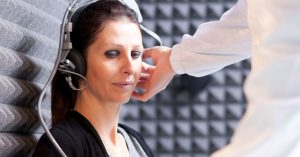
One of the first steps is scheduling a hearing check-up. Even if you already use hearing aids, a pre-trip appointment with your audiologist can confirm that your devices are functioning properly and that your hearing levels are up to date. They may also recommend adjustments or updates to your devices to optimize performance in environments that are noisy or unfamiliar. Additionally, consider having spare parts, such as extra batteries or domes, to avoid interruptions during your trip.
It’s also helpful to think about the specific challenges you might face while traveling. Long flights, train rides, or bus trips can be loud and may interfere with your ability to hear announcements clearly. Hotels and vacation rentals can have unexpected noises, from traffic to running appliances. Planning for these scenarios means identifying the tools and strategies that will help you manage them effectively.
For travelers with hearing loss, being proactive also involves understanding your personal limits. Consider how long you can comfortably wear hearing aids or how much background noise you can tolerate before needing a break. Planning your daily activities with these limits in mind can prevent fatigue and make your vacation more enjoyable.
Ultimately, understanding your hearing needs before you travel ensures that you’re not caught off guard by environmental sounds or communication challenges. By preparing early, you set the foundation for a smooth, stress-free trip where your focus can be on experiencing new places rather than worrying about hearing difficulties.
Packing Smart for Hearing Protection
When it comes to traveling with hearing concerns, packing the right items can make all the difference. A well-prepared travel kit ensures that your hearing aids, ear protection, and accessories are ready for any situation, allowing you to enjoy your vacation without interruptions or discomfort.
Start by gathering essential hearing aid supplies. This includes extra batteries or a portable charger if your devices are rechargeable. Bring along a cleaning kit to keep your hearing aids functioning optimally, and consider packing a small repair kit for emergencies. Keeping these items organized in a dedicated pouch or case helps prevent them from getting lost or damaged while on the move.
Ear protection is another critical component of your travel kit. Noise-canceling headphones or over-ear headphones can reduce background noise during flights, train rides, or busy sightseeing days. High-quality earplugs are also valuable, especially for loud events like concerts, crowded markets, or fireworks displays. Make sure you choose earplugs that provide adequate noise reduction while still allowing you to hear essential announcements or conversations.
Consider the convenience and portability of your items. Travel-friendly hearing aids accessories, compact noise-canceling headphones, and small earplug cases are easier to carry and won’t add unnecessary bulk to your luggage. Additionally, storing these items in an easily accessible part of your carry-on ensures you can use them whenever needed, whether during a long flight or a busy day of touring.
Finally, don’t forget to pack any documentation related to your hearing aids. This can include user manuals, warranty information, and a note from your audiologist describing your devices. These documents can be useful if you need assistance while traveling or encounter technical issues.
By packing smart and keeping your hearing protection essentials organized, you can confidently navigate different environments and enjoy your vacation to the fullest. Preparing ahead of time reduces stress and ensures you won’t be caught off guard by unexpected noise or device problems.
Strategies for Managing Noise in Crowded Environments
Traveling often means encountering crowded and noisy environments, from busy airports and train stations to bustling restaurants and popular tourist attractions. For individuals with hearing challenges, these settings can make communication difficult and increase listening fatigue. Adopting practical strategies for managing noise can help you stay comfortable and fully enjoy your vacation.
One effective approach is to choose quieter seating or areas whenever possible. In restaurants, request a table away from the kitchen or high-traffic zones. When attending tours or events, arrive early to select seating that minimizes background noise and maximizes your ability to hear. Even small adjustments in your location can have a significant impact on your listening experience.
Using assistive listening devices can also enhance your ability to hear in crowded spaces. Many modern hearing aids are compatible with smartphone apps or portable amplifiers that allow you to adjust volume and filter out background noise. If your destination offers assistive listening systems, such as in theaters or museums, take advantage of them to improve your experience.
Noise-canceling headphones or specialized earplugs designed for travelers can further protect your ears from loud sounds. These tools are particularly helpful in airports, train stations, or busy streets, where background noise can be overwhelming. They not only reduce auditory strain but also help prevent temporary hearing fatigue that can occur during long periods of exposure to loud environments.
Another useful strategy is to plan your day with noise levels in mind. Schedule quieter activities after visits to particularly loud attractions, or take short breaks in calm spaces to give your ears a rest. This approach allows you to enjoy the more energetic parts of your trip without becoming exhausted or overwhelmed by constant noise.
Finally, communicate with your travel companions about your needs. Let them know if you require pauses during conversations or if certain environments are particularly challenging. Simple gestures, like facing you when speaking or speaking a bit more slowly, can make a big difference in your ability to follow conversations and fully engage with your surroundings.
By combining thoughtful planning, assistive devices, and practical noise management strategies, you can navigate crowded environments with confidence and enjoy your vacation without compromising your hearing.
Using Technology to Enhance Hearing While Traveling
Modern technology has made it easier than ever for travelers with hearing challenges to stay connected and comfortable on vacation. From advanced hearing aids to smartphone apps, these tools can enhance your hearing experience and reduce stress in unfamiliar or noisy environments.
Many contemporary hearing aids offer Bluetooth connectivity, allowing you to stream audio directly from your smartphone, tablet, or even in-flight entertainment systems. This feature can significantly improve clarity when listening to announcements, watching videos, or having conversations in noisy settings. Some hearing aids also include adaptive noise reduction, which automatically adjusts the sound to filter out background noise, making it easier to focus on important sounds.
Smartphone apps can serve as valuable companions for travelers. Some apps amplify environmental sounds, translating them into clearer audio through your hearing aids or headphones. Others provide visual alerts for important sounds, such as doorbells, alarms, or notifications, helping you stay aware of your surroundings even when background noise is high. Translation apps can also assist in understanding spoken instructions or menus in foreign languages, further reducing communication stress.
Portable hearing amplifiers are another useful tool, particularly for situations where hearing aids alone may not suffice. These small, lightweight devices can be used in crowded settings like guided tours, theaters, or outdoor events, allowing you to hear speech more clearly without increasing overall volume excessively.
It’s also important to keep your devices charged and ready. Travel-friendly charging solutions, such as compact power banks or travel cases with built-in chargers, ensure that your hearing aids, headphones, or amplifiers remain functional throughout your trip. Carrying backup batteries or extra charging cables provides added peace of mind.
Using technology effectively allows you to enjoy your vacation without feeling isolated or overwhelmed by background noise. By incorporating hearing aids, apps, and portable amplifiers into your travel routine, you can communicate clearly, follow conversations, and engage fully with your surroundings, making every moment of your trip more enjoyable and stress-free.
Communicating Clearly on Vacation
Effective communication is key to enjoying a vacation, especially for travelers with hearing challenges. Busy environments, unfamiliar accents, or background noise can make conversations difficult, but with a few practical strategies, you can stay connected with companions, guides, and locals without frustration.
One of the simplest methods is to position yourself face-to-face when speaking. Visual cues, like lip movements and facial expressions, significantly improve understanding, especially in noisy settings. Encourage travel companions to speak clearly, at a moderate pace, and avoid covering their mouths while talking. Even small adjustments can make a noticeable difference in comprehension.
Using written or digital aids can also help bridge communication gaps. Carrying a small notebook or using smartphone messaging apps allows you to clarify important details without repeated verbal explanations. Translation apps can be especially useful when traveling to countries where you may not understand the local language, enabling smoother interactions with hotel staff, taxi drivers, or restaurant servers.
For group activities or guided tours, consider requesting assistive listening options. Many tour operators, theaters, and museums offer devices that amplify the guide’s voice directly to your hearing aids or portable receivers. Planning ahead by contacting venues or checking online can ensure these accommodations are available, allowing you to fully participate without missing critical information.
Noise management remains an important factor in communication. If a conversation becomes too difficult in a noisy environment, don’t hesitate to move to a quieter area or take short breaks. This prevents fatigue and ensures that you remain engaged and alert throughout your activities.
Lastly, advocating for your needs is essential. Let your travel companions know how they can support you, whether by facing you while speaking, repeating information when necessary, or helping you navigate particularly loud spaces. Clear communication, combined with supportive companions and practical tools, allows you to enjoy your vacation confidently and without unnecessary stress.
Conclusion
Traveling with hearing challenges doesn’t have to limit your experiences or enjoyment. With thoughtful preparation, practical strategies, and the right tools, you can protect your hearing and fully engage with every aspect of your vacation. From scheduling pre-trip hearing assessments and packing essential accessories to using technology and managing noisy environments, every step you take enhances your ability to hear clearly and comfortably while traveling.
Planning ahead and advocating for your needs ensures that you can navigate airports, restaurants, tours, and attractions with confidence. Simple habits, such as choosing quieter seating, taking breaks from loud environments, and using assistive listening devices, can prevent fatigue and make your vacation more relaxing. Meanwhile, modern technology—including Bluetooth-enabled hearing aids, smartphone apps, and portable amplifiers—offers practical solutions that make communication easier, even in unfamiliar or bustling locations.
Ultimately, the key to a successful vacation lies in combining preparation, awareness, and communication. By understanding your hearing needs, packing smart, and leveraging technology, you can focus on creating memorable experiences without worrying about missing out on conversations or important announcements. Protecting your hearing while traveling not only safeguards your ear health but also empowers you to enjoy every moment of your trip to the fullest.
FAQ
What are the best hearing protection options for travel?
Travelers with hearing challenges can benefit from noise-canceling headphones, high-quality earplugs, and Bluetooth-enabled hearing aids. These options reduce background noise, protect ears from loud environments, and improve speech clarity during flights, tours, and crowded attractions. Packing extra batteries or a portable charger ensures your devices stay functional throughout the trip.
How can I manage hearing in noisy airports or public transportation?
To manage noise in busy airports, train stations, or buses, consider using noise-canceling headphones or earplugs. Position yourself away from loud areas, such as near engines or high-traffic zones, and take breaks in quieter sections of terminals or stations. Smartphone apps and portable hearing amplifiers can also help enhance speech clarity amid background noise.
Are there specific technologies that help with hearing while traveling?
Yes! Modern hearing aids often feature Bluetooth connectivity, adaptive noise reduction, and compatibility with smartphone apps. These tools allow you to stream audio directly to your devices, amplify environmental sounds, and even receive visual alerts for important notifications, making communication and awareness easier while on vacation.
How can I communicate effectively with companions or locals?
Face-to-face communication, clear speech, and visual cues are essential. Use written notes or translation apps when needed, especially in foreign countries. Request assistive listening devices at tours or theaters, and don’t hesitate to advocate for your needs with travel companions to ensure clear and stress-free interactions.
What should I include in a travel hearing kit?
A complete travel hearing kit should include hearing aid batteries or a portable charger, a cleaning kit, spare parts, noise-canceling headphones, high-quality earplugs, and documentation for your devices. Keeping these items organized and easily accessible ensures that you are prepared for any hearing-related situation during your trip.
“This article is for informational purposes only and is not a substitute for professional medical advice, diagnosis, or treatment. If you are concerned about your hearing or ear health, please consult a qualified healthcare provider.”