Hearing is one of our most vital senses, yet it’s easy to take it for granted—until damage occurs. Everyday sounds, from traffic noise to music through headphones, can quietly impact our hearing over time. Many people are unaware that even seemingly moderate noise levels can become harmful if exposure is prolonged. Understanding safe sound exposure is essential for preserving your hearing health, preventing long-term damage, and maintaining a good quality of life.
This guide will walk you through how sound is measured, what constitutes safe listening, and practical strategies for protecting your ears. Whether you’re attending a concert, using headphones at home, or navigating noisy urban environments, knowing how long you can safely listen is key. We’ll also explore tools and habits that help monitor and manage exposure, so you can enjoy your favorite sounds without putting your hearing at risk. By following these guidelines, you can make informed choices that support your hearing now and in the years to come.
Understanding Sound Levels and Decibels
Sound surrounds us constantly, but not all noise is created equal. To protect our hearing, it’s important to understand how sound is measured and what levels are considered safe. Sound intensity is measured in decibels (dB), a scale that quantifies the loudness of a sound. The scale is logarithmic, meaning that every 10 dB increase represents a tenfold increase in sound intensity. For example, a conversation at 60 dB is significantly quieter than a busy city street at 80 dB.
Common Sound Levels in Daily Life
Everyday environments vary widely in their sound levels:
Quiet home or library: 30–40 dB
Conversation or office environment: 60 dB
Traffic or busy restaurant: 70–85 dB
Concerts, sporting events, or power tools: 100–120 dB
Prolonged exposure to sounds above 70 dB can gradually damage hearing, especially if the exposure lasts for hours every day. At 85 dB and above, even shorter durations can cause harm if precautions aren’t taken. Sounds over 120 dB, such as fireworks or sirens, can cause immediate hearing damage.
Why Decibels Matter for Hearing Protection
Understanding decibel levels helps you make informed choices about your exposure. While it may seem that loud sounds are only harmful at extreme levels, cumulative exposure—even at moderate decibels—can lead to noise-induced hearing loss over time. For instance, listening to music through headphones at a high volume for hours can be just as damaging as attending a loud concert repeatedly.
By recognizing the decibel levels of your surroundings and comparing them to recommended safe limits, you can take steps to protect your hearing. This might include lowering volume, taking breaks, or using protective devices such as earplugs or noise-canceling headphones. Awareness is the first step in maintaining healthy hearing across a lifetime.
Safe Exposure Duration: How Long is Too Long?
Knowing the decibel levels of everyday sounds is important, but understanding how long you can safely be exposed to those sounds is equally critical. Even moderate noise can damage hearing if exposure is prolonged. Organizations like the National Institute for Occupational Safety and Health (NIOSH) and the World Health Organization (WHO) provide guidelines to help people protect their hearing.
General Safe Exposure Guidelines
Safe exposure depends on both the loudness of the sound and the duration of exposure. Some widely referenced benchmarks include:
85 dB: Up to 8 hours per day
90 dB: Up to 2 hours per day
95 dB: About 1 hour per day
100 dB: 15 minutes per day
110 dB: Only a few minutes per day
120 dB and above: Immediate risk of hearing damage; avoid whenever possible
These numbers illustrate that as sound intensity increases, the safe listening time decreases exponentially. For example, attending a 100 dB concert without ear protection for an hour far exceeds the recommended safe exposure and could lead to permanent damage.
Common Scenarios and Safe Durations
Headphones and earbuds: Listening at 60% volume for no more than 60 minutes at a time is generally considered safe.
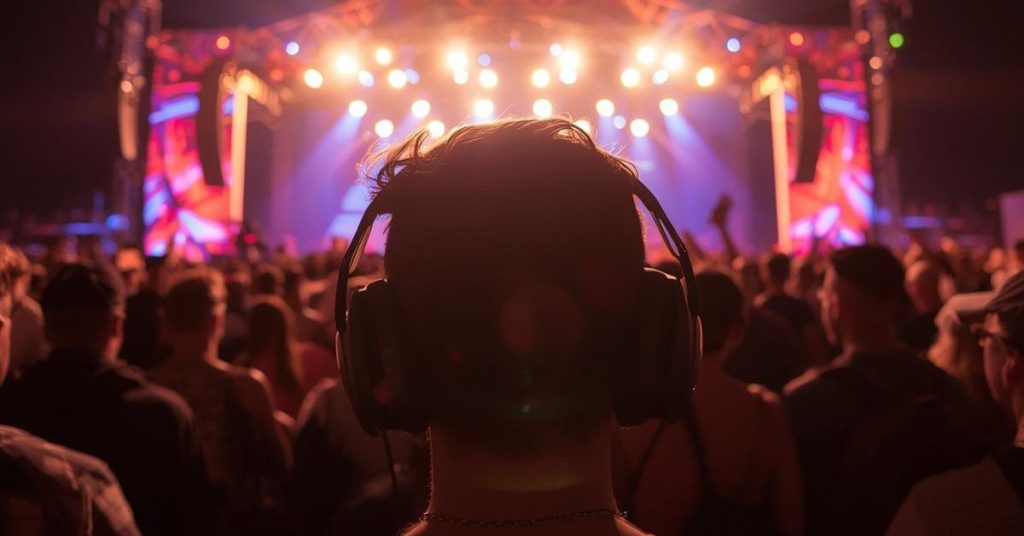
Live music events or clubs: Use earplugs or limit exposure to 15–30 minutes at a time, with breaks in quieter areas.
Power tools or lawn equipment: Wear protective earmuffs or earplugs, especially if usage exceeds 30 minutes.
Traffic or urban noise: Try to limit time spent in consistently loud environments and keep car or personal audio volumes moderate.
Cumulative Exposure Matters
It’s important to remember that hearing damage is cumulative. Daily exposure to moderately loud noise can have the same long-term effects as occasional exposure to extremely loud events. Taking proactive steps to monitor and limit exposure is essential for maintaining healthy hearing throughout life.
By understanding safe exposure durations, you can enjoy your favorite sounds while minimizing risk. Simple actions—like adjusting volume, taking breaks, and using protective devices—can make a significant difference over time.
Protecting Your Hearing in Daily Life
Preventing hearing damage doesn’t have to mean avoiding enjoyable sounds altogether. With a few practical strategies, you can significantly reduce your risk while still enjoying music, social events, and daily activities. Protecting your hearing is especially important for adults over 50, who may already experience some age-related hearing loss.
Use Hearing Protection
One of the simplest and most effective ways to safeguard your ears is by using earplugs or earmuffs in loud environments. High-fidelity earplugs are a great choice for concerts, as they reduce volume without distorting sound. Noise-canceling headphones can also help by blocking background noise, allowing you to listen at lower volumes.
Manage Volume Levels
For personal audio devices, follow the 60/60 rule: listen at no more than 60% of maximum volume for no more than 60 minutes at a time. Frequent breaks give your ears a chance to recover, reducing cumulative damage. At home, keeping TVs, radios, and other devices at moderate levels can also make a big difference over time.
Limit Exposure to Loud Environments
Plan ahead when attending events or visiting noisy places. Standing further from loudspeakers, taking breaks in quieter areas, and avoiding prolonged exposure to construction sites or busy streets can all protect your hearing. Even simple adjustments, like closing windows near traffic or using rugs to absorb sound, can reduce everyday noise exposure.
Incorporate Quiet Time
Just as your body needs rest, your ears benefit from quiet periods. Scheduling quiet moments during your day allows your auditory system to recover from exposure. This is particularly important for older adults or anyone experiencing early signs of hearing fatigue, such as ringing in the ears (tinnitus) or difficulty following conversations in noise.
Monitor and Track Your Hearing Health
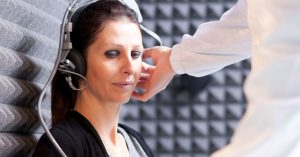
Regular hearing check-ups are essential, especially if you notice changes in your hearing. Audiologists can detect early signs of damage and offer tailored strategies, such as custom ear protection or sound-level monitoring devices, to preserve hearing long-term.
By adopting these habits, you can enjoy your favorite sounds while minimizing risk. Hearing protection doesn’t mean missing out—it means being able to continue enjoying music, conversations, and life for years to come.
Special Considerations for Older Adults and Hearing Loss
As we age, our ears naturally become more vulnerable to noise damage. Presbycusis, or age-related hearing loss, can make it harder to hear high-pitched sounds and follow conversations in noisy environments. For older adults, even sounds that were previously considered safe may pose a higher risk, making it essential to take additional precautions.
Increased Sensitivity to Noise
With age, the delicate hair cells in the inner ear gradually decline in number and function. These cells cannot regenerate, so cumulative noise exposure over a lifetime can accelerate hearing loss. Older adults may also have pre-existing conditions, such as diabetes or cardiovascular disease, which can further affect auditory health.
Tailored Hearing Protection Strategies
Older adults can benefit from customized hearing protection:
Custom earplugs or hearing aids with noise reduction: Provide protection while allowing speech and important environmental sounds to be heard clearly.
Volume management: Reducing device volumes and taking frequent breaks from headphones or TVs is crucial.
Noise-free zones: Creating quiet areas at home can give the ears time to recover, especially after exposure to loud environments.
Safe Listening for Those with Existing Hearing Loss
People who already experience hearing loss should be cautious when using personal audio devices or attending loud events. They may increase volume to compensate, which can worsen damage. Using assistive listening devices or amplification systems can help maintain clarity without exposing ears to unsafe levels of sound.
Encouraging Communication and Support
Caregivers and family members can support older adults by monitoring noise exposure and encouraging protective habits. Simple practices, like using headphones with built-in volume limits or checking decibel levels during activities, can prevent further damage.
By taking these extra precautions, older adults can continue to enjoy music, conversations, and daily activities without compromising their remaining hearing.
Technological Tools to Monitor and Limit Sound Exposure
In today’s digital age, technology can play a major role in protecting your hearing. From smartphone apps to wearable devices, these tools help you monitor sound levels, track exposure duration, and receive alerts when you’re at risk of hearing damage. Using technology proactively makes it easier to enjoy your favorite sounds safely.
Sound Level Monitoring Apps
There are many apps available that measure environmental noise in real time. These apps display decibel levels and provide guidance on safe exposure times. Some popular features include:
Alerts when sound exceeds safe levels
Recommendations for breaks or protective measures
Historical data to track cumulative exposure over days or weeks
By keeping an eye on decibel levels, you can make informed decisions, whether you’re attending a concert, working with power tools, or simply commuting in a noisy city.
Wearable Devices and Smart Hearing Protection
Modern hearing protection devices often include smart features. Examples include:
Earbuds or headphones with volume limits and automatic sound reduction
Hearing aids with built-in noise monitoring and alerts
Smart earplugs that reduce harmful frequencies while maintaining clarity for speech and music
These tools are especially helpful for older adults or anyone with existing hearing loss, as they provide personalized protection without sacrificing the enjoyment of sound.
Integrating Technology into Daily Life
To make the most of these devices:
Pair apps with wearable monitors for continuous tracking
Set alerts for environments you frequent, like gyms, concerts, or traffic-heavy areas
Use device insights to schedule quiet periods and maintain safe listening habits
Benefits of Technology-Assisted Hearing Safety
Using technology not only prevents damage but also encourages proactive hearing health habits. By visualizing exposure, you become more conscious of sound environments and can take steps to reduce risk before damage occurs. Over time, this approach helps maintain long-term auditory health and improves overall quality of life.
Technology doesn’t replace traditional methods like earplugs or volume moderation—it complements them. Together, they form a robust system for preserving hearing in an increasingly noisy world.
Conclusion
Protecting your hearing is a lifelong commitment, and understanding safe sound exposure is a key part of that journey. From recognizing decibel levels to monitoring how long you spend in noisy environments, taking proactive steps can prevent permanent hearing damage and maintain your quality of life. By following established guidelines, using hearing protection, and incorporating quiet periods into your daily routine, you can enjoy music, social activities, and daily sounds safely.
Older adults and those with existing hearing loss require extra attention, as their ears are more vulnerable to damage. Technological tools like sound-monitoring apps, smart earplugs, and hearing aids with noise reduction features make it easier than ever to track and limit exposure. Combining these tools with practical habits—lowering volume, taking breaks, and avoiding prolonged exposure to loud environments—creates a comprehensive approach to hearing preservation.
Ultimately, safe sound exposure is about balance: enjoying the sounds you love while respecting the limits of your ears. By being mindful of noise levels, duration, and protective strategies, you can protect your hearing today and for years to come, ensuring that the world’s sounds remain clear and vibrant throughout your life.
FAQ
What is considered a safe sound level for everyday listening?
Safe sound levels for prolonged exposure are generally below 85 decibels (dB). Sounds at or below this level, such as normal conversation or quiet office noise, are typically safe for up to 8 hours per day. Exposure above 85 dB requires shorter durations or protective measures like earplugs to prevent hearing damage.
How long can I safely listen to music through headphones?
A common guideline is the 60/60 rule: listen at no more than 60% of the maximum volume for no more than 60 minutes at a time. Taking breaks between listening sessions helps reduce cumulative noise exposure and protects your ears over time.
Are older adults more at risk from loud sounds?
Yes. Age-related changes in the inner ear make older adults more susceptible to noise-induced hearing loss. Pre-existing hearing issues, medications, and other health conditions can further increase sensitivity, making protective strategies like earplugs, volume management, and quiet periods even more important.
Can technology help protect my hearing?
Absolutely. Apps that monitor decibel levels, wearable devices that track cumulative exposure, and hearing aids or smart earplugs with noise reduction features all help prevent overexposure. These tools provide real-time alerts and data to maintain safe listening habits.
What should I do if I suspect hearing damage?
If you notice symptoms like ringing in the ears (tinnitus), difficulty following conversations, or muffled hearing, schedule an appointment with an audiologist or hearing specialist. Early detection allows for timely interventions and strategies to prevent further damage.
This article is for informational purposes only and is not a substitute for professional medical advice, diagnosis, or treatment. If you are concerned about your hearing or ear health, please consult a qualified healthcare provider.