
Hearing is one of our most vital senses, yet it’s often taken for granted—especially in our daily environments filled with constant noise. From the hum of traffic and appliances to the chatter in busy public spaces, our ears are exposed to potentially harmful sounds every day. Over time, prolonged exposure to loud noise can lead to hearing loss, tinnitus, or other auditory issues that significantly impact quality of life.
The good news is that hearing damage from noise is largely preventable. By understanding how noise affects our ears and adopting practical noise control measures, we can protect our hearing and maintain a healthier, more comfortable lifestyle. Noise control isn’t just about reducing loud sounds; it’s about creating environments—at home, work, and in social spaces—that prioritize auditory safety.
This article explores everyday strategies for noise control and hearing safety, offering practical tips for adults 50+, caregivers, and anyone concerned about preserving their hearing. From simple adjustments at home to choosing the right protective devices, you’ll learn how to safeguard your ears while still enjoying the sounds of life.
Understanding Noise and Its Effects on Hearing
Noise is more than just an annoying background sound—it can have a profound impact on our hearing health. In simple terms, noise is any unwanted or harmful sound, and its effect on our ears depends on both volume and duration. Sounds are measured in decibels (dB), with normal conversation around 60 dB and busy city streets reaching 80–85 dB. Exposure to sounds above 85 dB for prolonged periods can damage the delicate hair cells in the inner ear, leading to permanent hearing loss over time.
One of the most common forms of hearing damage is noise-induced hearing loss (NIHL). Unlike age-related hearing loss, which develops gradually, NIHL can occur suddenly or accumulate slowly with repeated exposure. Everyday sources of harmful noise include power tools, lawn equipment, household appliances, concerts, and even frequent headphone use at high volumes. Research shows that nearly 1 in 5 adults in the U.S. has some form of hearing loss related to noise exposure, underscoring the importance of proactive hearing protection.
Tinnitus, a persistent ringing or buzzing in the ears, is another common consequence of excessive noise exposure. While not always accompanied by hearing loss, tinnitus can significantly affect quality of life, causing difficulty concentrating, sleep disturbances, and increased stress. Understanding the risks associated with different noise levels is crucial for prevention.
Monitoring your daily sound exposure is a practical first step. Using smartphone apps or wearable devices that measure decibel levels can help identify high-risk situations and prompt protective measures. It’s also essential to recognize that noise affects everyone differently. Factors such as age, existing hearing conditions, and genetics play a role in susceptibility, meaning even moderate noise exposure can be harmful for some individuals.
By becoming aware of harmful noise levels and the sources that contribute to them, you can take informed steps to protect your hearing. Noise control isn’t just about reducing loud sounds—it’s about understanding how our environment impacts auditory health and making thoughtful adjustments to minimize risk. With the right strategies, it’s possible to enjoy everyday life without sacrificing the health of your ears.
Practical Noise Control Strategies at Home
Our homes are meant to be safe havens, but they can also be sources of harmful noise if we’re not mindful. Everyday appliances, entertainment systems, and even neighborhood sounds can contribute to cumulative noise exposure. Fortunately, there are several practical strategies to control noise at home and protect your hearing.
One of the simplest approaches is soundproofing key areas. Thick curtains, carpets, and upholstered furniture can absorb sound, reducing echo and lowering overall noise levels. For rooms where noise is unavoidable, such as kitchens or home offices, adding rugs or wall panels specifically designed for acoustic control can make a significant difference. Even small adjustments, like closing doors and windows during peak street noise hours, can help create quieter spaces.
Another effective strategy is adjusting appliance usage and volume levels. Vacuum cleaners, blenders, washing machines, and televisions can contribute to daily noise exposure. Using these appliances during off-peak hours, turning down volume levels on TVs and radios, or investing in quieter models can reduce the overall auditory burden. Some modern appliances are specifically designed for low-noise operation, making them a worthwhile investment for those concerned about hearing safety.
Creating quiet zones within your home is another powerful technique. Dedicate a room or corner where you can retreat from everyday noise, particularly for reading, meditation, or rest. These spaces provide a break for your ears, giving them time to recover from regular exposure. Pairing quiet zones with soft furnishings, such as cushions and wall hangings, further reduces sound reflection and enhances comfort.
For those living in noisy neighborhoods, external noise control is essential. Installing double-glazed windows, weather stripping, or even planting shrubs and trees can act as natural sound barriers. While these solutions might require some investment, the long-term benefits for hearing safety and overall wellbeing are significant.
Finally, fostering a household culture of mindful noise use helps everyone protect their ears. Encourage family members to lower TV and music volumes, limit the use of loud tools during busy hours, and be conscious of noise levels during gatherings. Teaching children and grandchildren about the importance of hearing protection instills habits that last a lifetime.
By combining these strategies, homes can become quieter, safer environments that reduce the risk of noise-induced hearing damage. Small adjustments in daily routines, furniture choices, and noise awareness can go a long way in preserving hearing health for everyone under your roof.
Protecting Your Hearing in Work and Social Environments
While controlling noise at home is important, many adults are exposed to potentially harmful sounds outside the house. Workplaces, social gatherings, and public spaces often present loud environments that can contribute to cumulative hearing damage if proper precautions aren’t taken. Understanding risks and adopting protective measures in these settings is crucial for long-term auditory health.
Workplace noise hazards are common in construction, manufacturing, and even office environments with open-plan layouts or frequent equipment use. Occupational hearing loss is a leading cause of preventable hearing damage, but it can be managed with practical strategies. Using earplugs or earmuffs designed for occupational safety, following workplace noise regulations, and taking regular breaks from loud environments can significantly reduce risk. Employers also play a role by implementing noise control measures, such as installing barriers, maintaining equipment to minimize noise, and providing hearing protection to staff.
In social environments, loud music at concerts, bars, or sporting events is a frequent source of high decibel exposure. Even occasional exposure can contribute to cumulative damage over time. Choosing seating farther from speakers, limiting the duration of exposure, and using custom earplugs that reduce volume without compromising sound quality are effective ways to protect hearing while still enjoying social experiences.
Transportation and commuting can also be surprisingly noisy. Frequent exposure to traffic, trains, and airplanes may not seem harmful in short bursts, but prolonged or repeated exposure adds up. Noise-canceling headphones, maintaining a safe distance from high-volume areas, and limiting headphone volumes are practical ways to reduce the impact.
Communication in noisy settings is another challenge. Difficulty understanding conversations often leads people to raise the volume of devices, inadvertently increasing noise exposure. Using assistive listening devices, positioning oneself strategically in quieter areas, and practicing noise awareness can help maintain both hearing health and social engagement.
Lastly, advocacy and awareness play a role. Speaking up about excessively loud environments—whether at work, in public venues, or during community events—can encourage safer noise practices for everyone. Being proactive about hearing protection sets a positive example for family, coworkers, and peers.
By combining personal protective strategies with environmental awareness, it’s possible to enjoy work and social activities without compromising hearing health. Consistent precautions and smart choices help prevent cumulative damage and support long-term auditory safety.
Choosing the Right Hearing Protection Devices
Selecting the proper hearing protection devices (HPDs) is a key step in safeguarding your ears from harmful noise. With a variety of options available, understanding the differences and appropriate uses can ensure effective protection without sacrificing comfort or convenience.
Earplugs are among the most common and versatile HPDs. They come in disposable foam, reusable silicone, and custom-molded versions. Foam earplugs are ideal for short-term use in moderately noisy environments, while custom-molded plugs provide a superior fit and comfort for prolonged exposure. Earplugs are effective for blocking out high-frequency sounds, making them suitable for concerts, woodworking, or other loud activities. Proper insertion is critical—incorrect placement can reduce their effectiveness.
Earmuffs are another reliable option, especially for environments with intense noise, such as construction sites or industrial workplaces. They cover the entire ear and provide a consistent level of protection without requiring insertion into the ear canal. Some earmuffs come with adjustable headbands, padding, and even electronic features that allow you to hear speech while blocking harmful noise. This makes them suitable for both professional and recreational settings.
Electronic hearing protection devices combine comfort and technology. These devices often include noise-canceling microphones or amplifiers that filter harmful sounds while allowing safe levels of speech and environmental sounds to pass through. They are particularly useful for hunters, musicians, or individuals attending loud events who want situational awareness without compromising ear safety.
Selecting the right device depends on the noise environment, duration of exposure, and personal comfort. For intermittent noise, simple foam plugs may suffice, while long-term exposure to high decibels may require earmuffs or electronic devices. Individuals with sensitive ears or preexisting hearing conditions should consult an audiologist to ensure proper fit and maximum protection.
Maintenance and hygiene are also essential for effectiveness. Reusable earplugs should be cleaned regularly, and earmuffs should be stored in a clean, dry environment. Damaged or worn-out devices lose their protective capabilities, so timely replacement is crucial.
Ultimately, using the correct hearing protection devices is about combining safety with practicality. By investing in quality protection, learning how to wear it correctly, and maintaining devices properly, you can prevent noise-induced hearing damage while continuing to enjoy daily activities safely.
Lifestyle and Long-Term Hearing Health
Maintaining healthy hearing goes beyond using protection in noisy environments—it’s also about lifestyle choices that support long-term auditory well-being. By integrating healthy habits, regular monitoring, and mindful noise management into daily life, adults can preserve their hearing well into older age.
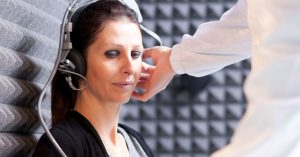
Regular hearing check-ups are a cornerstone of long-term hearing health. Adults over 50, and those exposed to frequent noise, should schedule hearing assessments at least once every one to two years. Early detection of hearing loss allows for timely intervention, whether through hearing aids, assistive listening devices, or lifestyle adjustments, helping prevent further deterioration.
Healthy lifestyle habits also contribute to hearing preservation. Cardiovascular health, for instance, is closely linked to ear health. Regular exercise improves blood flow, which nourishes the inner ear and supports auditory function. A balanced diet rich in antioxidants, omega-3 fatty acids, and vitamins A, C, and E can protect against cellular damage in the auditory system. Avoiding smoking and limiting alcohol intake further reduce risks associated with hearing decline.
Monitoring and managing noise exposure in daily routines is another key strategy. Many smartphones and wearable devices now feature decibel-measuring apps that alert users when sound levels exceed safe thresholds. Being proactive about noise—such as reducing headphone volume, spacing out exposure to loud environments, or taking “quiet breaks” during the day—gives your ears time to recover and reduces cumulative damage.
Stress management and sleep also play an indirect role in hearing health. High stress levels and poor sleep can exacerbate conditions like tinnitus and make it harder to cope with minor hearing difficulties. Mindfulness practices, relaxation techniques, and creating quiet periods for rest can help maintain overall auditory and cognitive health.
Finally, fostering awareness and advocacy around hearing safety encourages lifelong habits. Educating family members, friends, and caregivers about the importance of noise control and hearing protection ensures that hearing health becomes a shared priority, not just an individual concern.
By combining these lifestyle practices with practical noise control measures and regular professional assessments, adults can significantly reduce the risk of hearing loss. Long-term hearing health is achievable with consistent attention, informed choices, and proactive care.
Conclusion
Hearing is a vital sense that profoundly affects communication, safety, and overall quality of life. Yet, in our daily environments—home, work, and social settings—we are often exposed to noise levels that can gradually or suddenly harm our ears. The good news is that hearing damage from noise is largely preventable with awareness, practical strategies, and the right protective measures.
By understanding how noise affects our ears and identifying sources of potentially harmful sounds, adults can take proactive steps to control their environments. At home, simple adjustments like soundproofing, managing appliance noise, and creating quiet zones can dramatically reduce daily exposure. In workplaces and social settings, the use of earplugs, earmuffs, and electronic hearing protection devices ensures safety without compromising engagement in activities. Awareness of noise hazards, combined with advocacy for safer environments, empowers individuals to protect their hearing while still enjoying life.
Equally important are lifestyle habits that support long-term auditory health. Regular hearing check-ups, cardiovascular health, balanced nutrition, stress management, and monitoring noise exposure all contribute to preserving hearing over time. By integrating these strategies into daily routines, adults can minimize the risk of hearing loss, maintain clearer communication, and improve overall well-being.
Ultimately, noise control and hearing safety are not one-time actions but ongoing commitments. Small, consistent steps—whether adjusting your home environment, choosing the right hearing protection, or practicing mindful listening habits—can make a significant difference. Protecting your ears today ensures that you can continue to enjoy the sounds of life tomorrow, from the laughter of loved ones to the music and moments that make life vibrant.
FAQ
What is considered a safe noise level for hearing?
Sounds below 70 decibels (dB) are generally considered safe for prolonged exposure. Everyday conversation typically falls around 60 dB, while traffic noise can reach 80–85 dB. Prolonged exposure to sounds above 85 dB can cause hearing damage, so using hearing protection or limiting time in loud environments is recommended.
How can I tell if I have noise-induced hearing loss?
Early signs include difficulty understanding conversations in noisy environments, frequently asking others to repeat themselves, or experiencing ringing (tinnitus) in the ears. If you notice these symptoms, scheduling a hearing assessment with an audiologist is important for early detection and intervention.
Are earplugs or earmuffs better for hearing protection?
Both have benefits depending on the situation. Earplugs are small, portable, and effective for short-term or moderate noise exposure. Earmuffs cover the entire ear, providing higher protection for intense noise over longer periods. Electronic devices can combine the benefits, allowing safe hearing of speech while blocking harmful sounds. The best choice depends on noise intensity, duration, and personal comfort.
Can lifestyle habits really affect hearing health?
Yes. Cardiovascular health, diet, exercise, and avoiding smoking and excessive alcohol all influence hearing. Proper blood flow nourishes the inner ear, and antioxidants can help prevent cellular damage. Managing stress and ensuring adequate sleep also indirectly support auditory health by reducing conditions like tinnitus.
Is it too late to protect my hearing as an adult?
It’s never too late. While existing damage may not be reversible, adopting noise control measures, using hearing protection, and practicing healthy habits can prevent further loss and improve overall ear health. Regular check-ups allow for early intervention and ongoing monitoring.
This article is for informational purposes only and is not a substitute for professional medical advice, diagnosis, or treatment. If you are concerned about your hearing or ear health, please consult a qualified healthcare provider.