Hearing plays a vital role in how we connect with the world around us. From following conversations with loved ones to enjoying music, television, and the subtle sounds of daily life, our ability to hear clearly depends largely on how well we detect different sound frequencies and pitch. While many people are familiar with the idea of “volume,” fewer understand how hearing frequency and pitch sensitivity shape what we hear—and how these abilities often change as we age.
In simple terms, frequency refers to how high or low a sound is, while pitch is how our brain perceives that frequency. High-frequency sounds include birdsong, children’s voices, and certain consonants like “s,” “f,” and “th.” Low-frequency sounds include deeper voices, thunder, or the hum of household appliances. Pitch sensitivity allows us to tell these sounds apart, helping us understand speech clearly and recognise familiar noises in our environment.
As we get older, it is common for hearing frequency and pitch sensitivity to change gradually. These changes often happen so slowly that many people don’t notice them at first. You might still hear that someone is speaking, but struggle to understand what they are saying—especially in noisy places like restaurants or family gatherings. Voices may seem muffled, or certain sounds may appear to disappear altogether. This is often linked to reduced sensitivity to higher sound frequencies, which are particularly important for speech clarity.
Age-related changes in hearing are a natural part of life, but they can have a significant impact on communication, confidence, and quality of life if left unaddressed. Difficulty hearing certain pitches can lead to misunderstandings, frustration, and even social withdrawal. For caregivers and family members, these changes can also affect relationships, as repeated requests for repetition may be mistaken for inattention or disinterest.
The good news is that understanding how hearing frequency and pitch sensitivity work is the first step toward managing these changes effectively. Modern hearing tests can identify which frequencies are affected, and today’s hearing technology is designed to improve access to sounds that may have become harder to hear over time. Simple strategies and early support can make a meaningful difference.
In this article, we’ll explore how the ear processes sound, what pitch sensitivity really means, and why hearing frequency often changes with age. We’ll also look at how these changes affect daily life and what practical steps can help protect and support your hearing as the years go by.
How the Human Ear Processes Frequency and Pitch
To understand hearing frequency and pitch sensitivity, it helps to know how the ear processes sound in the first place. Hearing is not just about how loud a sound is, but about how accurately the ear and brain work together to detect and interpret different sound frequencies.
Sound begins as vibrations in the air that enter the outer ear and travel down the ear canal to the eardrum. When the eardrum vibrates, it moves three tiny bones in the middle ear, which amplify the sound and pass it into the inner ear.
Inside the inner ear is the cochlea, a spiral-shaped structure filled with fluid and lined with thousands of microscopic hair cells. These hair cells are arranged by frequency. High-frequency sounds stimulate hair cells at one end of the cochlea, while low-frequency sounds activate cells at the other end. This organisation allows the ear to separate sounds by pitch with remarkable precision.
As the hair cells move, they convert sound vibrations into electrical signals that travel along the auditory nerve to the brain. The brain interprets these signals as pitch. While frequency is a physical measurement, pitch is a perception shaped by how accurately these signals are transmitted and processed.
Healthy hair cells allow us to detect fine differences in pitch, which is essential for understanding speech and enjoying music. However, these cells are delicate and do not regenerate. Damage caused by ageing, noise exposure, illness, or certain medications can reduce their ability to transmit sound clearly—particularly at higher frequencies.
This explains why someone may say, “I can hear you, but I can’t understand you.” The issue is not volume, but a loss of detailed frequency information. Understanding this process highlights why pitch sensitivity is so important and why changes can have such a noticeable impact on everyday communication.
What Is Pitch Sensitivity and Why It Matters
Pitch sensitivity refers to the ability to detect and distinguish between sounds of different frequencies. It allows us to notice subtle differences in speech, recognise voices, and follow melodies in music.
Speech relies heavily on pitch sensitivity. Vowels tend to be lower in frequency and provide volume, while consonants are higher in frequency and provide clarity. Sounds like “s,” “f,” “t,” and “k” are critical for understanding words. When pitch sensitivity is reduced, these sounds may be missed, even though speech seems loud enough.
This often leads people to believe others are mumbling. In reality, important speech details are missing. Background noise makes this problem worse, as the brain struggles to separate speech from competing sounds.
Pitch sensitivity is also essential for enjoying music. Musical notes, harmonies, and melodies depend on the ability to hear pitch differences. Reduced sensitivity can make music sound flat or distorted and reduce enjoyment.
Beyond speech and music, pitch sensitivity helps us detect warning sounds such as alarms, timers, doorbells, and phone notifications. Reduced sensitivity can affect safety and independence, especially for older adults.
Pitch also helps us recognise voices. Familiar pitch patterns allow us to identify who is speaking without visual cues. When this ability declines, listening becomes more tiring and less enjoyable.
Recognising the importance of pitch sensitivity helps explain why hearing changes affect more than just loudness. It highlights the value of early hearing checks and appropriate support.
How Hearing Frequency Changes as We Age
Age-related hearing changes typically affect high-frequency sounds first. The hair cells responsible for detecting higher pitches are more vulnerable to ageing and long-term wear.
Low-frequency hearing often remains intact longer, which can mask the problem. People may hear deep voices and background sounds clearly while missing important speech details. This makes conversations especially difficult in noisy environments.
Over time, hearing may feel unbalanced, with some sounds seeming too sharp and others too dull. Listening becomes more tiring as the brain works harder to interpret incomplete sound information.
Noise exposure throughout life can accelerate high-frequency hearing loss. Certain medical conditions, circulation issues, and medications can also contribute.
Because hearing changes are gradual, many people adapt without realising how much they are missing. Turning up the television or avoiding noisy places becomes routine.
Understanding that these changes are common helps reduce stigma and encourages earlier testing and support.
The Impact of Reduced Pitch Sensitivity on Daily Life
Reduced pitch sensitivity affects communication, relationships, and emotional wellbeing. Conversations in noisy environments become exhausting, and understanding speech requires intense concentration.
Telephone calls and television listening are common challenges. Turning up the volume rarely improves clarity because the missing information lies in high-frequency sounds, not loudness.
Misunderstandings become more frequent, leading to frustration on both sides. Over time, people may withdraw from social situations to avoid embarrassment or fatigue.
Emotionally, this can lead to isolation, reduced confidence, and lower mood. Others may misinterpret hearing difficulties as disinterest or memory problems.
Reduced pitch sensitivity can also affect safety, as high-pitched alerts may be missed.
Understanding these impacts helps individuals and families respond with patience, support, and practical adjustments.
Testing Hearing Frequency and Pitch Sensitivity
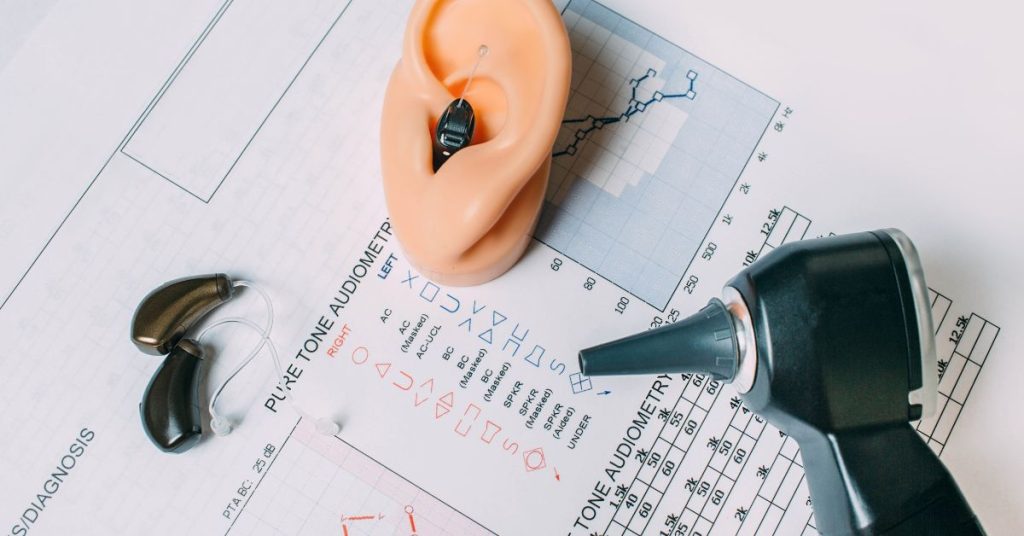
Hearing tests are essential for understanding frequency and pitch sensitivity changes. The most common test, pure-tone audiometry, measures the softest sounds heard at different frequencies and produces an audiogram.
Speech tests assess how clearly words are understood in quiet and noisy conditions, providing insight into real-world listening challenges.
Regular hearing tests are important because changes are gradual and often unnoticed. Early testing allows for timely support and better outcomes.
Understanding test results empowers individuals to make informed decisions about hearing care.
Managing Changes in Hearing Frequency and Pitch Sensitivity
Modern hearing aids are designed to amplify specific frequency ranges rather than simply making sounds louder. This improves access to high-frequency speech sounds and enhances clarity.
Advanced features such as noise reduction and speech enhancement help in busy environments. Assistive listening devices can further improve listening in specific situations.
Communication strategies—such as reducing background noise, facing speakers, and ensuring good lighting—can make conversations easier.
Protecting hearing from excessive noise, staying socially engaged, and having regular hearing checks all support long-term hearing health.
Managing hearing changes is about maintaining independence, confidence, and quality of life.
Conclusion
Hearing frequency and pitch sensitivity are central to how we experience sound and communicate with others. As we age, changes—particularly in high-frequency hearing—are common and can affect clarity rather than volume.
These changes can impact communication, confidence, and social connection, but help is available. Hearing tests, modern technology, and practical strategies can significantly improve everyday listening.
Early action makes a difference. Understanding hearing changes allows individuals and caregivers to seek support and stay connected to the sounds that matter most.
FAQ
What is the difference between hearing frequency and pitch?
Frequency is the physical measurement of sound, while pitch is how the brain perceives it.
Why are high-pitched sounds harder to hear with age?
The hair cells that detect high frequencies are more vulnerable to ageing and damage.
Can hearing loss affect understanding even if sounds are loud enough?
Yes. Missing high-frequency speech details affects clarity, not volume.
How often should hearing be tested?
Adults over 50 should have hearing tested every one to two years.
Can hearing aids improve pitch sensitivity?
Modern hearing aids can significantly improve access to important speech frequencies.
This article is for informational purposes only and is not a substitute for professional medical advice, diagnosis, or treatment. If you are concerned about your hearing or ear health, please consult a qualified healthcare provider.