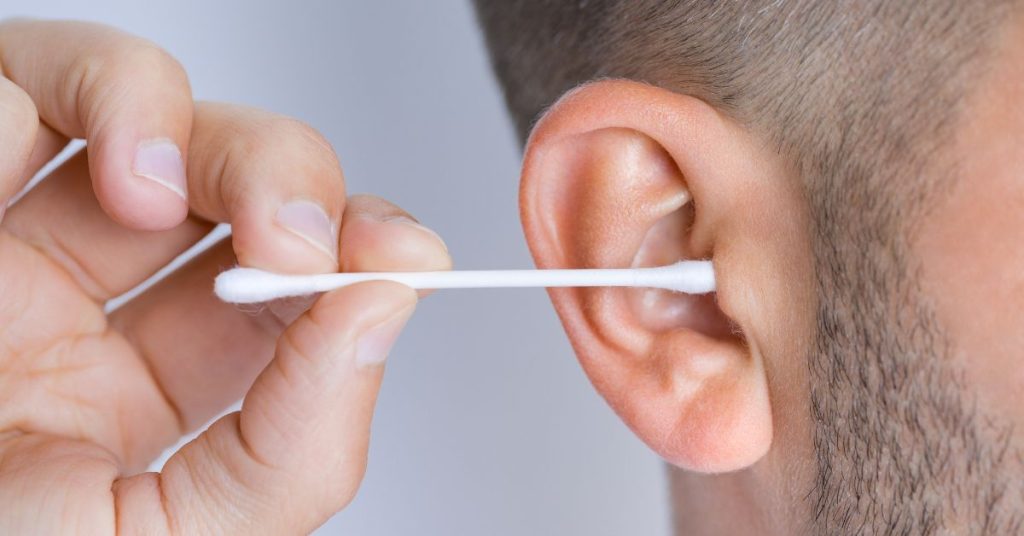
For many people, ear cleaning is a regular part of personal hygiene. Reaching for a cotton bud feels natural — even satisfying — and for decades, it’s been marketed as the go-to tool for removing earwax. Yet despite how common the habit is, most people don’t realise that cotton buds are not designed to go inside the ear canal. In fact, healthcare professionals worldwide advise strongly against it. Understanding why is essential, especially for older adults, caregivers, and anyone who has experienced changes in hearing or persistent ear discomfort.
Earwax, or cerumen, is often misunderstood. While many see it as something dirty or unnecessary, earwax actually plays an important role in protecting the ear. It traps dust, debris, and bacteria, keeping the ear canal clean and lubricated. When cotton buds are inserted into the ear, they disrupt this natural process. Rather than removing wax, they tend to push it deeper, increasing the risk of blockage, irritation, and infection. Unfortunately, because this damage is usually hidden from sight, problems can go unnoticed until they become uncomfortable — or even painful.
In this article, we’ll explore why cotton buds remain so widely used despite ongoing warnings from medical experts. We’ll look at the risks associated with using them, highlight safer alternatives, and help you understand when self-care is appropriate and when it’s time to seek professional support. Whether you’re dealing with earwax buildup, feel tempted to “clean out” your ears regularly, or support someone who does, this guide will equip you with the information you need to keep your ears healthy.
When it comes to ear care, simple changes can make a big difference. By learning what’s safe — and what isn’t — you can prevent long-term complications and protect your hearing as you age.
The Appeal of Cotton Buds: Why People Use Them
Cotton buds have been part of household routines for generations, and for many people, using them to clean their ears feels almost instinctive. There’s a familiar comfort in the quick swipe of a cotton bud and the belief that it removes unwanted wax. This habit is often learned early in life, passed down from parents or caregivers who were taught the same. Because cotton buds are so widely available — in bathrooms, travel kits, and beauty aisles — it’s easy to assume they’re designed for ear cleaning, even though the packaging usually states otherwise.
Part of the appeal lies in a common misconception: that earwax is dirty and should be removed regularly. This belief has been reinforced by years of advertising that depicts cotton buds as hygiene tools, even if the fine print cautions against inserting them into the ear canal. For many adults, especially those who value cleanliness and routine grooming, the idea of leaving earwax alone goes against instinct. The aesthetic concern — the desire to appear clean and well-kept — also plays a role, particularly for those who notice visible wax near the outer ear.
Another reason people continue using cotton buds is the sensation itself. For some, gently twisting a cotton bud in the ear can trigger a pleasant tickling or soothing feeling. This sensory response can make the habit surprisingly hard to break, even when individuals know it might not be the best choice. Others may reach for cotton buds out of frustration, hoping to relieve itchiness, fullness, or muffled hearing — symptoms that often indicate an underlying issue rather than excess wax.
Cultural factors also play a significant role. In many households, cotton buds have long been part of beauty routines, used for applying makeup, cleaning piercings, or touching up nail polish. Because they are such a multipurpose tool, it’s easy for ear cleaning to become just another use, especially when alternatives for ear care are not well known or widely discussed.
Understanding why cotton buds seem so appealing helps highlight why they remain popular despite the risks. By shifting the conversation toward ear health education and safe practices, individuals can replace old habits with healthier ones.
Are Cotton Buds Actually Safe? Understanding the Risks
Although cotton buds may look harmless, inserting them into the ear canal can lead to a range of short- and long-term problems. Most people use them with the intention of removing earwax, but medically speaking, this is one of the least effective — and most risky — ways to clean the ears. The ear canal is narrow and sensitive, and even gentle pressure from a cotton bud can push wax deeper toward the eardrum. Instead of clearing wax, this often creates a compacted plug that causes fullness, hearing loss, and discomfort.
One of the most common issues linked to cotton bud use is earwax impaction. When wax is forced against the eardrum, it becomes harder and more difficult for the ear to naturally expel. This can lead to symptoms such as muffled hearing, tinnitus (ringing), dizziness, and even pain. Many people mistake these symptoms for infections or age-related hearing changes, not realising that cotton buds are often the underlying cause. Because the ear canal is self-cleaning, any disruption to this process increases the likelihood of wax buildup becoming a recurring problem.
Beyond impaction, cotton buds can also cause micro-abrasions — tiny scratches inside the ear canal. These small injuries create an ideal environment for bacteria to multiply, raising the risk of outer ear infections, known as otitis externa or “swimmer’s ear.” For older adults or those with sensitive skin, these infections can become particularly irritating or persistent. In severe cases, scratching can lead to inflammation, swelling, and discharge, making everyday activities like sleeping on one side or wearing hearing aids uncomfortable.
A less common but more serious risk is eardrum perforation. The eardrum is a delicate membrane, and even a minor slip of the hand can cause sudden injury. Perforations can lead to sharp pain, temporary hearing loss, ringing, and sometimes bleeding. While many tears heal on their own, some require medical treatment — and repeated trauma may have lasting effects on hearing.
Another overlooked issue is the effect cotton buds can have on people who already use hearing aids or ear-level devices. Wax pushed deeper into the ear canal can interfere with sound quality, increase feedback, or clog hearing aid receivers. This not only affects hearing clarity but can also result in costly repairs or replacements.
Healthcare professionals consistently recommend avoiding cotton buds precisely because the risks outweigh any perceived benefits.
Safer Alternatives to Cotton Buds
If cotton buds aren’t safe for cleaning your ears, what should you do instead? The good news is that there are several effective, medically approved methods for managing earwax without risking injury. The key is to focus on approaches that work with the ear’s natural cleaning process rather than against it.
One of the safest and easiest alternatives is using ear drops. Over-the-counter cerumenolytic drops help break down hardened wax, making it easier for the ear to expel naturally. These drops typically contain hydrogen peroxide, sodium bicarbonate, olive oil, or glycerin. They’re gentle, accessible, and suitable for most adults, including those who wear hearing aids.
Another useful method is saline or warm water rinsing with a bulb syringe. This technique helps remove softened wax without needing to insert anything deep into the canal. However, anyone with a perforated eardrum, ongoing infections, or a history of ear surgeries should avoid this method unless advised by a professional.
For individuals who want the safest option, professional ear cleaning is the gold standard. Audiologists, ENTs, and hearing care specialists use tools like micro-suction or irrigation to remove wax effectively and comfortably. These procedures are especially beneficial for those who experience recurring wax buildup or have narrow or sensitive ear canals.
A simple, low-risk alternative is to clean only the outer ear using a damp cloth. This method removes visible wax without interfering with the ear’s natural processes.
Finally, for itchiness or dryness, gentle moisturising oils can soothe the skin and reduce the urge to use cotton buds. Persistent symptoms, however, may indicate an underlying condition requiring medical attention.
When to Seek Professional Help for Earwax or Ear Issues
While many ear concerns can be safely managed at home, certain symptoms require professional evaluation. One major warning sign is sudden hearing loss or significant muffling, which may indicate impacted wax — but can also point to infections or other medical conditions.
Persistent pain, pressure, or fullness lasting more than a few days should also be assessed. Ongoing tinnitus, dizziness, or imbalance can signal deeper problems involving the middle or inner ear.
If you notice discharge, bleeding, or a foul smell from the ear, avoid home treatments entirely. These signs may indicate infection or a perforated eardrum, both of which require prompt medical care.
Hearing aid users should seek help if they notice increased feedback, reduced clarity, or frequent device clogging, as wax buildup may be the culprit.
People with conditions such as diabetes, eczema, or a history of ear surgery should rely on professional care for any ear-related symptoms, as they may be more prone to complications.
Building Healthy Ear Care Habits
Caring for your ears is about adopting long-term habits that support overall comfort and hearing health. For most adults, especially those over 50, gentle and consistent practices will help prevent problems before they develop.
A fundamental habit is to clean only the outer ear. A soft washcloth is all you need to remove wax at the surface. Leaving the canal alone allows the ear’s natural cleaning mechanism to function without interference.
For those prone to dryness or itching, light moisturising with mineral oil or a specialised ear product can reduce irritation and prevent over-cleaning.
Protecting your ears from loud noises is another crucial element of ear health. Regular exposure to loud environments — concerts, machinery, lawn equipment — can harm inner ear structures over time. Using earplugs or noise-reducing earmuffs is a simple step with long-term benefits.
If you frequently experience wax buildup, routine check-ups with an ear care professional can keep things under control. This is especially important for hearing aid users, for whom wax can directly affect device performance and hearing quality.
Avoiding risky practices — including ear candles, hairpins, or tissue twisting — is equally important. These methods can cause burns, trauma, or deep impaction, leading to complications that require medical treatment.
Conclusion
Ear care is something many people take for granted, yet the habits we develop over a lifetime can have a major impact on our long-term hearing health. Cotton buds, though familiar and widely used, are one of the most common causes of preventable ear problems — from wax impaction to infections and even eardrum injuries. Understanding the risks helps break the cycle of misinformation and empowers you to make safer choices that support clearer, more comfortable hearing.
By recognising that earwax is not a sign of poor hygiene but an essential part of the ear’s natural defence system, you can begin to approach ear care with confidence rather than concern. Safer alternatives such as ear drops, gentle rinsing, or professional cleanings offer effective ways to manage buildup without causing harm. And for symptoms like pain, sudden hearing loss, or persistent fullness, knowing when to seek expert help ensures that issues are treated quickly and appropriately.
Healthy ear care doesn’t require complicated routines — just awareness, gentle practices, and a willingness to let the ear do much of the work on its own. With the right habits, you can avoid common pitfalls, protect your hearing as you age, and feel reassured that your ears are being cared for safely.
FAQ
Can I ever use cotton buds to clean my ears?
Cotton buds should not be inserted into the ear canal under any circumstances. They can be used safely to clean the outer parts of the ear only, such as the folds of the pinna. For wax inside the canal, safer alternatives like ear drops or professional cleaning are recommended.
How often should I clean my ears?
Most people do not need to clean inside their ears at all because the ear is self-cleaning. Simply wiping the outer ear with a cloth during regular bathing is usually enough. If you experience frequent wax buildup, speak to a hearing care provider about a safe routine.
What are the signs of impacted earwax?
Common symptoms include muffled hearing, a feeling of fullness, ringing in the ears, dizziness, and sometimes pain. Some people also notice temporary hearing loss or frequent feedback when using hearing aids. If you suspect impaction, avoid cotton buds and seek professional care.
Are earwax removal kits safe to use at home?
Most over-the-counter kits containing softening drops are safe when used as directed. Rinsing kits can also be effective, but individuals with ear conditions such as perforated eardrums, chronic infections, or past ear surgeries should avoid them unless advised by a clinician.
When should I see a doctor instead of managing earwax at home?
Seek professional help if you experience sudden hearing loss, severe pain, discharge, dizziness, bleeding, or symptoms that persist for more than a few days. People with medical conditions affecting the ears or those who use hearing aids may also benefit from regular professional cleanings.
This article is for informational purposes only and is not a substitute for professional medical advice, diagnosis, or treatment. If you are concerned about your hearing or ear health, please consult a qualified healthcare provider.