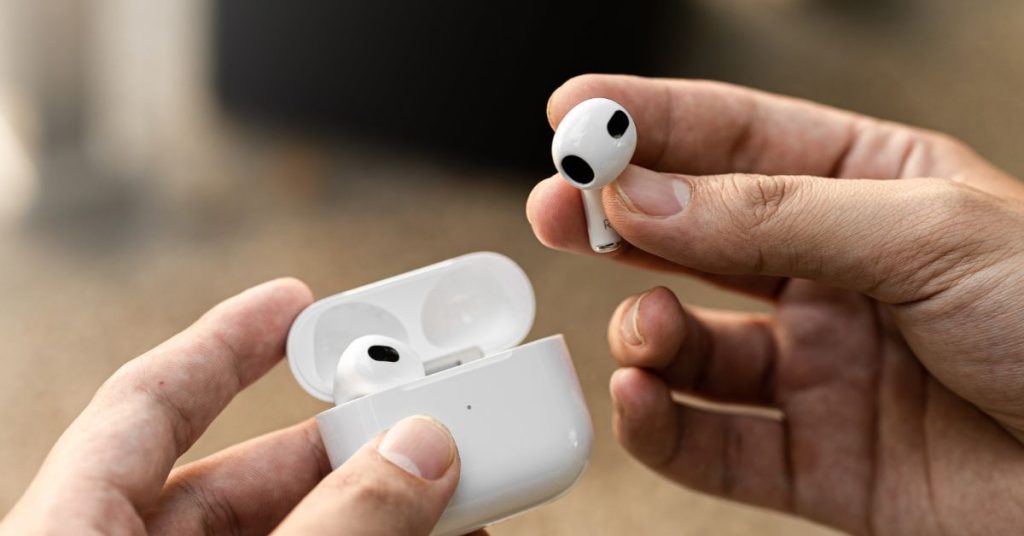
Hearing protection has come a long way from the simple foam and silicone earplugs many people are used to. As noise levels rise in everyday life—from lawn equipment and DIY tools to concerts, sporting events, and even busy restaurants—more adults are exploring advanced solutions to protect their hearing. Electronic earplugs have become one of the most talked-about options, combining traditional noise reduction with smart technology that adapts to your environment in real time.
In this introduction, we’ll set the stage for understanding why so many people, especially adults over 50 and those already noticing changes in their hearing, are considering electronic earplugs. We’ll discuss how these devices differ from standard passive earplugs and why their ability to reduce harmful noise while still allowing speech and soft sounds to come through has made them increasingly popular. For those who want clearer conversations, greater comfort, and dependable protection, electronic earplugs may offer an appealing middle ground.
But the big question remains: Are electronic earplugs actually worth it? This article will explore that question in-depth. From how they work to the benefits and limitations, we’ll help you determine whether investing in electronic hearing protection makes sense for your lifestyle, your needs, and your long-term hearing health.
How Electronic Earplugs Work
Electronic earplugs may look similar to traditional earplugs on the outside, but what happens inside is what makes them truly unique. Instead of simply blocking sound, they use miniature microphones and digital processing to manage the sound entering your ears. This means they can adapt to quiet, moderate, and loud environments in ways regular earplugs cannot.
At their core, electronic earplugs operate through a system of tiny microphones placed on the outside of the device. These microphones pick up surrounding sounds and send them through a small internal processor. The processor determines which sounds are safe to let through—and at what volume—and which sounds need to be reduced or shut down entirely. For example, in a quiet setting, electronic earplugs may actually amplify soft speech or environmental cues so you can stay aware of what’s happening around you. But the moment a sudden loud noise occurs, such as a hammer striking a nail or a motorcycle engine roaring nearby, the device instantly reduces the harmful sound to a safe level.
This smart responsiveness is what sets electronic earplugs apart from traditional foam earplugs. While foam can provide solid noise reduction, it also muffles everything, making conversations harder and reducing awareness of your surroundings. Electronic earplugs, by contrast, allow you to continue hearing the world while still offering strong protection. Many models also come with adjustable settings, letting you choose how much amplification or protection you want at any moment.
For adults who value both safety and comfort—especially in situations where hearing clearly is important—this blend of protection and awareness can be a game changer. Whether you’re attending a concert, doing yard work, or navigating a noisy environment with loved ones, electronic earplugs help maintain clarity without sacrificing safety.
Key Benefits of Electronic Earplugs
Electronic earplugs offer several advantages that make them an attractive option for adults concerned about hearing health. Unlike traditional earplugs, which block sound indiscriminately, electronic versions combine protection with enhanced listening capabilities. Understanding these benefits can help determine whether the investment is worthwhile for your lifestyle.
Enhanced Situational Awareness
One of the biggest advantages of electronic earplugs is their ability to reduce harmful noise while allowing important sounds, like speech or warning signals, to remain audible. This is particularly useful for older adults who want to maintain awareness in social situations or for caregivers needing to hear conversations clearly while reducing background noise. Unlike foam earplugs that can make hearing muffled and isolating, electronic models provide a safer balance of protection and communication.
Customizable Noise Reduction
Many electronic earplugs allow users to adjust the level of sound reduction or amplification. Some models feature multiple programs designed for specific environments, such as concerts, workshops, or travel. This flexibility means you can tailor your earplugs to your activity, ensuring optimal comfort and safety without overprotecting in quieter settings. For example, while mowing the lawn or using power tools, the earplugs may block sudden loud noises, but in a quieter conversation, they can amplify nearby speech so you don’t miss a word.
Comfort and Long-Term Wear
Because electronic earplugs actively manage sound instead of blocking it completely, they often feel less “stuffy” than traditional plugs. Many models are ergonomically designed for long-term wear, with soft tips that conform to the ear canal. This is particularly important for adults who might otherwise struggle with discomfort from foam earplugs during extended activities or sleep.
Protection from Hearing Damage
The primary goal of any earplug is to protect your hearing, and electronic earplugs excel in this area. By automatically limiting exposure to loud noises, they can help reduce the risk of long-term hearing damage, tinnitus, and other noise-induced hearing problems. The smart technology ensures that sudden spikes in sound don’t exceed safe levels, making them especially valuable in unpredictable environments.
Support for Active Lifestyles
Electronic earplugs are ideal for adults who remain active and social. Whether attending a live concert, cheering at a sports game, participating in outdoor hobbies, or traveling on noisy public transportation, these devices help users enjoy their activities without compromising hearing safety. They combine convenience, adaptability, and protection in ways that traditional earplugs simply cannot match.
Potential Drawbacks and Limitations
While electronic earplugs offer impressive benefits, they aren’t perfect for everyone. Understanding the potential drawbacks is essential before deciding whether they’re worth the investment. Being aware of limitations helps set realistic expectations and ensures you choose the right device for your hearing needs and lifestyle.
Higher Cost
One of the most noticeable downsides of electronic earplugs is their price. While traditional foam or silicone earplugs can cost just a few dollars per pack, electronic models often range from $50 to several hundred dollars depending on features, brand, and technology. For some adults, this upfront cost may feel prohibitive, especially if earplugs are needed for occasional use rather than daily protection.
Maintenance and Battery Life
Electronic earplugs require regular maintenance to function properly. Batteries or rechargeable units need to be monitored, and some models require occasional cleaning to ensure microphones and sensors work correctly. Unlike disposable earplugs, these devices need ongoing attention, which might be inconvenient for those who prefer a “set it and forget it” approach.
Not a Fit for All Hearing Loss Types
Although electronic earplugs amplify safe sounds, they are not a replacement for hearing aids for people with significant hearing loss. Those with severe or complex auditory deficits may find that electronic earplugs do little to improve clarity. In such cases, consulting an audiologist is recommended to explore whether a combination of hearing aids and protective devices might be more appropriate.
Durability and Environmental Limitations
Electronic earplugs are more sensitive to water, dust, and physical damage than standard earplugs. While many models are water-resistant, they may not withstand heavy rain or sweaty workouts. Additionally, rough handling or dropping the device can damage internal electronics, unlike simple foam plugs that can be replaced easily.
Learning Curve and User Comfort
Some users may experience a short learning curve when adjusting to electronic earplugs, particularly in calibrating settings for different environments. While many devices are ergonomically designed, a few may feel bulkier in the ear or take time to get used to, especially for older adults with smaller ear canals or sensitive ears.
Are Electronic Earplugs Worth It for You?
Deciding whether electronic earplugs are worth the investment depends on your lifestyle, hearing needs, and budget. While these devices offer advanced protection and enhanced sound clarity, they aren’t necessary for everyone. This section will help you evaluate whether they fit your personal situation.
Lifestyle Considerations
Electronic earplugs are particularly valuable for adults who frequently encounter noisy environments. If you attend concerts, work with power tools, ride motorcycles, or spend time in crowded public spaces, the ability to reduce harmful sounds while still hearing speech and environmental cues can significantly improve both safety and comfort. Conversely, if you only need hearing protection occasionally or for short durations, traditional earplugs may be sufficient.
Budget and Value
While the upfront cost of electronic earplugs is higher than standard earplugs, many users find the investment worthwhile due to long-term benefits. Durable electronics with rechargeable batteries can last for years, and the customizable features often justify the higher price for those who use them regularly. However, it’s important to balance cost against frequency of use and potential hearing protection benefits.
Hearing Sensitivity and Health
Adults with mild hearing loss, tinnitus, or heightened sensitivity to loud noises may gain the most from electronic earplugs. They provide a safer listening experience by controlling volume spikes and preventing further damage. However, they are not a replacement for hearing aids if you have significant hearing impairment. Consulting an audiologist before making a purchase can ensure the device complements your hearing health plan.
Use Case Scenarios
To help decide, consider specific scenarios in your life:
Concerts or sporting events: Electronic earplugs can reduce the risk of temporary or permanent hearing damage while allowing you to enjoy music or crowd sounds safely.
Workshops or DIY projects: The adaptive noise reduction protects your ears from sudden loud noises like hammering or drilling while keeping background sounds audible.
Social situations: Amplifying speech in noisy restaurants or family gatherings helps maintain clear communication without removing protection.
Decision-Making Checklist
Do you frequently experience loud environments where hearing clarity matters?
Are you willing to invest in a device with higher upfront costs for long-term benefits?
Do you need protection while maintaining situational awareness and speech comprehension?
Are you comfortable with minimal maintenance like charging or cleaning?
If you answered “yes” to most of these, electronic earplugs are likely worth it for your lifestyle. They combine hearing protection with convenience, adaptability, and enhanced listening, making them a practical choice for many adults seeking smarter hearing solutions.
Conclusion
Electronic earplugs represent a modern approach to hearing protection, blending safety, comfort, and smart technology. Unlike traditional earplugs that block all sound, electronic models adapt to your environment—reducing harmful noise while preserving speech and other important sounds. This combination makes them particularly appealing for adults who want to maintain situational awareness, enjoy social interactions, and protect their long-term hearing health.
While the higher cost, maintenance requirements, and limitations for severe hearing loss are factors to consider, the benefits often outweigh these drawbacks for many users. Customizable settings, improved comfort, and advanced noise reduction make electronic earplugs a valuable investment for active adults, caregivers, and anyone frequently exposed to loud environments.
Ultimately, whether electronic earplugs are worth it comes down to your lifestyle, hearing needs, and personal priorities. For those seeking smarter, safer hearing protection without sacrificing the ability to hear clearly, electronic earplugs provide a compelling solution. They offer peace of mind, enhanced listening experiences, and long-term protection—all in a small, convenient device that fits comfortably in your ear.
FAQ
What are electronic earplugs, and how do they differ from regular earplugs?
Electronic earplugs use built-in microphones and digital processors to manage sound. Unlike traditional foam or silicone earplugs that block all sound, electronic versions reduce harmful noise while allowing safe sounds, like speech, to pass through. This makes them ideal for maintaining awareness in noisy environments without sacrificing hearing protection.
Are electronic earplugs suitable for people with hearing loss?
Electronic earplugs can benefit individuals with mild hearing loss or sensitivity to loud sounds by amplifying safe sounds and reducing harmful noise spikes. However, they are not a replacement for hearing aids for people with significant or complex hearing impairments. Consulting an audiologist is recommended to determine the best solution for your specific needs.
How long do electronic earplugs last, and do they require maintenance?
The lifespan of electronic earplugs varies by brand and usage but generally ranges from a few years to longer if properly cared for. They require maintenance such as charging or replacing batteries, cleaning ear tips, and occasionally checking microphones and electronics for functionality. Proper care can extend their performance and reliability.
Are electronic earplugs worth the higher cost?
For frequent users exposed to loud environments, the benefits of situational awareness, customizable noise reduction, and long-term hearing protection often justify the higher cost. For occasional use, traditional earplugs may be sufficient. Evaluating your lifestyle and hearing protection needs can help determine whether the investment is worthwhile.
Can electronic earplugs be used in water or during exercise?
Many electronic earplugs are water-resistant, but they are typically not designed for swimming or heavy rain exposure. Some models are better suited for light exercise or outdoor activities. It’s important to check the manufacturer’s specifications to ensure proper use and avoid damage.
This article is for informational purposes only and is not a substitute for professional medical advice, diagnosis, or treatment. If you are concerned about your hearing or ear health, please consult a qualified healthcare provider.