Noise is an unavoidable part of many workplaces, from construction sites and factories to airports, farms, and warehouses. While loud environments may feel like “part of the job,” prolonged exposure to high noise levels can have serious and lasting consequences for hearing health. Noise-induced hearing loss is one of the most common occupational health conditions worldwide, and once it develops, it is usually permanent. For workers of all ages—but especially adults over 50—protecting hearing on the job is essential to maintaining quality of life both at work and beyond.
Workplace noise becomes dangerous when it is loud enough to damage the delicate structures inside the inner ear. Sounds above 85 decibels, such as heavy machinery, power tools, or industrial equipment, can cause harm if exposure is frequent or prolonged. Over time, this can lead to gradual hearing loss, ringing in the ears (tinnitus), and difficulty understanding speech, particularly in noisy settings. Unfortunately, these changes often happen slowly, meaning many people don’t realise their hearing has been damaged until it significantly affects communication and daily activities.
This is where hearing protection plays a vital role. Earmuffs are one of the most effective and user-friendly forms of hearing protection available for noisy workplaces. They fit over the ears, creating a seal that reduces the amount of harmful sound reaching the inner ear. Compared to some other options, earmuffs are easy to put on and take off, making them especially practical for jobs where noise levels fluctuate throughout the day.
Choosing the best earmuffs for noisy workplaces is not just about blocking out sound—it’s about finding protection that is comfortable, durable, and suited to the specific demands of the job. Poorly fitting or uncomfortable earmuffs are less likely to be worn consistently, reducing their effectiveness and putting hearing at risk. For employers and workers alike, selecting the right earmuffs can make a meaningful difference in long-term hearing health.
Why Hearing Protection Is Essential in Noisy Workplaces
Many people underestimate how quickly workplace noise can damage hearing. Noise-induced hearing loss doesn’t usually happen from a single loud event, but from repeated exposure over time. In noisy workplaces, this exposure can build up day after day, gradually damaging the tiny hair cells in the inner ear that are responsible for sending sound signals to the brain. Once these hair cells are damaged, they do not regenerate, making hearing loss permanent.
Common noisy workplaces include construction sites, manufacturing plants, metal workshops, airports, agricultural settings, and warehouses. Equipment such as drills, grinders, compressors, engines, and conveyor systems often produce sound levels well above safe limits. In these environments, workers may be exposed to noise levels of 90 decibels or more for hours at a time. Even seemingly moderate sounds can be harmful if exposure is prolonged without adequate protection.
Most workplace safety guidelines recognise the dangers of excessive noise. In many countries, employers are legally required to assess noise levels and provide hearing protection when exposure exceeds recommended limits. Typically, regular exposure to noise at or above 85 decibels is considered hazardous, and protective measures should be put in place.
For workers, hearing protection is not just about compliance—it’s about long-term wellbeing. Hearing loss can affect communication, job performance, and safety, increasing the risk of accidents when warning signals or verbal instructions are missed. It can also contribute to social isolation, frustration, and reduced confidence later in life.
How Earmuffs Protect Your Hearing
Earmuffs protect your hearing by reducing the amount of sound that reaches the inner ear. They fit securely over the ears and create a seal around the outer ear, helping to block and absorb harmful noise before it can cause damage.
One of the key measures used to describe earmuff effectiveness is the Noise Reduction Rating (NRR). The NRR indicates how much sound the earmuffs can reduce, measured in decibels. Higher NRR values generally provide greater protection, particularly in louder environments.
Compared to earplugs, earmuffs are easier to fit correctly and are ideal for workplaces where workers move between noisy and quieter areas. They are also suitable for people who experience discomfort with earplugs or who wear hearing aids, as earmuffs do not sit inside the ear canal.
In extremely noisy environments, earmuffs can be worn over earplugs for double protection, offering an additional layer of noise reduction when required.
Key Features to Look for in the Best Earmuffs for Noisy Workplaces
Noise Reduction Rating is one of the most important factors when selecting earmuffs. However, protection must be balanced with comfort. Overly bulky earmuffs may discourage consistent use in moderately noisy environments.
Comfort features such as cushioned ear cups, adjustable headbands, and lightweight materials are essential for long shifts. A good seal without excessive pressure ensures effective noise reduction while remaining comfortable.
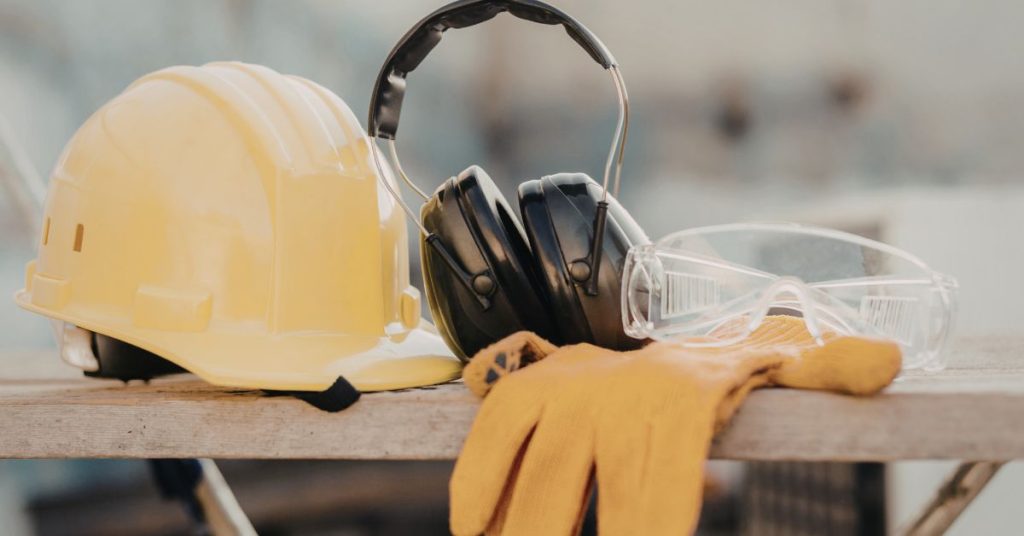
Durability is also critical. Workplace earmuffs should withstand dust, moisture, temperature changes, and regular handling. Compatibility with other safety equipment—such as hard hats and safety glasses—is another key consideration, particularly in industrial settings.
Hygiene and maintenance should not be overlooked. Replaceable ear cushions and liners help maintain cleanliness and long-term performance.
Best Types of Earmuffs for Different Work Environments
Industrial earmuffs are ideal for factories, construction sites, and warehouses, offering reliable noise reduction and robust construction.
High-NRR earmuffs are best for extremely loud environments such as metal fabrication or airport ground operations. These provide maximum protection and are sometimes used with earplugs.
Electronic earmuffs allow speech and warning sounds to be heard while blocking harmful noise, making them suitable for environments where communication is essential.
Helmet-mounted earmuffs are designed for workers who must wear hard hats and are common in construction, forestry, and utility work.
Comfort, Fit, and Long-Term Wear Considerations
A proper fit is essential for effective protection. Gaps caused by hair, glasses, or poor adjustment can significantly reduce noise reduction.
Earmuffs should apply even pressure without causing discomfort or headaches. Heat buildup and moisture can also affect comfort, particularly in physically demanding environments, making breathable or moisture-resistant materials beneficial.
For older workers or those with existing hearing issues, comfort is especially important to ensure consistent use throughout the workday.
Caring for and Replacing Workplace Earmuffs
Regular cleaning helps maintain hygiene and comfort. Ear cushions and liners should be inspected frequently and replaced when they become cracked, stiff, or misshapen.
Earmuffs should be stored in a clean, dry place away from extreme temperatures. Signs that replacement is needed include reduced comfort, poor fit, or noticeable drops in noise protection.
Proper maintenance ensures earmuffs continue to provide reliable hearing protection.
Conclusion
Protecting your hearing in a noisy workplace is essential for long-term health and wellbeing. Noise-induced hearing loss is permanent but preventable, and choosing the best earmuffs for noisy workplaces is a practical step toward safeguarding hearing.
By selecting earmuffs that balance effective noise reduction with comfort, durability, and compatibility with other safety gear, workers can protect their hearing without compromising daily performance. Consistent use of well-maintained earmuffs supports safer workplaces and better quality of life well into the future.
FAQ
What Noise Reduction Rating (NRR) do I need for a noisy workplace?
The appropriate NRR depends on workplace noise levels. Moderately noisy environments may require an NRR of 20–25, while very loud workplaces often require 30 or higher.
Are earmuffs better than earplugs for workplace noise?
Earmuffs are often easier to use correctly and are ideal for intermittent noise. In extremely loud environments, earmuffs and earplugs can be worn together.
Can I wear earmuffs with other safety equipment?
Yes. Many earmuffs are designed to work with hard hats, safety glasses, and face shields.
How often should earmuffs be replaced?
Replace earmuffs when cushions are worn, damaged, or no longer provide a good seal.
Do earmuffs help prevent tinnitus?
They can reduce the risk of developing tinnitus by limiting noise exposure, though they cannot cure existing tinnitus.
This article is for informational purposes only and is not a substitute for professional medical advice, diagnosis, or treatment. If you are concerned about your hearing or ear health, please consult a qualified healthcare provider.