Children’s ears are delicate, and protecting them from excessive noise or environmental discomfort is an important part of supporting their overall wellbeing. Whether a child is attending a loud school assembly, swimming at the local pool, struggling with noise sensitivity, or simply trying to sleep in a noisy home, earplugs can offer a gentle and effective solution. However, not all earplugs are created equal, and choosing the right type is essential for both safety and comfort.
Parents and caregivers often worry about finding earplugs that are soft enough for small ears, secure enough to stay in place, and safe enough to avoid causing irritation or damage. With so many materials, styles, and noise-reduction levels available, the decision can feel overwhelming. The good news is that children can benefit from earplugs in many everyday situations when they are chosen carefully and used correctly.
In this article, we’ll explore the reasons children may need earplugs, the types available, what to look for when choosing them, and how to help kids feel comfortable wearing them. You’ll gain a clear, medically informed understanding of how to protect young ears while ensuring your child feels safe, supported, and at ease.
Why Kids Need Earplugs: Common Situations and Benefits
Children encounter a wide range of environments that can be unexpectedly loud or overstimulating. From school events to family outings, noise levels can easily rise above what young ears can comfortably tolerate. Earplugs offer a simple way to reduce exposure to excessive sounds, helping to prevent stress, fatigue, and potential long-term hearing issues. For some children, particularly those with sensory sensitivities or conditions like autism or hyperacusis, even everyday noises—classroom chatter, traffic, or household appliances—can feel overwhelming. Earplugs provide a buffer that makes the world more manageable.
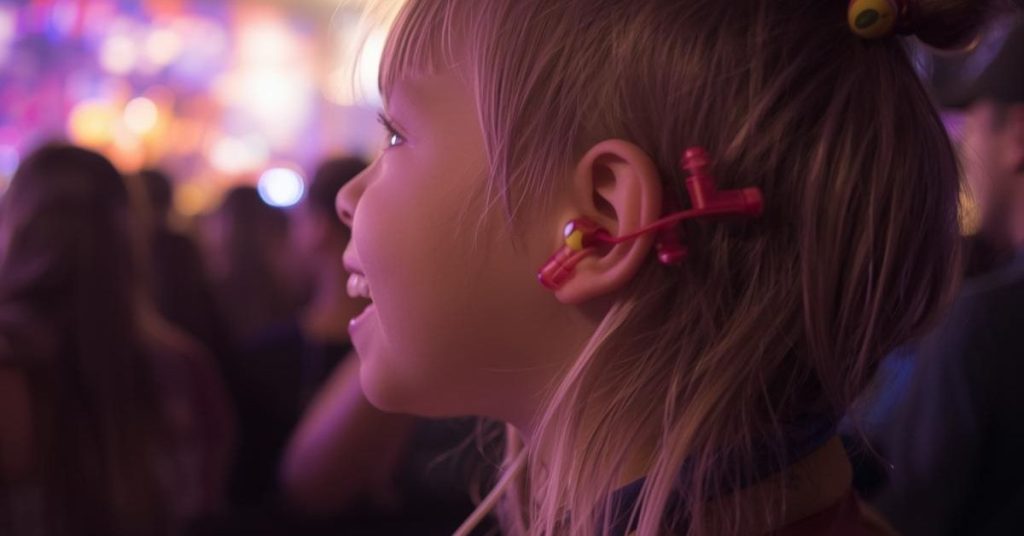
Loud environments are one of the most common reasons parents consider earplugs for kids. Concerts, sporting events, fireworks displays, and theme parks produce sound levels that can exceed safe limits. While adults may tolerate brief exposure, children’s ears are still developing and therefore more vulnerable to damage. Using earplugs during these events can significantly reduce the risk of temporary or permanent hearing loss, allowing children to participate without discomfort. Even simple family activities, like attending a movie or riding public transport, can involve noise spikes that are uncomfortable for a child.
Beyond noise protection, earplugs can be helpful in supporting better sleep. Children who share bedrooms, live in busy households, or struggle with nighttime noise often benefit from soft, comfortable earplugs that block out disturbances. This can be especially useful for light sleepers or kids adjusting to new routines. Additionally, earplugs designed for swimming help prevent water from entering the ear canal, reducing the risk of swimmer’s ear or irritation in children who are prone to ear infections.
In all of these situations, earplugs serve a dual purpose: they protect hearing and create a more soothing environment. By reducing the sensory load, they can help children feel calmer, more focused, and more confident in noisy or unpredictable settings. When chosen appropriately, earplugs can become a valuable tool for improving comfort and wellbeing in daily life.
Types of Earplugs for Kids: Materials, Styles, and Noise Reduction Levels
Choosing the right earplugs for a child starts with understanding the different types available and how they work. Each material and design has its own advantages, and knowing these distinctions can make it easier to match the correct earplug to your child’s comfort level and specific needs. Kids’ earplugs come in foam, silicone, wax, and specialty reusable styles, each offering a unique balance of fit, softness, and noise reduction.
Foam earplugs are one of the most widely used types. They expand gently inside the ear canal, creating a snug fit that provides significant noise reduction. For kids, foam earplugs should be soft, smooth, and small enough to avoid pushing too deeply. While foam is excellent for loud environments, some children may find the pressure of expanding foam uncomfortable, especially if they have sensitive ears or prefer a lighter touch. Additionally, foam earplugs are often designed as single-use items, making them a convenient but disposable option.
Silicone earplugs, especially moldable options, are popular for their versatility and comfort. Instead of pushing into the ear canal, they cover the outer opening, creating a seal without internal pressure. This makes them ideal for children who dislike insertion-type earplugs or are sensitive to texture. Silicone earplugs are also excellent for swimming, as they prevent water from entering the ear canal. Reusable silicone varieties offer durability and can be cleaned easily, making them a cost-effective choice over time.
Wax earplugs are another moldable choice, often used for sleep due to their softness and gentle seal. They warm slightly with body heat, making them pliable enough to conform to the outer ear. Their ability to block noise effectively without inserting into the canal makes them appealing for kids who need overnight comfort. However, wax can be more delicate in warm weather and may need replacing more frequently.
Finally, specialty reusable earplugs designed for sensory support or specific activities—such as concerts or classroom noise—use filtered technology to reduce harmful or stressful sounds while still allowing speech and environmental cues to be heard. These offer a more balanced listening experience and can be especially useful for children with sensory processing needs. Their structured design ensures consistent noise reduction without the full isolation of traditional earplugs.
Understanding these types helps caregivers make informed decisions about which earplugs will offer the safest and most comfortable experience for their child.
How to Choose Safe, Comfortable Earplugs for Kids
Selecting the right earplugs for a child involves balancing safety, comfort, and practicality. Since children have smaller, more sensitive ear canals, it’s essential to choose options specifically designed for pediatric use rather than scaled-down adult products. The first consideration is fit. Earplugs should sit comfortably at the opening of the ear canal or rest gently inside without causing pressure or pain. A poor fit can lead to irritation, ineffective noise reduction, or even the risk of an earplug becoming lodged too deeply. Materials that are soft, hypoallergenic, and free from harsh chemicals are ideal for young users.
Another key factor is the Noise Reduction Rating (NRR). While higher NRR values can seem appealing, overly powerful noise-blocking can make children feel isolated or prevent them from hearing important cues, such as a parent’s voice or traffic sounds. For most children, a moderate NRR is sufficient—enough to reduce stressful noise without cutting off their connection to the environment. Specialty filtered earplugs can be especially useful for balancing protection with awareness in situations like classrooms, family events, or sensory environments.
Comfort plays a major role in long-term success with earplug use. Kids are more likely to accept earplugs when they feel soft, lightweight, and non-intrusive. Moldable silicone or wax earplugs often work well for beginners because they don’t require deep insertion and can be shaped according to the child’s ear. For older children or those familiar with earplugs, small foam or filtered earplugs may be appropriate, but they should be easy to insert and remove without causing discomfort. Always avoid earplugs that seem too rigid, too large, or difficult for the child to manage safely.
Safety also includes hygiene and maintenance. Reusable earplugs should be cleaned regularly according to manufacturer guidelines, while disposable foam earplugs should be discarded after a single use to minimize the risk of ear infections. Parents and caregivers should supervise younger children to ensure the earplugs stay in place and are removed properly. Signs that an earplug isn’t a good match include itching, redness, pain, or resistance from the child when wearing them.
By focusing on fit, material quality, noise reduction levels, and ease of use, caregivers can choose earplugs that support both comfort and effective hearing protection. When selected thoughtfully, earplugs can become a helpful tool that children feel confident and comfortable using.
Best Practices for Helping Kids Wear Earplugs Successfully
Introducing earplugs to children can sometimes feel challenging, especially if they are sensitive to new sensations or wary of anything involving their ears. The key to success is patience, reassurance, and making the experience feel positive rather than forced. Start by allowing your child to explore the earplugs with their hands first—let them touch the material, see how soft it is, and understand that it won’t hurt. This simple step helps reduce anxiety and builds familiarity before attempting to place anything near the ears.
Once your child feels comfortable, try a gentle demonstration. Showing the child how you insert earplugs in your own ears can make the process feel less intimidating. Children often learn best by watching a trusted adult model the behavior, which helps normalise the experience. When you’re ready to help them insert their earplugs, do it slowly, using calm language and checking in frequently about how it feels. If the child reacts negatively, remove them, take a short break, and try again later rather than pushing through resistance.
For children with sensory sensitivities, such as those on the autism spectrum or those who struggle with hyperacusis, it’s helpful to take an even more gradual approach. Introduce earplugs during quiet, low-pressure moments rather than in stressful noisy environments. Begin with very short wearing periods—perhaps just a minute or two—and gradually increase the duration as your child becomes more accustomed to the sensation. Pairing earplug use with something enjoyable, like reading a favorite book or listening to calming music, can also help create a positive association.
Clear communication is important. Explain in simple, reassuring terms why earplugs can help: “These will make loud sounds feel softer,” or “These help keep water out of your ears while you swim.” Giving children a sense of control—such as allowing them to choose between different colors or styles—can also make them feel more involved and willing to participate. Some kids may even take pride in their earplugs once they see them as a tool rather than a restriction.
Make earplug use part of predictable routines when possible. For example, if they’re needed for sleep, include them in the bedtime ritual. If required for swimming, add them to the pre-pool checklist. Consistency helps children understand what to expect and reduces pushback over time. With patience, encouragement, and proper fit, most children quickly adapt and come to appreciate how earplugs improve their comfort and confidence.
Top Recommended Earplugs for Kids: What to Look For and Why
When choosing earplugs for your child, it’s helpful to know which features truly matter. While brand names often get a lot of attention, the most important considerations are comfort, safety, and suitability for your child’s specific needs. Each child is different, so focusing on characteristics rather than labels ensures you select earplugs that offer effective protection without causing discomfort or frustration.
For sleep, look for earplugs made from soft, moldable materials such as silicone or wax. These types sit at the entrance of the ear instead of going deep inside, making them more comfortable for overnight use. The material should be pliable and gentle, creating a secure seal that keeps out noise without pressing too firmly. Earplugs intended for sleep should also be easy for parents to check and remove, especially for younger children who may have difficulty handling them on their own.
For swimming, seek out waterproof silicone earplugs designed specifically to keep water out of the ear canal. Children who experience frequent ear infections or have had ear tubes may benefit from these types of earplugs. Moldable silicone is especially effective because it shapes to the child’s ear, creating a reliable barrier against moisture. These earplugs should be brightly coloured, making them easy to spot if they fall out in the water.
For concerts, festivals, and other loud events, filtered earplugs are often the best choice. These earplugs reduce harmful sound levels while still allowing speech, music, and environmental sounds to be heard clearly. The filters help maintain sound quality without muffling everything, which can be more comfortable for children who may feel uneasy when too isolated. Filtered earplugs are also reusable, making them an environmentally friendly and cost-effective option for families who attend events regularly.
For sensory support, consider earplugs or reusable in-ear devices designed to soften background noise without completely blocking it out. These can be especially helpful for children with sensory sensitivities who struggle with overwhelming environments such as classrooms, shopping centres, or social gatherings. The goal is to create a smoother, more manageable sound experience while preserving the child’s ability to communicate and engage confidently.
Finally, consider durability and ease of care. Reusable earplugs should be simple to clean with warm water and mild soap, while disposable options should come in packs that make replacements quick and affordable. Child-friendly designs—bright colours, soft textures, and small sizes—help ensure a positive experience and reduce the likelihood of loss or discomfort.
When you focus on these practical, child-centered features, choosing high-quality earplugs becomes much easier. The right pair will support your child’s comfort, confidence, and hearing health in everyday situations.
Conclusion
Choosing the best earplugs for kids is ultimately about finding a balance between safety, comfort, and practicality. With so many options available, it can feel overwhelming at first—but focusing on the essentials makes the process much easier. Understanding why your child needs earplugs, whether for sleep, swimming, sensory support, or noise protection, helps guide you toward the right type and material. Paying attention to fit, softness, and noise reduction levels ensures that the earplugs you choose will protect young ears without causing discomfort or interfering with communication.
Introducing earplugs gradually and using simple, reassuring language can make a significant difference in how children accept and use them. For kids with sensory sensitivities, a slow, patient approach works best, helping them build trust and confidence as they adapt to the new sensation. Making earplugs part of predictable routines—like bedtime or swim time—can also help them feel more natural and less intrusive.
When selected thoughtfully and used correctly, earplugs can be a valuable tool that enhances a child’s comfort, safety, and daily experience. They empower children to navigate noisy or overwhelming environments with greater ease, helping protect their hearing while encouraging participation in the activities they love. With the right guidance, parents and caregivers can confidently choose earplugs that support both immediate comfort and long-term ear health.
FAQ
What age can kids start using earplugs?
Children can begin using earplugs once they’re old enough to understand not to push them too deeply or swallow them—typically around age three or older with close supervision. For younger children or toddlers, ear protection such as earmuffs is usually a safer alternative. Always choose products specifically designed for pediatric use to ensure proper size and fit.
Are earplugs safe for kids to sleep with?
Yes, as long as they are soft, comfortable, and designed for children. Moldable silicone or wax earplugs are often the best options for sleep because they rest at the entrance of the ear rather than inside the canal. Parents should monitor younger children to ensure the earplugs stay properly positioned and do not pose a choking risk.
Can kids wear earplugs every day?
Daily use is generally safe when earplugs are clean, well-fitted, and comfortable. However, it’s important to give the ears regular breaks to prevent irritation or wax buildup. For children who rely on earplugs for sensory reasons, alternating with other tools—such as noise-reducing headphones—can provide a balanced approach.
Do earplugs affect speech and communication?
Some earplugs can muffle sound more than others. Filtered earplugs or those with moderate noise reduction allow children to hear speech and remain aware of their surroundings while still reducing overwhelming noise. For most daily situations, avoiding very high NRR values helps maintain better communication.
What should I do if my child refuses to wear earplugs?
Start slowly and build familiarity. Let the child handle the earplugs, demonstrate their use, and introduce them in quiet, low-stress environments. Pairing earplugs with enjoyable activities or offering choices in color or style can also improve acceptance. If resistance continues, consider whether a different texture, fit, or style might be more comfortable.