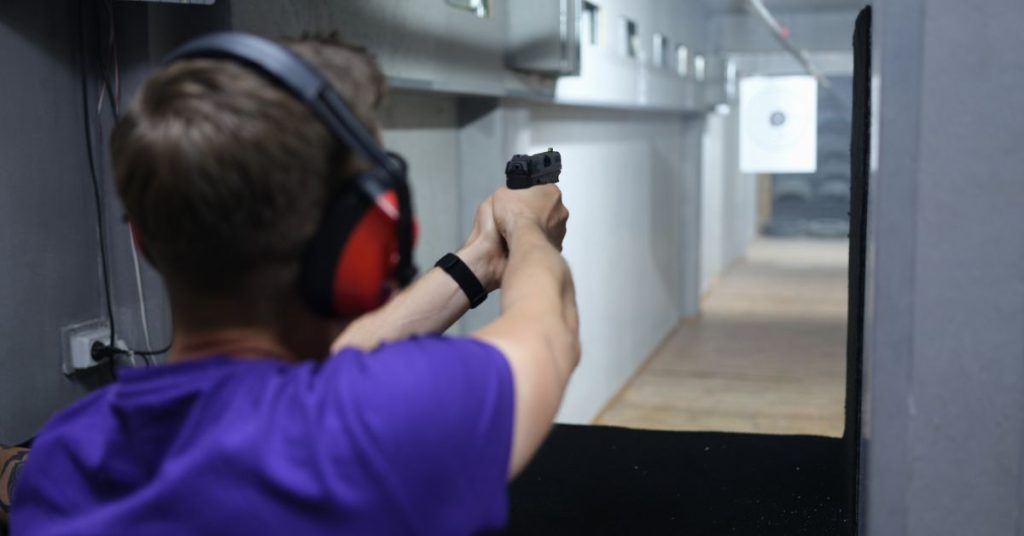
For many shooting enthusiasts, the thrill of the range comes with a hidden risk: permanent hearing damage. Gunfire produces extremely loud noise, often exceeding 140 decibels, which is well above the safe threshold for human ears. Even a single shot without proper protection can cause temporary ringing in the ears, and repeated exposure can lead to irreversible hearing loss, tinnitus, or sensitivity to everyday sounds.
Hearing loss from shooting isn’t always immediate or obvious, which makes prevention all the more important. Many shooters underestimate the risk, relying on instinct or short-term comfort instead of investing in quality hearing protection. But the reality is that protecting your ears is just as crucial as following firearm safety rules. With the right hearing protection, you can enjoy shooting safely, maintain your long-term hearing health, and continue to engage in this hobby without compromise.
This article explores the best hearing protection for shooters, covering the types of devices available, top recommended products, tips for choosing the right gear, and strategies to maintain healthy hearing on and off the range. Whether you’re a casual shooter, a seasoned hunter, or a range professional, this guide will help you make informed choices to safeguard your most precious sense: your hearing.
Why Hearing Protection is Crucial for Shooters
Every firearm, from handguns to rifles and shotguns, produces a sudden burst of noise that can be extremely damaging to the delicate structures inside the ear. Sound is measured in decibels (dB), and most firearms generate noise levels between 140 and 175 dB—far above the 85 dB threshold considered safe for prolonged exposure. To put it in perspective, normal conversation is around 60 dB, while a rock concert might reach 120 dB. Even brief exposure to gunfire without protection can cause immediate damage, including temporary hearing loss and tinnitus, a persistent ringing or buzzing in the ears.
The long-term consequences of repeated exposure are more serious. Chronic noise-induced hearing loss develops gradually and is often irreversible. Shooters may not notice the damage until it significantly affects communication, balance, or quality of life. Studies show that regular shooters are at a much higher risk of hearing impairment compared to the general population, even when using basic protection inconsistently. Children, older adults, and individuals with pre-existing hearing conditions are especially vulnerable.
It’s also important to recognize that hearing damage doesn’t only occur at indoor ranges. Outdoor shooting can reflect sound off nearby surfaces or carry noise to unprotected ears, and hunting in confined areas, like wooded or rocky terrain, can amplify gunshot intensity. Additionally, the cumulative effect of multiple shooting sessions—over months or years—makes consistent protection critical.
In short, using proper hearing protection isn’t optional for shooters—it’s essential. Investing in high-quality earplugs or earmuffs, or combining both, significantly reduces the risk of permanent hearing loss. By understanding the science behind firearm noise and its effects on hearing, shooters can make informed decisions to safeguard their auditory health and continue enjoying their hobby safely.
Types of Hearing Protection for Shooters
When it comes to safeguarding your hearing at the range, not all protection is created equal. Shooters have several options, each with distinct advantages and drawbacks depending on comfort, noise reduction needs, and shooting environment. Understanding these options helps you choose the best solution for your situation.
Earplugs
Earplugs are small, flexible devices that fit directly into the ear canal. They are lightweight, portable, and often inexpensive. High-quality foam or silicone earplugs provide significant noise reduction, typically between 20–33 decibels (NRR: Noise Reduction Rating). Custom-molded earplugs offer a perfect fit and are especially helpful for frequent shooters or those with unusual ear shapes. While earplugs are convenient and unobtrusive, they may be difficult to insert correctly for beginners, and some users find them uncomfortable for extended use.
Earmuffs
Earmuffs cover the entire ear and are held in place with a headband. They are easy to put on and remove, making them ideal for casual shooters who may take breaks between shots. Earmuffs generally offer a noise reduction rating of 20–30 decibels and provide the added benefit of shielding the ears from wind and other environmental noises. Some models are bulky, and they can become uncomfortable during long shooting sessions, particularly in hot weather.
Electronic Earmuffs
Electronic earmuffs take traditional earmuffs a step further by using built-in microphones and speakers. They amplify quiet sounds like conversation or range commands while instantly shutting down loud noises such as gunshots. This feature allows shooters to maintain situational awareness without compromising safety. They are typically more expensive than basic earmuffs or earplugs but offer unmatched versatility for professional shooters, hunters, and instructors.
Hybrid Protection
Some shooters combine earplugs with earmuffs for maximum protection. This “double protection” approach is recommended for high-caliber firearms or prolonged shooting sessions. By layering protection, noise reduction can exceed 35 decibels, significantly lowering the risk of hearing damage. While slightly bulkier, this method provides peace of mind for those who prioritize long-term ear health.
Choosing the Right Type
Ultimately, the best type of hearing protection depends on your shooting style, frequency, and personal comfort preferences. Casual shooters may prefer simple earplugs or earmuffs, while hunters or competitive shooters may benefit from electronic or hybrid options. Prioritizing proper fit and consistent use is crucial—any device, no matter how advanced, won’t protect your hearing if it’s worn incorrectly or inconsistently.
Top Recommended Hearing Protection for Shooters
Choosing the right hearing protection can be overwhelming given the many options available. To help, we’ve compiled a list of some of the top-rated products that combine safety, comfort, and performance for shooters of all experience levels.
3M PELTOR Optime 105 Earmuffs
These earmuffs are ideal for high-noise environments, offering a Noise Reduction Rating (NRR) of 30 decibels. They are well-padded for comfort and provide full coverage of the ears. The Optime 105 is particularly effective for shotgun and rifle shooting, making it a favorite among hunters and competitive shooters alike.
Howard Leight by Honeywell MAX-1 Foam Earplugs
These disposable foam earplugs are designed to expand gently in the ear canal for a secure fit. They provide an impressive NRR of 33 decibels and are lightweight and highly portable. Ideal for casual shooters or those who need quick, convenient protection without investing in more expensive earmuffs.
Walker’s Razor Slim Electronic Earmuffs
Walker’s Razor Slim electronic earmuffs offer a balance of protection and situational awareness. They amplify low-level sounds like conversation while instantly reducing loud gunfire to safe levels. With an NRR of 23 decibels, they are lightweight, foldable, and perfect for shooters who need mobility without compromising safety.
Etymotic GunSport PRO Earplugs
Etymotic GunSport PRO earplugs are a favorite among frequent shooters due to their high-fidelity design. They attenuate harmful noise while allowing speech and environmental sounds to be heard clearly. These reusable earplugs have a compact design and a moderate NRR of 24 decibels, making them ideal for hunters and recreational shooters who value comfort and clarity.
Hybrid Protection Combinations
For maximum protection, many shooters combine high-NRR foam earplugs with electronic earmuffs. This double-layer approach can reduce noise exposure by over 35 decibels, making it suitable for indoor ranges, shooting competitions, or heavy-caliber firearms. Brands like Howard Leight and 3M PELTOR are commonly paired for this purpose.
Choosing the Best Option
When selecting hearing protection, consider your typical shooting environment, the type of firearms you use, and your comfort preferences. Electronic earmuffs may be ideal for those who need to communicate or hear commands, while foam earplugs are perfect for portability and quick use. Hybrid combinations are recommended for high-intensity shooting or prolonged sessions. Remember, the most expensive product isn’t always the best—fit and consistent usage are the keys to protecting your hearing.
How to Choose the Right Hearing Protection
Selecting the right hearing protection goes beyond simply picking the most expensive or popular option. Factors like fit, comfort, noise reduction, and personal shooting habits all play a role in keeping your ears safe. Understanding these considerations ensures you choose protection that you will consistently wear.
Consider Noise Reduction Rating (NRR)
The Noise Reduction Rating, or NRR, indicates how much noise a device can block. Higher numbers mean more effective protection. For casual shooters, an NRR of 20–25 decibels may suffice, while frequent shooters or those using high-caliber firearms should aim for 30 decibels or more. For extreme exposure, combining earplugs and earmuffs can provide double protection and superior noise reduction.
Fit and Comfort
Proper fit is essential for effective protection. Earplugs that are too loose or earmuffs that don’t seal well can allow harmful noise to penetrate. Custom-molded earplugs provide a personalized fit, while adjustable earmuffs accommodate different head sizes. Comfort is equally important; a comfortable device is more likely to be worn consistently during long shooting sessions.
Shooting Environment
Your environment matters when choosing protection. Indoor ranges amplify sound due to enclosed spaces, so higher NRR options like electronic earmuffs or double protection are advisable. Outdoor shooting may allow for slightly lower NRR, but wind, terrain, and firearm type should still be considered. Electronic models are particularly useful in dynamic outdoor settings where situational awareness is key.
Frequency and Duration of Use
How often and how long you shoot should influence your choice. Frequent shooters benefit from durable, reusable options like electronic earmuffs or custom earplugs. Casual shooters may prefer disposable foam plugs for convenience. If you participate in competitions or long hunting trips, prioritize comfort and adjustability to prevent fatigue.
Special Considerations
Some shooters wear hearing aids, have pre-existing hearing loss, or are sensitive to pressure changes in the ear. In such cases, electronic earmuffs with adjustable amplification or custom-fit earplugs may be the best choice. Additionally, some devices are designed to enhance speech or range commands, which can be critical for instructors and range officers.
By carefully evaluating these factors, you can select hearing protection that not only blocks harmful noise but also enhances your shooting experience. Remember, the most important feature isn’t the style or brand—it’s consistent use. Even the best hearing protection is ineffective if it’s not worn correctly every time you shoot.
Tips for Maintaining Hearing Health While Shooting
Protecting your ears at the range is about more than just picking the right gear. Consistent habits and smart practices can significantly reduce the risk of hearing damage over time. By combining proper equipment with healthy shooting routines, you can enjoy firearms safely and preserve your hearing for years to come.
Use Hearing Protection Consistently
The most effective way to prevent noise-induced hearing loss is to wear hearing protection every time you shoot. Even a single unprotected shot can contribute to cumulative damage. Whether you’re at a casual outdoor range or a long hunting trip, make it a habit to insert earplugs or put on earmuffs before any gun is fired.
Consider Double Protection for High-Caliber Firearms
For high-caliber rifles or indoor ranges, combining earplugs with earmuffs provides maximum protection. This layered approach can reduce noise exposure by over 35 decibels, effectively shielding your ears from the loudest gunfire. While it may feel slightly bulkier, the benefits far outweigh the minor inconvenience.
Take Breaks and Maintain Distance
Spacing out shooting sessions gives your ears a chance to recover. Additionally, positioning yourself farther from other shooters and reflective surfaces can minimize exposure to amplified sound. When possible, step away from the line between rounds to allow your auditory system to rest.
Regular Hearing Checkups
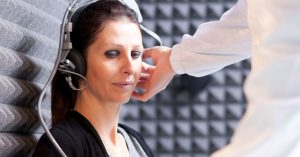
Even with excellent protection, routine hearing evaluations are essential. Early detection of hearing loss or tinnitus allows for timely intervention and better management. Adults over 50, or anyone with prolonged exposure to loud noise, should schedule annual audiology checkups.
Keep Your Gear in Good Condition
Damaged or worn-out earplugs and earmuffs may not provide adequate protection. Foam earplugs lose effectiveness over time, and earmuff cushions can degrade, reducing their noise-blocking ability. Inspect your devices regularly, replace them as needed, and store them properly to ensure consistent performance.
Educate Others at the Range
If you shoot with family, friends, or new shooters, share the importance of hearing protection. Encouraging safe practices not only protects your own ears but also helps prevent hearing damage in others. Setting a culture of ear safety at your range benefits everyone.
By combining the right equipment with these practical strategies, shooters can maintain healthy hearing and continue enjoying their sport safely. Remember, prevention is always more effective than attempting to treat hearing loss after it occurs.
Conclusion
Hearing protection is one of the most important, yet often overlooked, aspects of safe shooting. The loud noise produced by firearms can cause immediate and long-term damage, including tinnitus and irreversible hearing loss. By investing in the right ear protection and following consistent safety practices, shooters can enjoy their sport while safeguarding their most valuable sense.
From foam earplugs and traditional earmuffs to electronic models and hybrid solutions, there are options to suit every shooter’s needs and comfort preferences. Understanding your shooting environment, the type of firearms you use, and your frequency of exposure will help you select the protection that works best for you. Remember, even the most advanced device is only effective if worn correctly and consistently.
In addition to wearing proper hearing protection, adopting good habits—such as taking breaks, maintaining distance, and scheduling regular hearing checkups—ensures long-term auditory health. Protecting your hearing doesn’t just enhance your experience at the range; it preserves your ability to enjoy everyday sounds and conversations for years to come.
Prioritizing ear safety today means a lifetime of clear, healthy hearing tomorrow. Whether you’re a casual shooter, a dedicated hunter, or a competitive marksman, proper hearing protection is a simple, effective step that makes a significant difference.
FAQ
What is the best type of hearing protection for shooters?
The best type depends on your shooting environment, firearm type, and comfort preferences. Foam earplugs are lightweight and portable, earmuffs provide full coverage, and electronic earmuffs allow you to hear conversation while blocking gunfire. For maximum protection, many shooters combine earplugs with earmuffs, especially when using high-caliber firearms or shooting indoors.
How loud is a gunshot compared to normal sounds?
Gunshots typically range from 140 to 175 decibels, which is far louder than normal conversation (around 60 dB) or even a rock concert (about 120 dB). Exposure to these levels without protection can cause immediate hearing damage, and repeated exposure can result in permanent loss.
Can hearing protection really prevent hearing loss?
Yes. Properly fitted and consistently used hearing protection significantly reduces the risk of noise-induced hearing loss. While no device can block 100% of sound, high-quality earplugs, earmuffs, or hybrid combinations can reduce harmful noise by 20–35+ decibels, which is enough to prevent most damage from shooting.
How often should I get my hearing checked if I shoot regularly?
Shooters should have their hearing evaluated at least once a year, especially if they are frequent shooters or over the age of 50. Regular checkups help detect early signs of hearing loss or tinnitus, allowing timely intervention and better management.
Are electronic earmuffs better than regular earmuffs?
Electronic earmuffs offer advantages, especially in environments where situational awareness is important. They amplify low-level sounds like conversation or range commands while blocking sudden loud noises such as gunfire. For casual shooting, standard earmuffs may suffice, but electronic models provide extra functionality for frequent shooters or instructors.
This article is for informational purposes only and is not a substitute for professional medical advice, diagnosis, or treatment. If you are concerned about your hearing or ear health, please consult a qualified healthcare provider.